Period 7 · 1861–1877
Civil War and Reconstruction
In four years of war the Union was preserved and slavery destroyed, at the cost of some 620,000 soldiers’ lives. In the dozen years after, Americans fought over what freedom and citizenship would mean — rewriting the Constitution, and then abandoning its promises to Black Southerners.
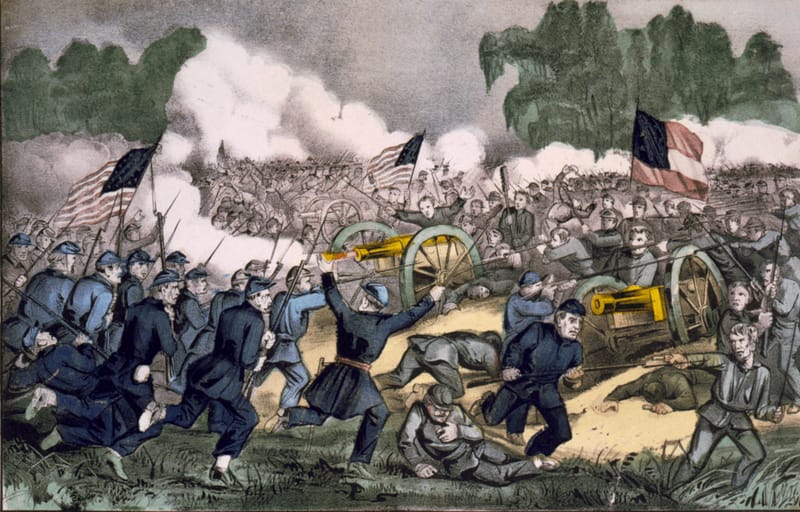
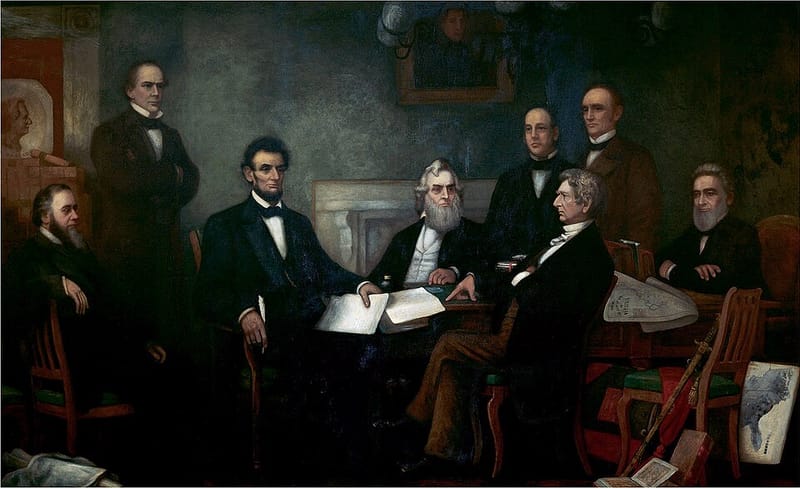
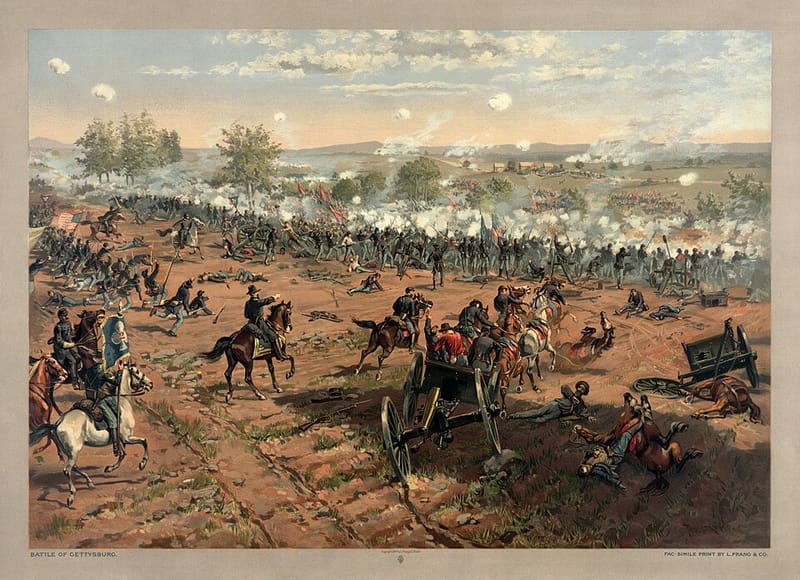
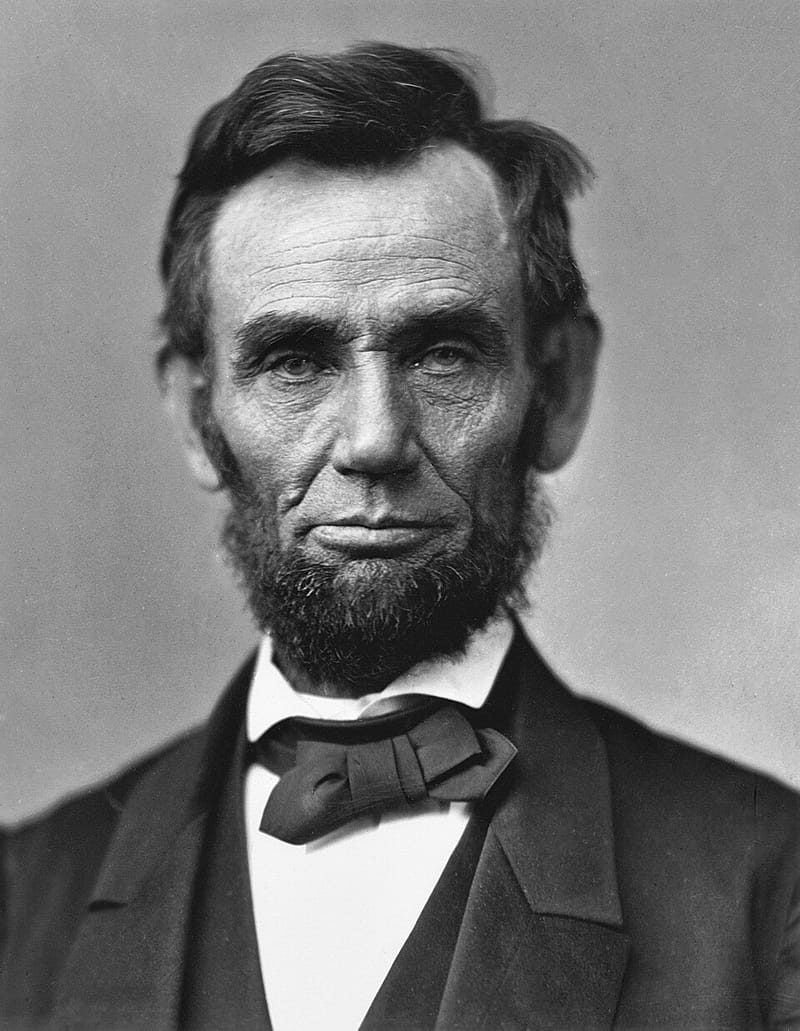
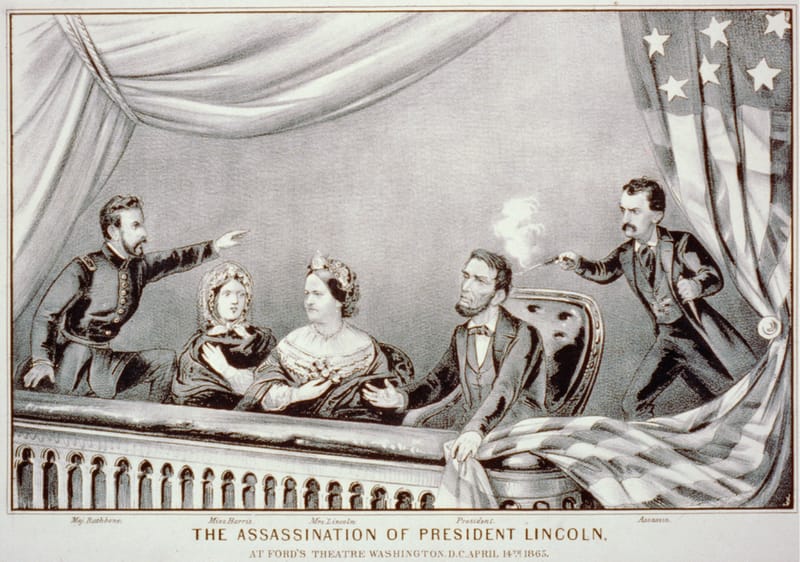
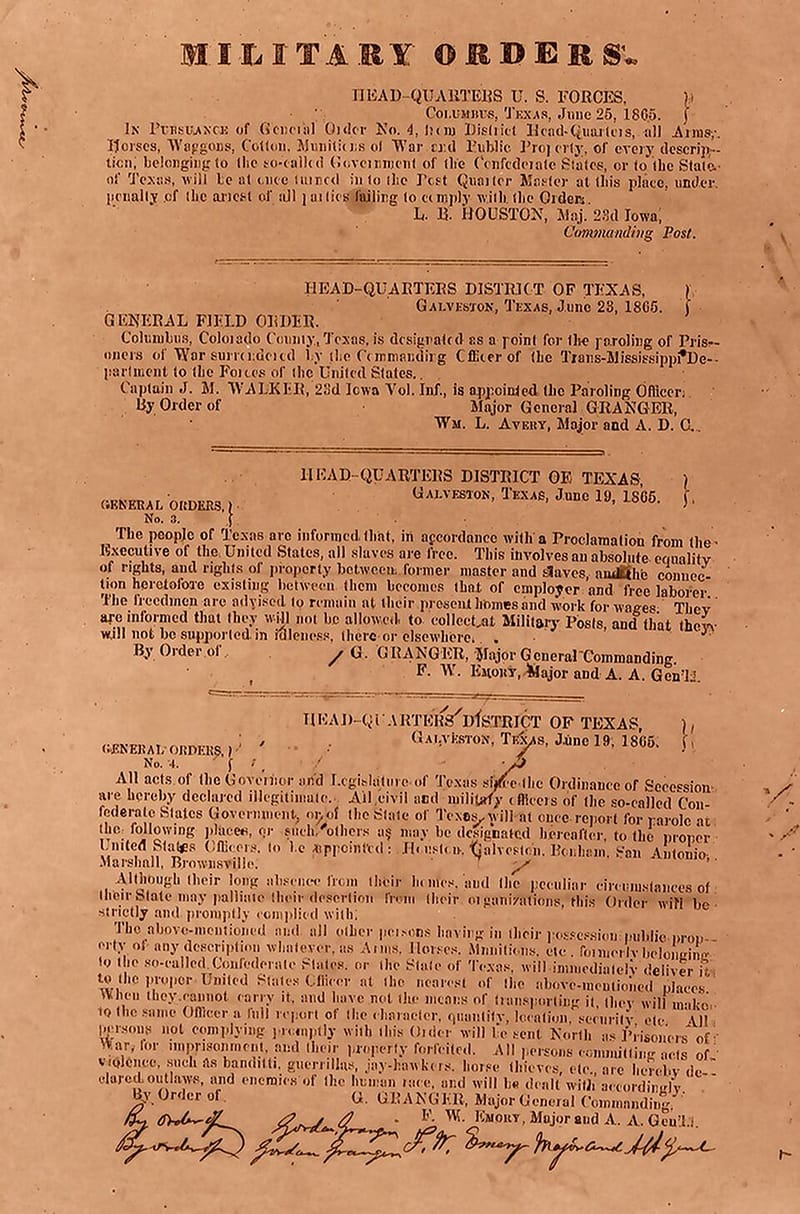
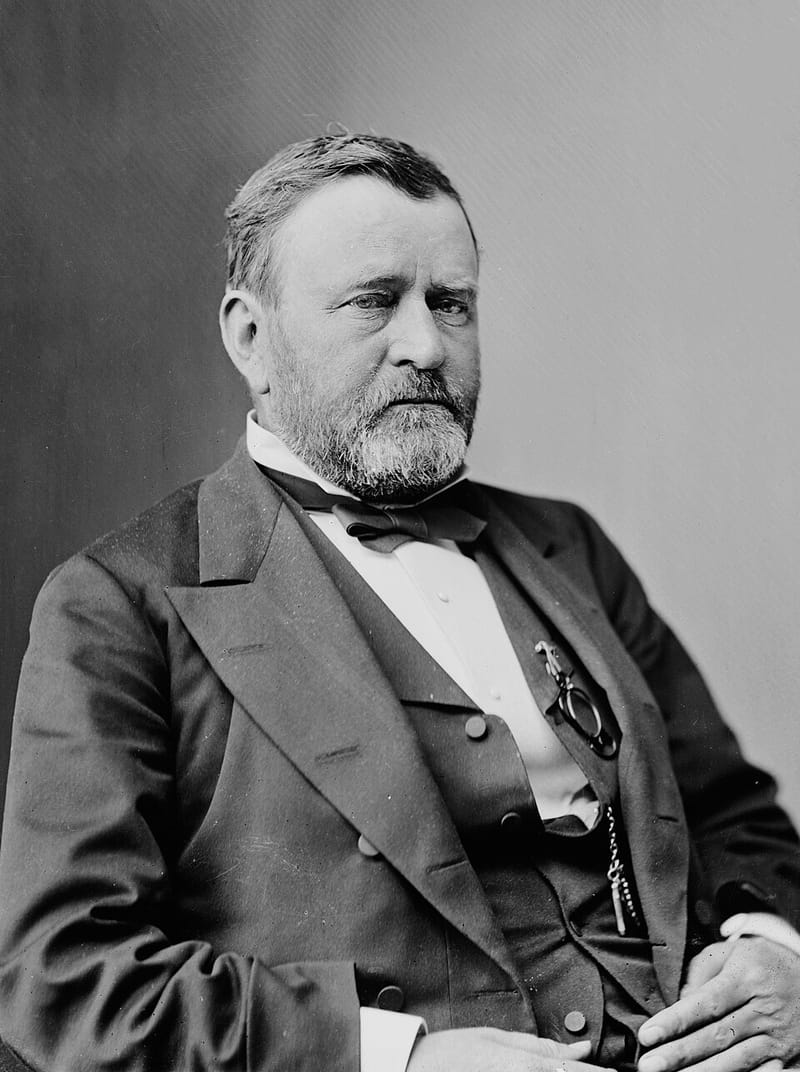
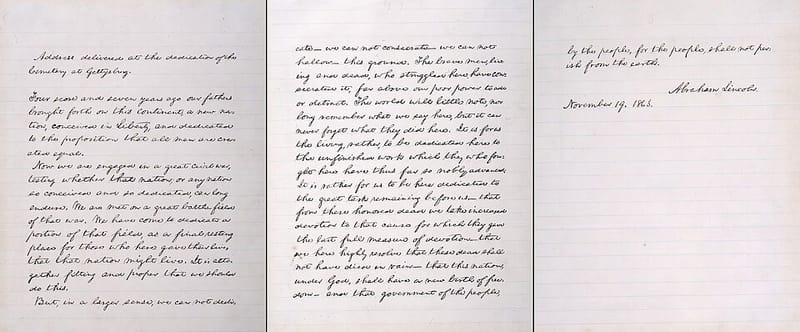
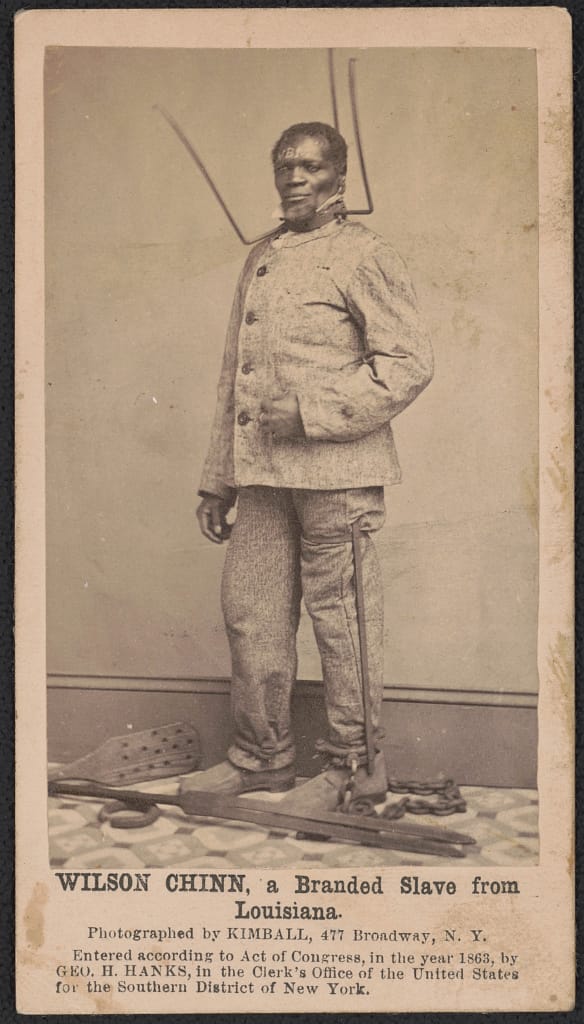
Abraham Lincoln’s election in 1860 led eleven slaveholding states to secede. The Civil War began at Fort Sumter in April 1861 and became the bloodiest conflict in American history. Under pressure from enslaved people who fled to Union lines, from abolitionists, and from the demands of the war, Lincoln issued the Emancipation Proclamation in 1863, and nearly 200,000 Black men served the Union. The Battle of Gettysburg and the fall of Vicksburg in July 1863 turned the tide, and Lincoln’s Gettysburg Address gave the war its purpose: “a new birth of freedom.” Ulysses S. Grant accepted Lee’s surrender in April 1865, days before Lincoln was assassinated.
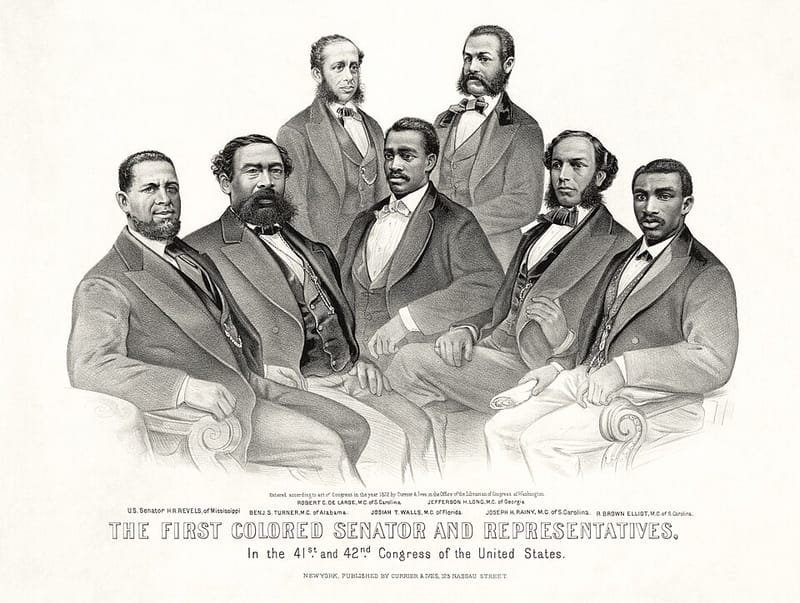
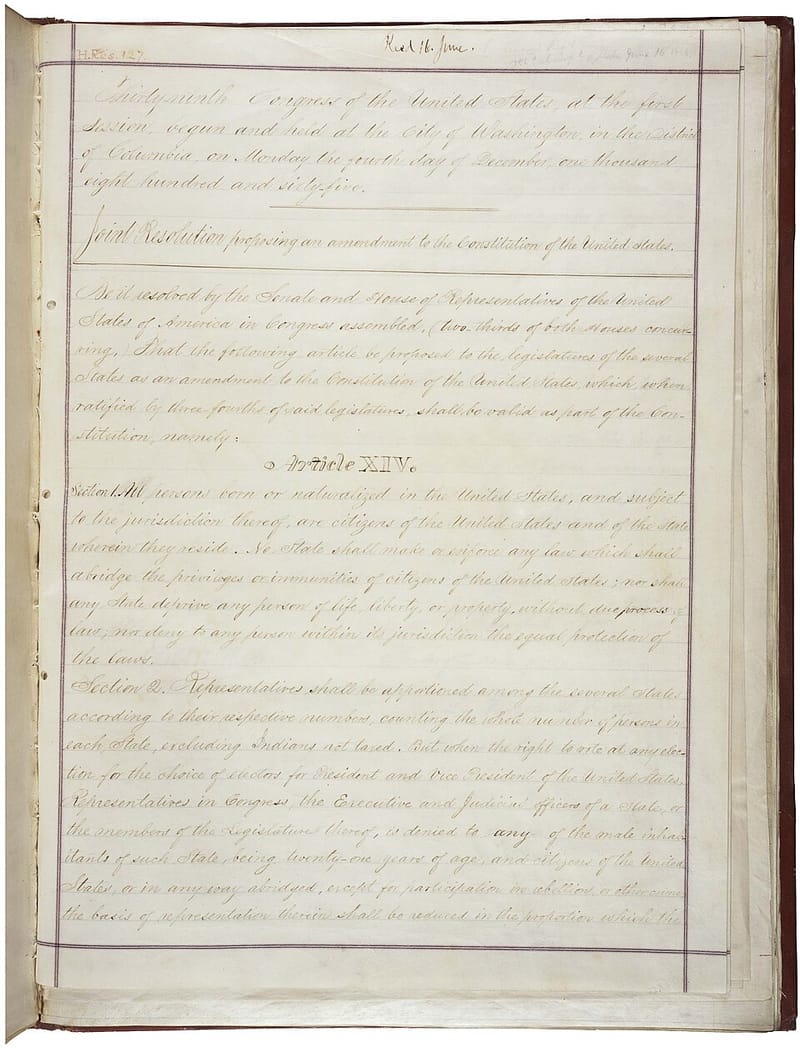
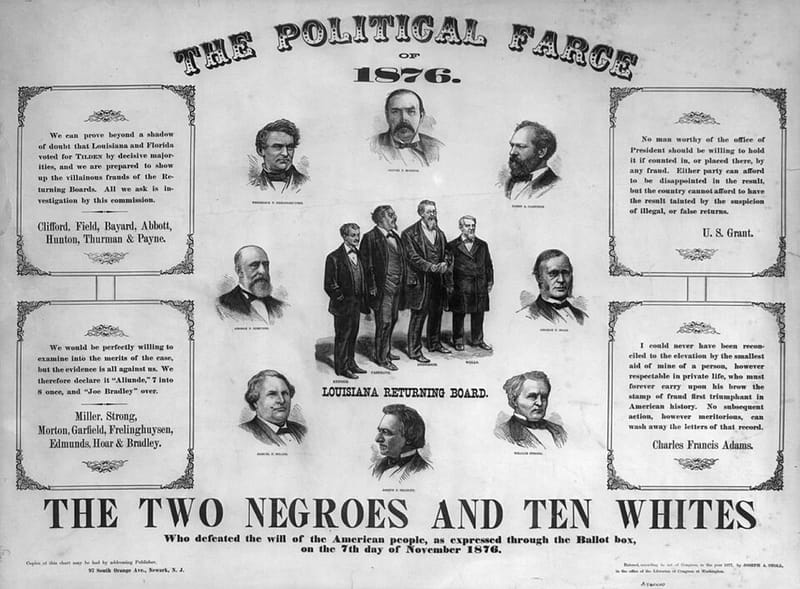
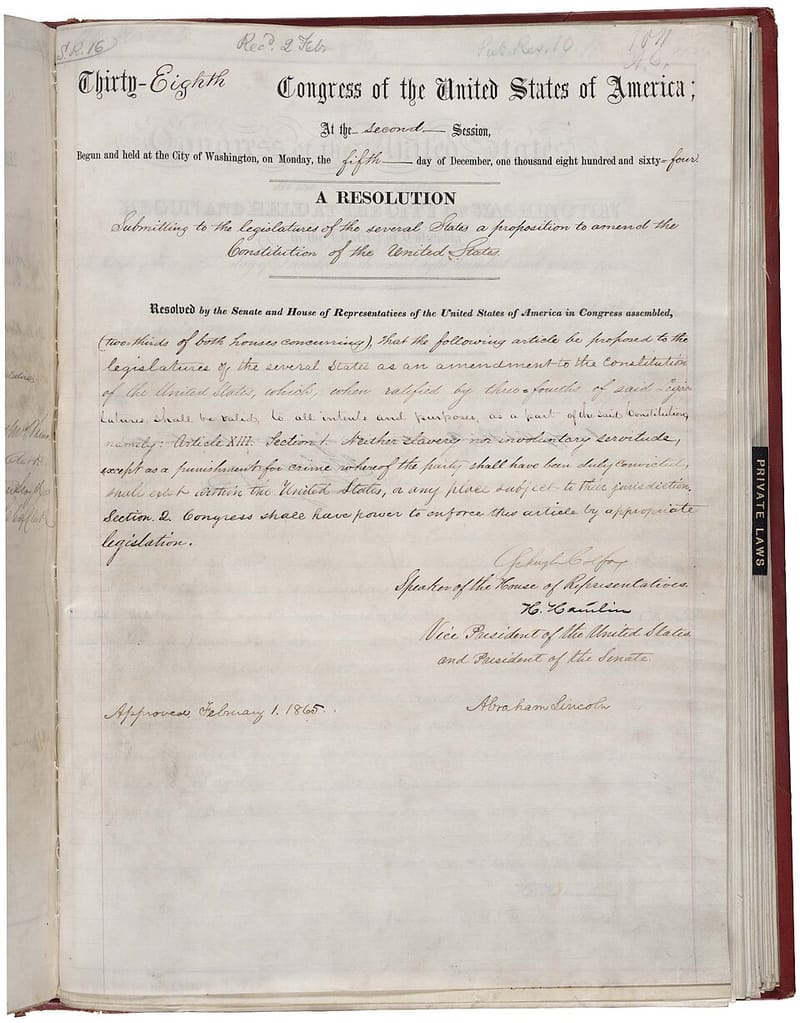
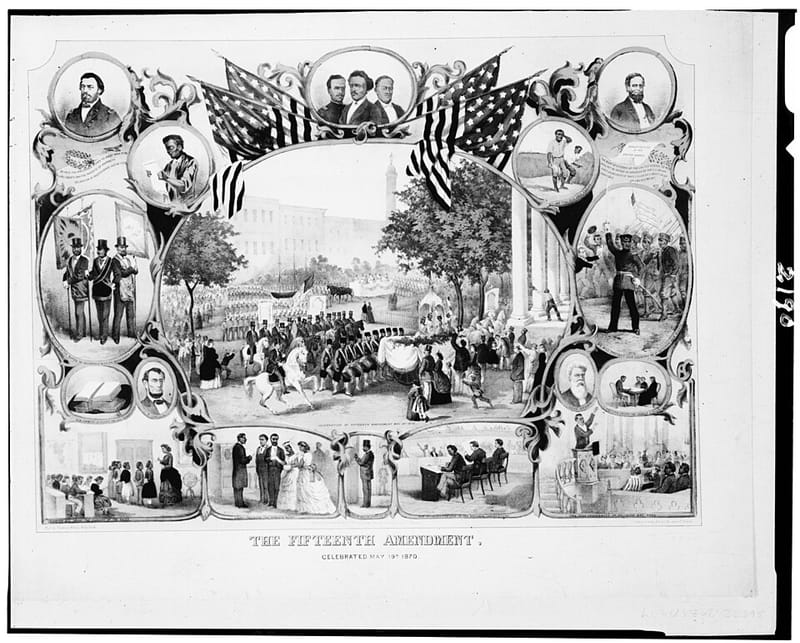
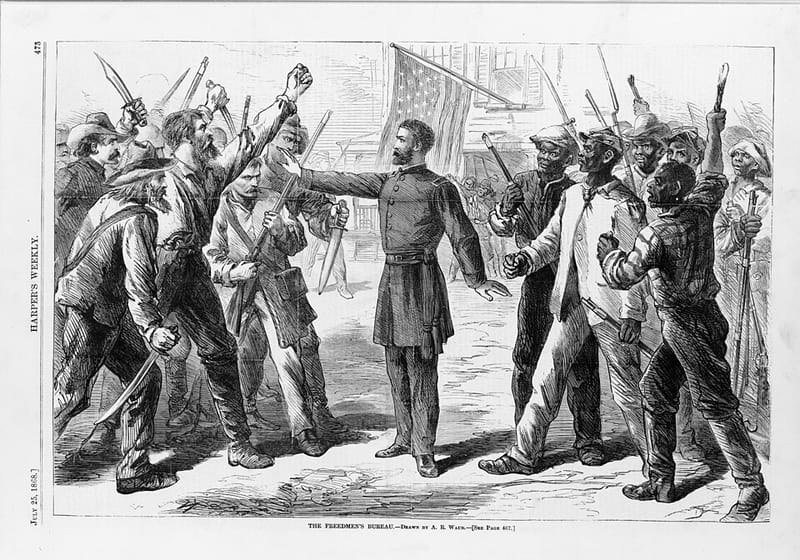
Reconstruction followed. The Thirteenth Amendment abolished slavery; the Fourteenth made formerly enslaved people citizens with equal protection of the laws; the Fifteenth barred racial discrimination in voting. The Freedmen’s Bureau aided the transition to freedom, and Black Southerners built schools and churches and held office. But violent white resistance and fading Northern commitment brought Reconstruction to an end with the settlement of the disputed 1876 election.
Highlights
Events and wars
People
Documents and court cases
Movements, institutions, and ideas
Places
Sources for this overview
- 1861–1865: The Civil War and International Diplomacy — U.S. Department of State, Office of the Historian
- Frequently Asked Questions — National Park Service, Reconstruction Era National Historical Park
- Abraham Lincoln: Life in Brief — Miller Center, University of Virginia
Atlas by Alexander. More on Telegram.