PlaceExpansion and Sectional Conflict
Harpers Ferry
Armory town where John Brown struck at slavery
Harpers Ferry, West Virginia, where the Potomac and Shenandoah Rivers meet
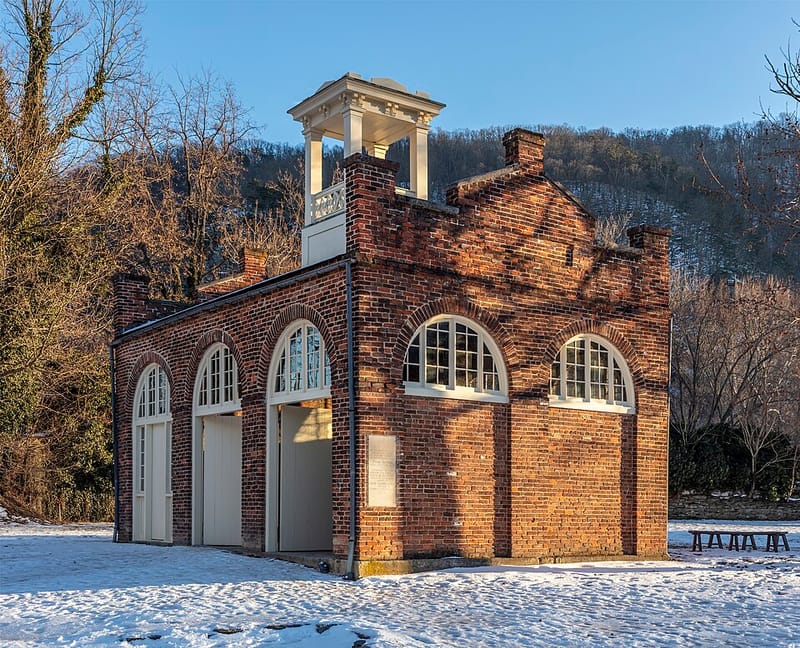
Harpers Ferry, at the meeting of the Potomac and Shenandoah Rivers, was home to a U.S. armory where interchangeable parts were first successfully used in manufacturing. In October 1859 the abolitionist John Brown seized the armory in a failed attempt to spark a slave uprising. During the Civil War it saw the largest surrender of Union troops of the war. After the war it became home to one of the earliest integrated schools in the country.
Key facts
- Location
- Harpers Ferry, West Virginia, where the Potomac and Shenandoah Rivers meet
- Industrial first
- First successful application of interchangeable manufacture, at the U.S. armory
- John Brown’s raid
- October 16–18, 1859
- Civil War
- Site of the largest surrender of Federal troops during the war
- Today
- Harpers Ferry National Historical Park
Why it matters
Harpers Ferry concentrates several stories of nineteenth-century America in one small town: industrial innovation, the violent struggle over slavery, the Civil War, and the beginnings of Black education after emancipation.
About the place
The town sits on steep ground at the junction of the Potomac and Shenandoah Rivers. Its preserved nineteenth-century streets and buildings are part of Harpers Ferry National Historical Park, which also studies the area’s archeological record going back millennia.
History
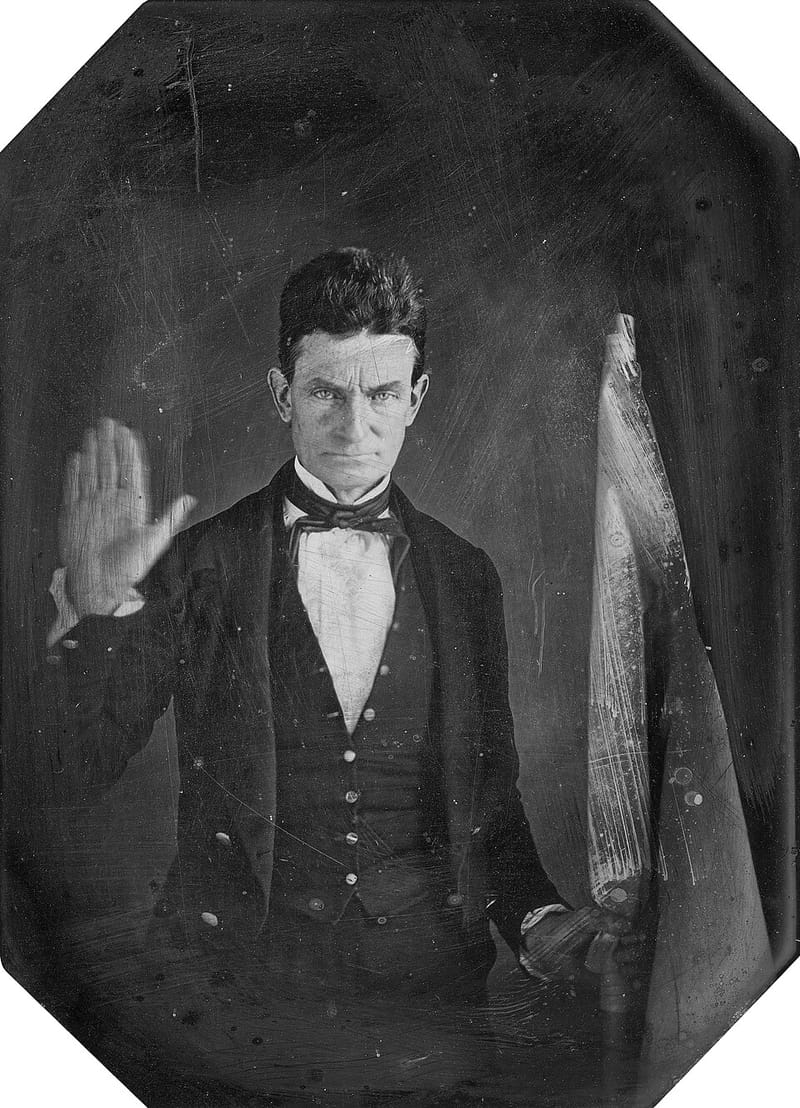
The National Park Service describes Harpers Ferry’s history as multilayered. The U.S. armory there pioneered interchangeable manufacture, and the town was reached by one of the first successful American railroads. On October 16, 1859, John Brown and twenty-one followers seized the armory, arsenal, and rifle factory; within thirty-six hours the raid was crushed and Brown captured by Marines under Robert E. Lee.
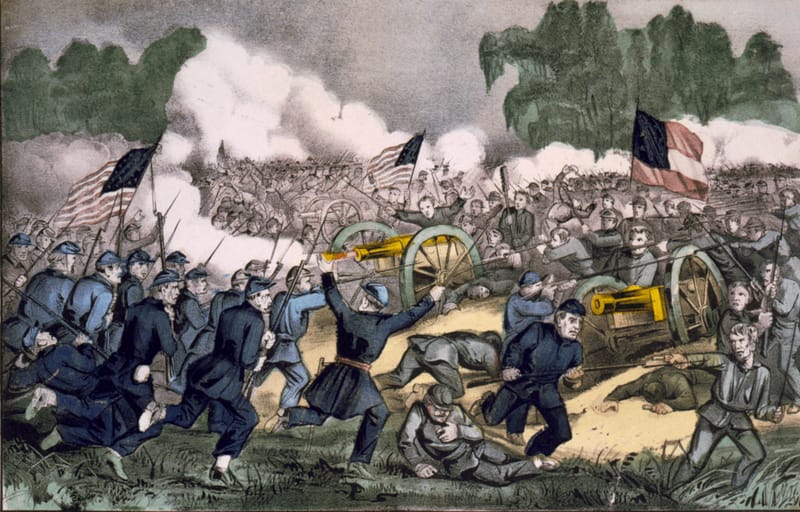
During the Civil War, Harpers Ferry was the site of the largest surrender of Federal troops during the war. After the war, freedpeople were educated in one of the earliest integrated schools in the country.
Study this entry
Check your understanding
Try answering in your own words, then open the answer.
1.What is this place?Show answerHide
The town sits on steep ground at the junction of the Potomac and Shenandoah Rivers. Its preserved nineteenth-century streets and buildings are part of Harpers Ferry National Historical Park, which also studies the area’s archeological record going back millennia.From “About the place” above.
2.What happened here?Show answerHide
The National Park Service describes Harpers Ferry’s history as multilayered. The U.S. armory there pioneered interchangeable manufacture, and the town was reached by one of the first successful American railroads.From “History” above.
Turn this entry into 10 flashcards (key facts, dates, and why it matters) and review them in Learn.
Related History
How this connects to the rest of the atlas.
People

Sources
- 1.Harpers Ferry — History & Culture
National Park Service, Harpers Ferry National Historical Park · Institutional · cited for layers of history at Harpers Ferry
- 2.John Brown
National Park Service · Institutional · cited for life, Kansas, Harpers Ferry raid, trial, execution, last words
Image credits
- John Brown's Fort Harpers Ferry WV1, Acroterion, 2022-01-22. Via Wikimedia Commons · CC BY-SA 4.0 · Source
Written for American History Atlas from the sources above. See how entries are researched.
Atlas by Alexander. More on Telegram.