ConceptRevolution and Independence
Federalism
How power is divided between the national government and the states
Federalism is the division of governing power between a national government and the states. The Constitution gives the federal government specific powers, makes federal law supreme within its sphere, and leaves the rest to the states and the people. Where to draw that line — over slavery, commerce, civil rights, and social welfare — has been one of the most persistent arguments in American history.
Key facts
- Constitutional basis
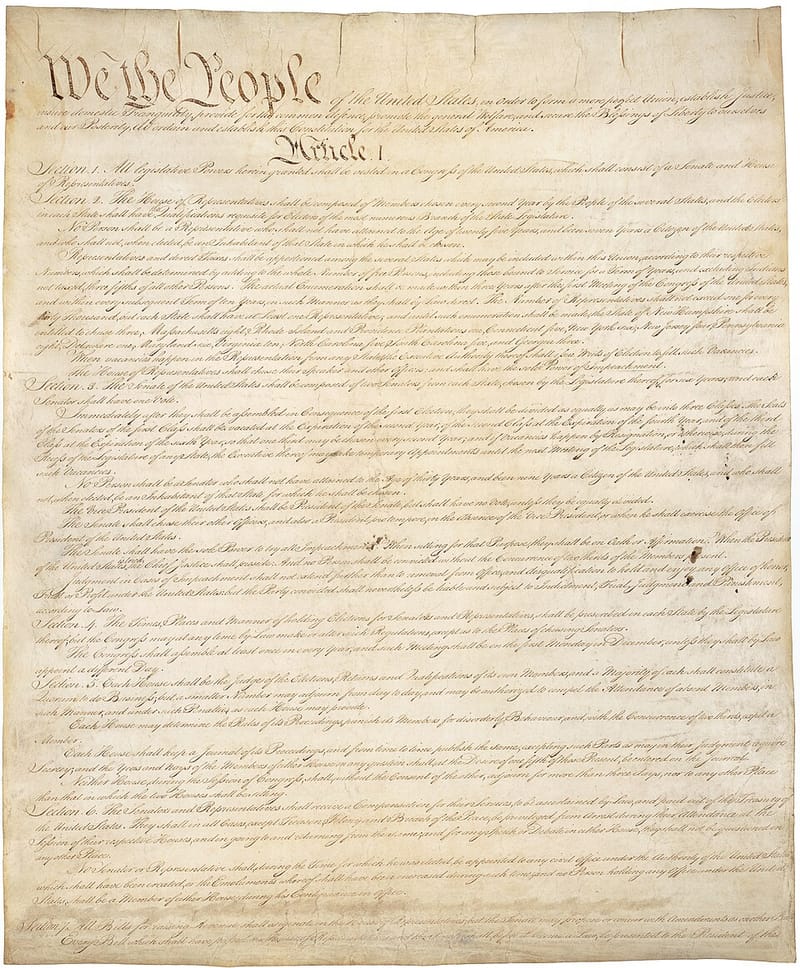
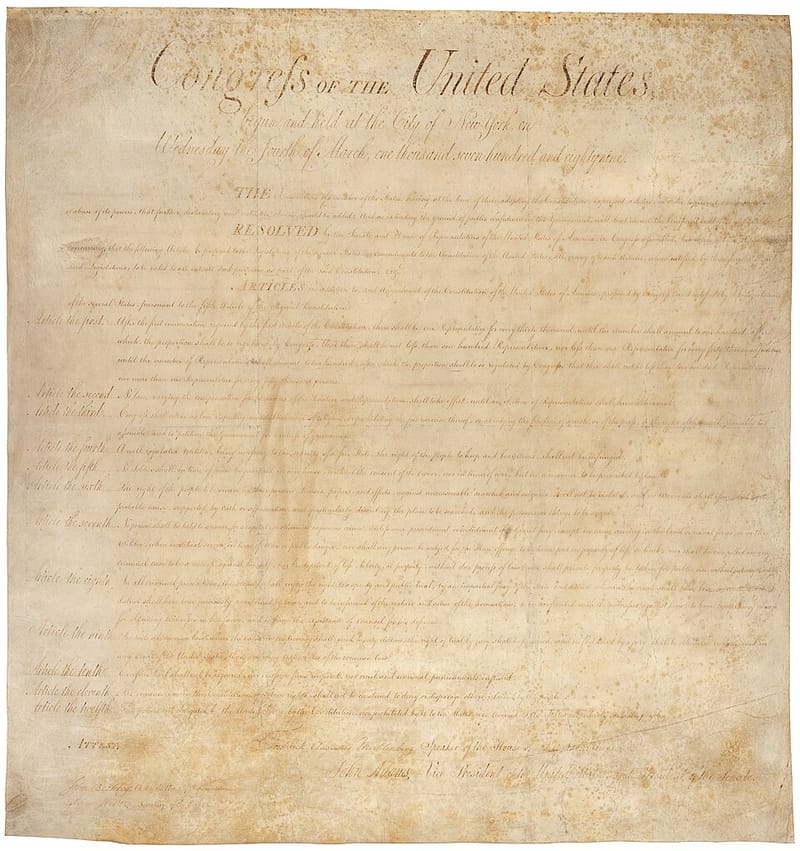
- Enumerated powers (Article I), the supremacy clause (Article VI), and the Tenth Amendment
- Before the Constitution
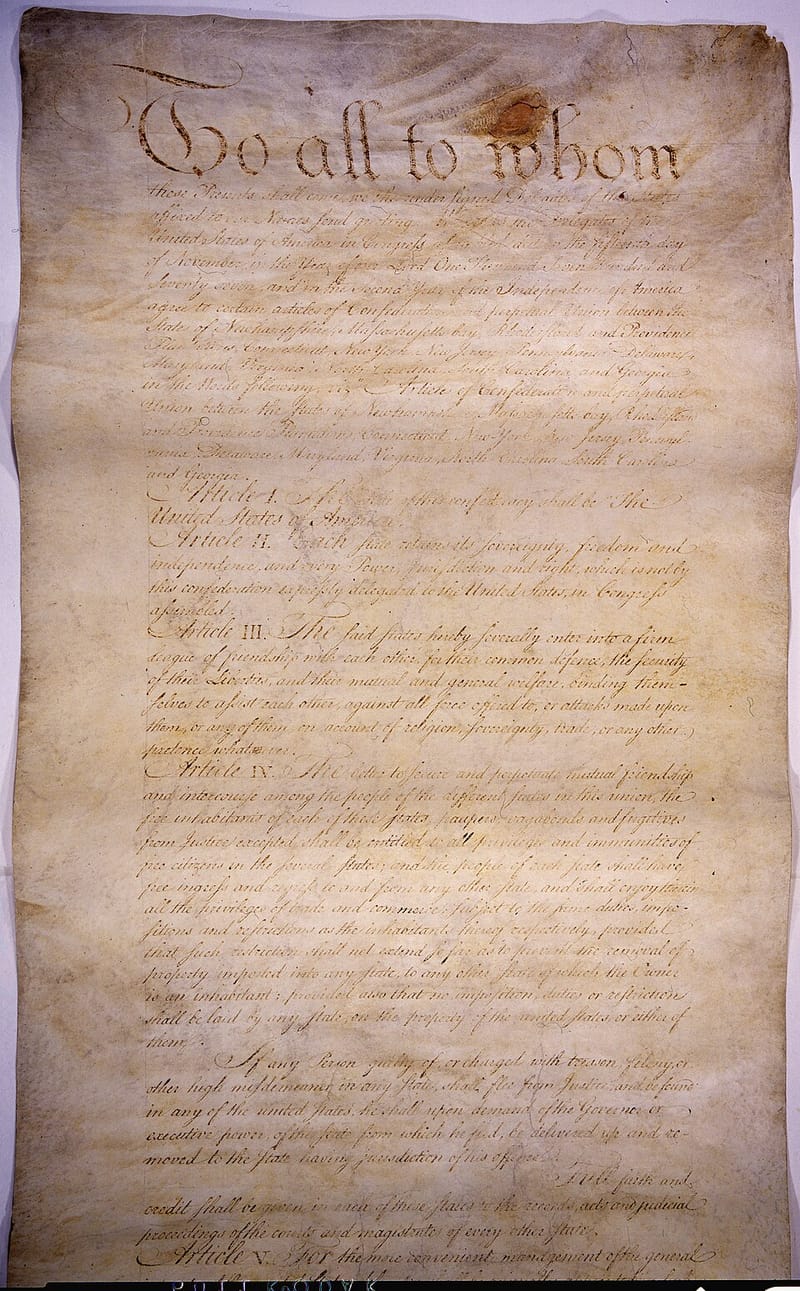
- The Articles of Confederation left the states almost fully sovereign
- Key turning points
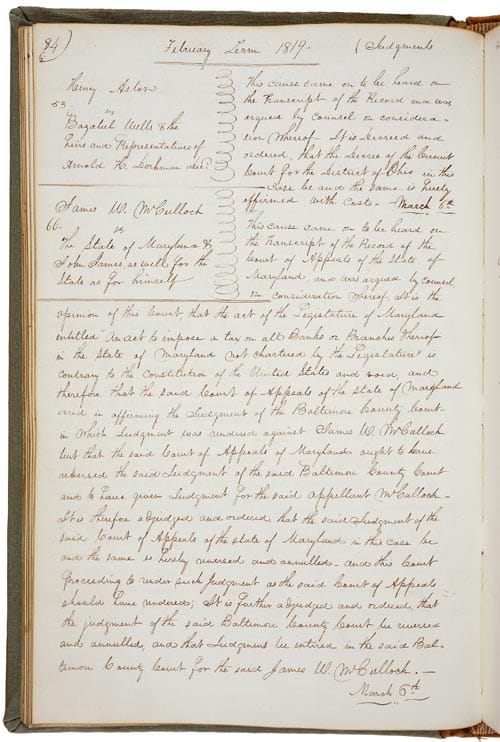
- McCulloch v. Maryland (1819), the Civil War and Reconstruction amendments, the New Deal, the civil rights era
Why it matters
Federalism shapes almost every American political fight, because the question “Which government should decide?” is often as contested as the decision itself. Appeals to states’ rights have defended both local self-government and, at times, slavery and segregation.
Definition
In a federal system, two levels of government each have real authority over the same people. The U.S. Constitution lists the powers of Congress — to tax, regulate interstate and foreign commerce, coin money, make war, and pass laws “necessary and proper” to carry out those powers — and declares the Constitution and federal laws “the supreme Law of the Land.” The Tenth Amendment adds that powers “not delegated to the United States by the Constitution, nor prohibited by it to the States, are reserved to the States respectively, or to the people.”
Historical context
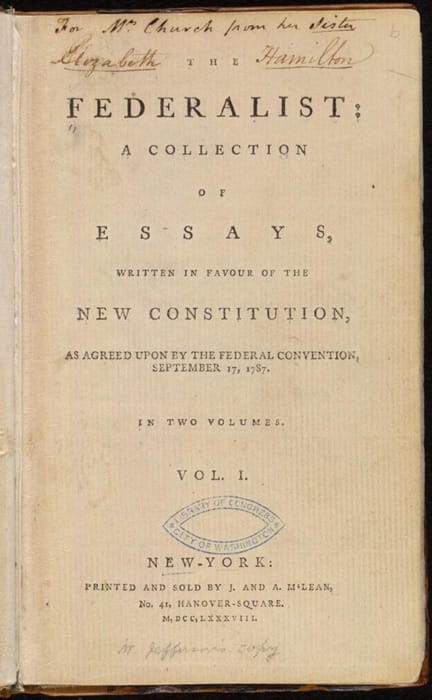
The framers devised federalism as a middle path between the weak league of the Articles of Confederation and a single centralized government. Madison argued that dividing power between two levels, as well as among branches, would give citizens a “double security” for their rights.
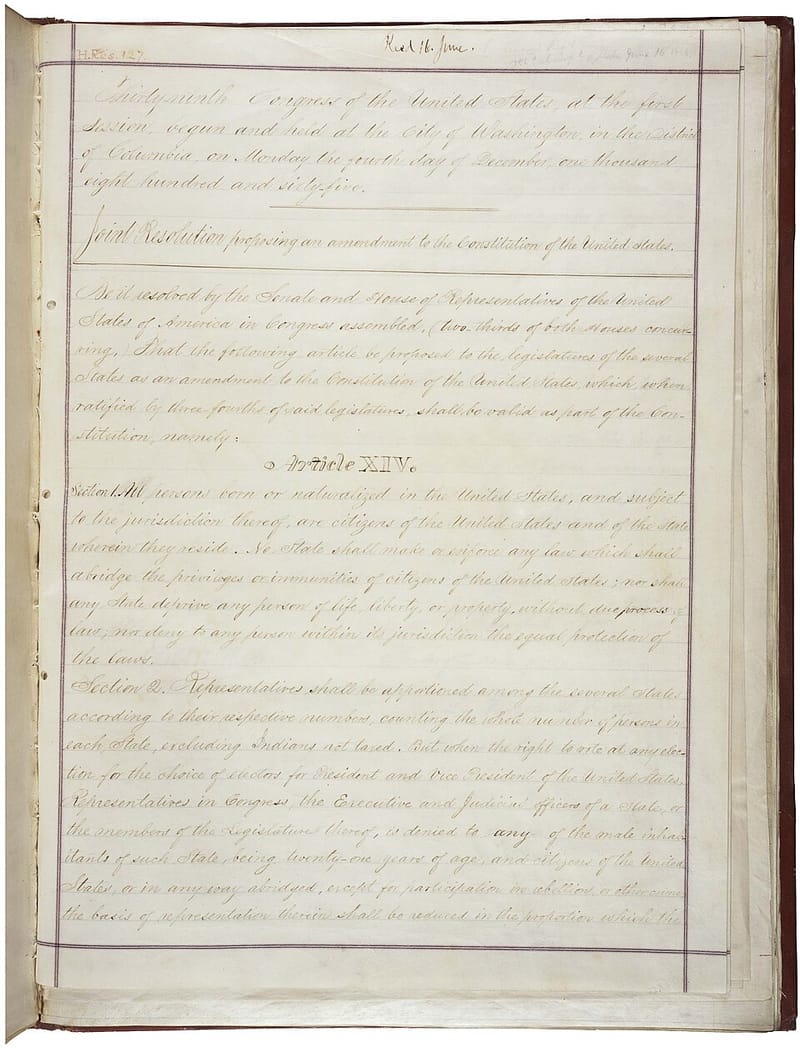
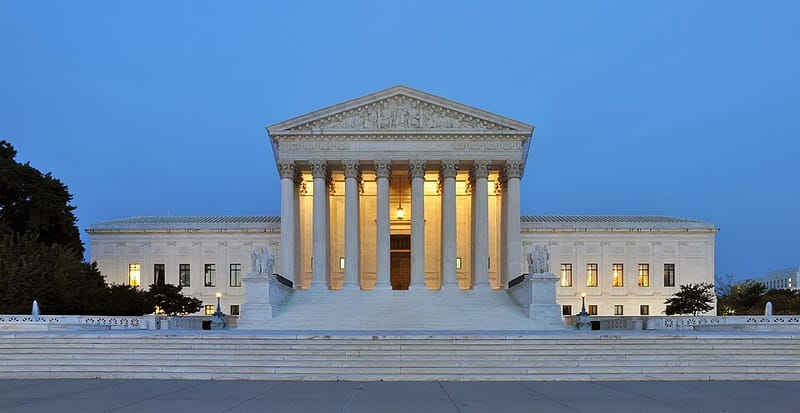
The balance has shifted many times. In McCulloch v. Maryland (1819), the Supreme Court read federal power broadly. Southern leaders invoked states’ rights to protect slavery, and secession in 1860–61 was the most extreme claim of state sovereignty; the Union victory in the Civil War and the Fourteenth Amendment put new limits on what states could do to their citizens. In the twentieth century, the New Deal expanded federal economic regulation, and in the civil rights era federal courts and laws overrode segregationist states that again claimed states’ rights. Debates over federal power continue in areas from health care to elections.
Examples
- States run elections, schools, and most criminal law; the federal government conducts foreign policy, coins money, and regulates interstate commerce.
- In 1957 President Eisenhower sent federal troops to enforce school desegregation at Central High School in Little Rock over the opposition of Arkansas’s governor.
- The Voting Rights Act of 1965 used federal power to protect voting in states that had disenfranchised Black citizens.
Study this entry
Check your understanding
Try answering in your own words, then open the answer.
1.What does “Federalism” mean?Show answerHide
In a federal system, two levels of government each have real authority over the same people.From “Definition” above.
2.Where did the idea come from?Show answerHide
The framers devised federalism as a middle path between the weak league of the Articles of Confederation and a single centralized government. Madison argued that dividing power between two levels, as well as among branches, would give citizens a “double security” for their rights.From “Historical context” above.
3.What are some examples?Show answerHide
- States run elections, schools, and most criminal law; the federal government conducts foreign policy, coins money, and regulates interstate commerce. - In 1957 President Eisenhower sent federal troops to enforce school desegregation at Central High School in Little Rock over the opposition of Arkansas’s governor. - The Voting Rights Act of 1965 used federal power to protect voting in states that had disenfranchised Black citizens.From “Examples” above.
Turn this entry into 8 flashcards (key facts, dates, and why it matters) and review them in Learn.
Related History
How this connects to the rest of the atlas.
Documents
Institutions
Sources
- 1.10th Amendment — Rights Reserved to States or People
National Constitution Center · Institutional · cited for Tenth Amendment text
- 2.The Constitution of the United States: A Transcription
National Archives · Primary source · cited for enumerated powers and supremacy clause
- 3.Articles of Confederation (1777) — Milestone Documents
National Archives · Primary source · cited for state sovereignty under the Articles
- 4.Executive Order 10730: Desegregation of Central High School (1957)
National Archives · Primary source · cited for Little Rock enforcement
Written for American History Atlas from the sources above. See how entries are researched.
Atlas by Alexander. More on Telegram.