PersonIndustrialization and the Gilded Age
Mark Twain
Humorist and novelist who turned American speech into literature
1835–1910
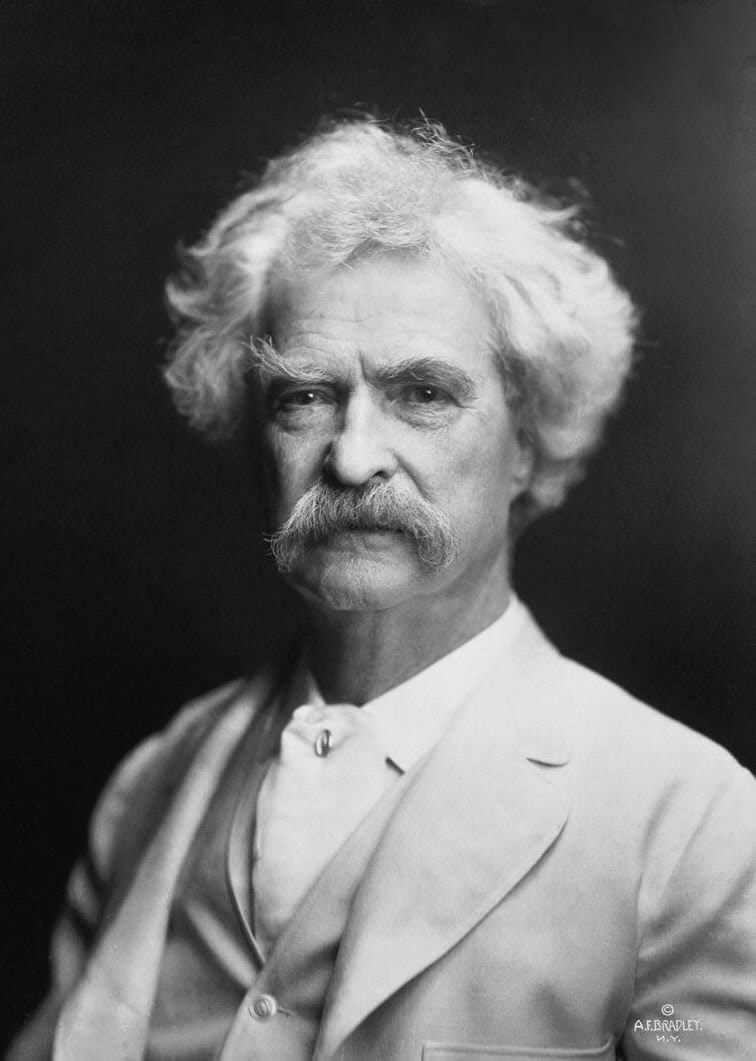
Samuel Clemens grew up in Hannibal, Missouri, on the Mississippi River, worked as a printer, riverboat pilot, and frontier journalist, and as “Mark Twain” became the best-loved American writer of his age. Books such as The Adventures of Tom Sawyer and Adventures of Huckleberry Finn drew on his Missouri boyhood, while The Gilded Age and later works attacked corruption, greed, racism, and imperialism. In his time he was considered the funniest man on earth.
Key facts
- Born
- November 30, 1835, Florida, Missouri
- Died
- April 21, 1910, Redding, Connecticut
- Roles
- Riverboat pilot; Journalist and travel writer; Novelist and humorist; Lecturer; Vice president of the Anti-Imperialist League (1901–1910)
- Pen name
- “Mark Twain,” a riverboat term — first used while writing for a Nevada newspaper
- Hometown
- Hannibal, Missouri, on the Mississippi River
- Major books
- The Innocents Abroad (1869), Tom Sawyer (1876), Life on the Mississippi (1883), Huckleberry Finn (1884)
- Later politics
- Anti-imperialist; vice president of the Anti-Imperialist League, 1901–1910
Why it matters
Mark Twain gave American literature its own voice — vernacular, funny, and morally serious — and his books remain central to how Americans imagine the nineteenth century, including its racism and its greed.
Early life and context
Samuel Clemens was born on November 30, 1835, in Florida, Missouri, the sixth of seven children, and at four moved with his family to Hannibal, a small frontier town on the Mississippi River. Missouri was a slave state: his father owned one enslaved person and his uncle several, and Sam spent boyhood summers on his uncle’s farm, listening in the enslaved people’s quarters to the tall tales and spirituals he loved all his life. His father died in 1847, when Sam was eleven, and he left school to become a printer’s apprentice, setting type and reading the news of the world as he worked.
At eighteen he went east to work on newspapers in New York and Philadelphia; by 1857 he was back on the river, working as a Mississippi riverboat pilot — until the Civil War stopped river traffic in 1861. He joined a volunteer Confederate unit, the Marion Rangers, and quit after two weeks. That July, at the invitation of his brother Orion, newly appointed secretary of the Nevada Territory, he crossed the frontier by stagecoach, hoping to strike it rich in the silver rush. He failed as a prospector and turned to writing for the Territorial Enterprise in Virginia City, where on February 3, 1863, he first signed himself “Mark Twain,” a riverboat term for “the point where safe water becomes dangerous water.”
Major actions and achievements
His comic story about a jumping frog, reprinted in papers across the country in 1865, was his first big break. Sent to report from the Sandwich Islands (Hawaii) in 1866, he came back and launched a career as a stage lecturer. In 1867 he sailed on a steamship tour of Europe and the Holy Land, and his irreverent travel letters became The Innocents Abroad (1869), which made him the best-selling author in the world. On that trip he met Charles Langdon, who reportedly showed him a picture of his sister Olivia; Clemens fell in love at first sight, and they married in 1870.
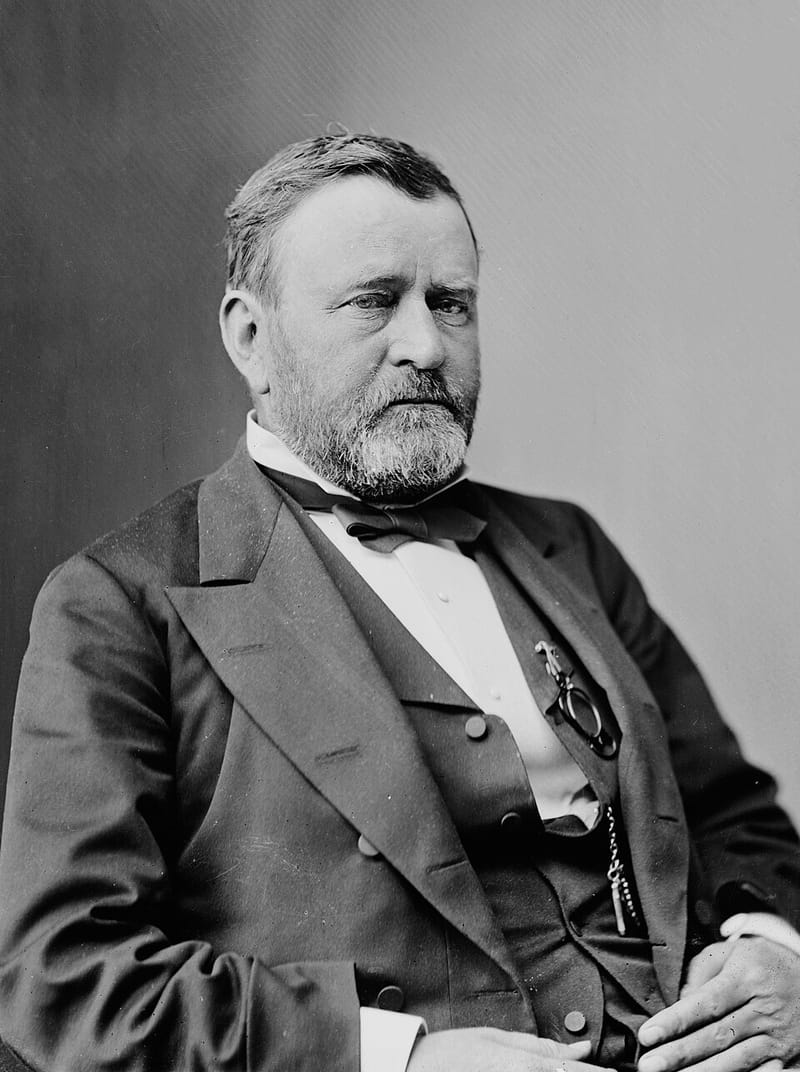
In 1874 the family moved into an elaborate 25-room house in Hartford, Connecticut, that cost $40,000 to $45,000 — just after Twain and Charles Dudley Warner had published The Gilded Age (1873), a satire of political corruption and the national obsession with getting rich. Writing many of his books in summers at his sister-in-law’s farm in Elmira, New York, he produced The Adventures of Tom Sawyer (1876), The Prince and the Pauper (1881), Life on the Mississippi (1883), and A Connecticut Yankee in King Arthur’s Court (1889). Adventures of Huckleberry Finn (1884), his masterpiece, stripped the romance from slavery and, in attacking it, also railed against the failures of Reconstruction and the treatment of African Americans in Twain’s own day. His own publishing company issued it, and then the memoirs of Ulysses S. Grant, which earned large royalties for Grant’s widow.
Beliefs and ideas
Twain used humor as a weapon against hypocrisy, greed, and racism, and he turned the way ordinary Americans actually talked into literature. He was a genius on the lecture stage, using pauses and silence to set up his jokes. Traveling the world in the 1890s, he watched European powers exploit weaker nations, and the Boer War, the Boxer Rebellion, and finally the Spanish-American and Philippine wars turned his anger on his own government. Back in the United States in 1900, he declared himself an anti-imperialist and served as vice president of the Anti-Imperialist League from 1901 until his death. “Supposing is good,” he once wrote, “but finding out is better.”
Controversies, limits, and criticism
Twain grew up in a slaveholding family and briefly served in a Confederate unit. Although he grew rich in Hartford, he kept pouring money into new inventions that failed, and when his publishing company collapsed in 1894 he was bankrupt; he paid back his creditors with a lecture tour around the world. His late attacks on imperialism, including a harshly sarcastic public introduction of Winston Churchill in 1900, led some to call him a traitor, and several of his darker works went unpublished in his lifetime — because magazines would not take them or because he feared for his reputation.
Legacy
Twain’s last years were marked by grief. His son Langdon had died as a toddler; his daughter Susy died of meningitis in 1896, his wife, Livy, in 1904, and his youngest daughter, Jean, in 1909. Twain died four months after Jean, on April 21, 1910, at his last home, Stormfield, in Redding, Connecticut. He is remembered as one of the greatest writers in American history, and his books remain a window into the nineteenth century — slavery, the frontier, the river, the Gilded Age — written by an eyewitness who, in the words of the Ken Burns documentary, could claim with some justification, “I am not an American, I am the American.”
Study this entry
Check your understanding
Try answering in your own words, then open the answer.
1.What shaped Mark Twain early in life?Show answerHide
Samuel Clemens was born on November 30, 1835, in Florida, Missouri, the sixth of seven children, and at four moved with his family to Hannibal, a small frontier town on the Mississippi River.From “Early life and context” above.
2.What were Mark Twain’s major achievements?Show answerHide
His comic story about a jumping frog, reprinted in papers across the country in 1865, was his first big break. Sent to report from the Sandwich Islands (Hawaii) in 1866, he came back and launched a career as a stage lecturer.From “Major actions and achievements” above.
3.What criticism or controversy surrounds Mark Twain?Show answerHide
Twain grew up in a slaveholding family and briefly served in a Confederate unit. Although he grew rich in Hartford, he kept pouring money into new inventions that failed, and when his publishing company collapsed in 1894 he was bankrupt; he paid back his creditors with a lecture tour around the world.From “Controversies, limits, and criticism” above.
4.How is Mark Twain remembered?Show answerHide
Twain’s last years were marked by grief. His son Langdon had died as a toddler; his daughter Susy died of meningitis in 1896, his wife, Livy, in 1904, and his youngest daughter, Jean, in 1909.From “Legacy” above.
Turn this entry into 10 flashcards (key facts, dates, and why it matters) and review them in Learn.
Related History
How this connects to the rest of the atlas.
Events

Sources
- 1.Biography of Mark Twain
The Mark Twain House & Museum · Institutional · cited for life, career, books, finances, anti-imperialism
- 2.Mark Twain (a film by Ken Burns)
PBS · Reference · cited for pen name, humor and social criticism, reputation
Image credits
- Mark Twain by AF Bradley, A.F. Bradley, New York, 1907. Via Wikimedia Commons · Public domain · Source
Written for American History Atlas from the sources above. See how entries are researched.
Atlas by Alexander. More on Telegram.