Period 8 · 1877–1900
Industrialization and the Gilded Age
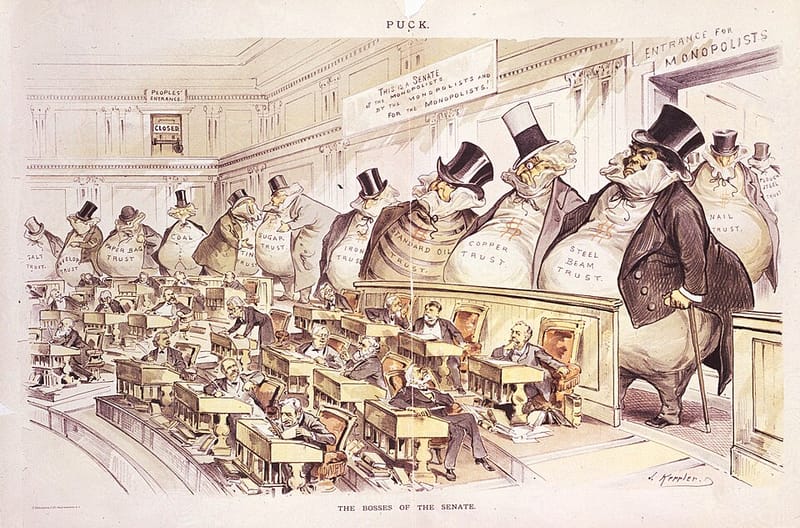
Between the end of Reconstruction and 1900, the United States became an industrial giant. Railroads, steel, and oil created vast fortunes; millions of immigrants filled growing cities; workers and farmers organized against corporate power; Native nations lost most of their remaining land; and Jim Crow took hold in the South.
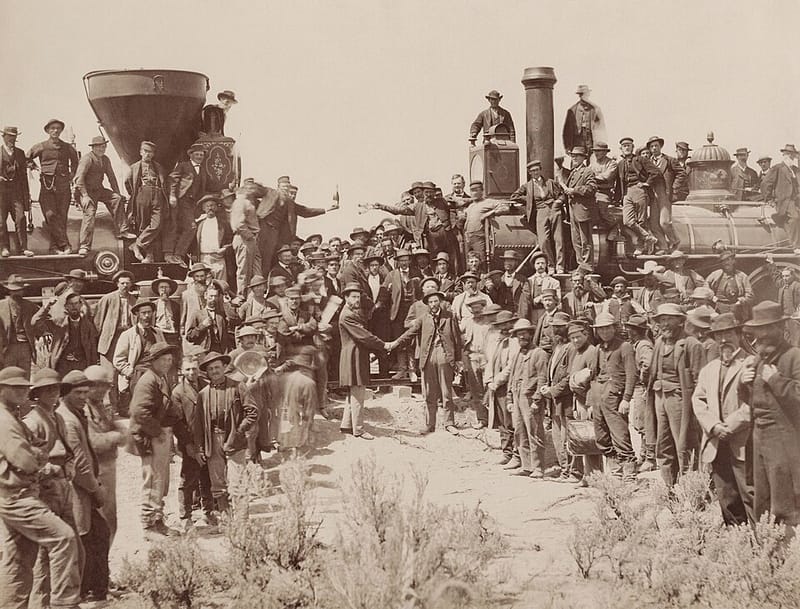
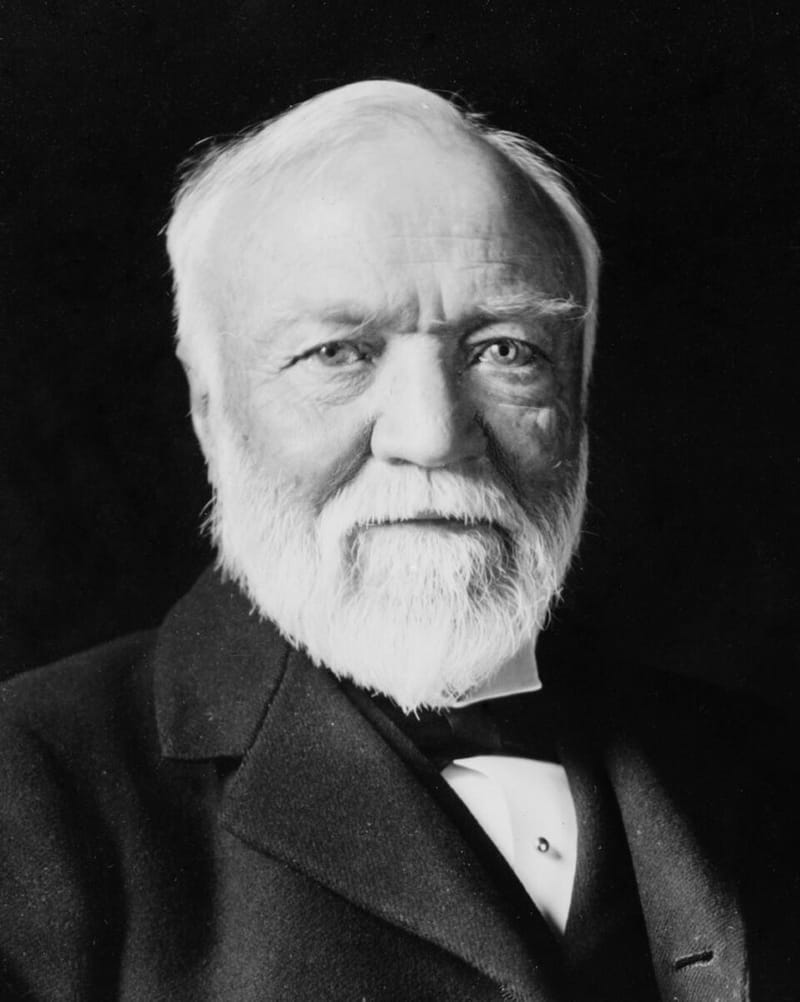
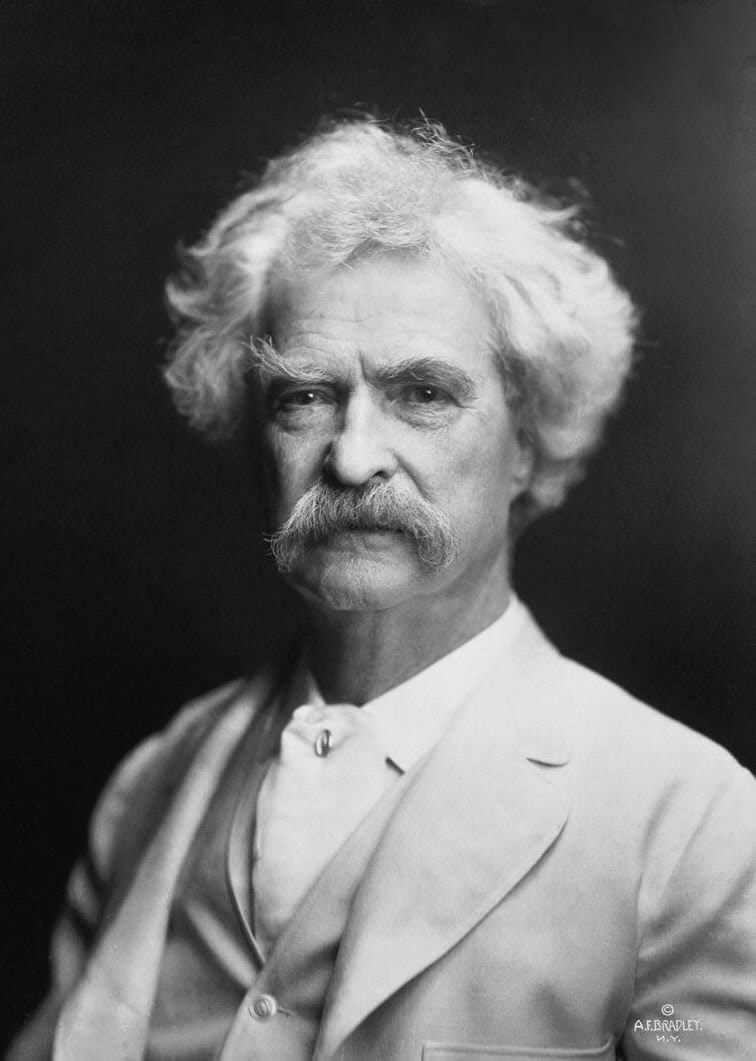
The transcontinental railroad (1869) and a national rail network built a continental economy. Industrialists such as Andrew Carnegie consolidated industries into giant corporations, and Mark Twain gave the era its name: the Gilded Age, glittering on the surface but corrupt and unequal beneath.
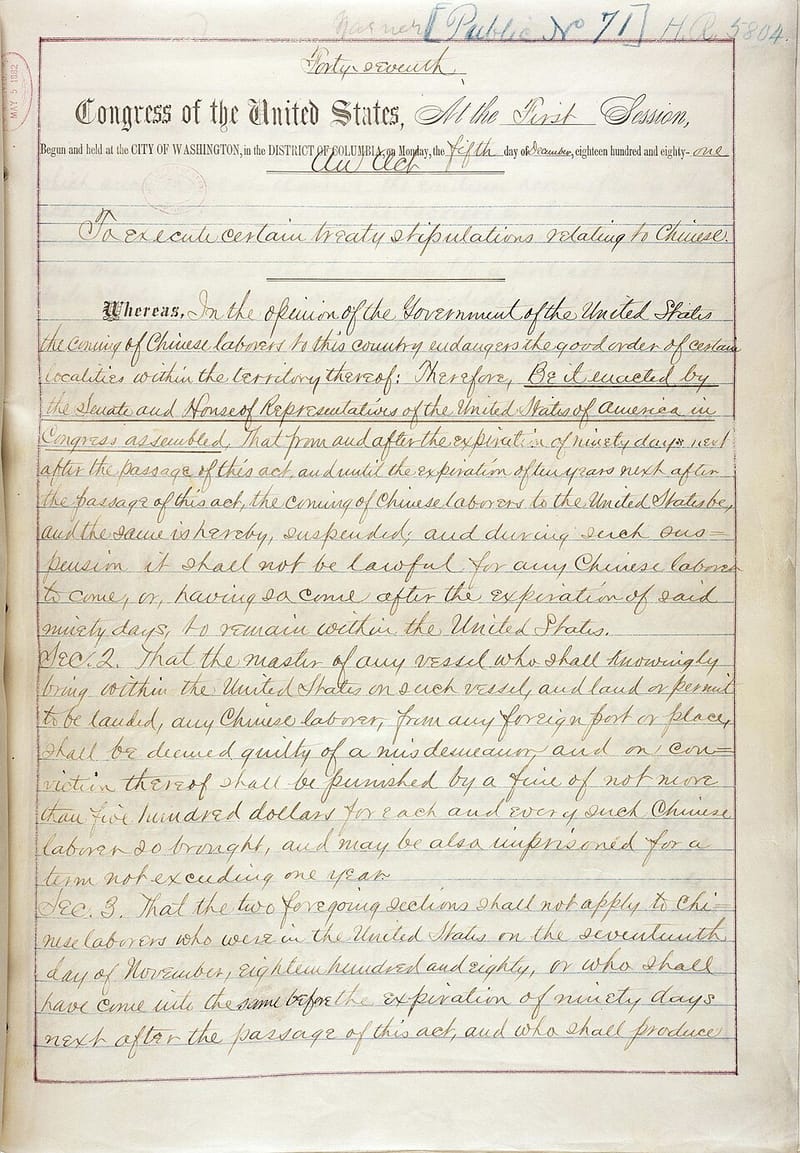
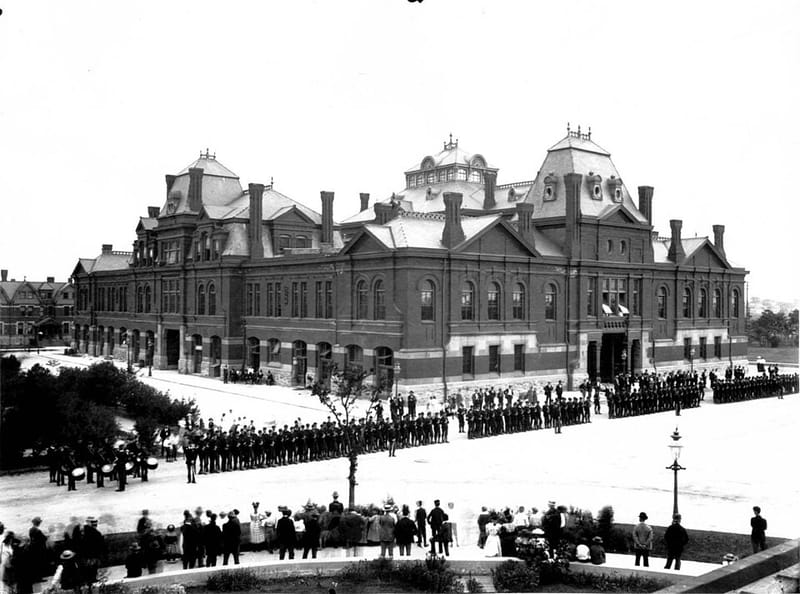
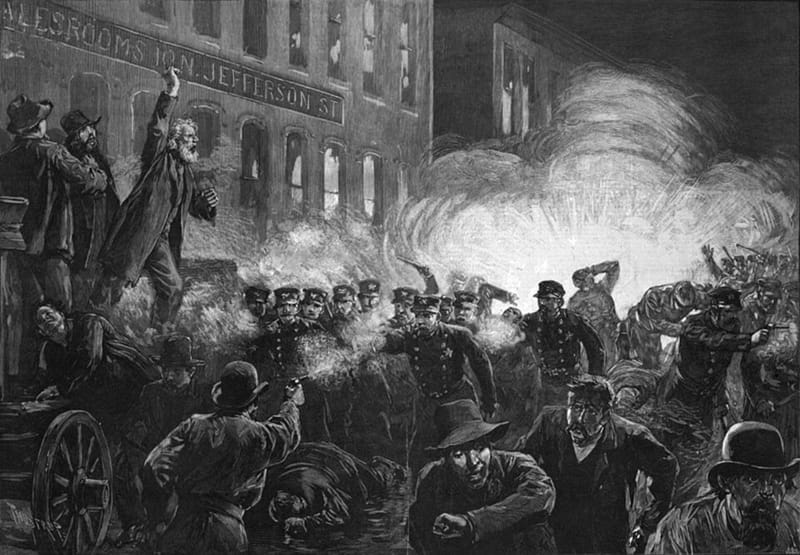
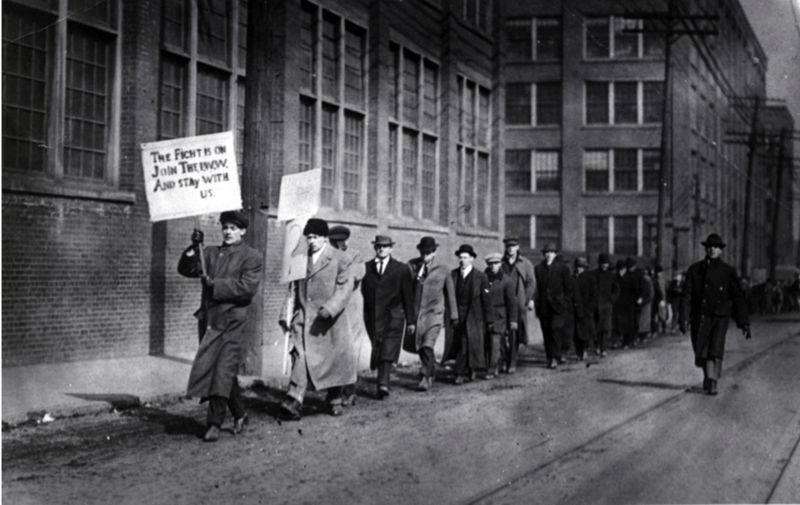
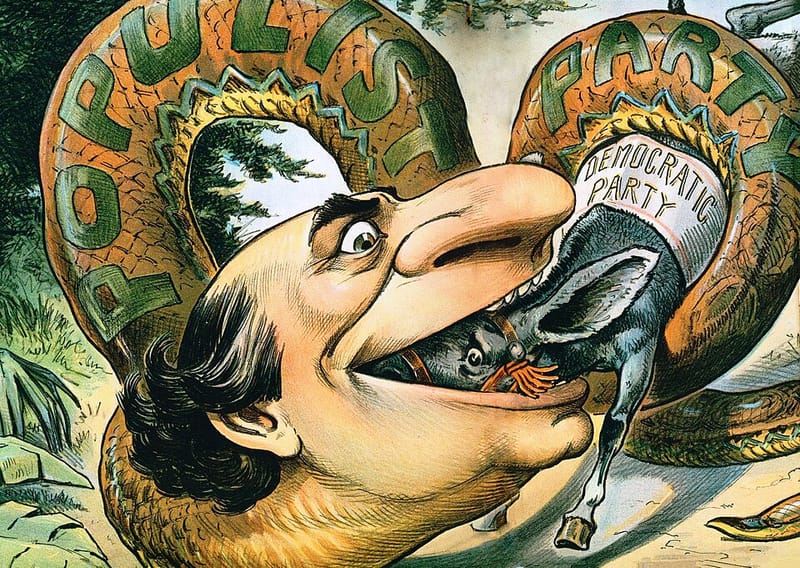
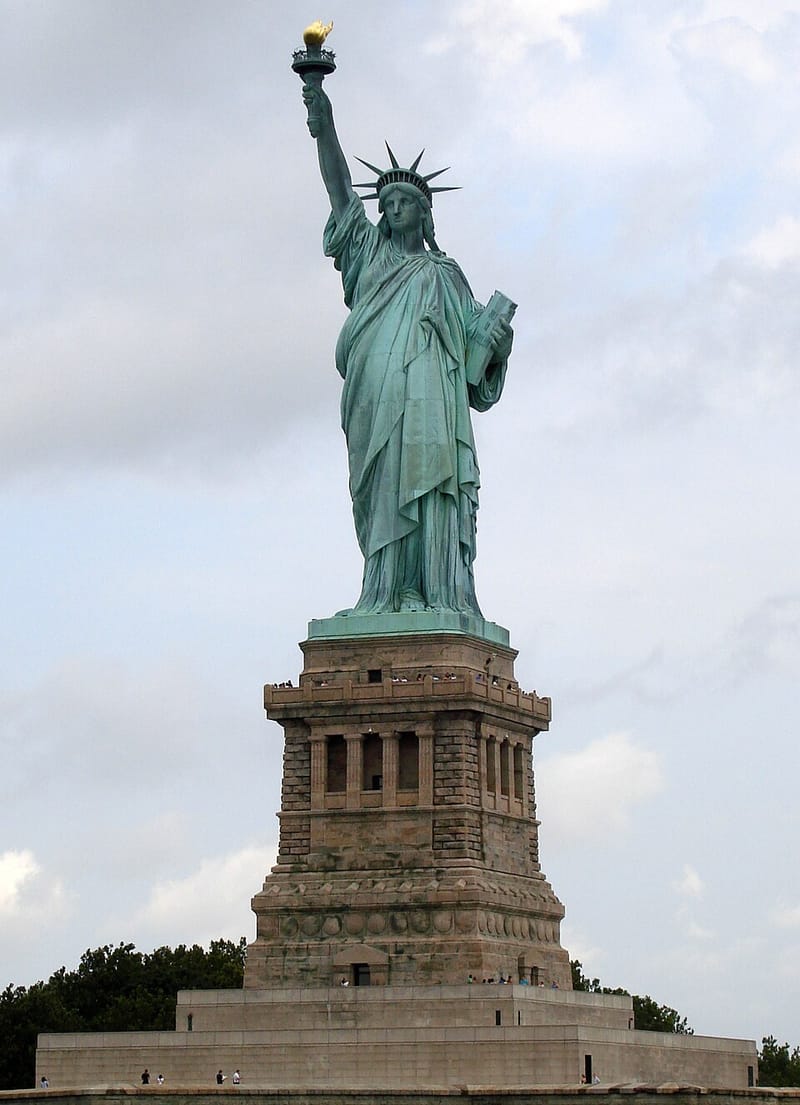
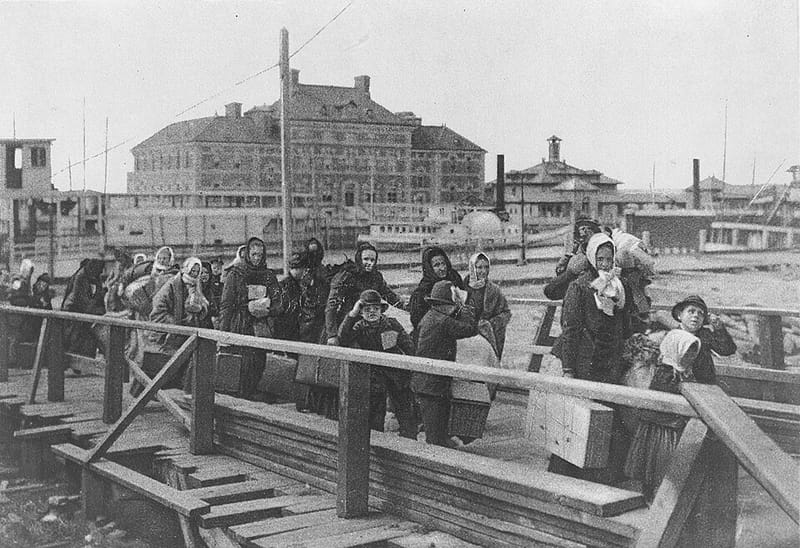
Millions of immigrants arrived, many through Ellis Island, while the Chinese Exclusion Act (1882) barred Chinese laborers. Workers built a labor movement, but the Haymarket affair, Homestead, and the Pullman strike showed how forcefully employers and government could crush it. Farmers revolted through the People’s Party.
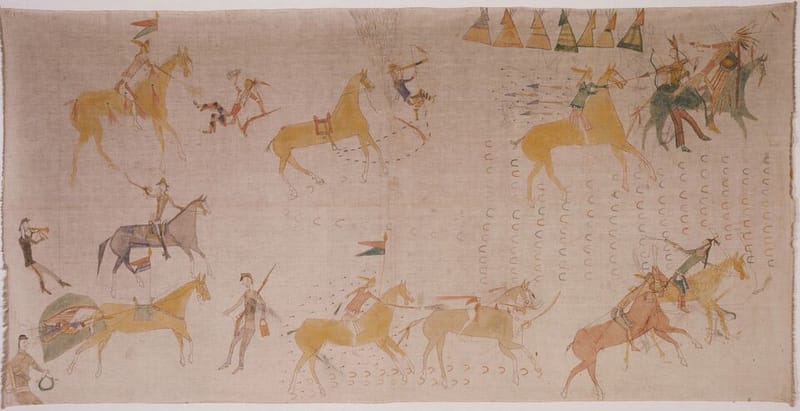
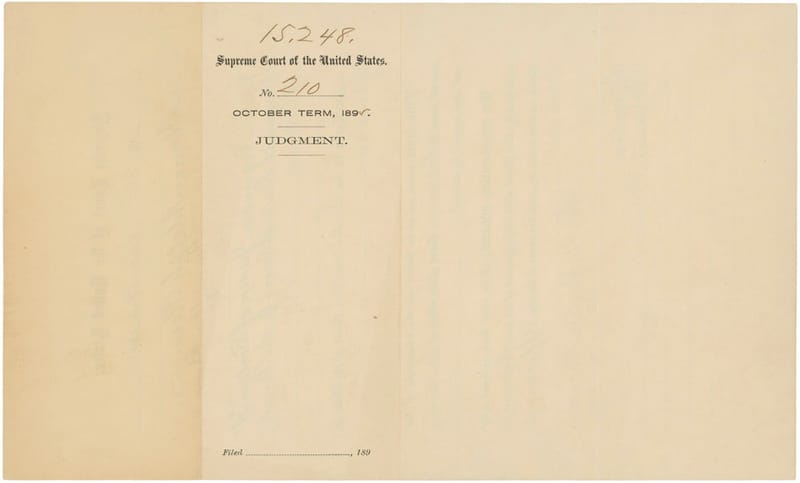
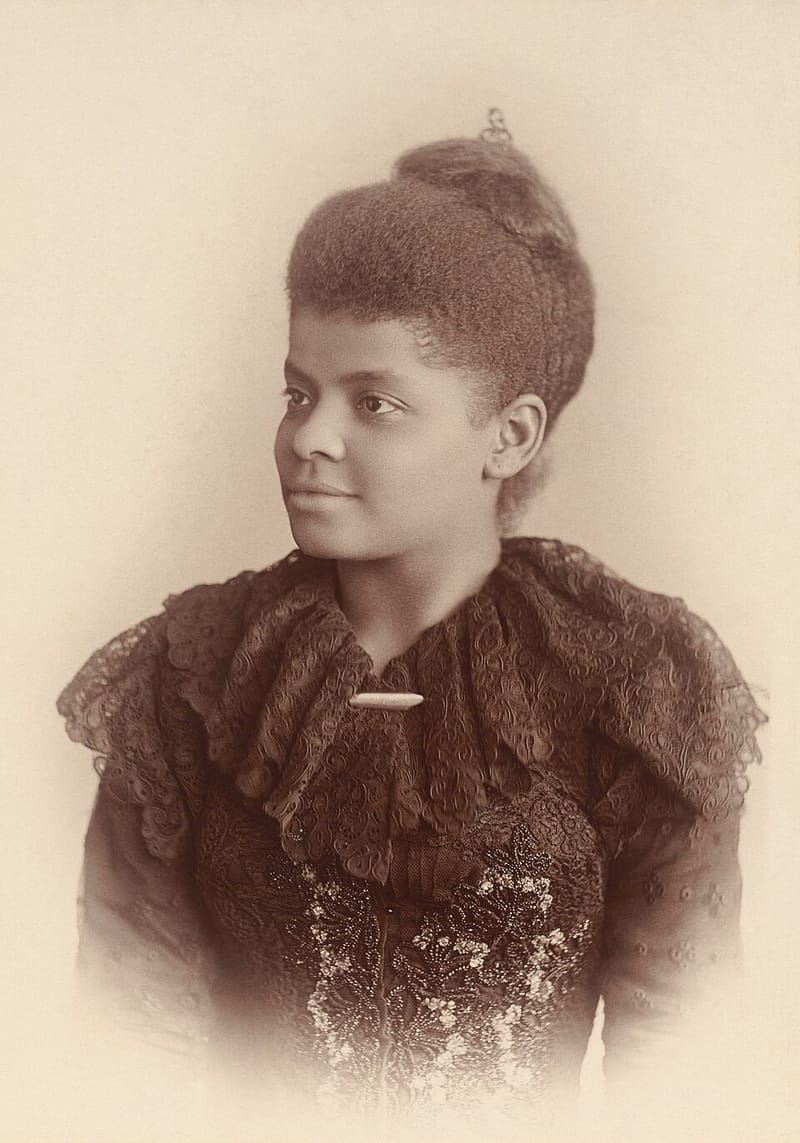
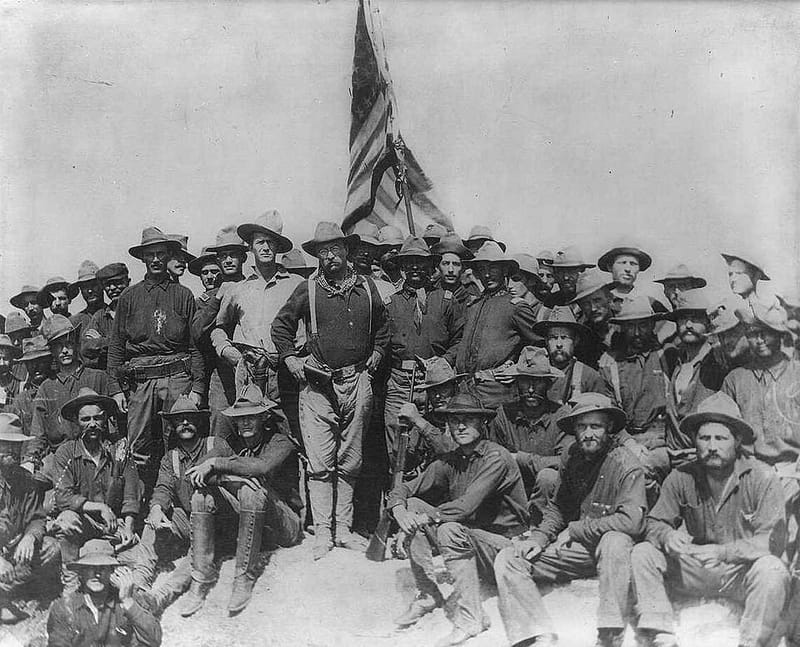
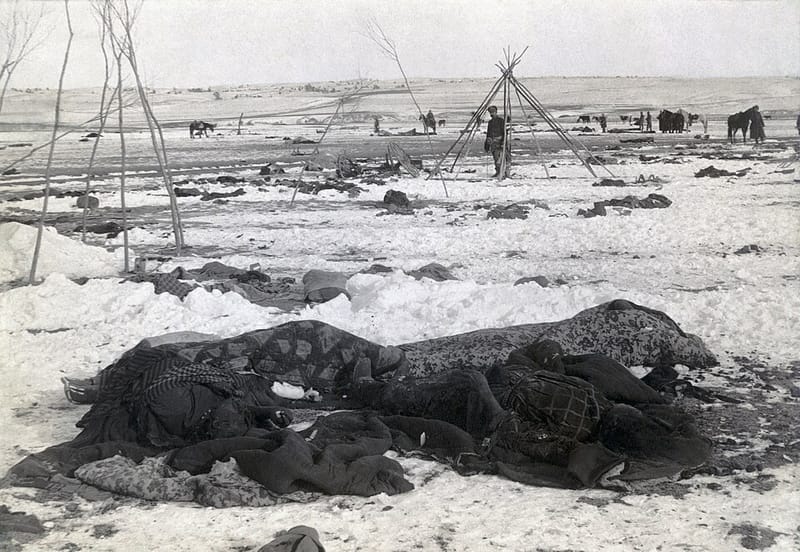
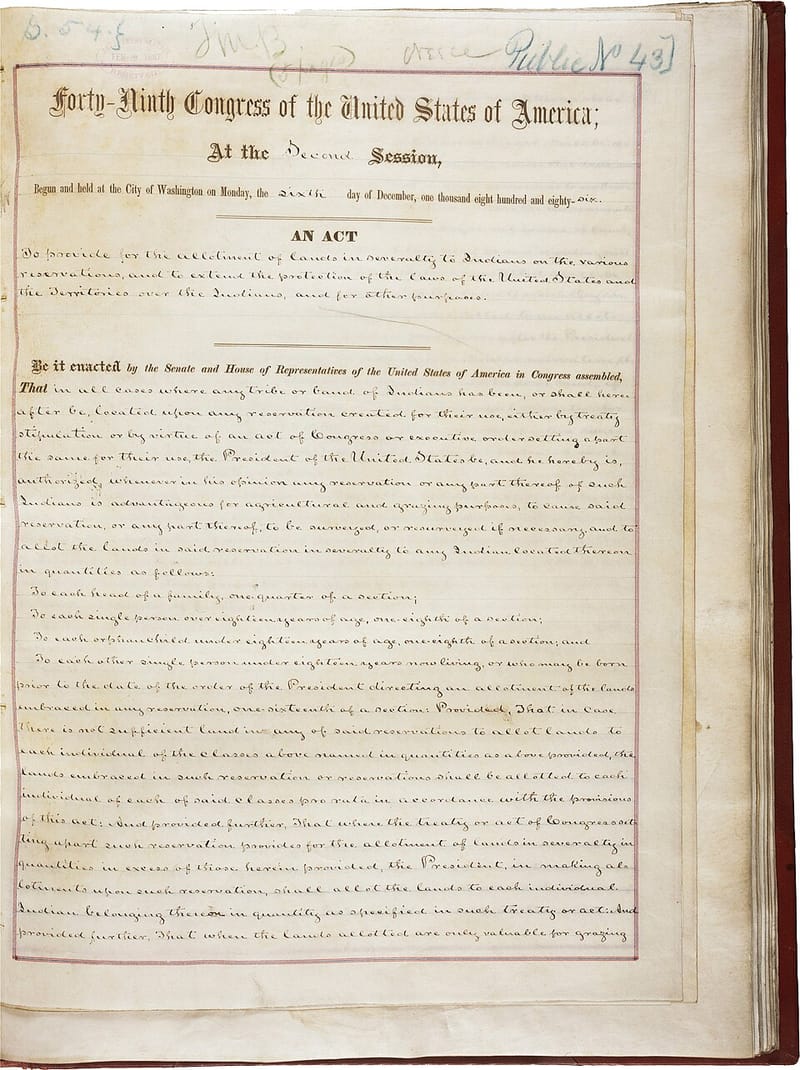
In the West, the army fought the Plains nations; the Lakota and Cheyenne destroyed Custer’s command at the Little Bighorn in 1876, but Sitting Bull eventually surrendered, the Dawes Act broke up tribal lands, and the Wounded Knee massacre (1890) ended armed resistance. In the South, segregation and disenfranchisement spread, approved by the Supreme Court in Plessy v. Ferguson (1896) — and challenged by Ida B. Wells and others. The era closed with the Spanish-American War, which made the United States an overseas empire.
Highlights
Events and wars
People
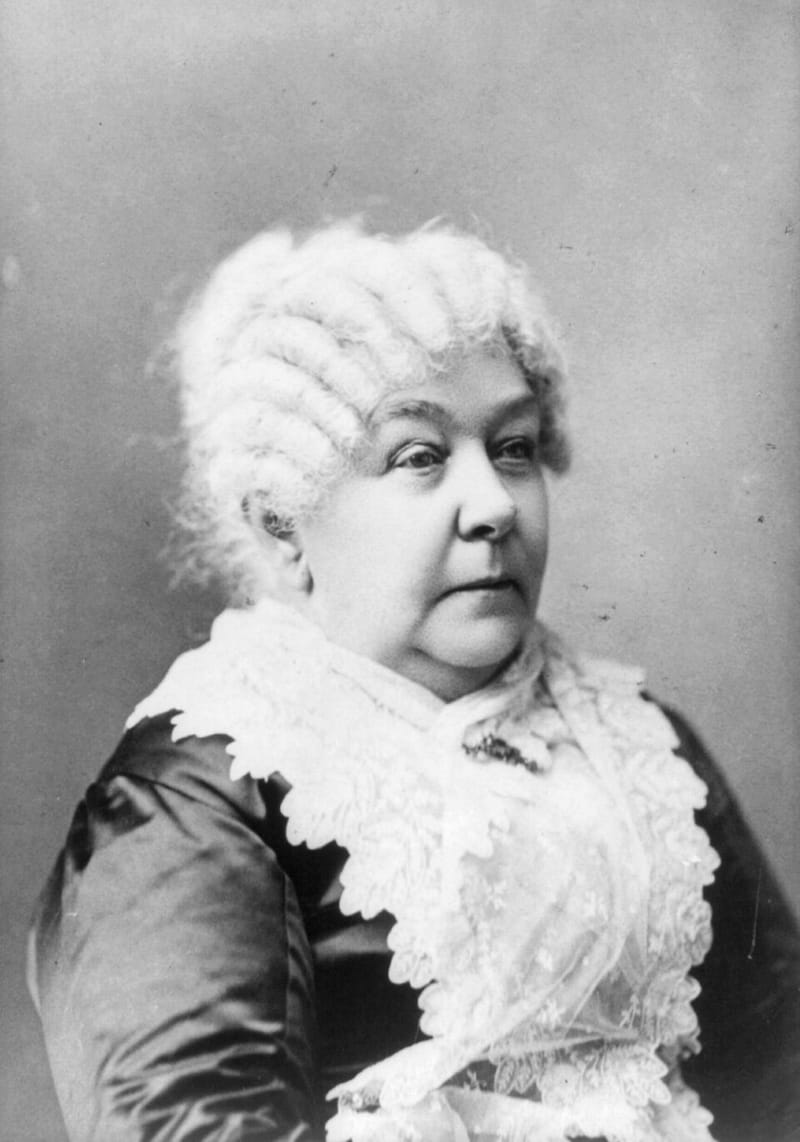
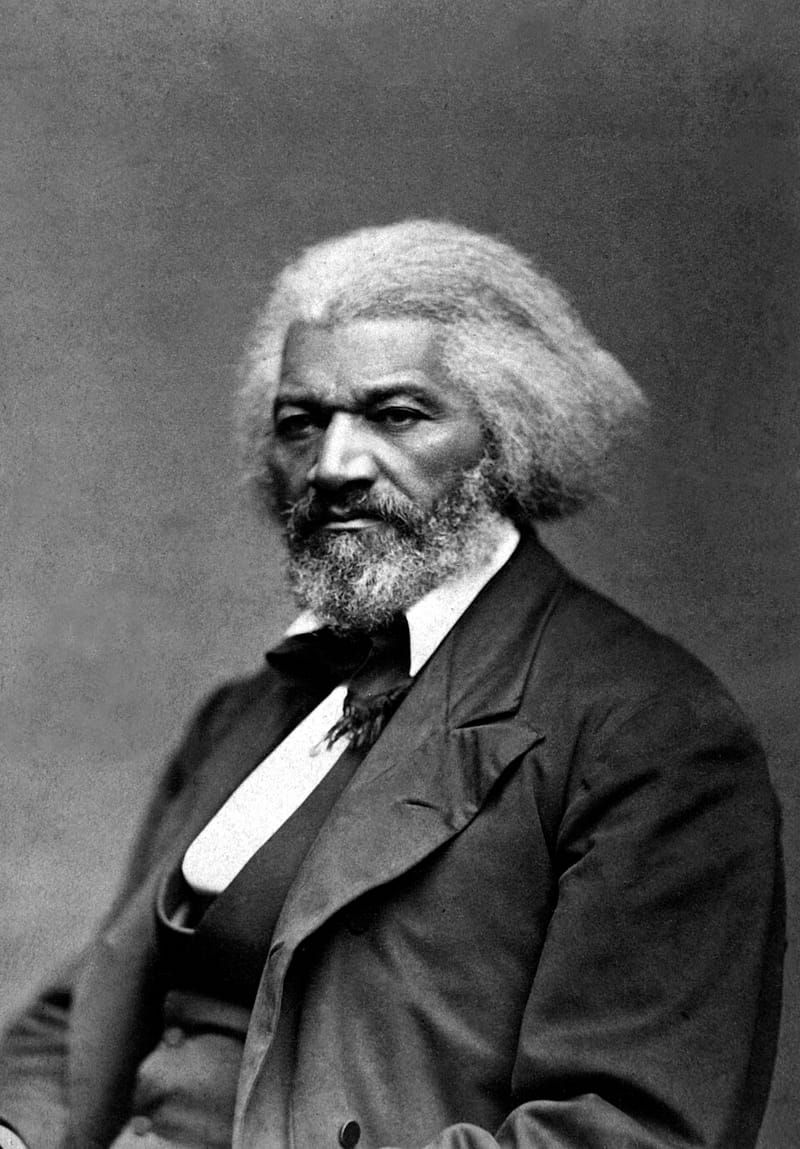
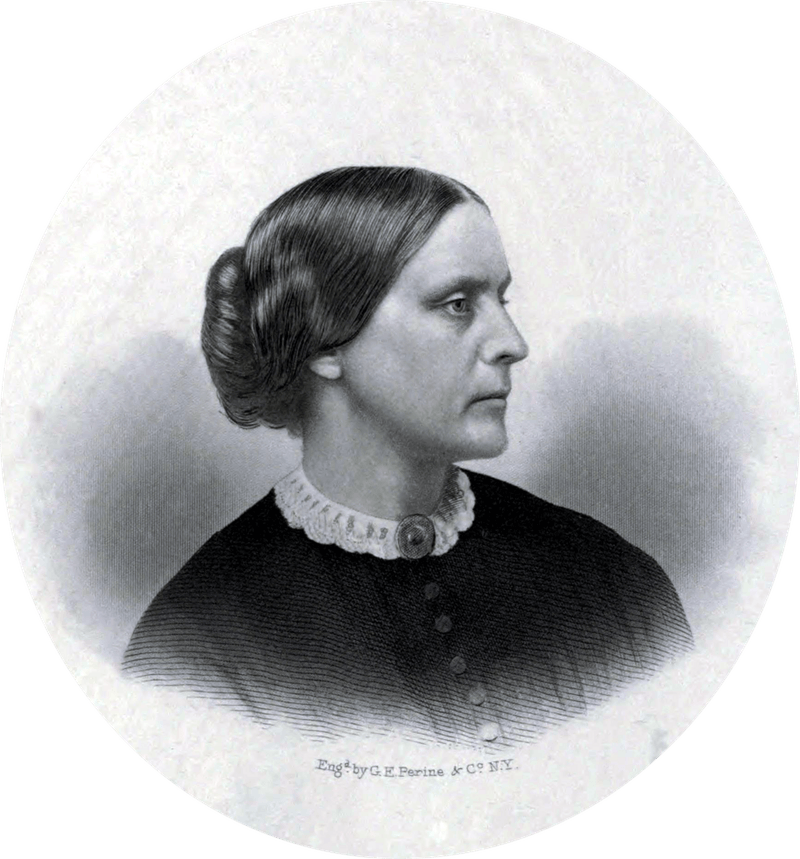
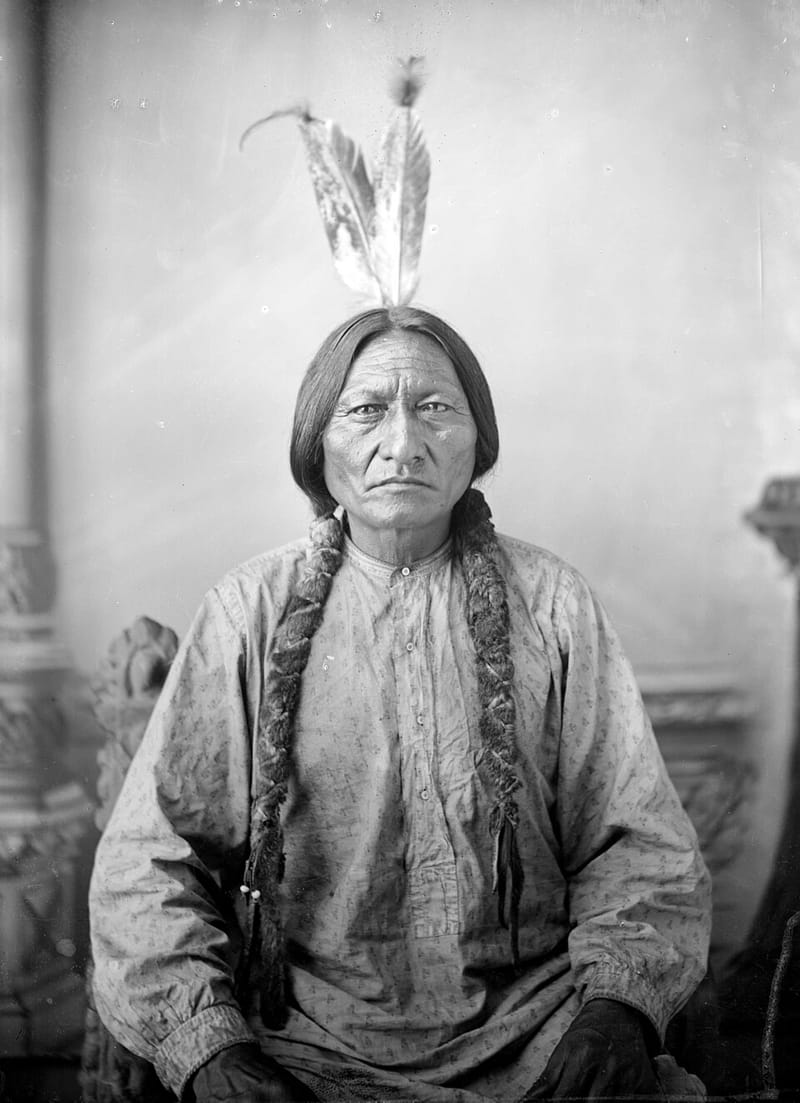
Documents and court cases
Movements, institutions, and ideas

Places
Sources for this overview
- 1866–1898: The Continued Expansion of United States Interests — U.S. Department of State, Office of the Historian
- The American Yawp, “Capital and Labor” — The American Yawp (eds. Joseph Locke and Ben Wright; Stanford University Press)
- The American Yawp, “Conquering the West” — The American Yawp (eds. Joseph Locke and Ben Wright; Stanford University Press)
Atlas by Alexander. More on Telegram.