WarCivil War and Reconstruction
The Civil War
The war over union and slavery, 1861–1865
April 12, 1861 – April 9, 1865From Virginia and the Mississippi Valley to the border states, the Southwest, and the sea
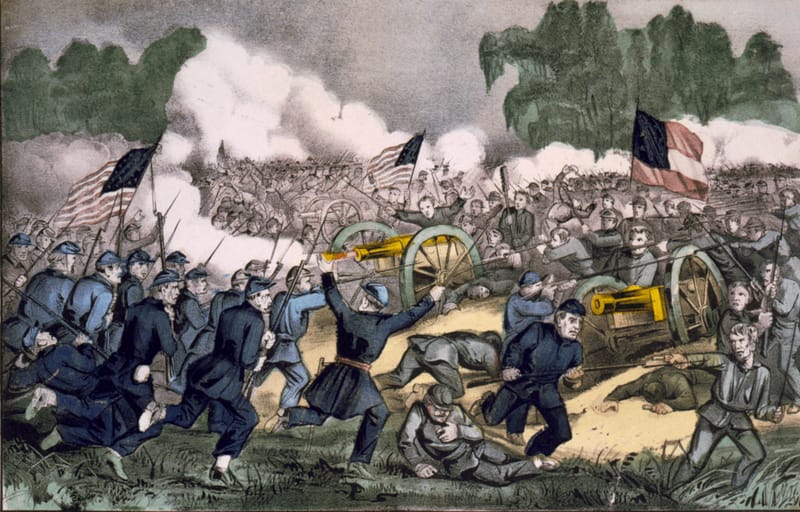
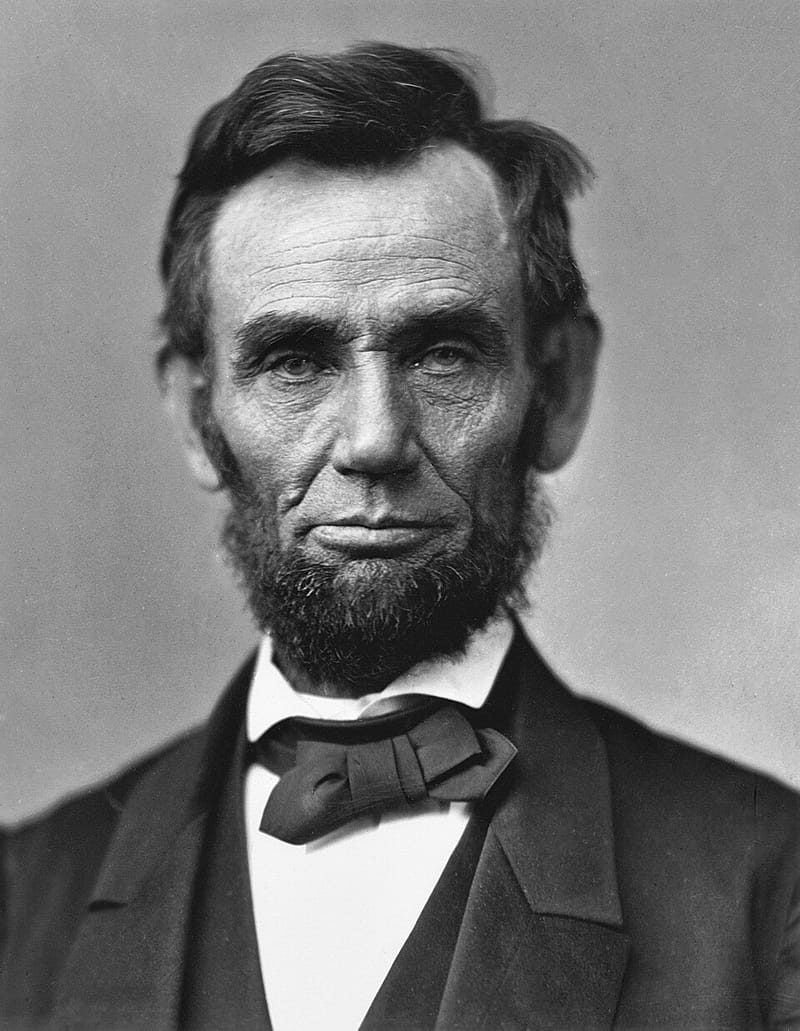
The Civil War began when eleven slaveholding states seceded after Abraham Lincoln’s election and Confederate forces fired on Fort Sumter in April 1861. Over four years, more than three million men fought, and an estimated 620,000 soldiers died — about two percent of the population, more than in any other American war. What began as a war to preserve the Union became a war to end slavery. The Union victory destroyed the Confederacy, freed four million enslaved people, and set off the struggle over Black citizenship called Reconstruction.
Key facts
- Date
- April 12, 1861 – April 9, 1865
- Location
- From Virginia and the Mississippi Valley to the border states, the Southwest, and the sea
- Dating note
- Fighting began at Fort Sumter on April 12, 1861; Lee surrendered at Appomattox on April 9, 1865; other Confederate forces surrendered over the following weeks.
- Union
- 20 states plus border states; President Abraham Lincoln; population about 18.5 million (plus border states)
- Confederacy
- 11 states; President Jefferson Davis; 5.5 million free people and 3.5 million enslaved
- Deaths
- An estimated 620,000 soldiers; some historians argue for much higher figures
- Black Union soldiers and sailors
- Almost 200,000
- Ended
- Lee’s surrender at Appomattox, April 9, 1865
Why it matters
The Civil War decided that the United States would remain one nation and that slavery would end. It remains the bloodiest and most consequential war in American history, and how Americans remember it has been contested ever since.
Who fought
The United States — the Union — included the Northern and Western states, joined by slaveholding border states that remained loyal, with 2.5 million free inhabitants and 500,000 enslaved people. The Confederate States of America comprised Texas, Arkansas, Louisiana, Tennessee, Mississippi, Alabama, Georgia, Florida, South Carolina, North Carolina, and Virginia. The Union had overwhelming advantages in population, factories, money, and food production: 1.1 million factory workers to the Confederacy’s 111,000. Enslaved people were not bystanders; from the first days of the war, they acted to secure their own liberty, and nearly 200,000 Black men eventually served in Union forces.
Political background
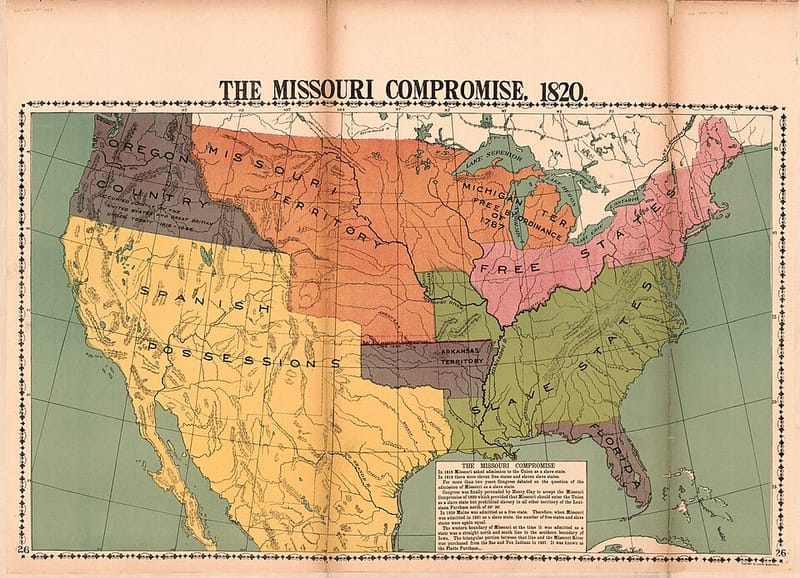
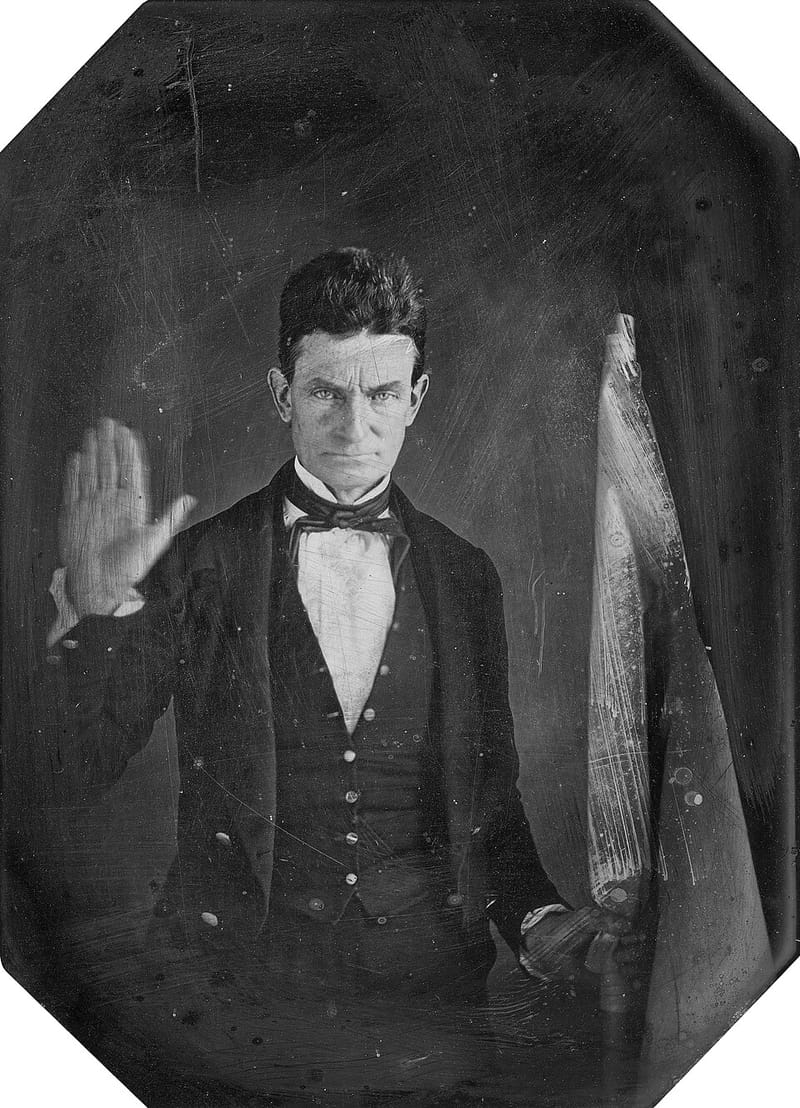
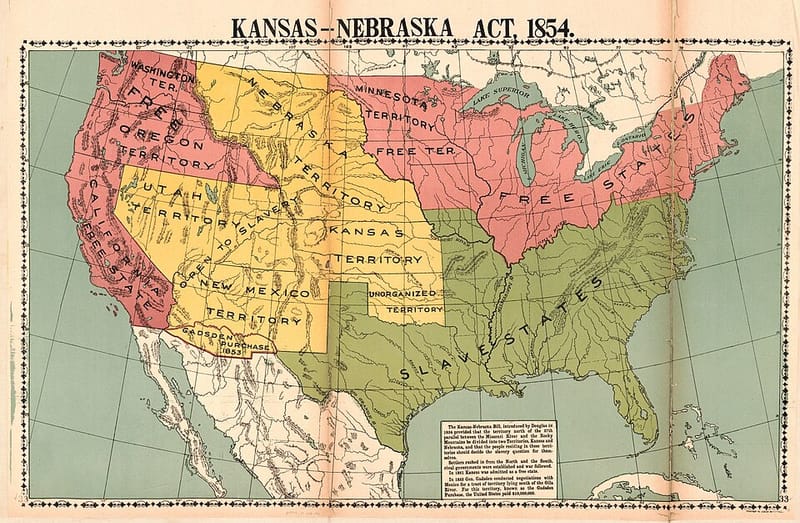
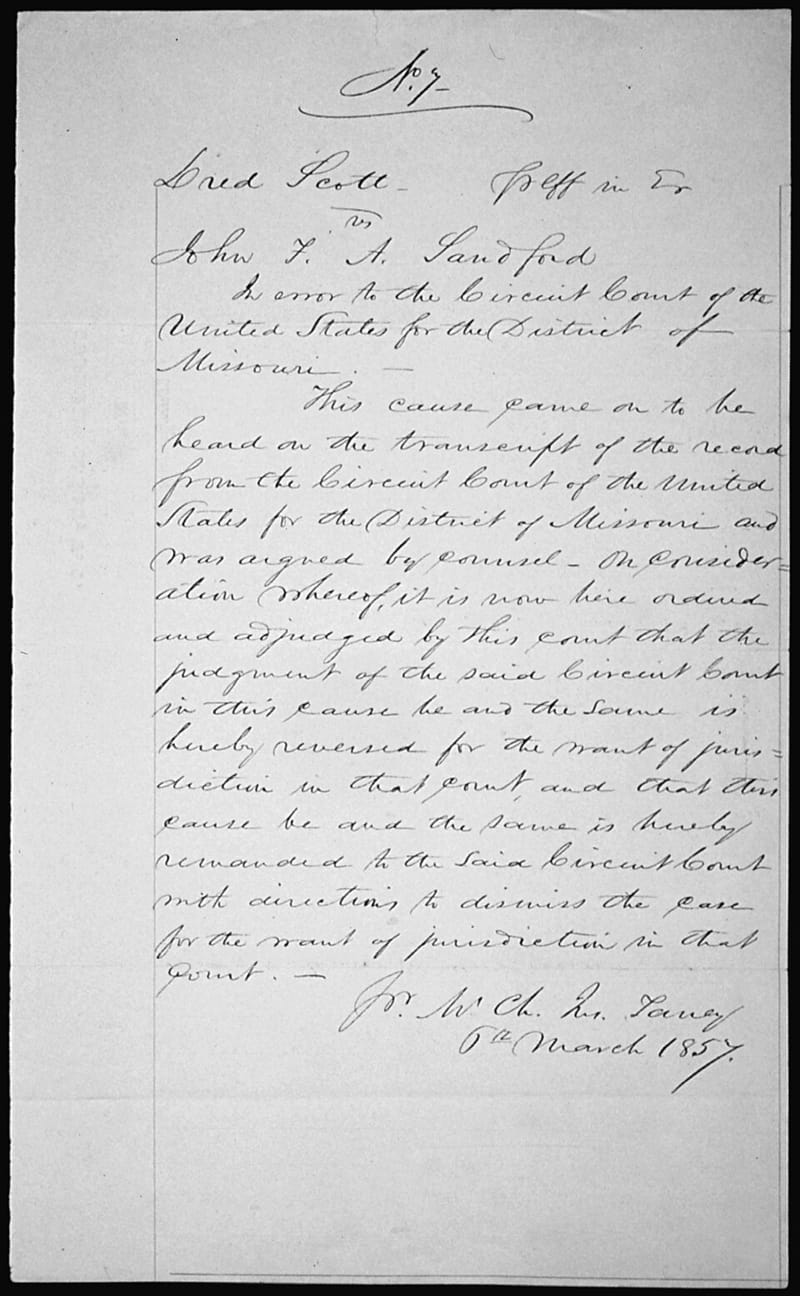
Decades of conflict over the expansion of slavery — the Missouri Compromise, the Compromise of 1850, the Kansas-Nebraska Act, the Dred Scott decision, and John Brown’s raid — had split the nation. In 1860 Abraham Lincoln won the presidency on a Republican platform opposing slavery’s spread into the territories. Many white Southerners feared that Lincoln would eventually move against slavery itself; rather than face a future in which Black people might become free citizens, seven states — beginning with South Carolina — seceded before he took office, citing states’ rights. In his inaugural address on March 4, 1861, Lincoln declared secession unconstitutional and the Union perpetual.
Major phases
Fort Sumter and mobilization (1861). Confederate batteries opened fire on Fort Sumter in Charleston Harbor on April 12, 1861; after 34 hours, the garrison surrendered. Four more states seceded.
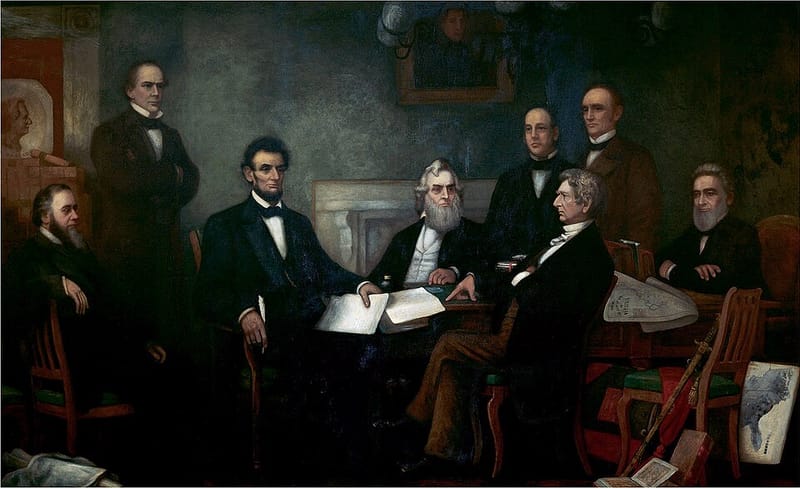
A war of attrition (1862). Union forces under Ulysses S. Grant won victories in the West, while in Virginia Robert E. Lee’s Army of Northern Virginia repeatedly defeated Union offensives. After Lee’s invasion of Maryland was stopped at Antietam in September 1862, Lincoln issued the preliminary Emancipation Proclamation.
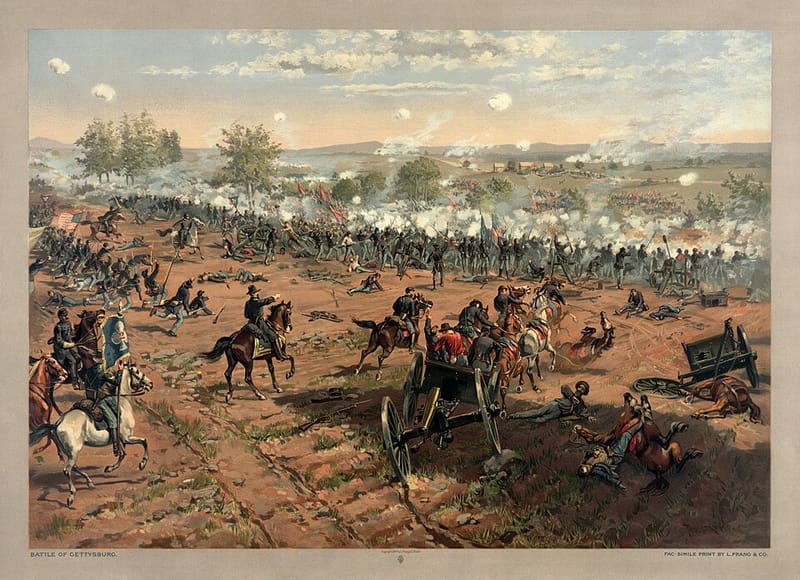
The turning year (1863). Emancipation took effect on January 1, and the U.S. Colored Troops were created in May. In July, Lee’s second invasion of the North was defeated at Gettysburg, and Grant captured Vicksburg, giving the Union control of the Mississippi.
Total war (1864–1865). Grant, praised and criticized for his willingness to accept heavy casualties, pressed Lee in Virginia and laid siege to Petersburg. Lincoln won reelection in November 1864. Richmond fell on April 2, 1865, and Lee surrendered at Appomattox Court House on April 9.
Turning points
- Antietam (September 1862): gave Lincoln the victory he needed to announce emancipation.
- Emancipation (January 1863): made the war a war against slavery, opened the army to Black soldiers, and discouraged Britain and France from recognizing the Confederacy.
- Gettysburg and Vicksburg (July 1863): ended the Confederacy’s last major invasion of the North and split it in two.
Outcome
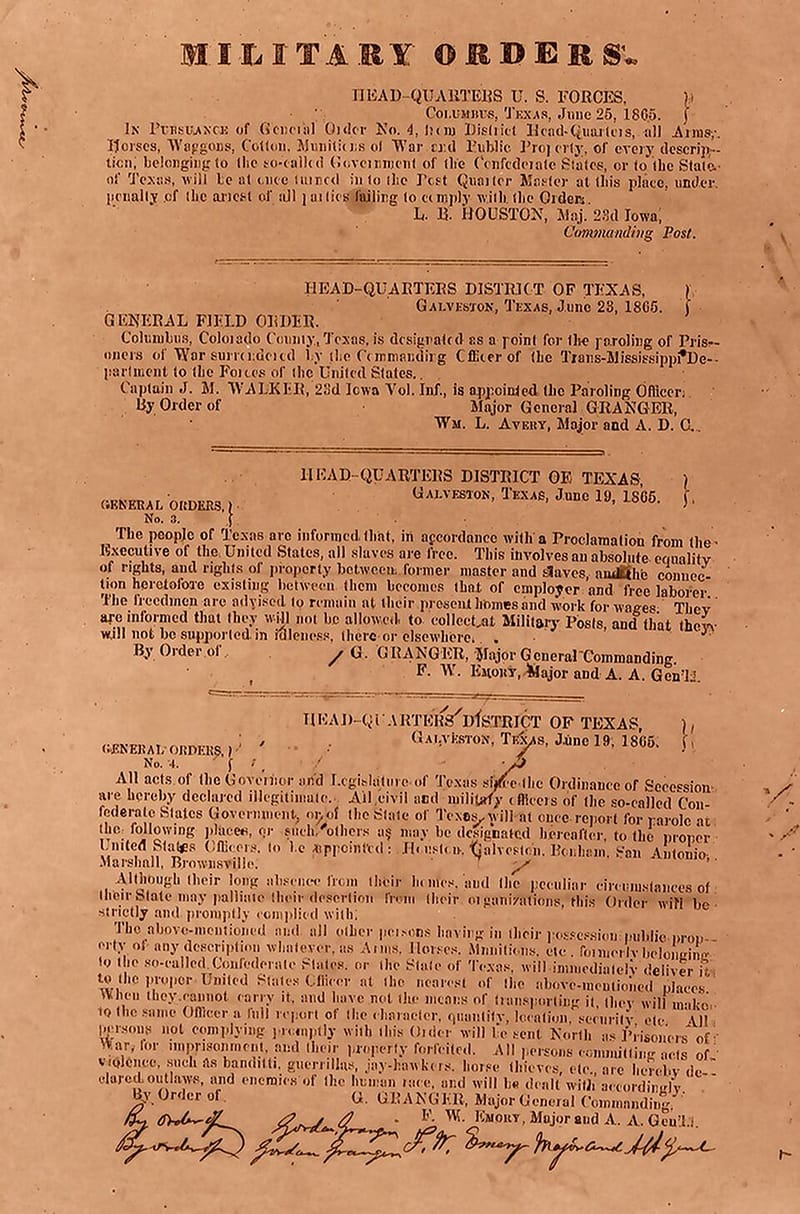
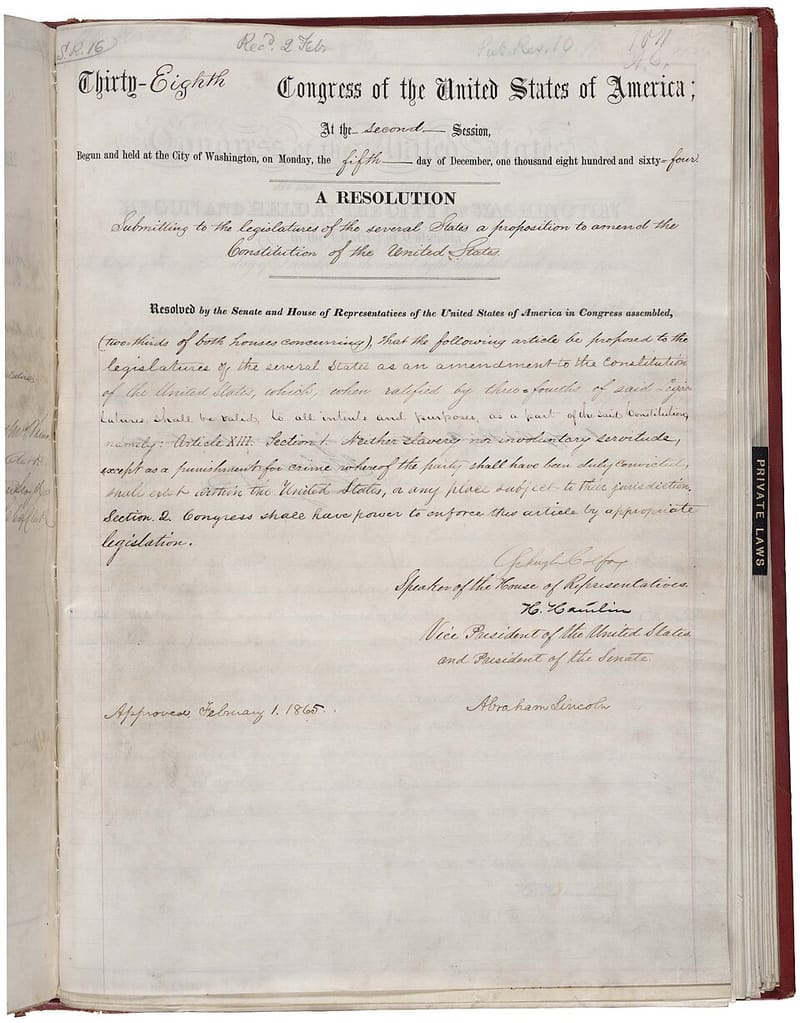
The Confederacy collapsed. Lee’s surrender was followed by the surrender of other Confederate forces over the next weeks; President Andrew Johnson later declared the war officially over. The Thirteenth Amendment, ratified in December 1865, abolished slavery throughout the United States. Union victory ended forever the claim that state sovereignty superseded federal authority. Abroad, the Confederacy never won recognition from a single foreign government.
Consequences for American society
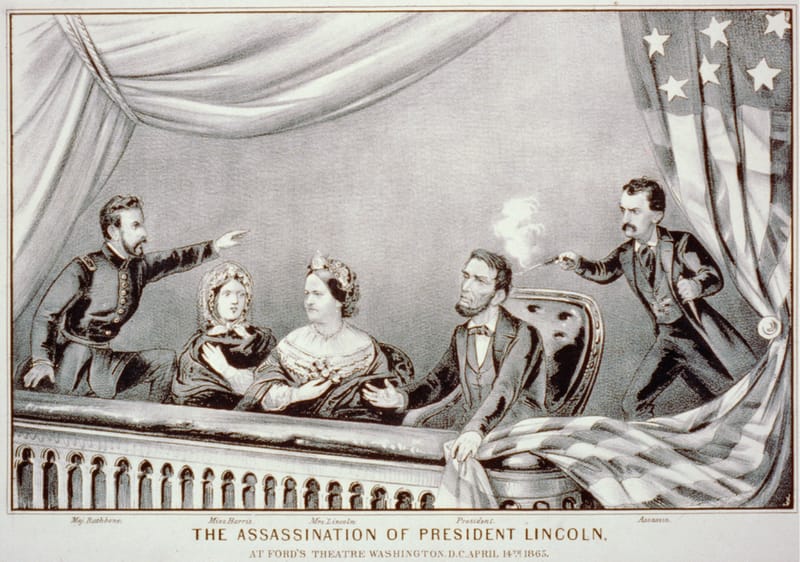
The war killed an estimated 620,000 soldiers — roughly two percent of the population; hundreds of thousands died of disease. It devastated much of the South and left a generation of widows, orphans, and disabled veterans. Lincoln, assassinated days after Appomattox, became a national martyr.
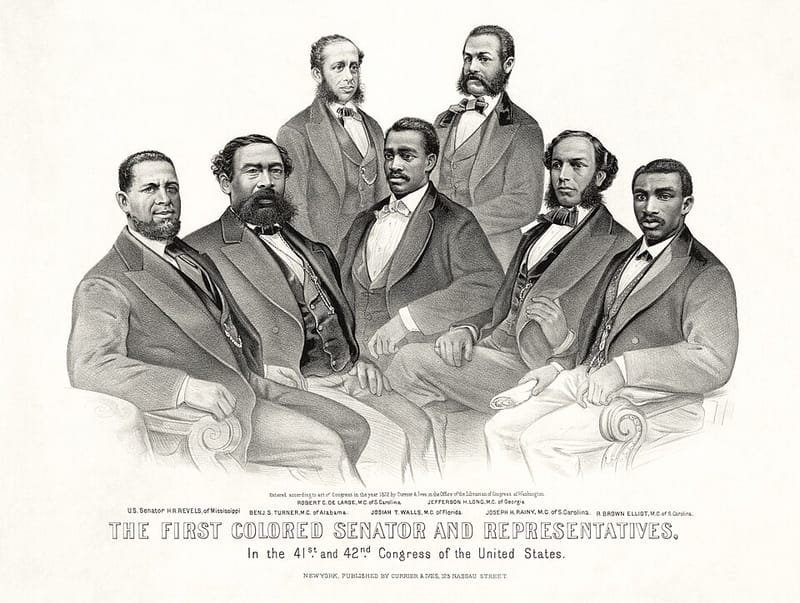
It also transformed the Constitution and the nation’s idea of freedom. Four million people were freed. The Fourteenth and Fifteenth Amendments promised citizenship, equal protection, and voting rights regardless of race. Whether those promises would be kept was the central question of Reconstruction — and of much of the century that followed.
Study this entry
Check your understanding
Try answering in your own words, then open the answer.
1.Why did the war begin?Show answerHide
Decades of conflict over the expansion of slavery — the Missouri Compromise, the Compromise of 1850, the Kansas-Nebraska Act, the Dred Scott decision, and John Brown’s raid — had split the nation.From “Political background” above.
2.What were the turning points?Show answerHide
- Antietam (September 1862): gave Lincoln the victory he needed to announce emancipation. - Emancipation (January 1863): made the war a war against slavery, opened the army to Black soldiers, and discouraged Britain and France from recognizing the Confederacy. - Gettysburg and Vicksburg (July 1863): ended the Confederacy’s last major invasion of the North and split it in two.From “Turning points” above.
3.How did it end?Show answerHide
The Confederacy collapsed. Lee’s surrender was followed by the surrender of other Confederate forces over the next weeks; President Andrew Johnson later declared the war officially over.From “Outcome” above.
4.How did it change American society?Show answerHide
The war killed an estimated 620,000 soldiers — roughly two percent of the population; hundreds of thousands died of disease. It devastated much of the South and left a generation of widows, orphans, and disabled veterans.From “Consequences for American society” above.
Turn this entry into 11 flashcards (key facts, dates, and why it matters) and review them in Learn.
Related History
How this connects to the rest of the atlas.
Events
People
Documents
Movements
Concepts


Sources
- 1.Abraham Lincoln: Life in Brief
Miller Center, University of Virginia · Scholarly · cited for life, secession, war, emancipation, Black soldiers, legacy
- 2.Facts — The Civil War
National Park Service · Institutional · cited for states, populations, resources
- 3.Civil War Casualties
American Battlefield Trust · Scholarly · cited for death toll estimates
- 4.Telegram Announcing the Surrender of Fort Sumter (1861) — Milestone Documents
National Archives · Primary source · cited for secession and Fort Sumter
- 5.Emancipation Proclamation (1863) — Milestone Documents
National Archives · Primary source · cited for dates, limits, Black soldiers, significance
- 6.Articles of Agreement Relating to the Surrender of the Army of Northern Virginia (1865) — Milestone Documents
National Archives · Primary source · cited for Appomattox
- 7.War Department General Order 143: Creation of the U.S. Colored Troops (1863)
National Archives · Primary source · cited for Bureau of Colored Troops
- 8.Preventing Diplomatic Recognition of the Confederacy, 1861–1865
U.S. Department of State, Office of the Historian · Institutional · cited for Confederate diplomacy
- 9.13th Amendment — Milestone Documents
National Archives · Primary source · cited for passage, ratification, text
Image credits
- Battle of Gettysburg, by Currier and Ives, Nathaniel Currier and James Merritt Ives, circa 1863. Via Wikimedia Commons · Public domain · Source
Written for American History Atlas from the sources above. See how entries are researched.
Atlas by Alexander. More on Telegram.