EventCivil War and Reconstruction
The Disputed Election of 1876 and the End of Reconstruction
The “Compromise of 1877”
November 7, 1876 – March 4, 1877Washington, D.C.; Florida, Louisiana, South Carolina, and Oregon
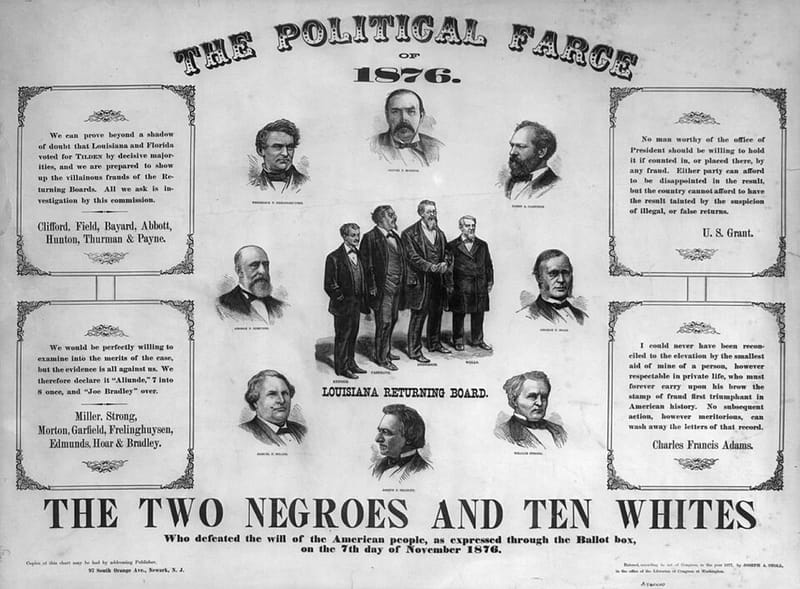
The presidential election of 1876 between Republican Rutherford B. Hayes and Democrat Samuel J. Tilden produced disputed returns in three Southern states and Oregon. Tilden led the popular vote by about 250,000 but was one electoral vote short. Congress created a special Electoral Commission, which awarded all the disputed votes to Hayes. As Democrats threatened to obstruct the count, Hayes’s allies and Southern Democrats negotiated, and Hayes withdrew the federal troops protecting the last Republican governments in the South. The settlement, often called the Compromise of 1877, marked the end of Reconstruction.
Key facts
- Date
- November 7, 1876 – March 4, 1877
- Location
- Washington, D.C.; Florida, Louisiana, South Carolina, and Oregon
- Dating note
- Election held November 7, 1876; Electoral Commission created January 1877; Hayes inaugurated March 1877.
- Candidates
- Rutherford B. Hayes (Republican) vs. Samuel J. Tilden (Democrat)
- Popular vote
- Tilden ahead by about 250,000
- Disputed
- Florida, Louisiana, South Carolina, and one Oregon elector
- Electoral Commission
- 15 members; Republicans held an 8–7 edge after Justice Joseph Bradley replaced David Davis
- Result
- Hayes president; federal troops withdrawn from New Orleans and Columbia
Why it matters
The resolution of the 1876 election traded the protection of Black Southerners’ rights for political peace between white North and South — closing Reconstruction and opening the Jim Crow era.
Historical background
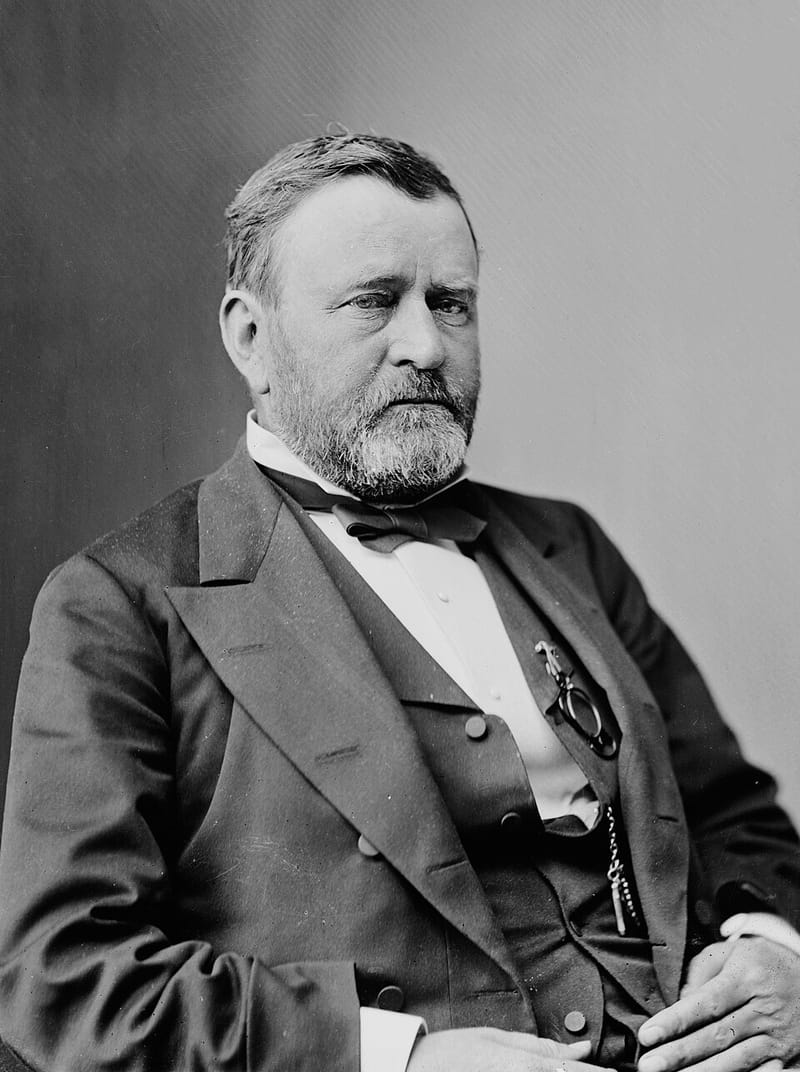
By 1876 Republicans were weakened by the depression that followed the Panic of 1873 and by scandals in the Grant administration. Democrats had regained control of most Southern states, often through intimidation and violence against Black and white Republican voters. Only Louisiana, South Carolina, and Florida still had Republican governments, protected by small numbers of federal troops.
Causes and contributing factors
The election was the longest, closest, and most bitterly contested in the nation’s history to that time. Tilden carried the popular vote and was one electoral vote short of a majority. In Florida, Louisiana, and South Carolina, both parties claimed victory; Republican-controlled returning boards, citing intimidation, threw out enough Democratic votes to give Hayes the states. In Oregon, one Hayes elector was ineligible because he held federal office.
What happened
In January 1877 Congress passed the Electoral Commission Act, creating a commission of five senators, five representatives, and five Supreme Court justices to decide which returns to count. The swing member was to be Justice David Davis, an independent, but he withdrew after being elected to the Senate, and was replaced by Republican Joseph Bradley, giving Republicans an 8–7 majority. The commission awarded every disputed state to Hayes.
Furious Democrats delayed the count with filibusters, threatening to leave the country without a president on inauguration day. Southern Democrats and politicians close to Hayes negotiated. Southerners sought the removal of the troops protecting Republican governments in New Orleans and Columbia, a federal subsidy for the Texas & Pacific Railroad, and cabinet posts. Historians at the Miller Center note that negotiations almost certainly took place, but that any formal “deal” beyond what Hayes had already promised is doubtful. Hayes was declared the winner and took office in March 1877.
Immediate consequences
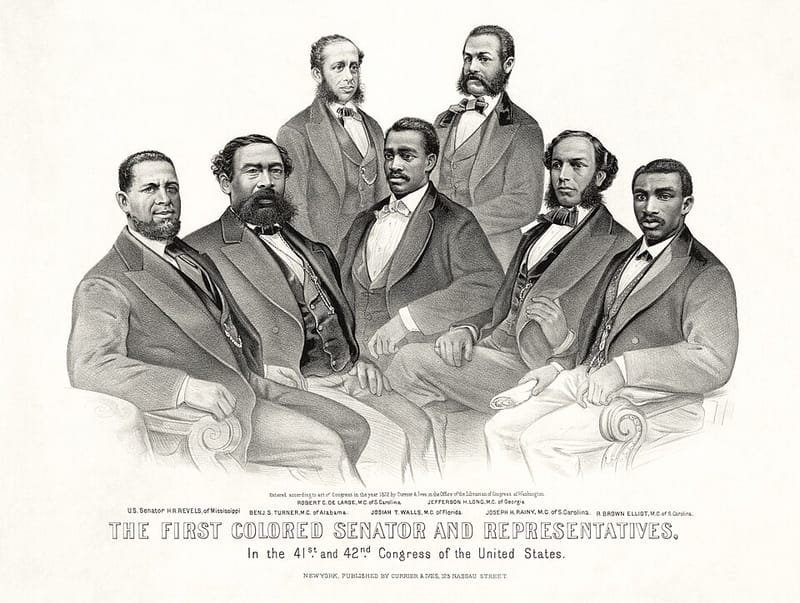
Hayes withdrew the federal troops, and the remaining Republican state governments collapsed. Democrats branded him “Rutherfraud” and “His Fraudulency.” With the withdrawal of federal support, the number of Black officeholders declined significantly.
Long-term significance
Whether or not there was an explicit bargain, 1877 marked the end of federal efforts to protect Black citizenship in the South. White Democratic “Redeemer” governments consolidated power, and over the next two decades Southern states disenfranchised Black voters and built the system of Jim Crow segregation. The election remained the most disputed in American history until the contest of 2000.
Study this entry
Check your understanding
Try answering in your own words, then open the answer.
1.What led to the Disputed Election of 1876 and the End of Reconstruction?Show answerHide
The election was the longest, closest, and most bitterly contested in the nation’s history to that time. Tilden carried the popular vote and was one electoral vote short of a majority.From “Causes and contributing factors” above.
2.What happened?Show answerHide
In January 1877 Congress passed the Electoral Commission Act, creating a commission of five senators, five representatives, and five Supreme Court justices to decide which returns to count.From “What happened” above.
3.What were the immediate consequences?Show answerHide
Hayes withdrew the federal troops, and the remaining Republican state governments collapsed. Democrats branded him “Rutherfraud” and “His Fraudulency.”From “Immediate consequences” above.
4.Why does it still matter?Show answerHide
Whether or not there was an explicit bargain, 1877 marked the end of federal efforts to protect Black citizenship in the South. White Democratic “Redeemer” governments consolidated power, and over the next two decades Southern states disenfranchised Black voters and built the system of Jim Crow segregation.From “Long-term significance” above.
Turn this entry into 11 flashcards (key facts, dates, and why it matters) and review them in Learn.
Related History
How this connects to the rest of the atlas.
Events

Sources
- 1.Rutherford B. Hayes: Campaigns and Elections
Miller Center, University of Virginia · Scholarly · cited for 1876 election, Electoral Commission, negotiations
- 2.Black Officeholders in the Reconstruction South
Who Built America? (American Social History Project, CUNY) · Scholarly · cited for Black officeholders, opposition, later distortion
Image credits
- Farce of 1876 poster, N.J. Newark, Copyrighted 1877.. Via Wikimedia Commons · Public domain · Source
Written for American History Atlas from the sources above. See how entries are researched.
Atlas by Alexander. More on Telegram.