The Supreme Court
The highest court in the United States and the final interpreter of federal law
September 24, 1789–presentWashington, D.C. (first met in New York City)
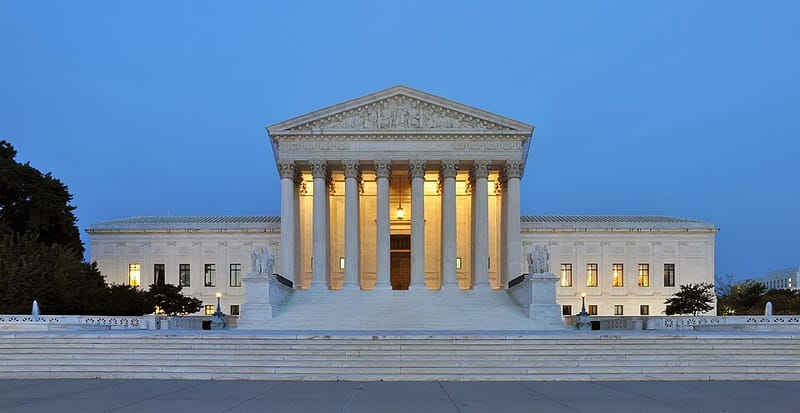
The Supreme Court is the highest tribunal in the United States for all cases arising under the Constitution and federal law. The Constitution created it but said little about how it would work; Congress, and the justices themselves through their decisions, built the federal judiciary over time. From a weak body whose first justices complained about its lack of stature, it became — beginning with Chief Justice John Marshall — a co-equal branch that can strike down laws as unconstitutional.
Key facts
- Date
- September 24, 1789–present
- Established
- September 24, 1789
- Location
- Washington, D.C. (first met in New York City)
- Dating note
- Created by Article III of the Constitution and organized by the Judiciary Act of 1789; first met February 1790.
- Created by
- Article III of the Constitution; organized by the Judiciary Act of 1789
- First session
- February 1790, in the Exchange Building in New York City
- Size
- Six justices originally; the number changed six times before settling at nine in 1869
- Tenure
- Justices serve “during good Behaviour” — effectively for life
- Key power
- Judicial review, established in Marbury v. Madison (1803)
Why it matters
The Supreme Court is where Americans have brought their deepest disputes about rights and power — slavery, segregation, voting, privacy, and the limits of government — and its interpretations of the Constitution have shaped every era of American history.
Origins
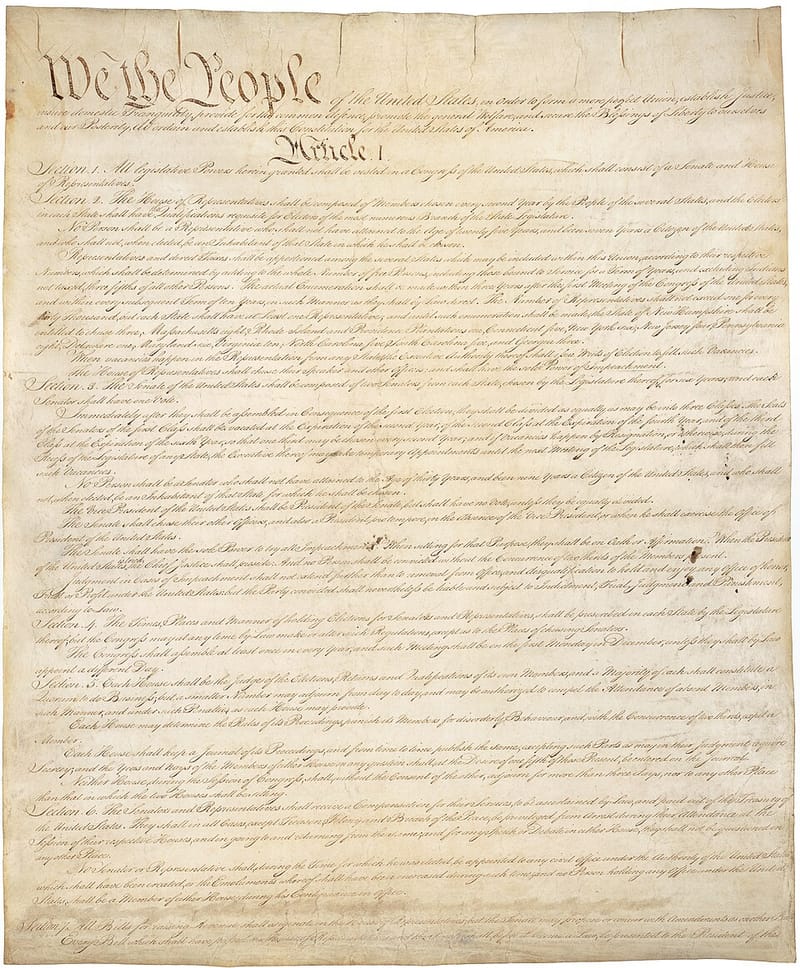
Article III of the Constitution vests “the judicial Power of the United States” in “one supreme Court” and in such lower courts as Congress creates, and provides that judges hold office during good behavior. Beyond that, the framers left the details to Congress. Establishing a federal judiciary was a high priority: the first bill introduced in the Senate became the Judiciary Act of 1789, which divided the country into thirteen judicial districts and three circuits and created a Supreme Court of a Chief Justice and five associate justices.
The Court first assembled in New York in February 1790. For most of its first century the justices also had to “ride circuit,” traveling to hold court in the districts — a burden they complained about, along with the Court’s limited prestige.
Powers and limits
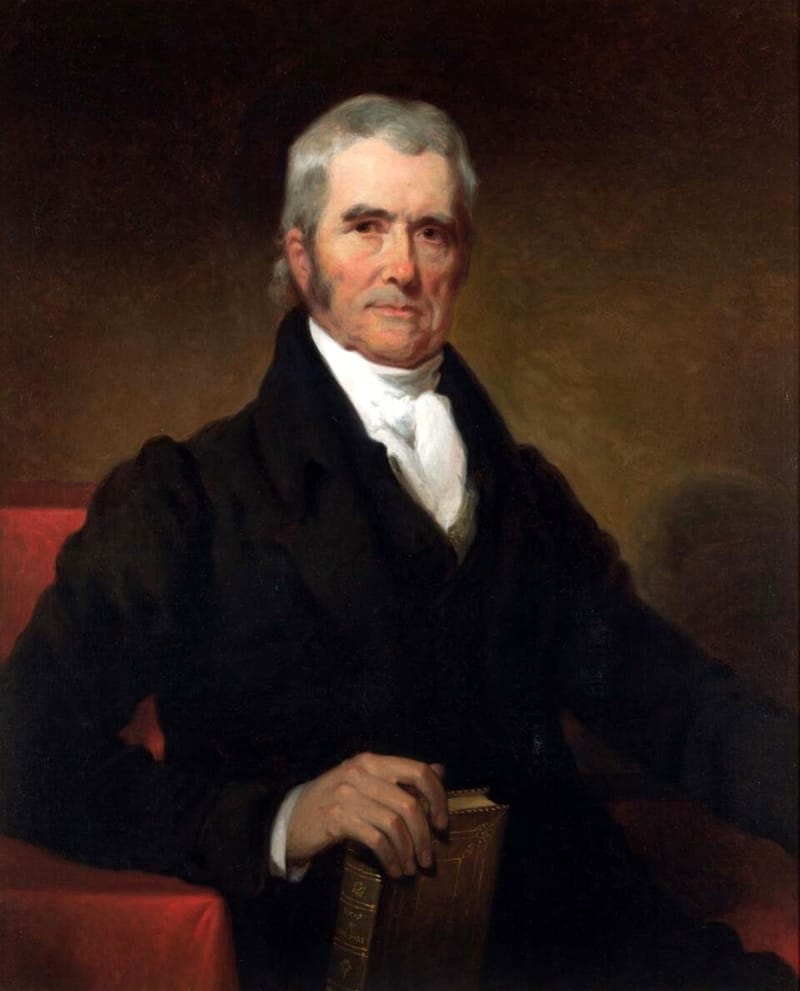
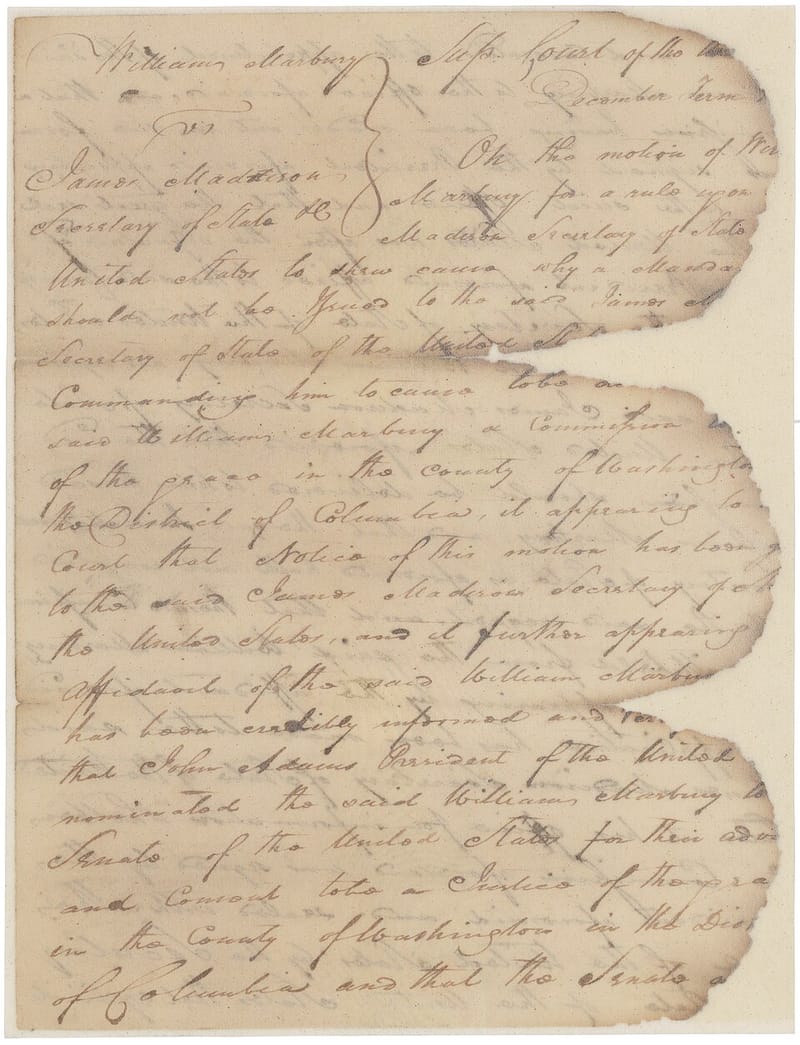
The Court hears a small number of cases directly (its original jurisdiction, such as disputes between states) and many more on appeal from lower federal courts and state courts on questions of federal law. Its most important power, judicial review — the authority to declare laws and government actions unconstitutional — is not stated in the Constitution. Chief Justice Marshall claimed it in Marbury v. Madison (1803), and it has since become accepted.
The Court’s power has limits. It cannot enforce its rulings on its own and depends on the other branches to carry them out. Its justices are nominated by the president and confirmed by the Senate; Congress sets its size and much of its jurisdiction; and constitutional amendments can override its interpretations.
How it changed over time
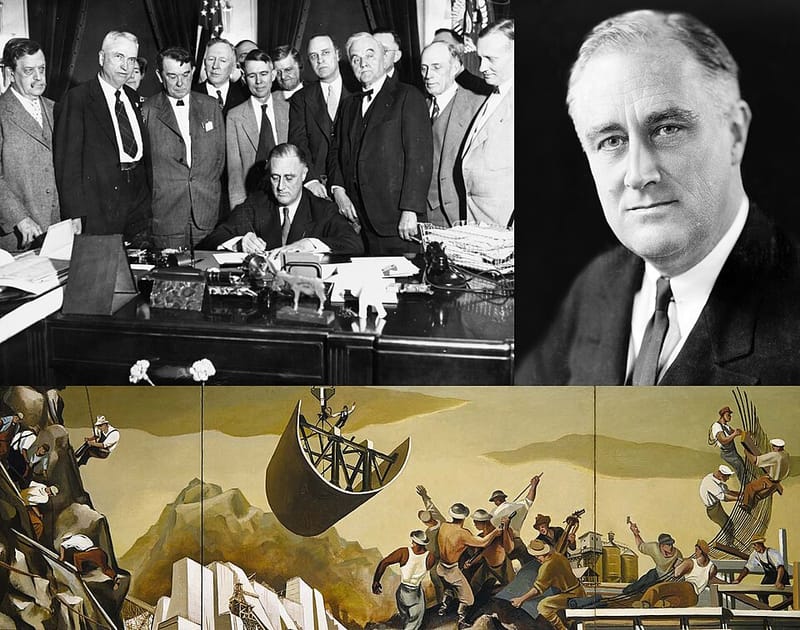
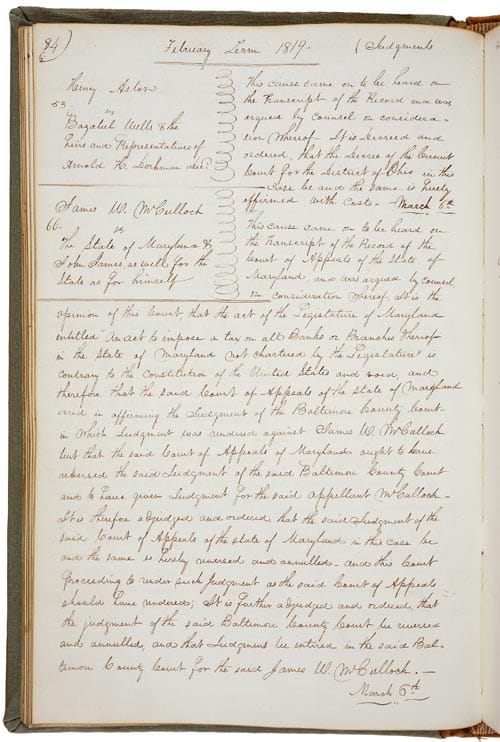
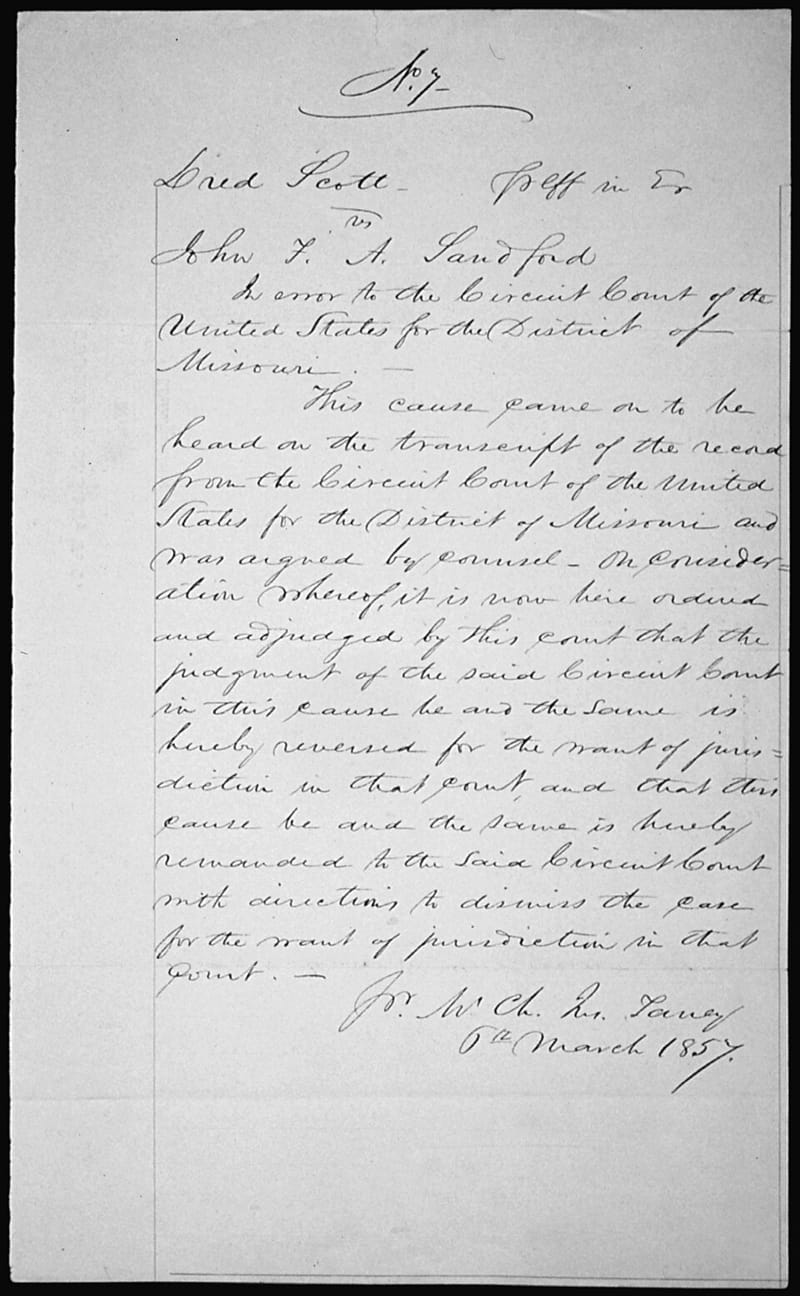
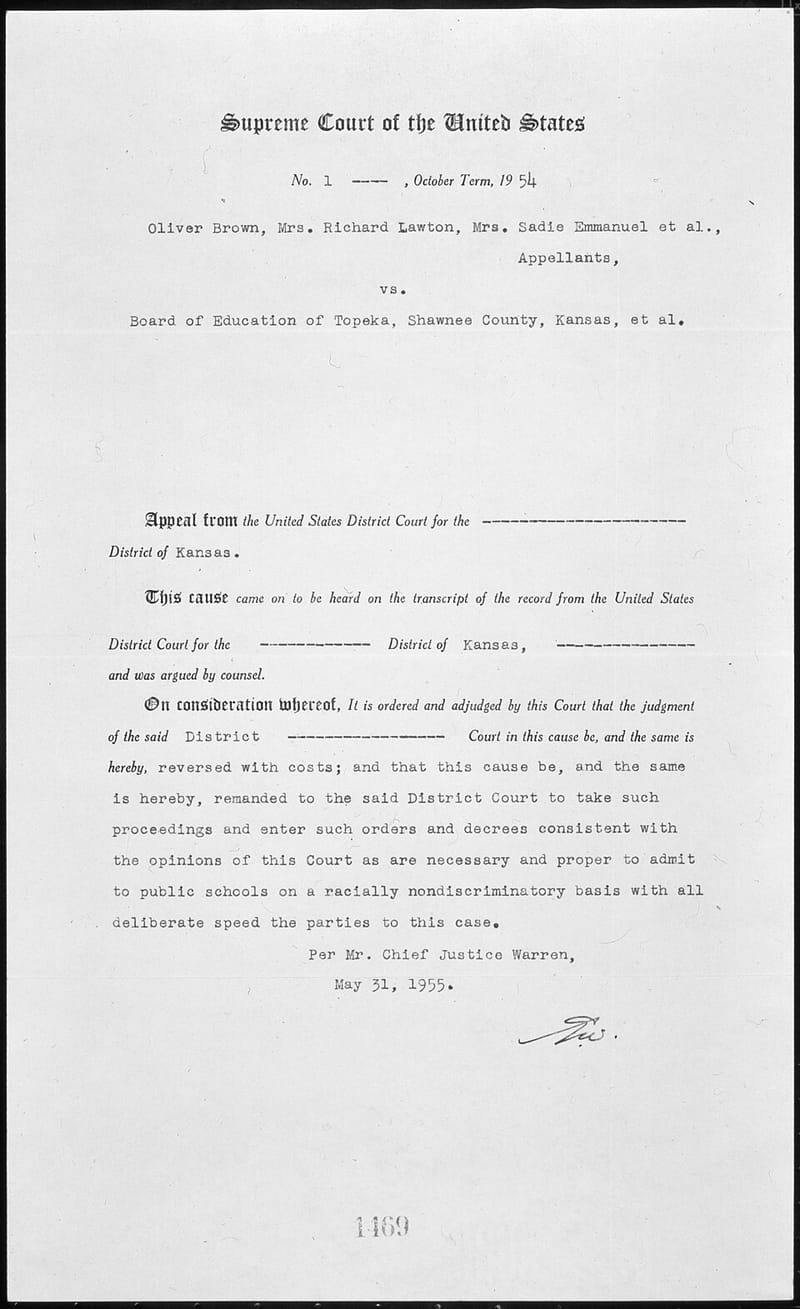
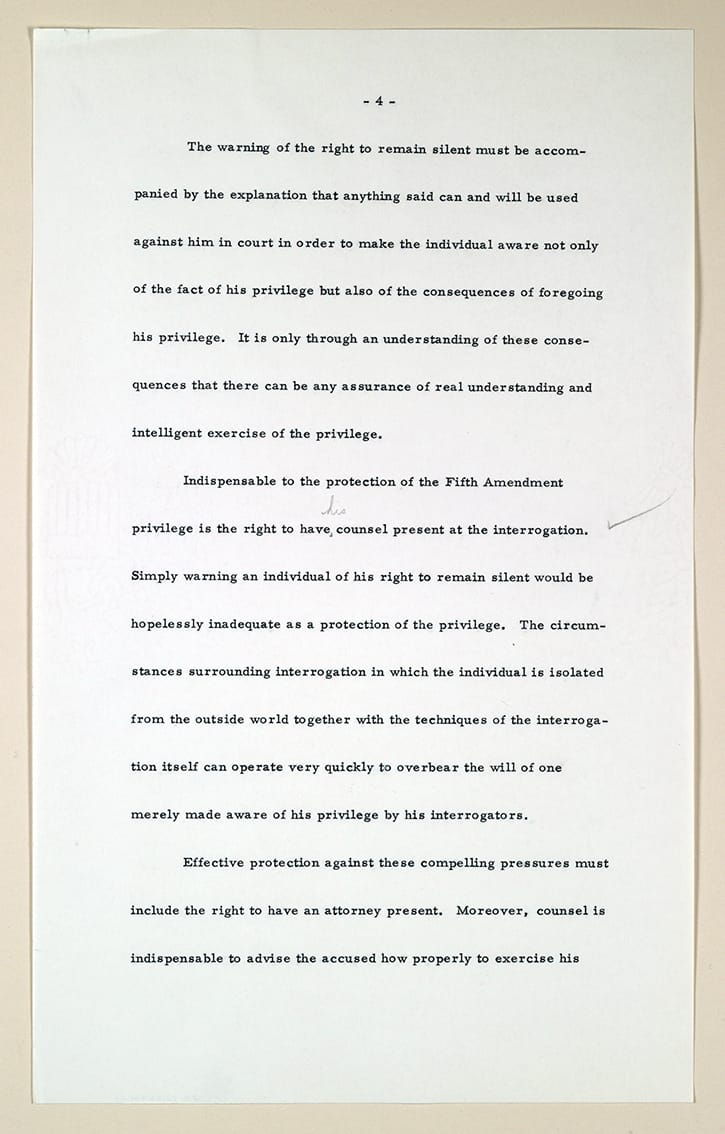
Under Marshall (1801–1835) the Court established judicial review and a broad reading of federal power in cases such as McCulloch v. Maryland. Its decision in Dred Scott v. Sandford (1857), denying that Black Americans could be citizens, helped bring on the Civil War and was overturned by the Fourteenth Amendment. After Reconstruction the Court narrowed civil rights protections, upholding segregation in Plessy v. Ferguson (1896). In the 1930s it struck down early New Deal laws, then accepted broader federal economic power. Under Chief Justice Earl Warren (1953–1969) it ended legal school segregation in Brown v. Board of Education and expanded the rights of criminal defendants and voters. Since then it has remained at the center of national debates — over abortion, elections, gun rights, and the scope of federal and presidential power.
The number of justices changed six times before settling at nine in 1869. Since 1790 there have been only seventeen Chief Justices, and justices have served an average of about sixteen years.
Study this entry
Check your understanding
Try answering in your own words, then open the answer.
1.Where did it come from?Show answerHide
Article III of the Constitution vests “the judicial Power of the United States” in “one supreme Court” and in such lower courts as Congress creates, and provides that judges hold office during good behavior. Beyond that, the framers left the details to Congress.From “Origins” above.
2.What can it do, and what limits it?Show answerHide
The Court hears a small number of cases directly (its original jurisdiction, such as disputes between states) and many more on appeal from lower federal courts and state courts on questions of federal law.From “Powers and limits” above.
3.How has it changed over time?Show answerHide
Under Marshall (1801–1835) the Court established judicial review and a broad reading of federal power in cases such as McCulloch v. Maryland.From “How it changed over time” above.
Turn this entry into 10 flashcards (key facts, dates, and why it matters) and review them in Learn.
Related History
How this connects to the rest of the atlas.
Events

People
Documents
Court cases
Institutions

Sources
- 1.The Court as an Institution
Supreme Court of the United States · Institutional · cited for Judiciary Act of 1789, first session, circuit riding, Marshall, number of justices
- 2.About the Supreme Court
Supreme Court of the United States · Institutional · cited for role as highest tribunal; number of justices
- 3.The Constitution of the United States: A Transcription
National Archives · Primary source · cited for Article III
Image credits
- Panorama of United States Supreme Court Building at Dusk, Joe Ravi, 2011-10-10. Via Wikimedia Commons · CC BY-SA 3.0 · Source
Written for American History Atlas from the sources above. See how entries are researched.
Atlas by Alexander. More on Telegram.