Thanksgiving Day
How a day of thanks became a fixed national holiday, from Washington to Roosevelt
November 26, 1789 – December 26, 1941
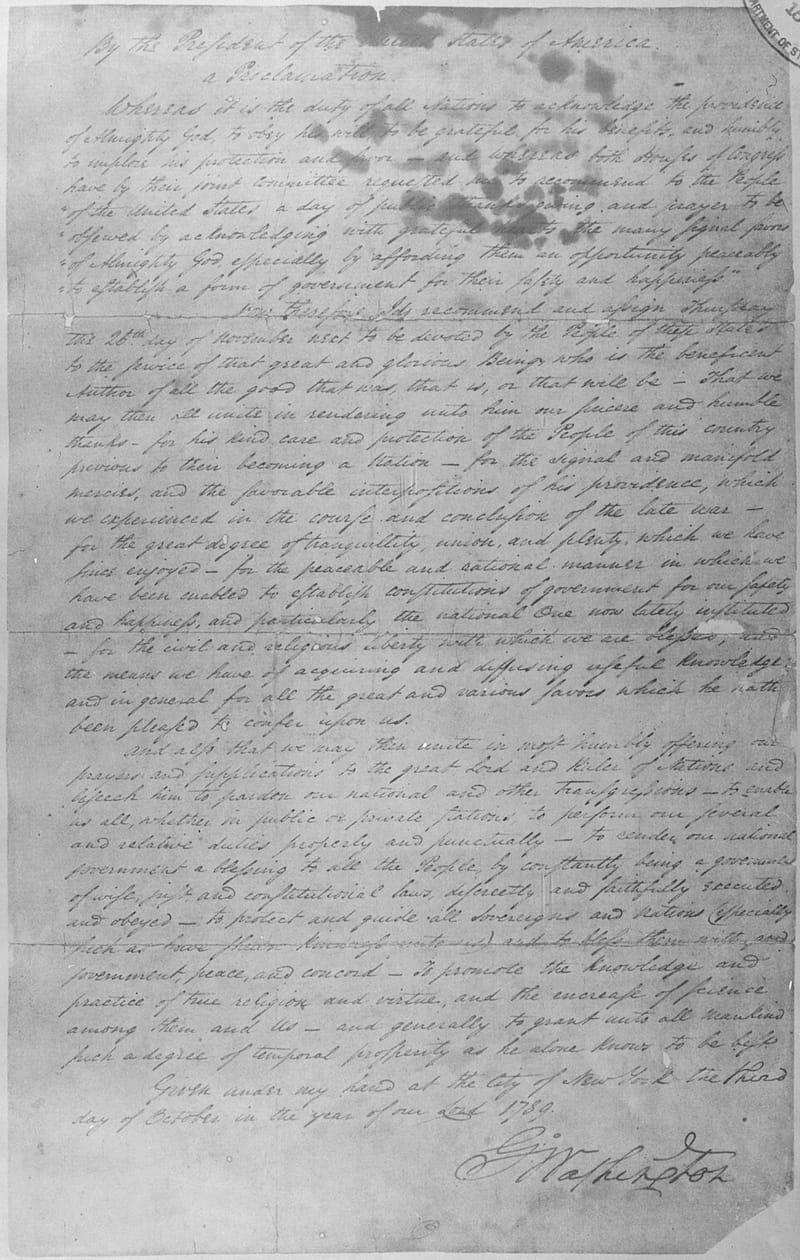
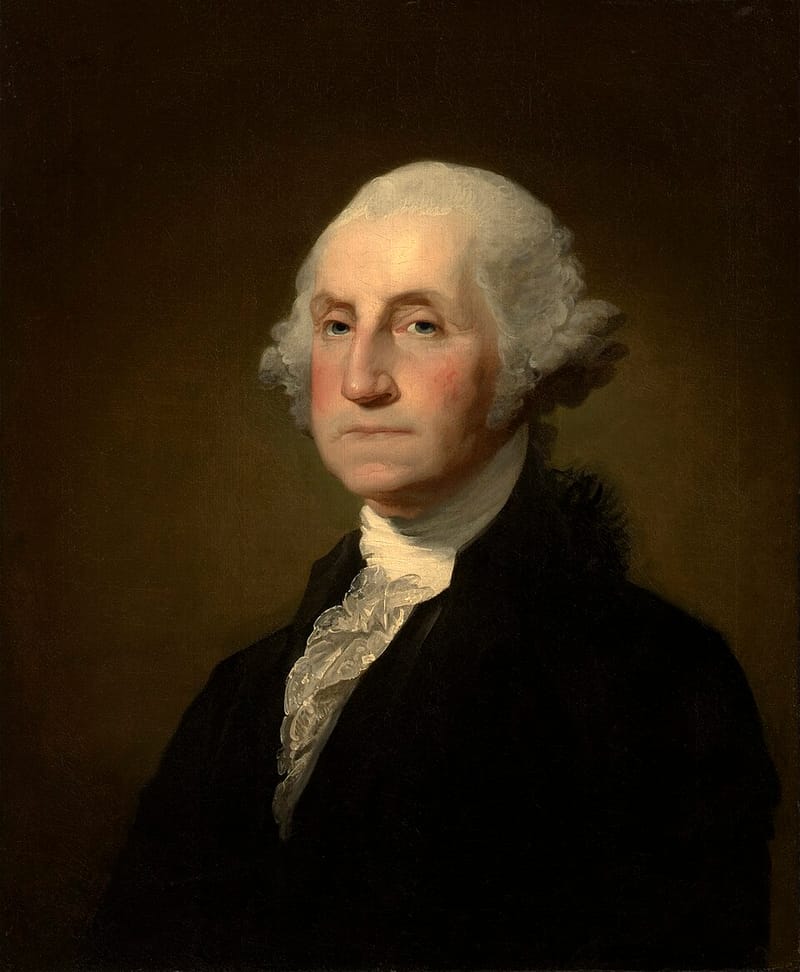
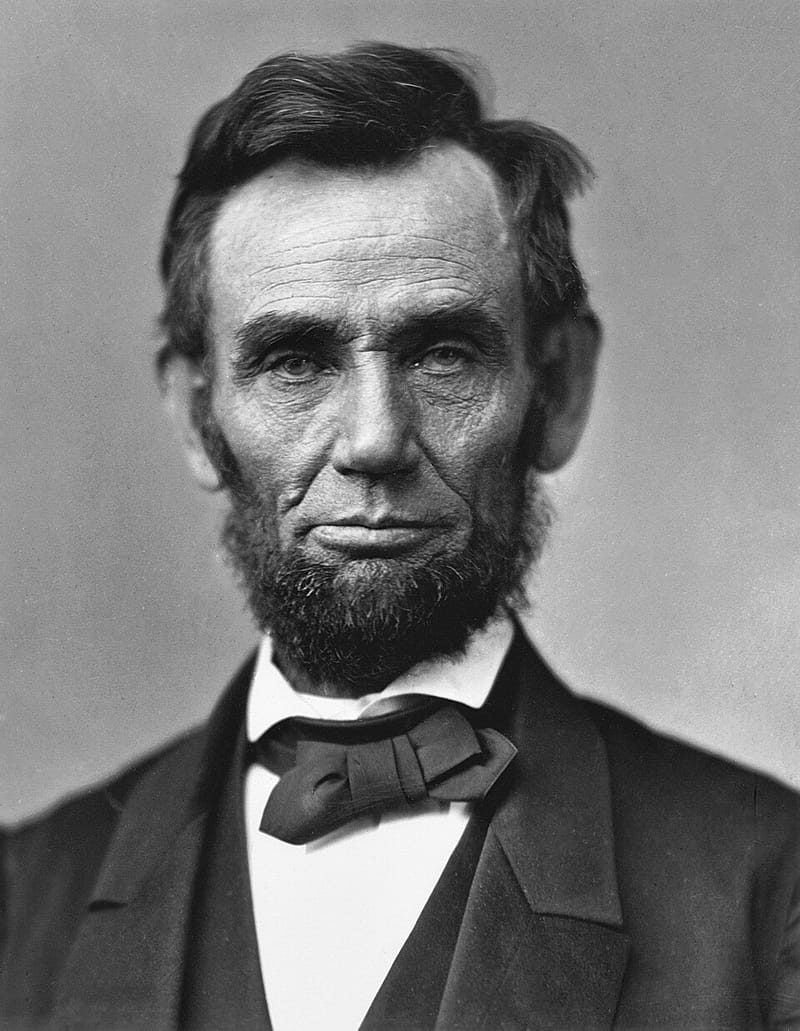
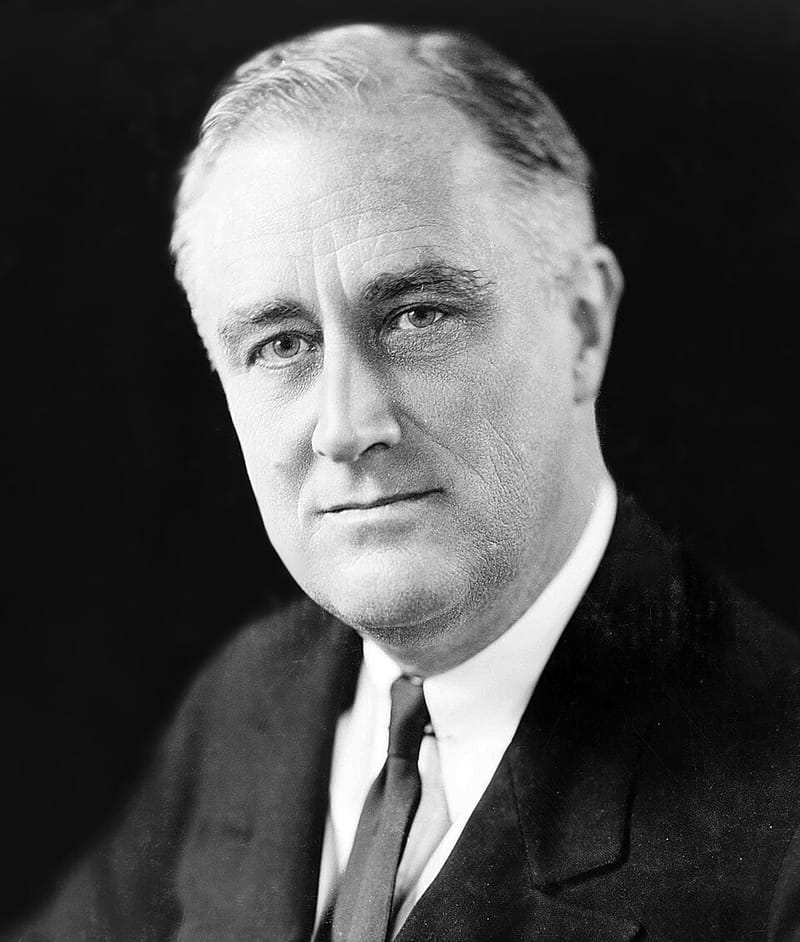
Thanksgiving became a national custom by presidential proclamation. In 1789 the first Federal Congress asked George Washington to recommend a day of thanksgiving, and he named Thursday, November 26. Later presidents chose varying dates until Abraham Lincoln’s 1863 proclamation made the last Thursday of November the regular day. When Franklin D. Roosevelt moved it a week earlier in 1939, the country briefly celebrated two Thanksgivings — until Congress fixed the holiday on the fourth Thursday of November in 1941.
Key facts
- Date
- November 26, 1789 – December 26, 1941
- Dating note
- From the first national Thanksgiving under the Constitution to the law fixing the holiday on the fourth Thursday of November.
- First under the Constitution
- Thursday, November 26, 1789, proclaimed by George Washington
- Made annual
- Lincoln’s 1863 proclamation: the last Thursday of November
- The 1939 change
- Roosevelt moved it a week earlier; 32 states followed, 16 refused
- Fixed by law
- Fourth Thursday of November, signed December 26, 1941
Why it matters
Thanksgiving is one of the most widely shared American holidays; its history shows presidents and Congress shaping a national ritual, and even the economy of the Depression affecting the calendar.
Historical background
On September 28, 1789, just before a recess, the first Federal Congress passed a resolution asking the president to recommend a day of thanksgiving. A few days later George Washington proclaimed Thursday, November 26, 1789, a “Day of Publick Thanksgivin” — the first Thanksgiving celebrated under the new Constitution. Later presidents issued their own proclamations, but the dates and even the months varied.
Causes and contributing factors
Abraham Lincoln’s 1863 proclamation began the regular observance on the last Thursday of November. In 1939, however, the last Thursday fell on the last day of the month. Worried that a shortened Christmas shopping season might slow the recovery from the Great Depression, Franklin D. Roosevelt moved Thanksgiving to the second-to-last Thursday.
What happened
Thirty-two states followed Roosevelt’s proclamation; sixteen refused and kept the last Thursday. For two years the country celebrated two Thanksgivings, one week apart. To end the confusion, the House of Representatives passed a joint resolution on October 6, 1941, making the last Thursday of November the legal holiday. The Senate amended it to the fourth Thursday, to account for Novembers with five Thursdays; the House agreed.
Immediate consequences
President Roosevelt signed the resolution on December 26, 1941, establishing the fourth Thursday in November as the federal Thanksgiving holiday.
Long-term significance
The 1941 law settled the date that Americans still observe. The holiday’s path — from a congressional request in 1789, through presidential proclamations, to a fixed federal date — shows how a national tradition was built step by step by the government as well as by custom.
Key peopleGeorge Washington, Abraham Lincoln, Franklin D. Roosevelt
Study this entry
Check your understanding
Try answering in your own words, then open the answer.
1.What led to Thanksgiving Day?Show answerHide
Abraham Lincoln’s 1863 proclamation began the regular observance on the last Thursday of November. In 1939, however, the last Thursday fell on the last day of the month.From “Causes and contributing factors” above.
2.What happened?Show answerHide
Thirty-two states followed Roosevelt’s proclamation; sixteen refused and kept the last Thursday. For two years the country celebrated two Thanksgivings, one week apart.From “What happened” above.
3.What were the immediate consequences?Show answerHide
President Roosevelt signed the resolution on December 26, 1941, establishing the fourth Thursday in November as the federal Thanksgiving holiday.From “Immediate consequences” above.
4.Why does it still matter?Show answerHide
The 1941 law settled the date that Americans still observe. The holiday’s path — from a congressional request in 1789, through presidential proclamations, to a fixed federal date — shows how a national tradition was built step by step by the government as well as by custom.From “Long-term significance” above.
Turn this entry into 10 flashcards (key facts, dates, and why it matters) and review them in Learn.
Related History
How this connects to the rest of the atlas.
Events

Sources
- 1.Congress Establishes Thanksgiving
National Archives, Center for Legislative Archives · Institutional · cited for 1789 resolution and proclamation, Lincoln 1863, Roosevelt 1939, 1941 law
Image credits
- George Washington's October 3, 1789, Thanksgiving Day Proclamation., Unknown author Unknown author or not provided, 3 October 1789. Via Wikimedia Commons · Public domain · Source
Written for American History Atlas from the sources above. See how entries are researched.
Atlas by Alexander. More on Telegram.