PersonExpansion and Sectional Conflict
Frederick Douglass
Escaped slave, orator, editor, and the foremost Black leader of the nineteenth century
1818–1895
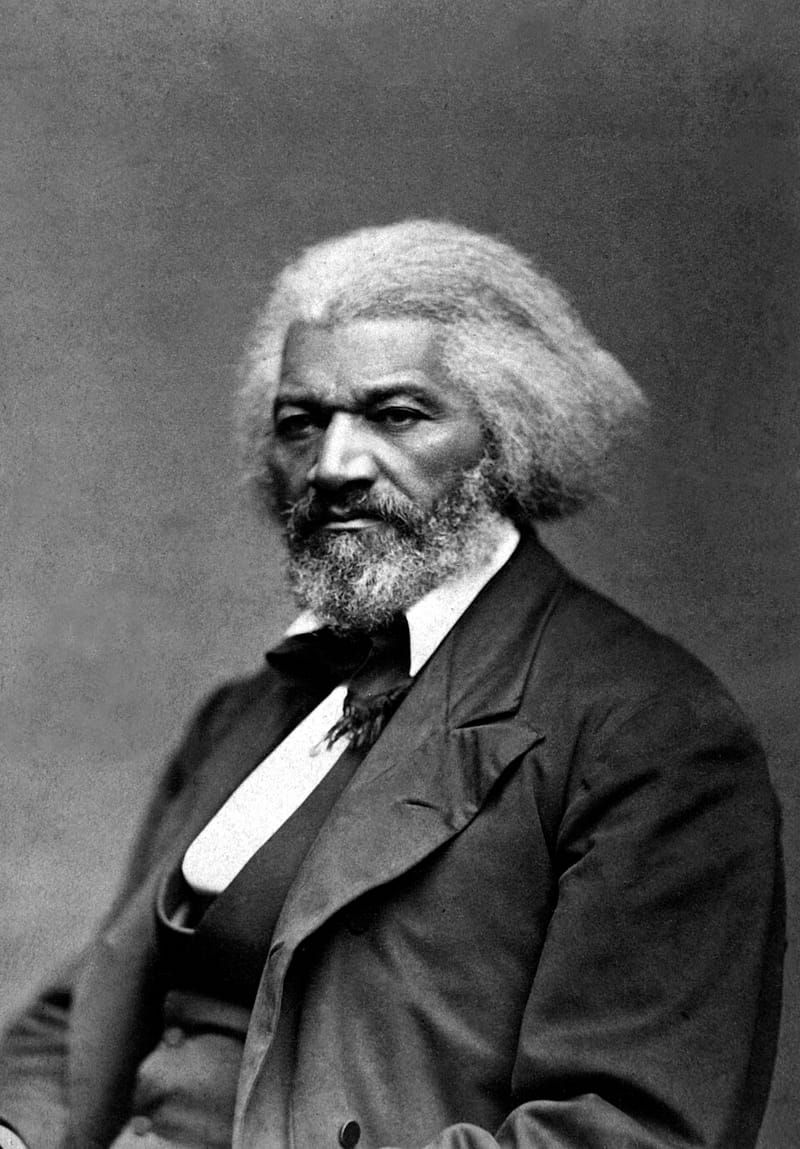
Frederick Douglass escaped slavery in Maryland in 1838 and became the most important leader of the movement for African American rights in the nineteenth century. His Narrative of the Life of Frederick Douglass (1845) became a bestseller, and his speeches — above all “What to the Slave Is the Fourth of July?” (1852) — indicted a nation that celebrated liberty while holding millions in bondage. He pressed Lincoln to make emancipation a goal of the Civil War, recruited Black soldiers, supported women’s rights, and held federal office in an era of rising racial violence.
Key facts
- Born
- February 1818, Talbot County, Eastern Shore of Maryland
- Died
- February 20, 1895, Cedar Hill, Washington, D.C.
- Roles
- Abolitionist lecturer and author; Editor of The North Star; Recruiter of Black Union soldiers; U.S. Marshal for D.C.; Minister Resident and Consul General to Haiti
- Born
- February 1818, into slavery in Maryland; he later chose February 14 as his birthday
- Escaped
- September 3, 1838, by train, dressed as a sailor, with help from Anna Murray, who became his wife
- Autobiographies
- Narrative (1845), My Bondage and My Freedom (1855), Life and Times (1881)
- Offices
- U.S. Marshal for D.C. (1877–81), Recorder of Deeds (1881–86), Minister to Haiti (1889–91)
Why it matters
Douglass showed, through his own life and words, that the promises of the Declaration of Independence applied to enslaved people — and that the nation would be judged by whether it kept them.
Early life and context
Frederick Augustus Washington Bailey was born into slavery on Maryland’s Eastern Shore in February 1818. He barely knew his mother, who was forced to labor on a distant plantation and died when he was young; he never knew his father. He later chose February 14 as his birthday, because the last time he saw his mother she sat him on her lap and gave him a heart-shaped ginger cake. At eight he was sent to Baltimore, where he taught himself to read and write and, at twelve, bought The Columbian Orator, a collection of speeches on natural rights. Sent back to the Eastern Shore as a teenager, he resisted — teaching other enslaved people, physically fighting a “slave-breaker,” and attempting an escape that failed. Returned to Baltimore, he met Anna Murray, a free Black woman, who paid for his train ticket north. On September 3, 1838, dressed as a sailor, he reached New York in less than a day.
Major actions and achievements
Frederick and Anna married and settled in New Bedford, Massachusetts, taking the name Douglass. He began speaking at abolitionist meetings and was soon hired as a lecturer by the Massachusetts Anti-Slavery Society. When audiences doubted he had ever been enslaved, he published his Narrative in 1845, naming names and places. Fearing recapture, he spent nearly two years lecturing in England, Ireland, and Scotland; British abolitionists purchased his freedom, and he returned legally free.
In Rochester, New York, he founded his own newspaper, The North Star, helped freedom seekers on the Underground Railroad, supported antislavery political parties, and embraced the women’s rights movement, attending the Seneca Falls Convention in 1848. On July 5, 1852, he told the Ladies’ Anti-Slavery Society of Rochester: “What, to the American slave, is your 4th of July?” — a day, he said, that revealed “the gross injustice and cruelty to which he is the constant victim.”
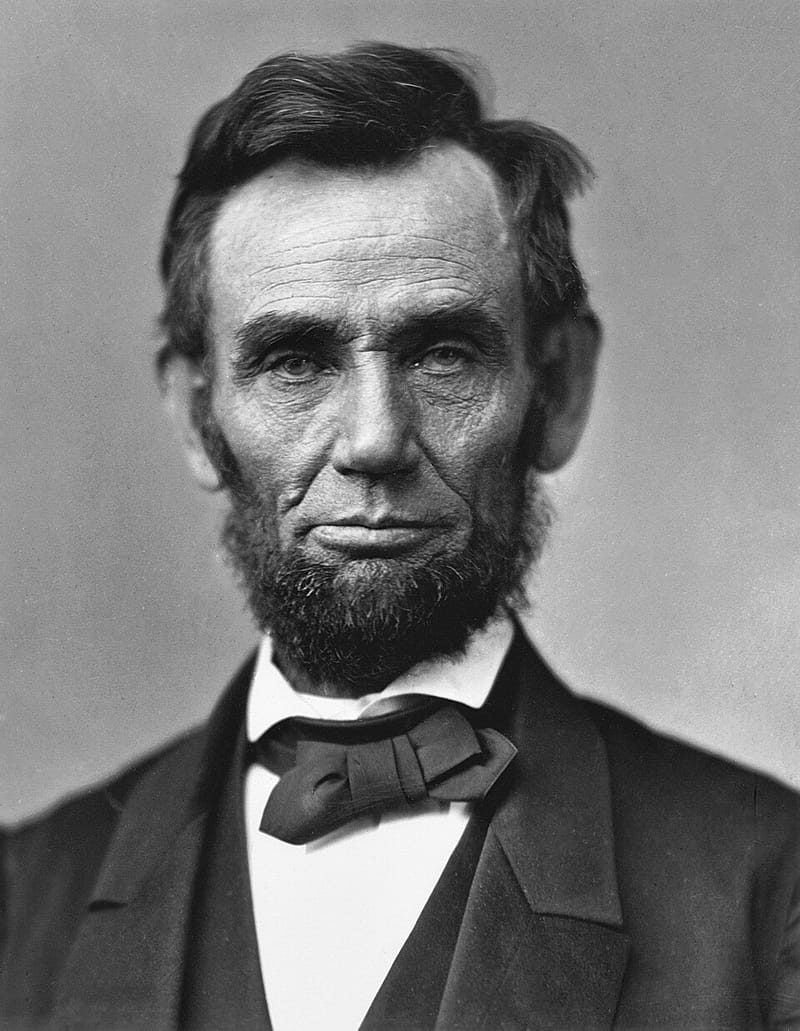
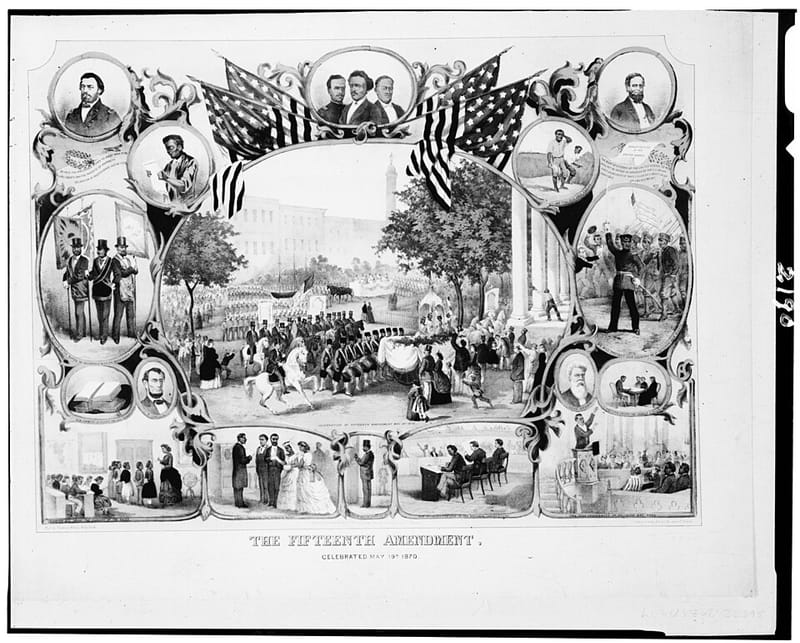
During the Civil War he worked to make emancipation an outcome of the war and recruited Black men for the Union army, including the 54th Massachusetts, in which his sons served. When Black soldiers protested unequal pay and treatment, he met with President Lincoln on their behalf. As emancipation came, he insisted that freedom would be empty without the rights of citizenship — a cause the Thirteenth, Fourteenth, and Fifteenth Amendments took up. In 1872 he moved to Washington, where he became president of the Freedman’s Bank, a trustee of Howard University, and a member of the D.C. territorial council; that year, without his knowledge or consent, he was nominated for vice president on Victoria Woodhull’s Equal Rights Party ticket — the first African American so named. After Reconstruction ended he served under five presidents as U.S. Marshal for the District of Columbia, Recorder of Deeds, and Minister Resident to Haiti.
Beliefs and ideas
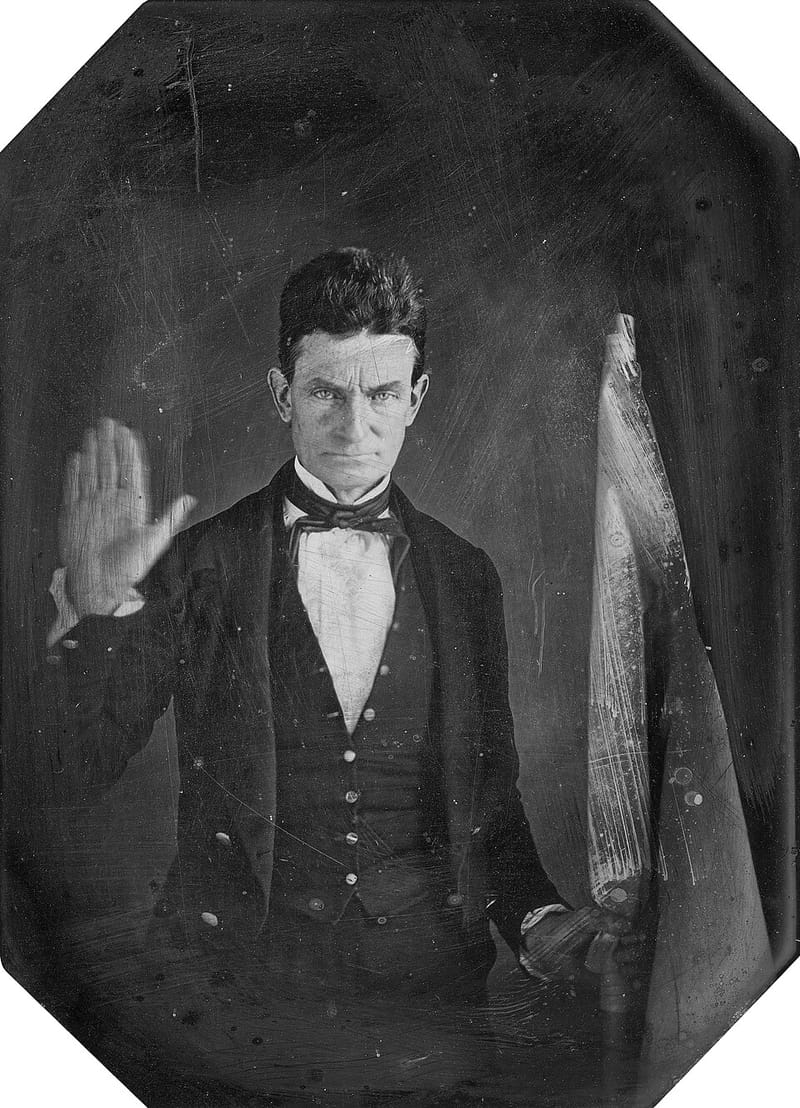
Douglass believed in the equality of all people, in the power of education and the press, and in political action. Once an ally of William Lloyd Garrison and his followers, he came to work more closely with the political abolitionist Gerrit Smith and with John Brown, and supported antislavery political parties. He supported women’s suffrage and believed in dialogue and alliances across racial and ideological divides.
Controversies, limits, and criticism
Douglass’s independence brought conflict, including his break with Garrison’s circle of abolitionists. In his public career after the war he held office at a time when violence and fraud were severely restricting Black political activity, and critics debated how much his loyalty to the Republican Party accomplished. In 1884, two years after Anna Murray Douglass died, he married Helen Pitts, an activist and the daughter of abolitionists; because she was white, the marriage stirred controversy.
Legacy
On February 20, 1895, Douglass attended a meeting of the National Council of Women, returned home to Cedar Hill, and was preparing to speak at a local church when he died of a heart attack at seventy-seven. His widow, Helen Pitts Douglass, preserved Cedar Hill as a museum; it is now the Frederick Douglass National Historic Site. The National Park Service calls him the father of the civil rights movement in the United States. His three autobiographies — the last, Life and Times (1881), surveying both the nation’s progress and the work left undone under Jim Crow — and his speeches remain central texts of American literature and political thought.
Study this entry
Check your understanding
Try answering in your own words, then open the answer.
1.What shaped Frederick Douglass early in life?Show answerHide
Frederick Augustus Washington Bailey was born into slavery on Maryland’s Eastern Shore in February 1818. He barely knew his mother, who was forced to labor on a distant plantation and died when he was young; he never knew his father.From “Early life and context” above.
2.What were Frederick Douglass’s major achievements?Show answerHide
Frederick and Anna married and settled in New Bedford, Massachusetts, taking the name Douglass. He began speaking at abolitionist meetings and was soon hired as a lecturer by the Massachusetts Anti-Slavery Society.From “Major actions and achievements” above.
3.What criticism or controversy surrounds Frederick Douglass?Show answerHide
Douglass’s independence brought conflict, including his break with Garrison’s circle of abolitionists. In his public career after the war he held office at a time when violence and fraud were severely restricting Black political activity, and critics debated how much his loyalty to the Republican Party accomplished.From “Controversies, limits, and criticism” above.
4.How is Frederick Douglass remembered?Show answerHide
On February 20, 1895, Douglass attended a meeting of the National Council of Women, returned home to Cedar Hill, and was preparing to speak at a local church when he died of a heart attack at seventy-seven. His widow, Helen Pitts Douglass, preserved Cedar Hill as a museum; it is now the Frederick Douglass National Historic Site.From “Legacy” above.
Turn this entry into 10 flashcards (key facts, dates, and why it matters) and review them in Learn.
Related History
How this connects to the rest of the atlas.
Events
People
Documents
Movements
.jpg)
Sources
- 1.Frederick Douglass
National Park Service, Frederick Douglass National Historic Site · Institutional · cited for life, escape, Narrative, North Star, Civil War, offices, death
- 2.What to the Slave Is the Fourth of July? (1852)
Teaching American History, Ashland University · Primary source · cited for speech date, audience, quotation
- 3.Frederick Douglass
National Park Service · Institutional · cited for overview
Image credits
- Frederick Douglass (circa 1879), George Kendall Warren, circa 1879. Via Wikimedia Commons · Public domain · Source
Written for American History Atlas from the sources above. See how entries are researched.
Atlas by Alexander. More on Telegram.