PersonIndustrialization and the Gilded Age
Susan B. Anthony
Organizer and public face of the woman suffrage movement
1820–1906
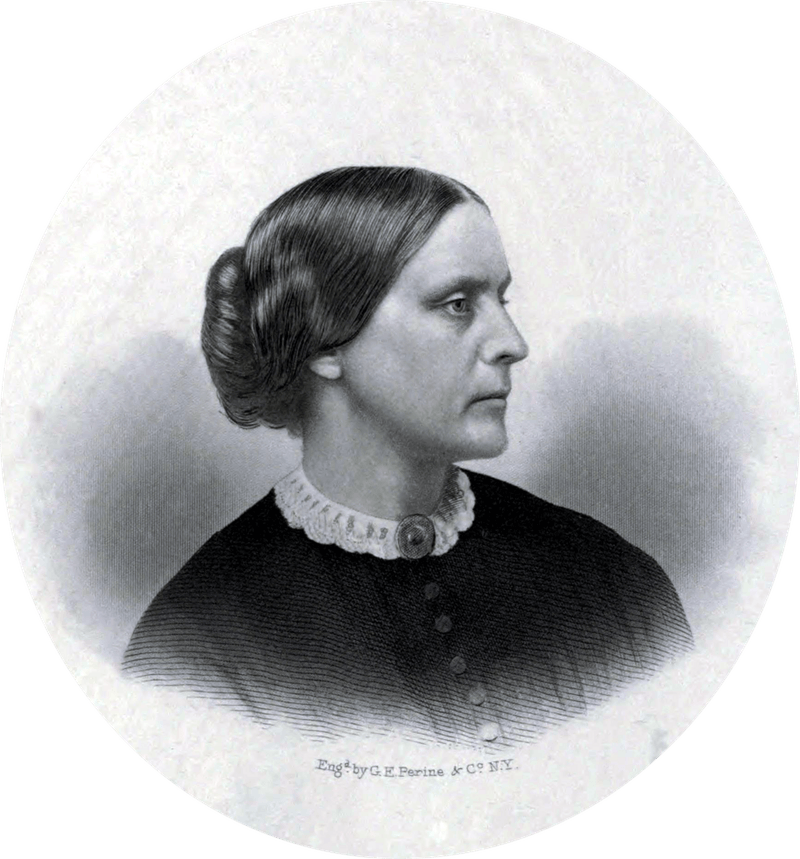
Susan B. Anthony was the most widely known suffragist of her generation and the tireless organizer of the campaign for women’s right to vote. Raised a Quaker, she worked first against slavery and alcohol, then joined Elizabeth Cady Stanton in a fifty-year partnership — Stanton writing, Anthony traveling, petitioning, and lobbying Congress every year. In 1872 she was arrested and convicted for voting. She died in 1906, fourteen years before the Nineteenth Amendment — widely called the “Susan B. Anthony amendment” — gave women the vote.
Key facts
- Born
- February 15, 1820, Adams, Massachusetts
- Died
- March 13, 1906, Rochester, New York
- Roles
- Abolitionist and American Anti-Slavery Society agent; Co-founder of the National Woman Suffrage Association; Publisher of The Revolution
- Born
- February 15, 1820, near Adams, Massachusetts
- Partnership
- With Elizabeth Cady Stanton, from 1851
- Arrest
- For voting in Rochester, New York, in the 1872 election; fined $100, which she refused to pay
- Died
- 1906
Why it matters
Anthony turned the demand for women’s suffrage into a sustained national campaign — and her arrest for voting made the case that women were already citizens entitled to the ballot.
Early life and context
Anthony was born on February 15, 1820, near Adams, Massachusetts, into a Quaker family that believed in “the equality of all people before God.” Her father, who ran a cotton mill, tried to avoid buying cotton grown by enslaved people; as a girl Anthony worked in the mill and wondered why he would not make a woman an overseer. Quakers insisted on education for girls as well as boys, and in 1837 she was sent to a Friends’ seminary near Philadelphia to study subjects from algebra to astronomy.
After the family moved to Rochester, New York, in 1845, their farm became a Sunday meeting place for antislavery Quakers, sometimes joined by Frederick Douglass and William Lloyd Garrison. Teaching in Canajoharie, New York, in 1848, Anthony learned that male teachers were paid $10 a month and women $2.50 — a lesson in inequality she never forgot.
Major actions and achievements
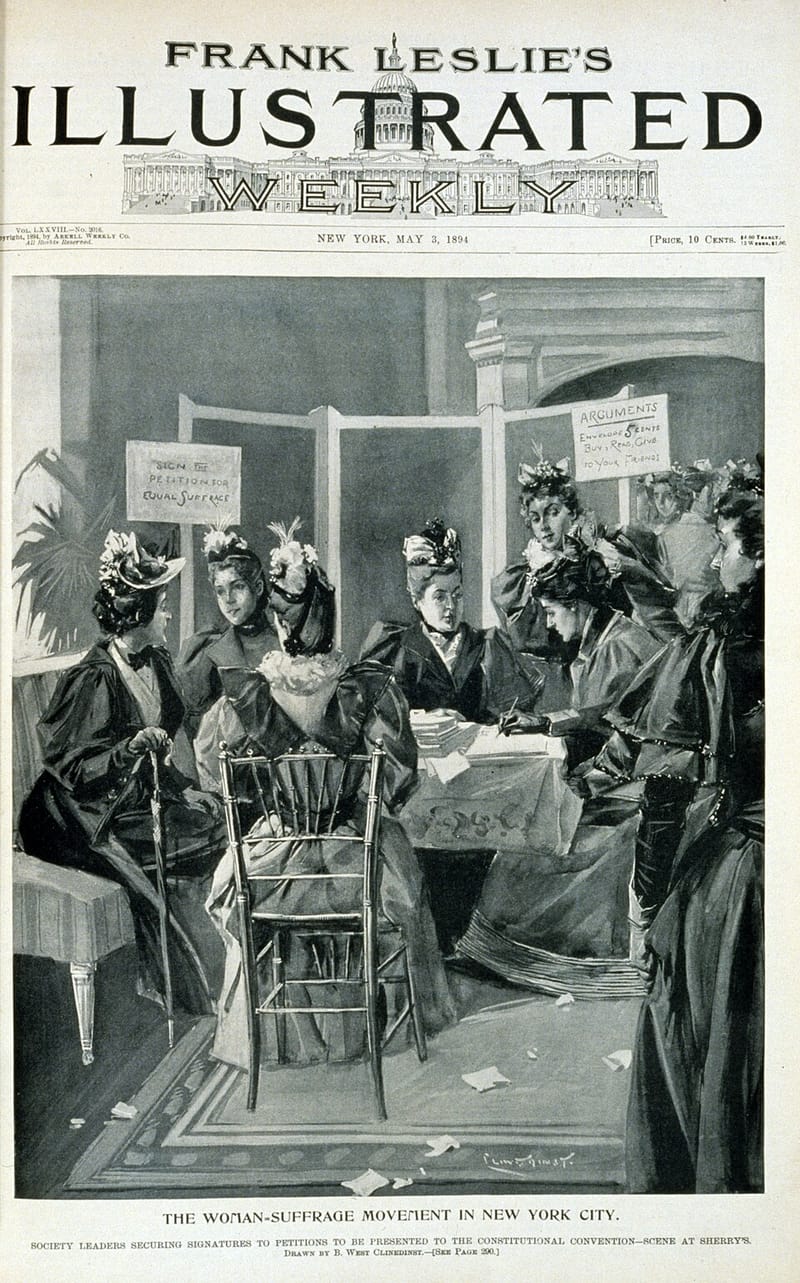
In 1851, on a street corner in Seneca Falls, Amelia Bloomer introduced Anthony to Elizabeth Cady Stanton, and the two began a partnership that lasted the rest of their lives: Stanton, a mother of seven, wrote speeches and arguments, while Anthony, who never married, carried them across the country. In 1853 Anthony campaigned for married women’s property rights in New York, collecting petitions and lobbying the legislature. From 1856 she was an agent of the American Anti-Slavery Society; in the “Winter of Mobs” of 1861 she faced hostile crowds and was burned in effigy in Syracuse. In 1863 she, Stanton, and Lucy Stone formed the Women’s Loyal National League to press for the Thirteenth Amendment.
After the war Anthony and Stanton edited The Revolution, whose motto was “Men, their rights, and nothing more; women, their rights, and nothing less.” In 1869 they founded the National Woman Suffrage Association to win a constitutional amendment for women. On November 5, 1872, Anthony voted for Ulysses S. Grant in Rochester; she was arrested by a federal marshal, and in 1873 a judge directed an all-male jury to find her guilty. She was fined $100 and refused to pay. With Stanton and Matilda Joslyn Gage she compiled the multivolume History of Woman Suffrage, and in 1892 she became president of the newly united National American Woman Suffrage Association.
Beliefs and ideas
Anthony’s Quaker faith in equality shaped everything she did. She argued that the Constitution already belonged to women: “It was we, the people; not we, the white male citizens; nor yet we, the male citizens; but we, the whole people, who formed the Union,” she said in 1873, and it was “a downright mockery” to speak of women enjoying liberty while denying them the ballot. She warned younger suffragists not to expect victory merely because their cause was just.
Controversies, limits, and criticism
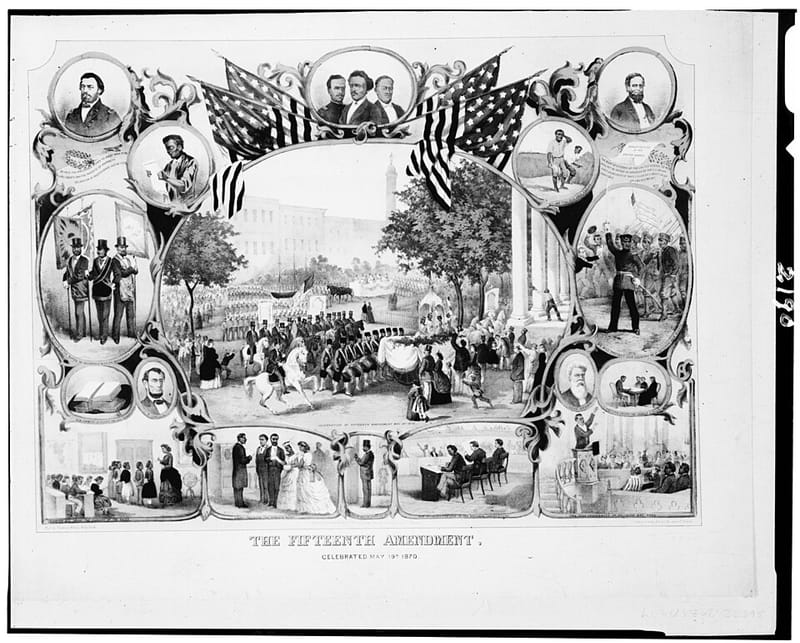
In the bitter split over the Fourteenth and Fifteenth Amendments, which protected the voting rights of Black men but not of women, Anthony and Stanton opposed the Fifteenth Amendment and broke with former allies such as Frederick Douglass and Lucy Stone. Although Anthony had long fought slavery, the National Women’s History Museum notes that she adopted the racist arguments used by many white suffragists of her day — that educated white women deserved the vote before others. The division created rival suffrage organizations that did not reunite until 1890.
Legacy
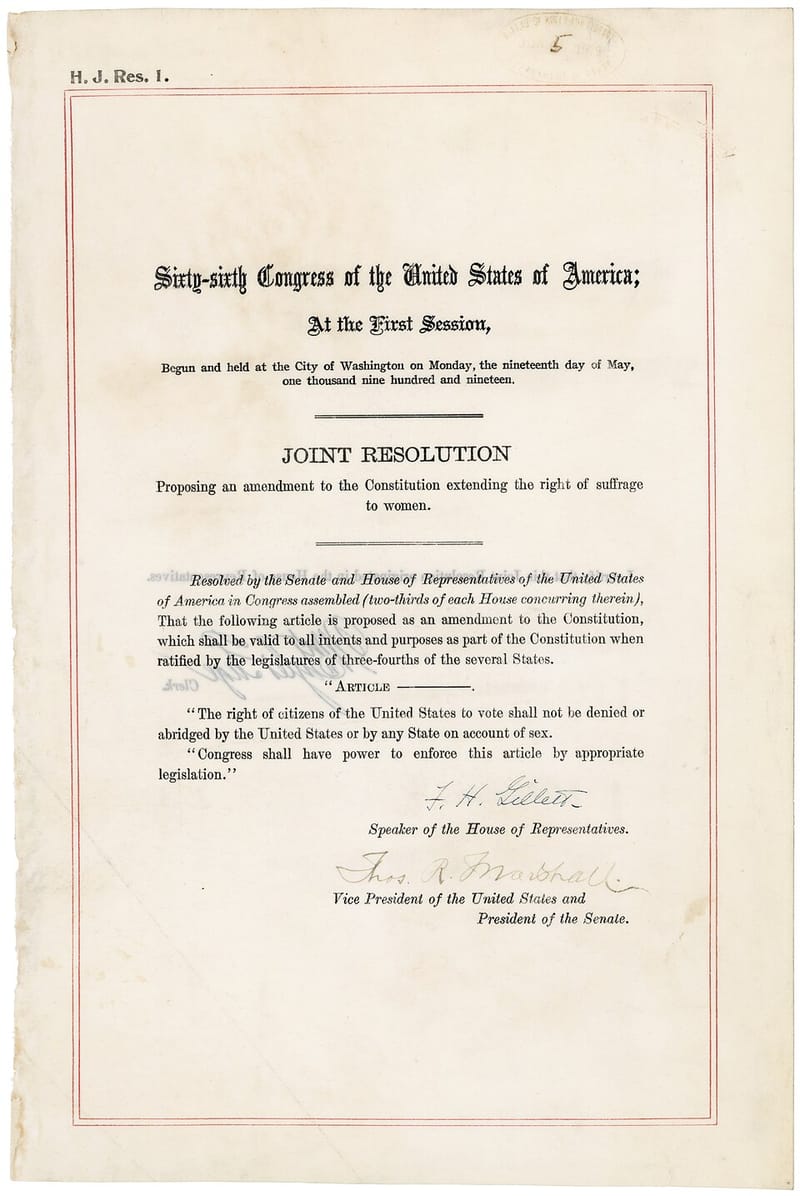
When Anthony retired from the suffrage association’s presidency, she presented Carrie Chapman Catt as her “ideal leader.” In 1905 she met President Theodore Roosevelt to urge a suffrage amendment, and she gave her last great speech at her eighty-sixth birthday celebration: “Failure is impossible!” She died of heart failure and pneumonia at her Rochester home on March 13, 1906. When the Nineteenth Amendment was ratified in 1920, it was widely known as the “Susan B. Anthony amendment,” and she remains an icon of the women’s suffrage movement.
Study this entry
Check your understanding
Try answering in your own words, then open the answer.
1.What shaped Susan B. Anthony early in life?Show answerHide
Anthony was born on February 15, 1820, near Adams, Massachusetts, into a Quaker family that believed in “the equality of all people before God.” Her father, who ran a cotton mill, tried to avoid buying cotton grown by enslaved people; as a girl Anthony worked in the mill and wondered why he would not make a woman an overseer.From “Early life and context” above.
2.What were Susan B. Anthony’s major achievements?Show answerHide
In 1851, on a street corner in Seneca Falls, Amelia Bloomer introduced Anthony to Elizabeth Cady Stanton, and the two began a partnership that lasted the rest of their lives: Stanton, a mother of seven, wrote speeches and arguments, while Anthony, who never married, carried them across the country.From “Major actions and achievements” above.
3.What criticism or controversy surrounds Susan B. Anthony?Show answerHide
In the bitter split over the Fourteenth and Fifteenth Amendments, which protected the voting rights of Black men but not of women, Anthony and Stanton opposed the Fifteenth Amendment and broke with former allies such as Frederick Douglass and Lucy Stone.From “Controversies, limits, and criticism” above.
4.How is Susan B. Anthony remembered?Show answerHide
When Anthony retired from the suffrage association’s presidency, she presented Carrie Chapman Catt as her “ideal leader.” In 1905 she met President Theodore Roosevelt to urge a suffrage amendment, and she gave her last great speech at her eighty-sixth birthday celebration: “Failure is impossible!”From “Legacy” above.
Turn this entry into 9 flashcards (key facts, dates, and why it matters) and review them in Learn.
Related History
How this connects to the rest of the atlas.
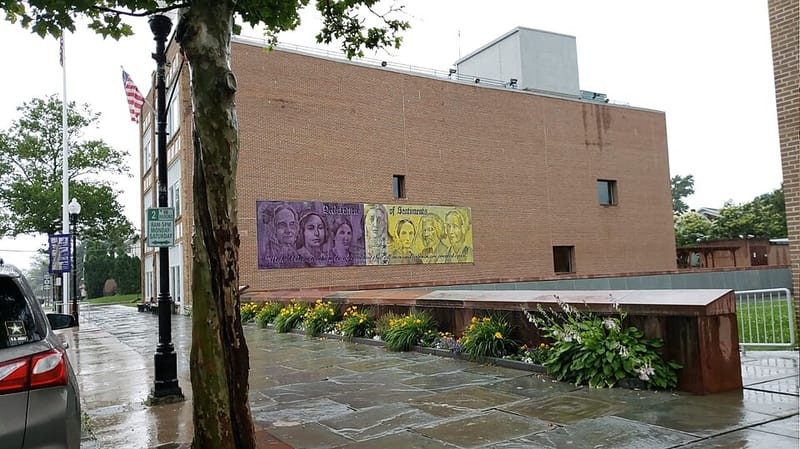
People
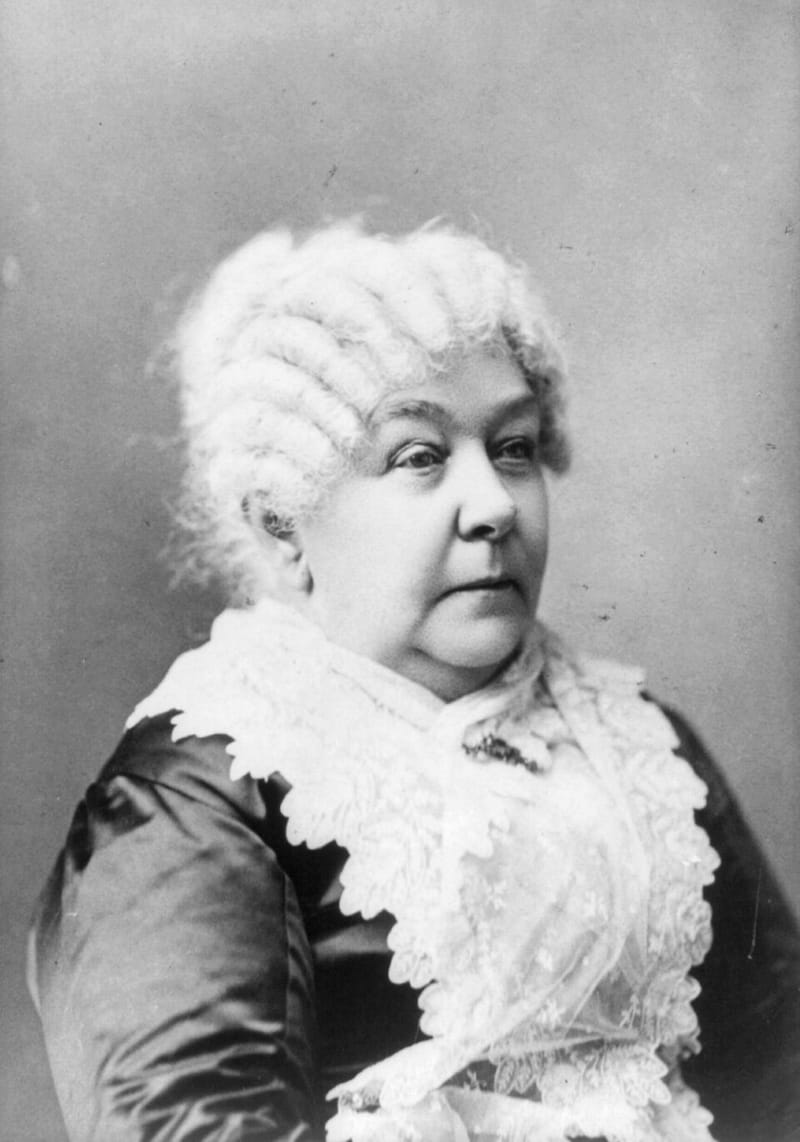
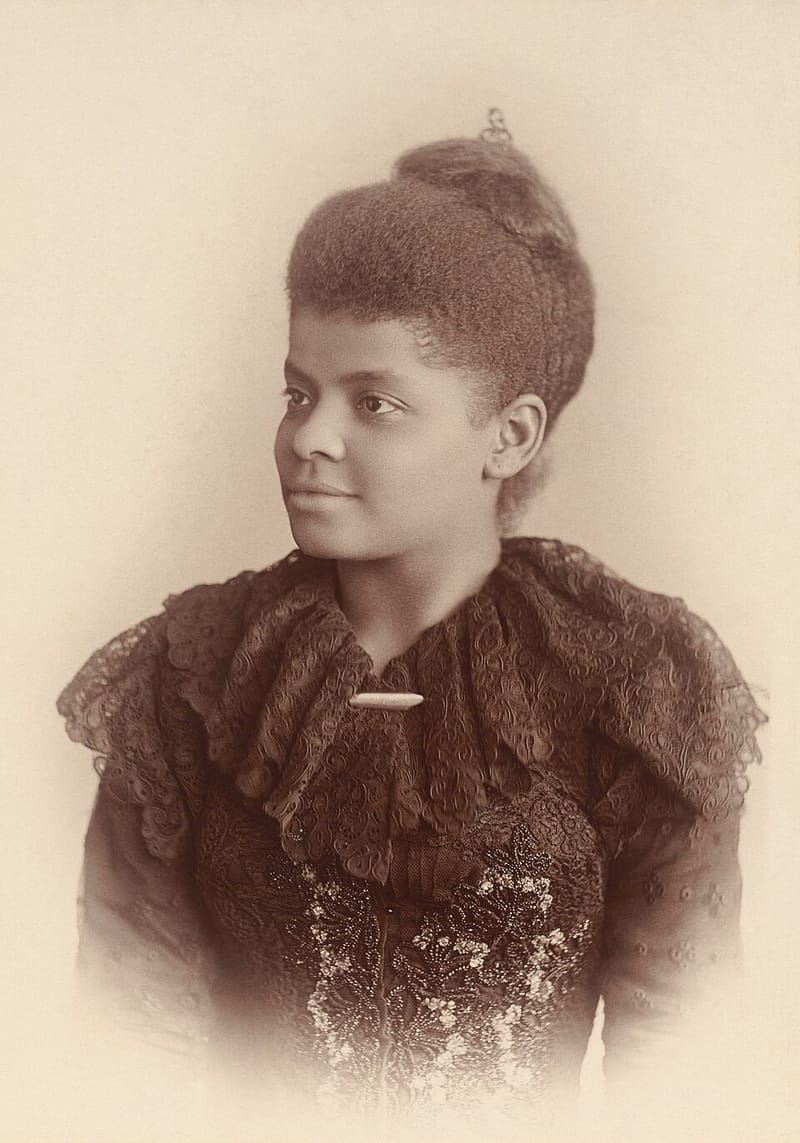
Documents

Sources
- 1.Susan B. Anthony
National Women’s History Museum · Institutional · cited for life, abolition, Stanton, 1872 vote, trial, The Revolution, death
- 2.Elizabeth Cady Stanton
National Women’s History Museum · Institutional · cited for partnership and NWSA
- 3.Susan B. Anthony
National Park Service · Institutional · cited for teaching, meeting Stanton, petition campaigns, abolition work, The Revolution
Image credits
- Susan B Anthony c1855, Engraved by G.E. Perine & Co., NY, Approximately 1855, plus or minus ten ye. Via Wikimedia Commons · Public domain · Source
Written for American History Atlas from the sources above. See how entries are researched.
Atlas by Alexander. More on Telegram.