EventThe Progressive Era and World War I
Puerto Rico Under the United States
From Spanish colony to U.S. territory and commonwealth, 1898–1952
1898–1952Puerto Rico
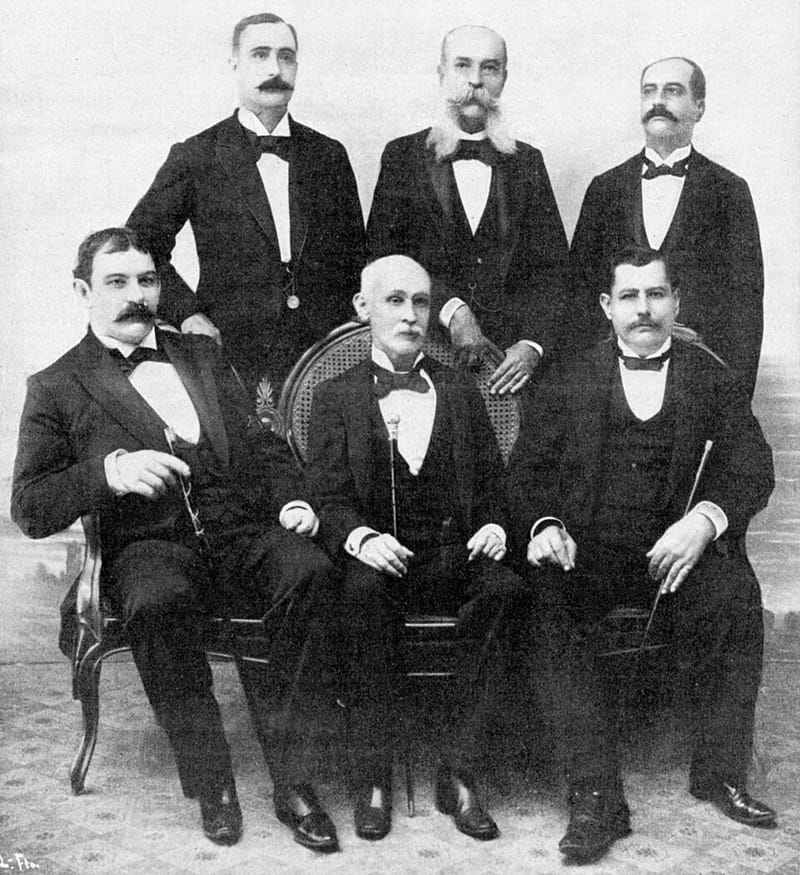
Puerto Rico, long a Spanish colony, passed to the United States in 1898 at the end of the Spanish-American War. After two years of military rule, the Foraker Act of 1900 set up a civil government but gave Puerto Ricans no U.S. citizenship. Island leaders such as Luis Muñoz Rivera pressed Congress for years, and the Jones-Shafroth Act of March 2, 1917, made Puerto Ricans U.S. citizens. In 1952 Puerto Rico became a self-governing commonwealth. Its people are citizens, yet the island is represented in Congress only by a non-voting resident commissioner — and the nature of that relationship is still debated today.
Key facts
- Date
- 1898–1952
- Location
- Puerto Rico
- Became American
- Ceded by Spain in the Treaty of Paris, December 10, 1898
- Foraker Act (1900)
- Ended military rule; a “temporary civil government,” but no U.S. citizenship
- Jones-Shafroth Act
- March 2, 1917: collective U.S. citizenship, a two-house legislature, and a non-voting resident commissioner in Congress
- World War I
- Some 20,000 Puerto Rican men were drafted and served
- Commonwealth
- 1952: more self-government; citizenship unchanged
Why it matters
Puerto Rico is one of the territories the United States acquired as it became an overseas empire in 1898. Its unresolved status — citizens without full representation — raises lasting questions about democracy, empire, and what it means to be part of the United States.
Historical background
Juan Ponce de León, the Spanish conqueror of Puerto Rico, went on to land in Florida in 1513. Centuries later, island leaders such as Luis Muñoz Rivera and Tulio Larrínaga were fighting for Puerto Rico’s sovereignty while it still belonged to Spain. In 1898 the United States went to war with Spain, which had been fighting Cuban revolutionaries for three years, and in the Treaty of Paris, signed on December 10, 1898, Spain ceded Puerto Rico, Guam, and the Philippines to the United States.
Causes and contributing factors
Victory over Spain left the United States with island colonies and no settled plan for governing them. Many Americans wanted the strategic and commercial advantages of overseas territory; anti-imperialists warned that ruling peoples without their consent betrayed the nation’s founding ideals. Over the following decades Congress would debate more than a hundred bills dealing with citizenship for the island.
What happened
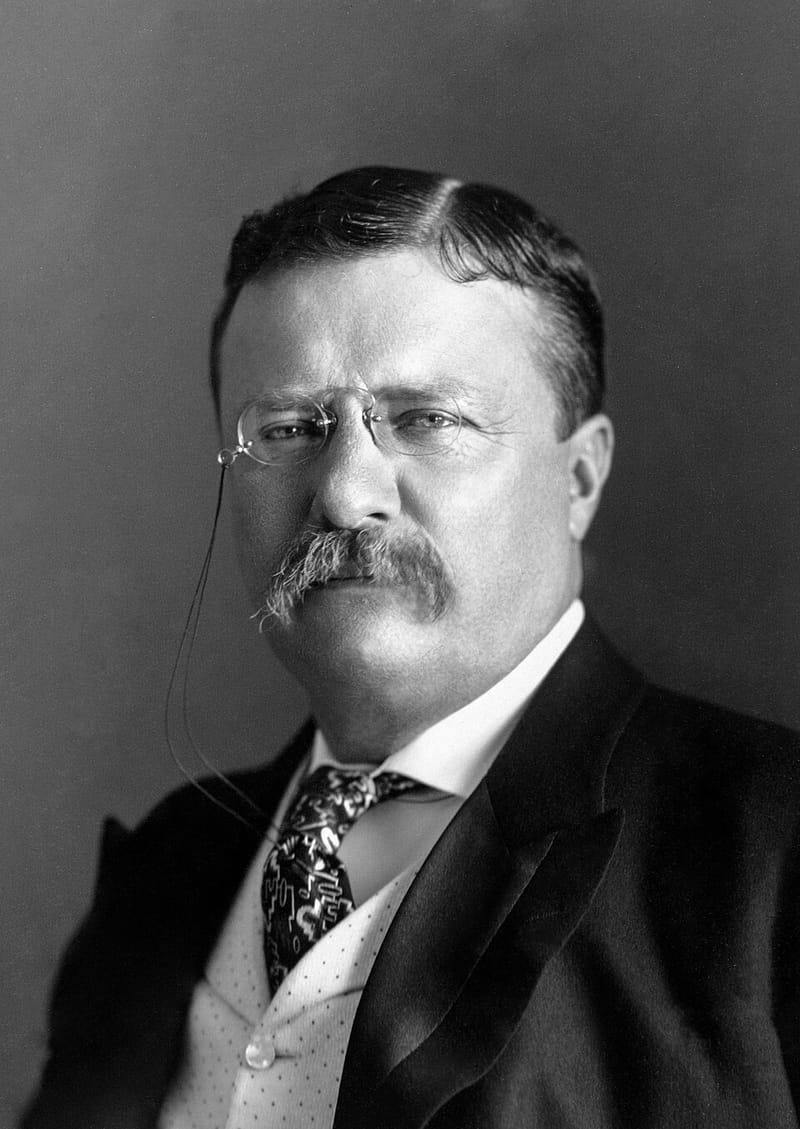
At first the island was ruled by the U.S. military and a presidentially appointed governor. The Foraker Act of 1900 ended military rule and provided a “temporary civil government for Porto Rico,” as Congress then spelled it, but it did not make Puerto Ricans U.S. citizens. Muñoz Rivera and others kept pressing Congress. President Theodore Roosevelt endorsed citizenship during a visit to the island in 1906, and as resident commissioner in Washington, Muñoz Rivera told Congress in 1916: “Give us now the field of experiment which we ask of you.” He died that November, a few months before Congress acted.
On March 2, 1917, the Jones-Shafroth Act became law. It collectively naturalized the people of Puerto Rico as U.S. citizens and created a new government: an elected two-house legislature with a 19-member Senate and a 39-member House, a governor and executive council appointed by the president, a Supreme Court and a U.S. District Court, a non-voting resident commissioner in Congress, and protections for individual civil rights. Two months later Congress passed the Selective Service Act, and some 20,000 Puerto Rican men were drafted to serve in World War I.
Immediate consequences
Citizenship did not bring full self-rule: the governor and other top officials were still appointed in Washington. Over the following decades Congress kept adjusting the islanders’ status — according to scholars of the Puerto Rico Citizenship Archives Project, it enacted at least ten laws conferring different kinds of nationality and citizenship, and since 1940 people born in Puerto Rico have been U.S. citizens by birth.
Long-term significance
In 1952 Puerto Rico became a commonwealth (Estado Libre Asociado) with its own constitution and more autonomy, though the citizenship rights granted in 1917 did not change. Many Americans still do not understand the island’s status: in a 2017 poll only 54 percent of mainland residents knew that people born in Puerto Rico are U.S. citizens. Academics and politicians continue to argue over whether Puerto Ricans’ citizenship leaves them with a second-class, territorial status.
Study this entry
Check your understanding
Try answering in your own words, then open the answer.
1.What led to Puerto Rico Under the United States?Show answerHide
Victory over Spain left the United States with island colonies and no settled plan for governing them. Many Americans wanted the strategic and commercial advantages of overseas territory; anti-imperialists warned that ruling peoples without their consent betrayed the nation’s founding ideals.From “Causes and contributing factors” above.
2.What happened?Show answerHide
At first the island was ruled by the U.S. military and a presidentially appointed governor. The Foraker Act of 1900 ended military rule and provided a “temporary civil government for Porto Rico,” as Congress then spelled it, but it did not make Puerto Ricans U.S. citizens.From “What happened” above.
3.What were the immediate consequences?Show answerHide
Citizenship did not bring full self-rule: the governor and other top officials were still appointed in Washington.From “Immediate consequences” above.
4.Why does it still matter?Show answerHide
In 1952 Puerto Rico became a commonwealth (Estado Libre Asociado) with its own constitution and more autonomy, though the citizenship rights granted in 1917 did not change.From “Long-term significance” above.
Turn this entry into 11 flashcards (key facts, dates, and why it matters) and review them in Learn.
Related History
How this connects to the rest of the atlas.
Events
Wars
.jpg)
Sources
- 1.100 Years of Puerto Rico: Puerto Rico Becomes a U.S. Territory
Library of Congress, In Custodia Legis (Law Library blog) · Institutional · cited for Treaty of Paris, Foraker Act, Muñoz Rivera, Jones-Shafroth Act provisions, 1952 commonwealth, World War I draft
- 2.The Puerto Rico Citizenship Archives Project (PRCAP)
Puerto Rico Citizenship Archives Project (Charles R. Venator-Santiago, University of Connecticut) · Scholarly · cited for collective naturalization, kinds of citizenship since 1898, birthright citizenship since 1940, polls
- 3.The Spanish-American War, 1898
Office of the Historian, U.S. Department of State · Institutional · cited for cession of Puerto Rico
- 4.19. American Empire
The American Yawp (Stanford University Press) · Scholarly · cited for imperialism debate, Treaty of Paris
- 5.1. The New World
The American Yawp (Stanford University Press) · Scholarly · cited for Ponce de León, conqueror of Puerto Rico
Image credits
- Puerto Rico’s first autonomous cabinet, 1898, Anonymous Unknown author, 1898. Via Wikimedia Commons · Public domain · Source
Written for American History Atlas from the sources above. See how entries are researched.
Atlas by Alexander. More on Telegram.