PersonThe Progressive Era and World War I
Theodore Roosevelt
Twenty-sixth president and champion of the “Square Deal”
1858–1919
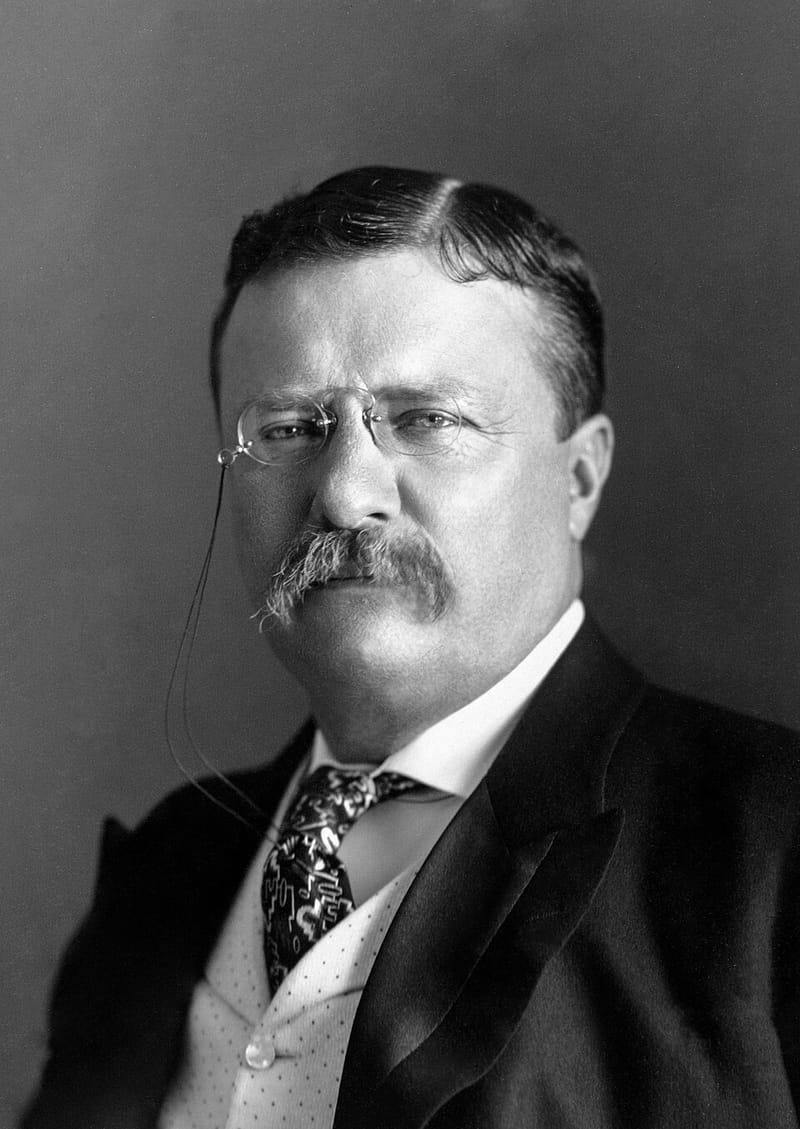
Theodore Roosevelt, the twenty-sixth president of the United States (1901–1909), was a sickly New York boy who remade himself into a rancher, war hero, naturalist, and reformer. Thrust into office at forty-two by William McKinley’s assassination — the youngest president in the nation’s history — he made the White House, rather than Congress or the party bosses, the center of American politics. He regulated big business under his “Square Deal,” set aside nearly 200 million acres of public land, built the Panama Canal, and made the United States a world power.
Key facts
- Born
- October 27, 1858, New York City
- Died
- 1919
- Roles
- New York assemblyman and governor; Assistant secretary of the Navy; Rough Rider in the Spanish-American War; Twenty-sixth president (1901–1909); Progressive (“Bull Moose”) Party candidate (1912)
- Presidency
- 1901–1909
- Domestic program
- The Square Deal: regulation of industry and welfare legislation
- Conservation
- Nearly 200 million acres set aside for national forests, reserves, and wildlife refuges
- Foreign policy
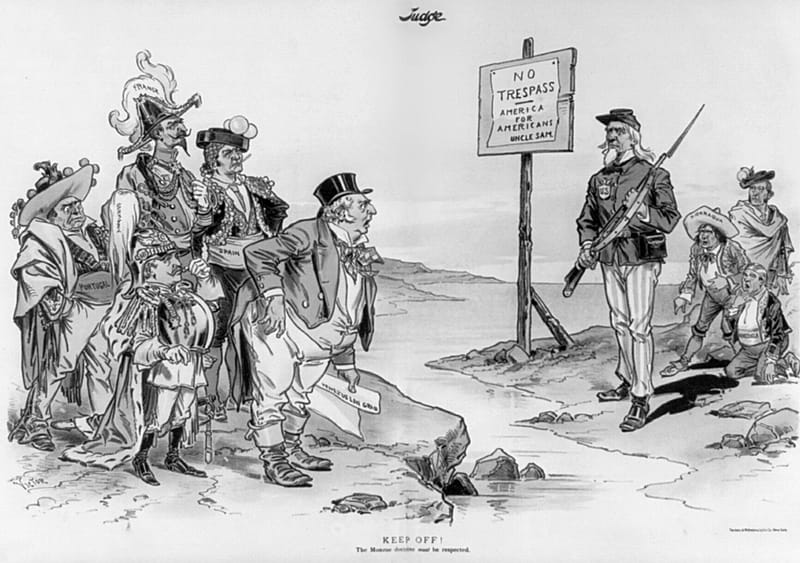
- Panama Canal; Roosevelt Corollary to the Monroe Doctrine (1904–05)
Why it matters
Roosevelt turned the presidency into an engine of reform and international power, establishing the activist model that twentieth-century presidents followed.
Early life and context
Roosevelt was born on October 27, 1858, in New York City, the second of four children of a wealthy businessman and philanthropist. “Teedie” was a sickly, asthmatic child; as a teenager he resolved to “make his body,” and through gymnastics, weight lifting, boxing, and wrestling built the rugged physique behind his lifelong gospel of “the strenuous life.” After Harvard he married Alice Hathaway Lee, dropped out of Columbia Law School, and in 1882 — the year his first book, The Naval War of 1812, appeared — entered the New York Assembly.
On February 14, 1884, two days after his daughter was born, his mother died of typhoid fever and his wife of kidney disease, within hours of each other in the same house. Devastated, Roosevelt fled to the Dakota Badlands, bought two ranches and a thousand head of cattle, hunted grizzly bears, and chased outlaws as a frontier sheriff. Back in New York in 1886, he married his childhood sweetheart Edith Kermit Carow and settled at Sagamore Hill in Oyster Bay. He wrote history, lost a race for mayor, enforced the civil service laws as a federal commissioner, and cleaned up the corrupt New York City Police Board — repeatedly angering party bosses with his honesty.
Major actions and achievements
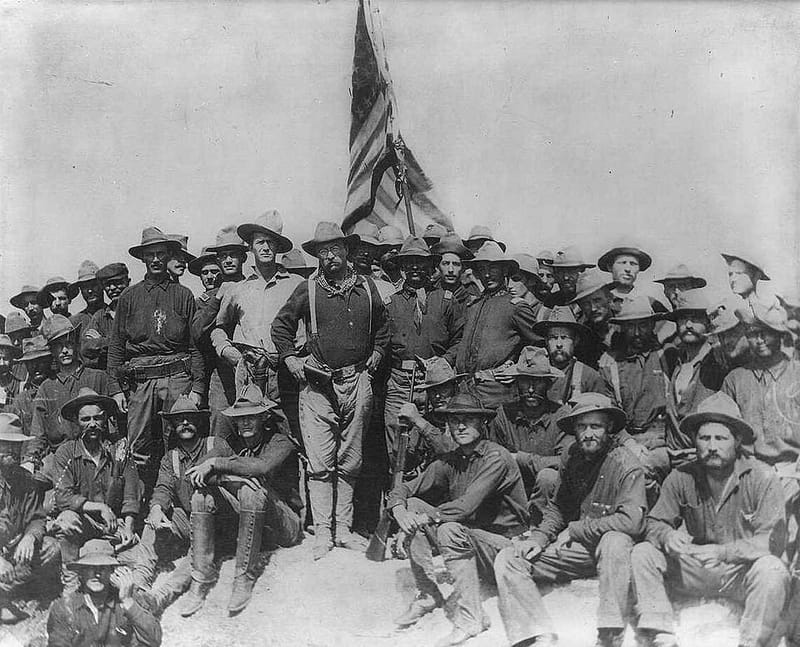
As assistant secretary of the Navy in 1898, Roosevelt readied Commodore George Dewey’s squadron for war with Spain. When the war came, he resigned to command the 1st U.S. Volunteer Cavalry — the Rough Riders, a mix of Ivy Leaguers, cowboys, and lawmen — and led them on foot up Kettle Hill near Santiago, Cuba. Elected governor of New York, he defied the state’s Republican boss, Thomas Platt, who arranged to “kick him upstairs” to the vice presidency in 1900. In September 1901 an assassin’s bullet made Roosevelt president — “that damned cowboy,” as party boss Mark Hanna called him.
Roosevelt believed a president could do anything the law did not forbid. His Square Deal brought welfare legislation and government regulation of industry, and he used the office to appeal directly to the public, over the heads of parties and politicians. He was the nation’s first environmentalist president, setting aside nearly 200 million acres for national forests, reserves, and wildlife refuges. Abroad, he secured the rights to build the Panama Canal, proclaimed in his 1904 corollary to the Monroe Doctrine that the United States would act as an “international police power” in the Western Hemisphere, and helped negotiate peace between warring nations. Elected in a landslide in 1904, he promised not to run again — a pledge he came to regret. In 1912, convinced that his successor William Howard Taft had abandoned reform, he ran as the candidate of the new Progressive (“Bull Moose”) Party, splitting the Republican vote and helping elect Woodrow Wilson.
Beliefs and ideas
Roosevelt rejected the era’s faith in limited government and pure individualism. He wanted government regulation to achieve social and economic justice; he wanted the nation’s forests and wildlife protected; and he believed a great nation must back its diplomacy with force. He prized courage, duty, and action: of his charge in Cuba he wrote, “I would rather have led that charge and earned my colonelcy than served three terms in the United States Senate.”
Controversies, limits, and criticism
Roosevelt’s foreign policy was openly expansionist and paternalistic. As the National Archives notes, his corollary turned the Monroe Doctrine on its head: a policy meant to keep Europeans from intervening in Latin America became a justification for American intervention there, until Franklin Roosevelt renounced it in 1934. Wealthy capitalists distrusted his reforms and supported him in 1904 only because they feared the Democrats more, while party regulars resented his independence. His 1912 bolt from the Republicans divided his own party and handed the presidency to the Democrats.
Legacy
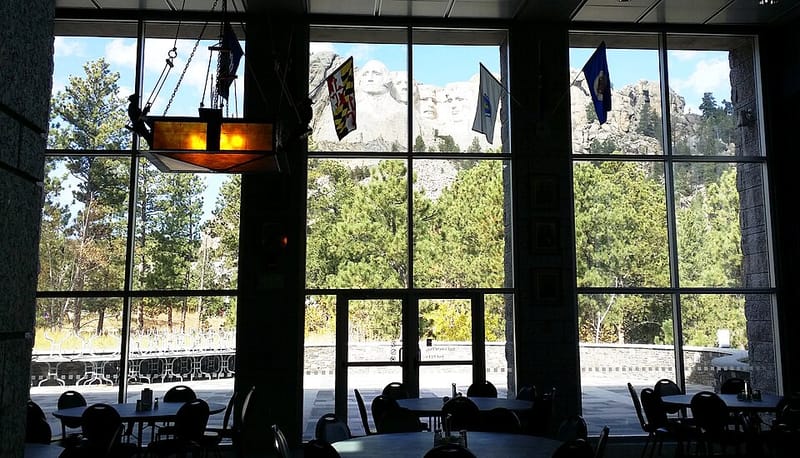
When the United States entered World War I in 1917, all four of Roosevelt’s sons volunteered; the death of his youngest, Quentin, left him deeply distraught, and he died less than a year later, in 1919. Historians call him the first modern president: he enlarged the power and visibility of the office, used the press to rally public opinion, and established the activist presidency that later presidents built on. His face is one of the four on Mount Rushmore, chosen to represent the nation’s development.
Study this entry
Check your understanding
Try answering in your own words, then open the answer.
1.What shaped Theodore Roosevelt early in life?Show answerHide
Roosevelt was born on October 27, 1858, in New York City, the second of four children of a wealthy businessman and philanthropist.From “Early life and context” above.
2.What were Theodore Roosevelt’s major achievements?Show answerHide
As assistant secretary of the Navy in 1898, Roosevelt readied Commodore George Dewey’s squadron for war with Spain.From “Major actions and achievements” above.
3.What criticism or controversy surrounds Theodore Roosevelt?Show answerHide
Roosevelt’s foreign policy was openly expansionist and paternalistic. As the National Archives notes, his corollary turned the Monroe Doctrine on its head: a policy meant to keep Europeans from intervening in Latin America became a justification for American intervention there, until Franklin Roosevelt renounced it in 1934.From “Controversies, limits, and criticism” above.
4.How is Theodore Roosevelt remembered?Show answerHide
When the United States entered World War I in 1917, all four of Roosevelt’s sons volunteered; the death of his youngest, Quentin, left him deeply distraught, and he died less than a year later, in 1919.From “Legacy” above.
Turn this entry into 9 flashcards (key facts, dates, and why it matters) and review them in Learn.
Related History
How this connects to the rest of the atlas.
Events
People
Documents
Movements

Sources
- 1.Theodore Roosevelt: Life in Brief
Miller Center, University of Virginia · Scholarly · cited for life, presidency, Square Deal, conservation, foreign policy
- 2.Theodore Roosevelt’s Corollary to the Monroe Doctrine (1905) — Milestone Documents
National Archives · Primary source · cited for Roosevelt Corollary
- 3.The Spanish-American War, 1898
U.S. Department of State, Office of the Historian · Institutional · cited for causes, course, treaty, consequences
- 4.Monroe Doctrine, 1823
U.S. Department of State, Office of the Historian · Institutional · cited for Roosevelt Corollary inverted the doctrine
- 5.Theodore Roosevelt: Life Before the Presidency
Miller Center, University of Virginia · Scholarly · cited for childhood, family tragedy, Badlands, early offices, Rough Riders, governorship
- 6.Why These Four Presidents?
National Park Service, Mount Rushmore National Memorial · Institutional · cited for Roosevelt on Mount Rushmore
Image credits
- President Roosevelt - Pach Bros - black and white, Pach Bros., circa 1904. Via Wikimedia Commons · Public domain · Source
Written for American History Atlas from the sources above. See how entries are researched.
Atlas by Alexander. More on Telegram.