PlaceCivil Rights and Social Transformation
Alcatraz Island
San Francisco Bay island — prison, and site of the 1969–1971 Indian occupation
San Francisco Bay, California (Golden Gate National Recreation Area)
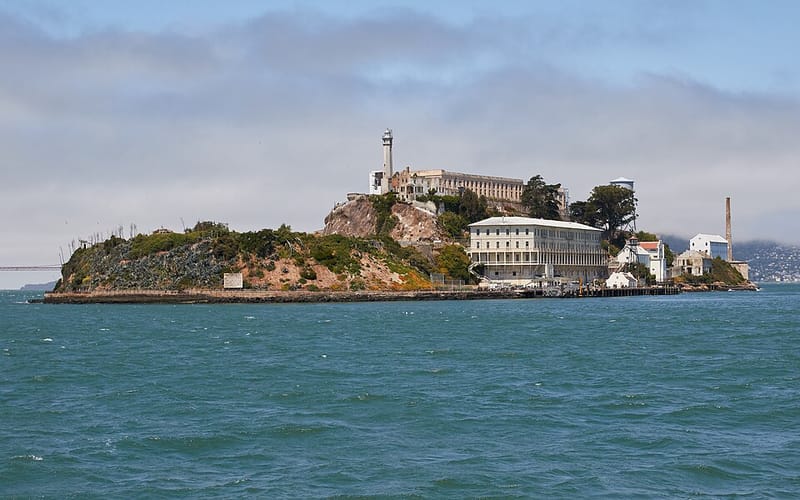
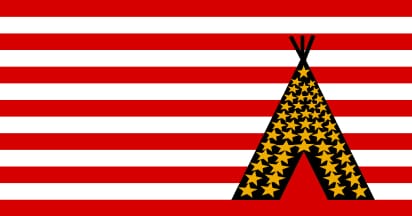
Alcatraz Island in San Francisco Bay is best known as a former prison, but it is also a landmark of Native American activism. From November 1969 to June 1971, a group calling itself Indians of All Tribes occupied the island, demanding it for an Indian university and cultural center. Their nineteen-month occupation drew national attention to Native rights and helped change federal Indian policy. The island is now part of the Golden Gate National Recreation Area.
Key facts
- Location
- San Francisco Bay, California (Golden Gate National Recreation Area)
- First claim
- March 9, 1964: five Sicangu Lakota landed for four hours, citing the 1868 Fort Laramie Treaty
- Occupation
- November 20, 1969 – June 11, 1971
- Occupiers
- Indians of All Tribes; about 100 at first, including 80 UCLA students
- Leader
- Richard Oakes (Akwesasne Mohawk)
- Today
- Golden Gate National Recreation Area, National Park Service
Why it matters
Though the occupiers did not win the island, the Park Service concludes that the occupation helped end the federal termination policy and gave birth to a lasting political movement for Indian self-determination.
About the place
Alcatraz is a rocky island in San Francisco Bay. It served for many years as a prison holding both military prisoners and civilians. Today the National Park Service interprets both the prison and the Native occupation.
History
Before the prison. Ohlone people lived around San Francisco Bay for thousands of years; oral history suggests Alcatraz was used to isolate tribal members who had broken laws, to gather bird eggs and sea life, and as a hiding place for Indians escaping the Spanish missions.
Prison. Once Alcatraz became a prison, Native Americans were among those held there — in 1895, nineteen Hopi men were imprisoned on the island.
The occupations. On March 9, 1964, five Sicangu Lakota led by Belva Cottier and Richard McKenzie claimed the island for four hours, citing the 1868 Fort Laramie Treaty. On November 9, 1969, Richard Oakes and other Native students and Bay Area Indians claimed it symbolically, and on November 20 a full occupation began. The occupiers elected a council, and everyone had a job, from security and sanitation to day care and a school. Over time, leadership fractured, non-Native residents moved in, the government cut off power and water, and a fire destroyed historic buildings. On June 10–11, 1971, federal marshals removed the last fifteen occupiers.
Study this entry
Check your understanding
Try answering in your own words, then open the answer.
1.What is this place?Show answerHide
Alcatraz is a rocky island in San Francisco Bay. It served for many years as a prison holding both military prisoners and civilians.From “About the place” above.
2.What happened here?Show answerHide
Before the prison. Ohlone people lived around San Francisco Bay for thousands of years; oral history suggests Alcatraz was used to isolate tribal members who had broken laws, to gather bird eggs and sea life, and as a hiding place for Indians escaping the Spanish missions.From “History” above.
Turn this entry into 10 flashcards (key facts, dates, and why it matters) and review them in Learn.
Related History
How this connects to the rest of the atlas.
Events

Sources
- 1.We Hold the Rock: The Alcatraz Indian Occupation (Troy Johnson)
National Park Service, Golden Gate National Recreation Area · Institutional · cited for 1964 and 1969–1971 occupations, results
- 2.The American Yawp, “The Sixties”
The American Yawp (eds. Joseph Locke and Ben Wright; Stanford University Press) · Scholarly · cited for civil rights, Great Society, Vietnam, social movements
Image credits
- Alcatraz Island as seen from the East, Frank Schulenburg, 2017-07-02 10:37:21. Via Wikimedia Commons · CC BY-SA 4.0 · Source
Written for American History Atlas from the sources above. See how entries are researched.
Atlas by Alexander. More on Telegram.