Period 9 · 1900–1920
The Progressive Era and World War I
In the first two decades of the twentieth century, reformers set out to tame industrial capitalism, clean up politics, protect workers, and expand democracy. Women won the vote, Black Americans organized against Jim Crow and began moving north, and the United States entered World War I as a rising world power.
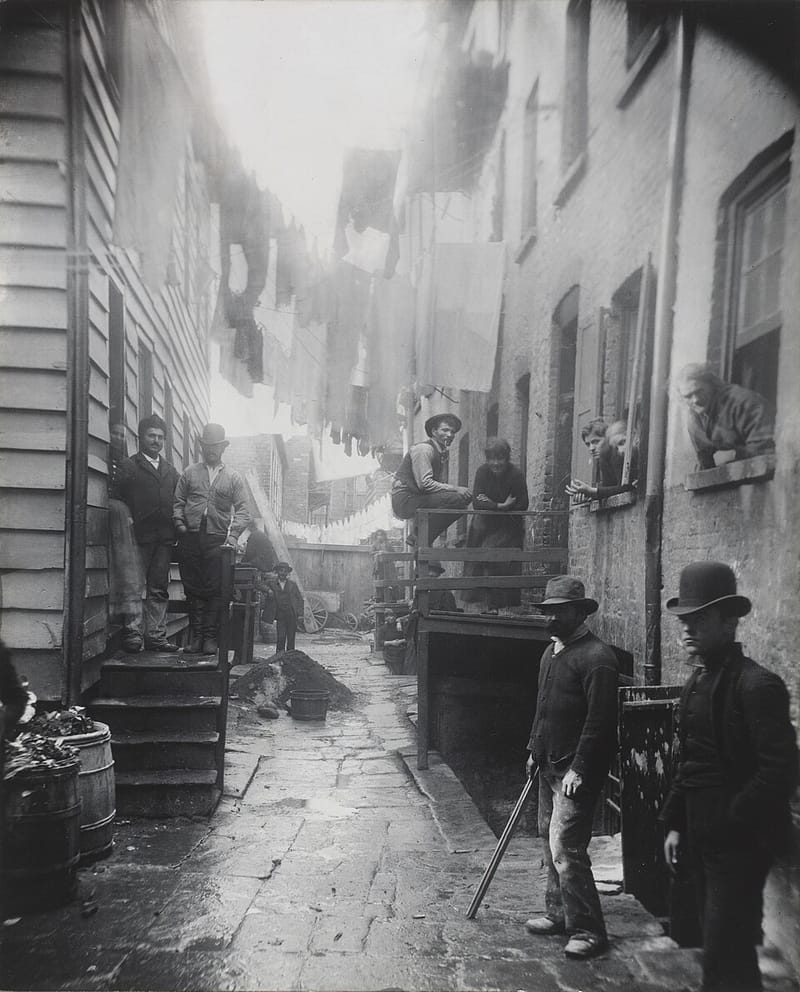
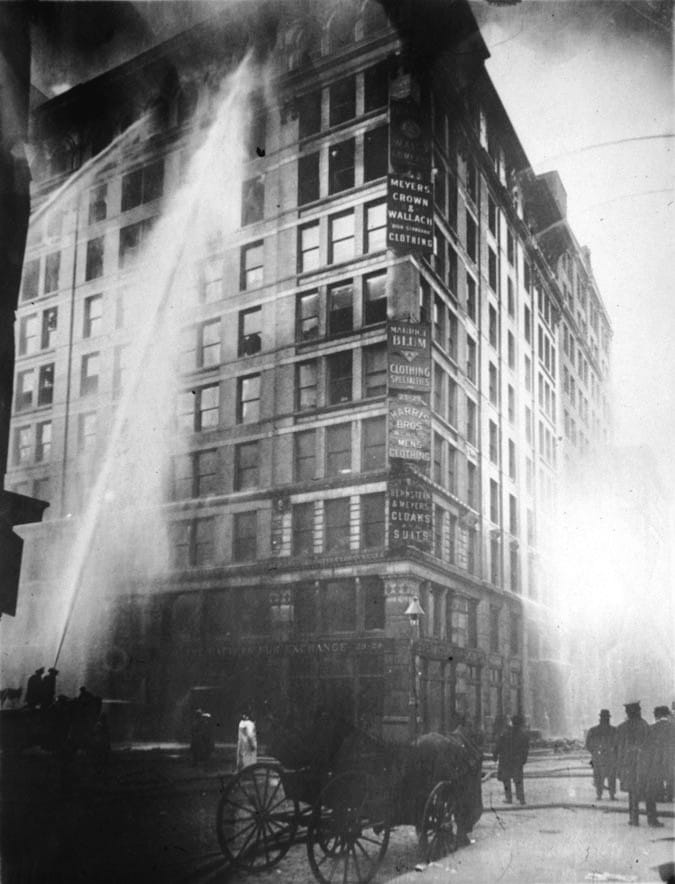
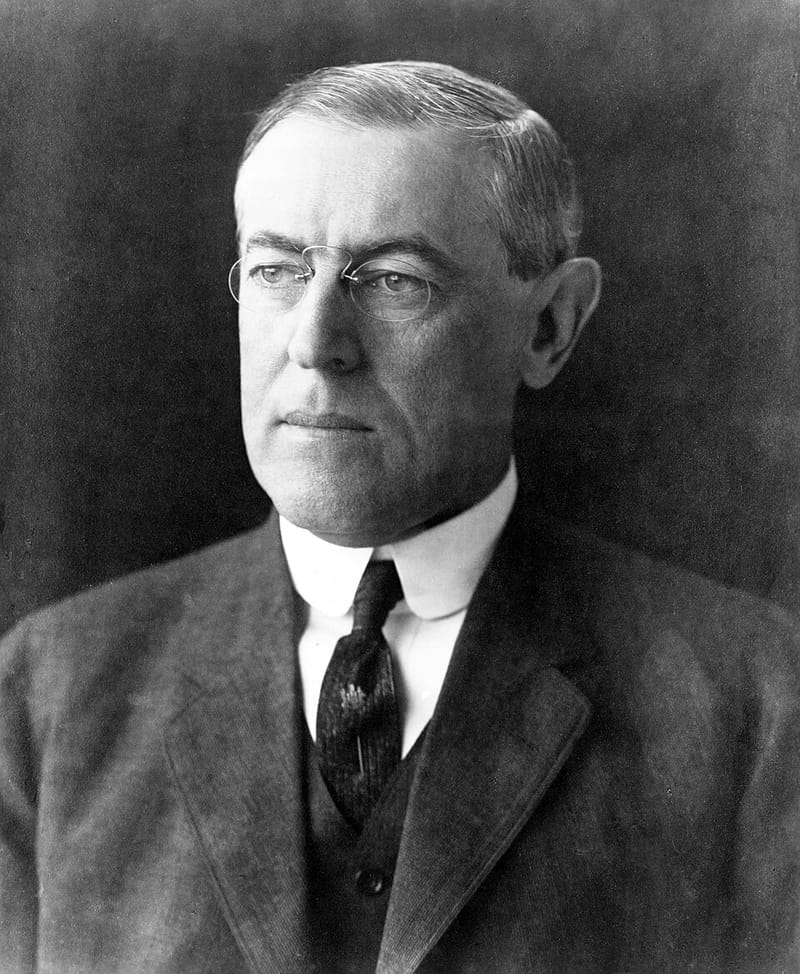
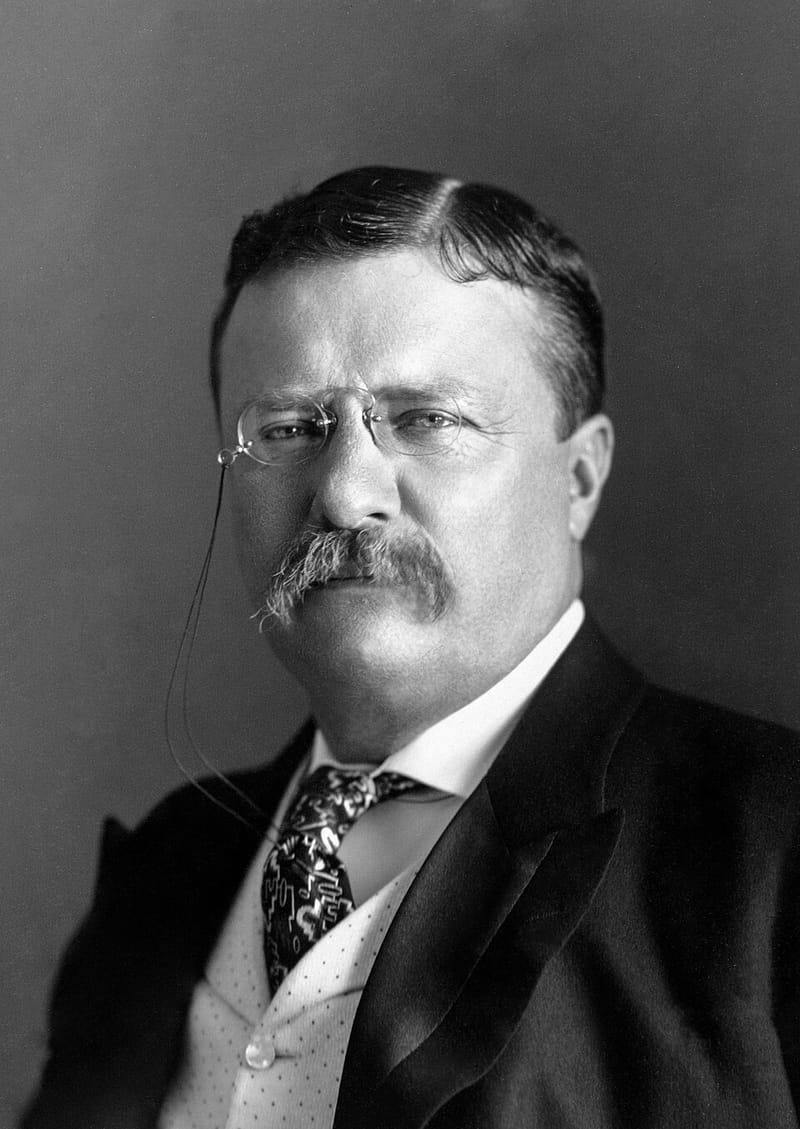
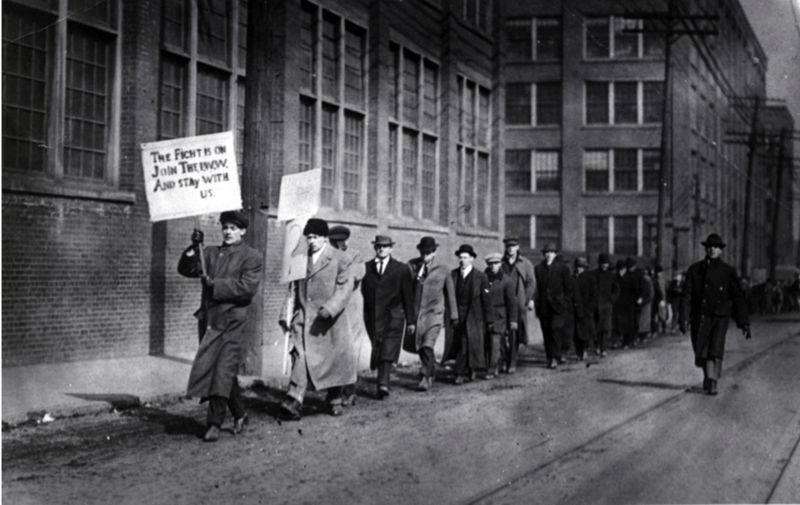
Progressives — journalists, settlement-house workers, labor activists, and politicians — attacked monopolies, corruption, unsafe workplaces, and child labor. Disasters like the Triangle Shirtwaist fire (1911) fueled demands for reform. Theodore Roosevelt’s Square Deal and Woodrow Wilson’s New Freedom brought reform to Washington: regulation of business, conservation, the Federal Reserve, and amendments creating the income tax and the direct election of senators.
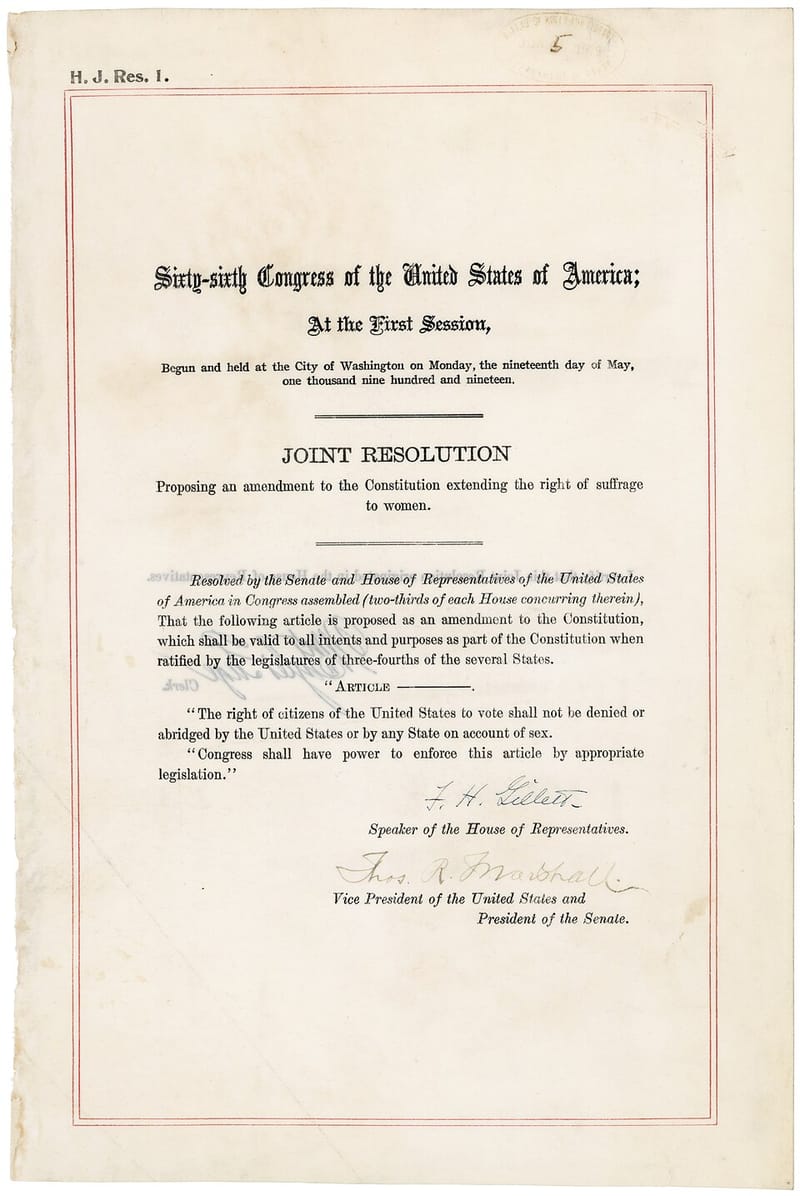
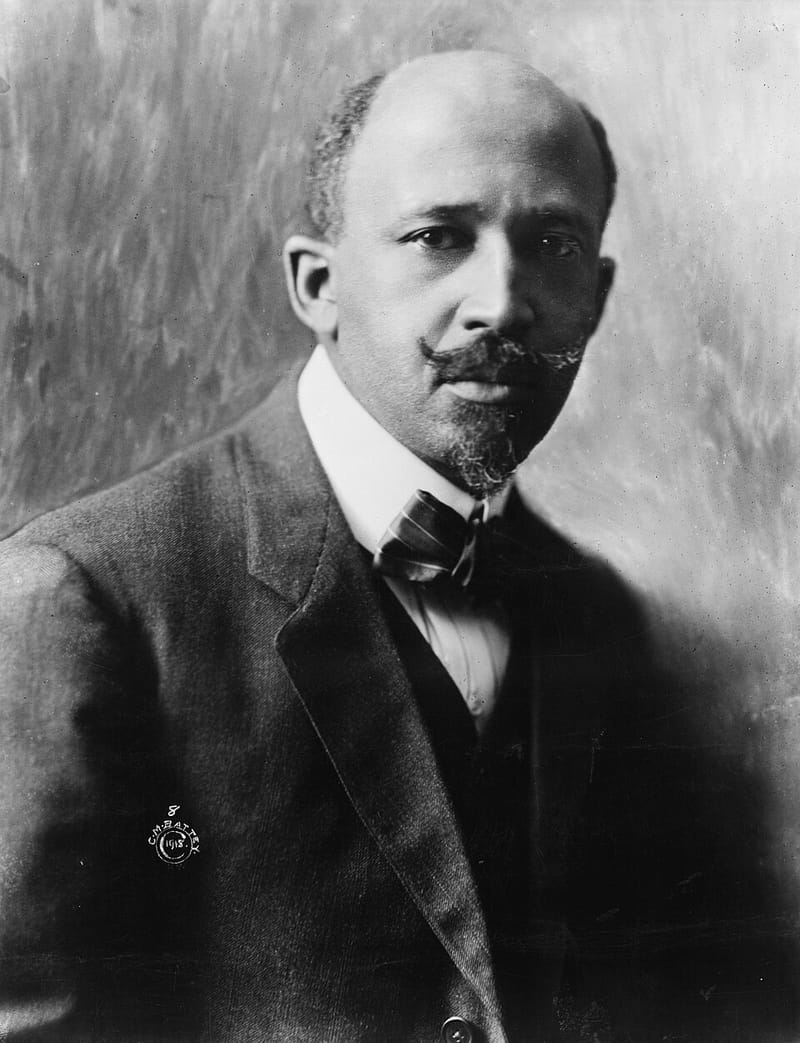
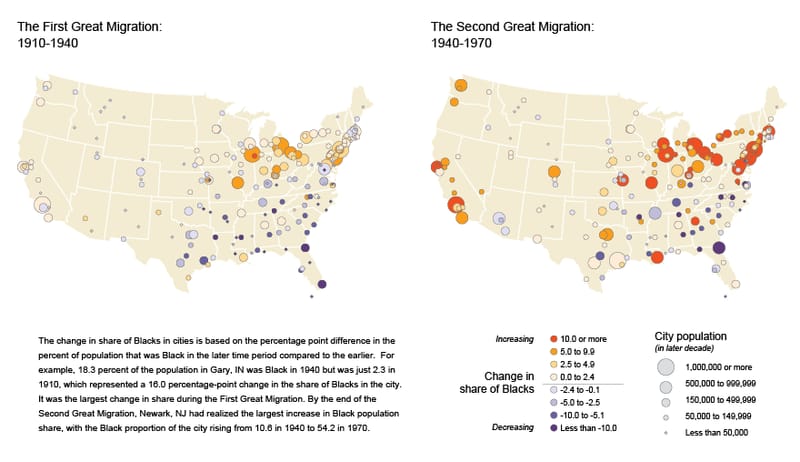
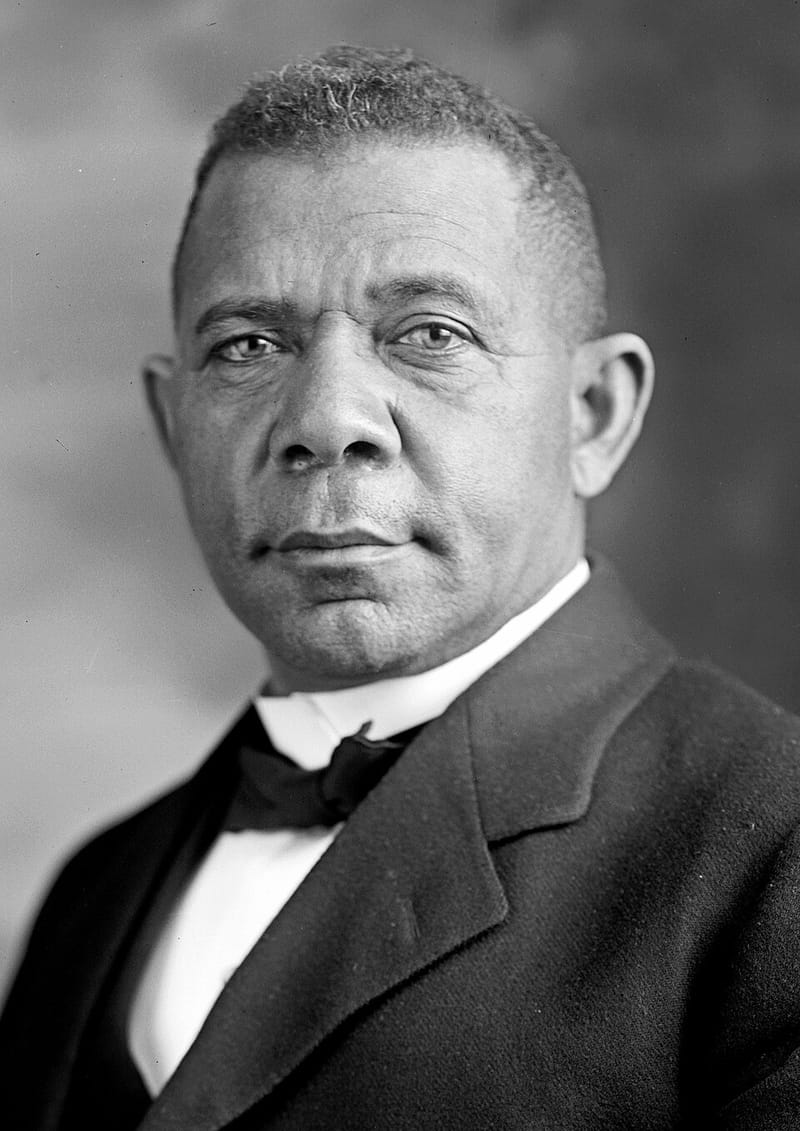
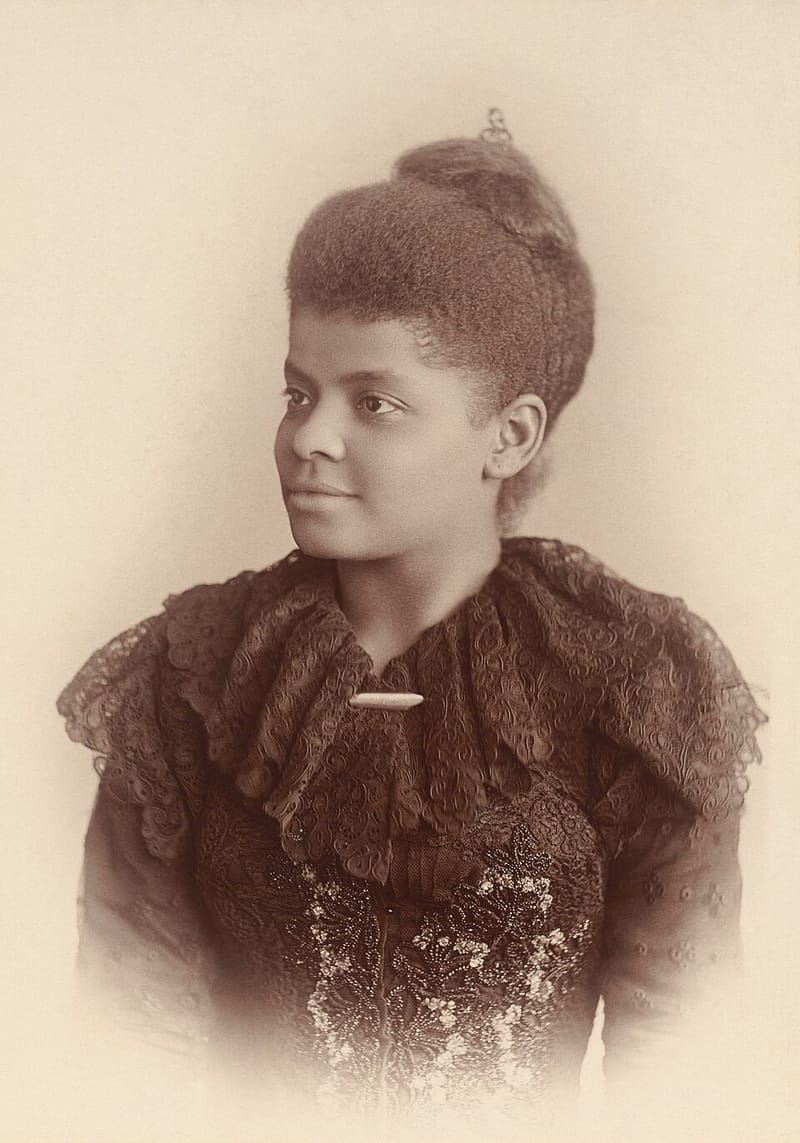
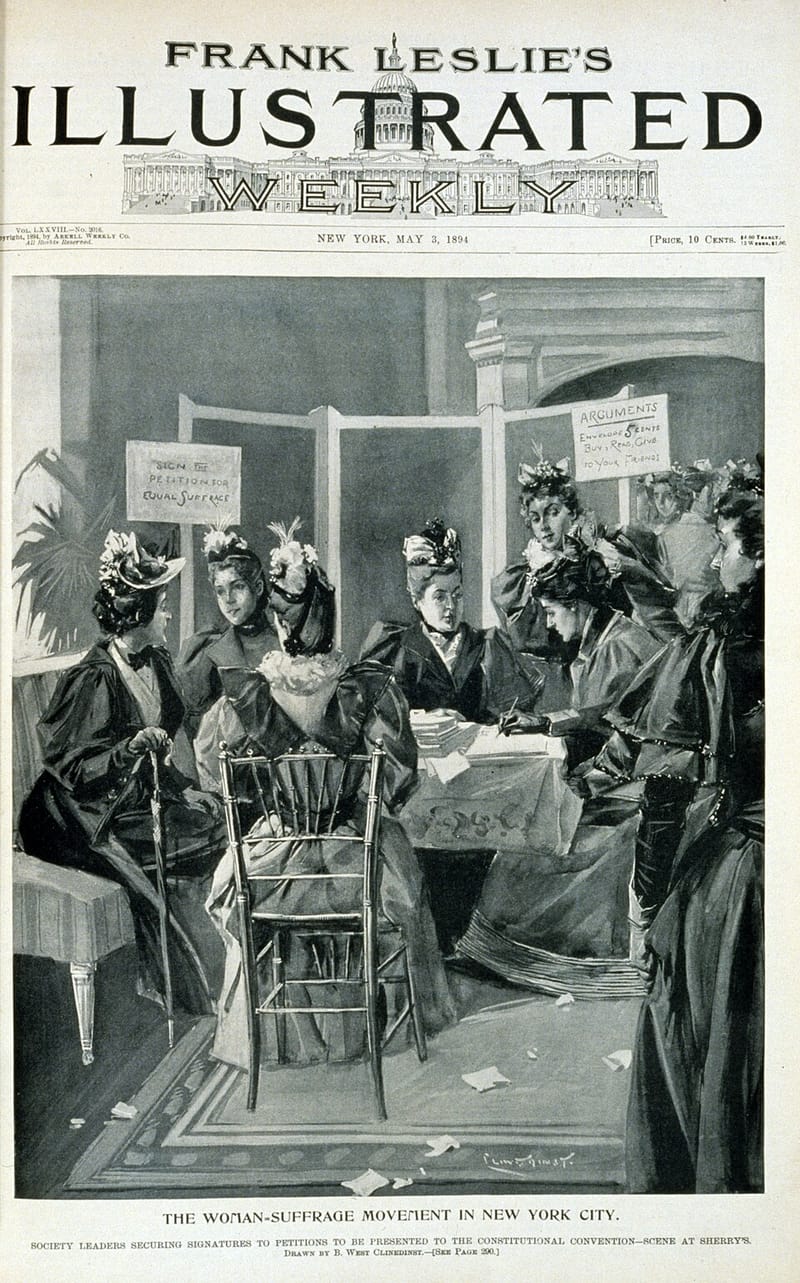
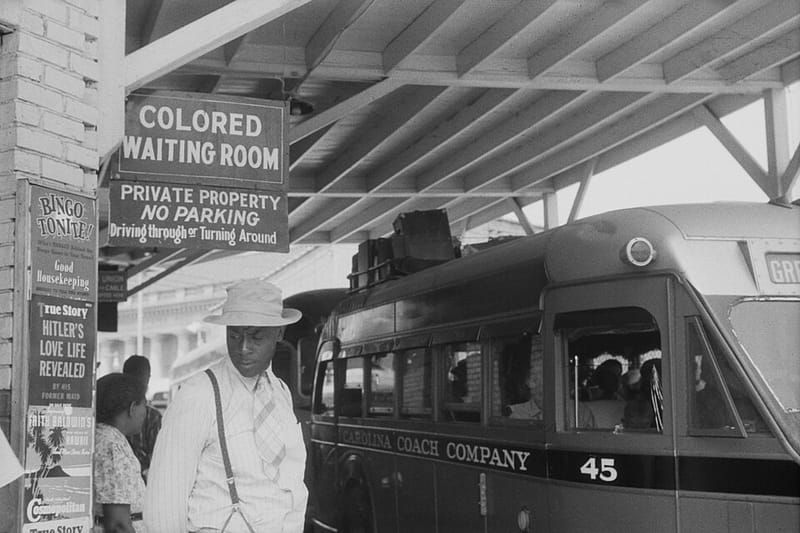
The woman suffrage movement reached its goal with the Nineteenth Amendment in 1920. Black Americans, led by figures such as W. E. B. Du Bois and Ida B. Wells, founded the NAACP to fight Jim Crow, and hundreds of thousands joined the Great Migration north.
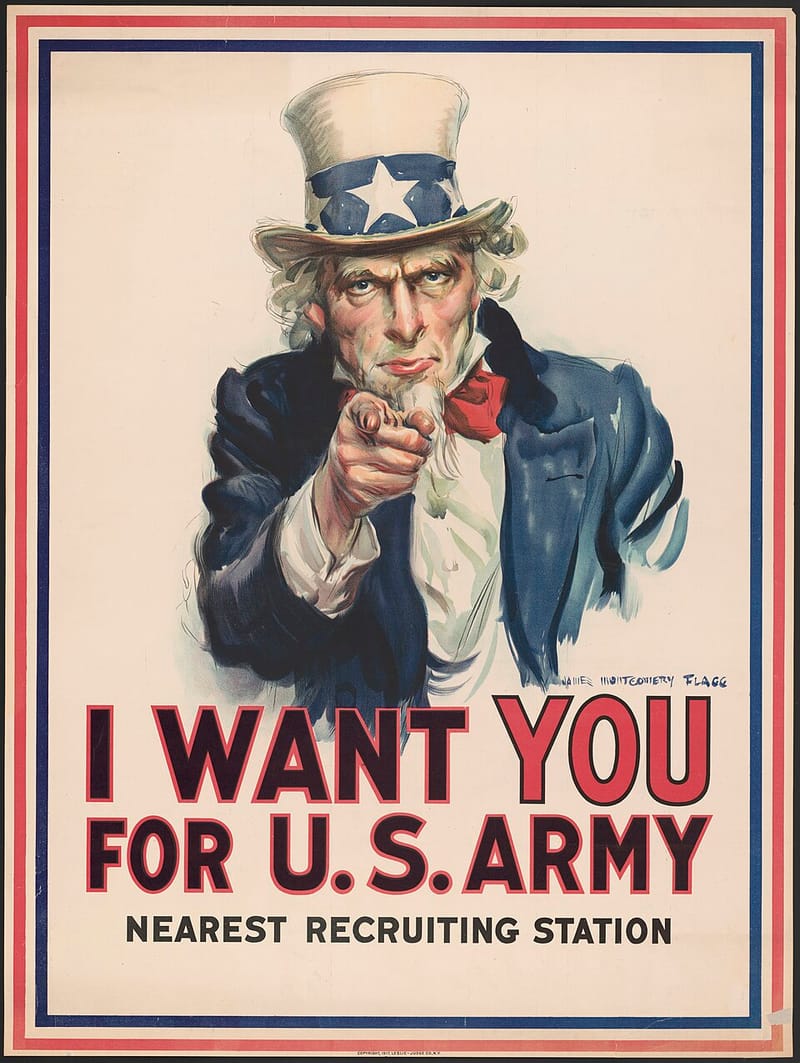
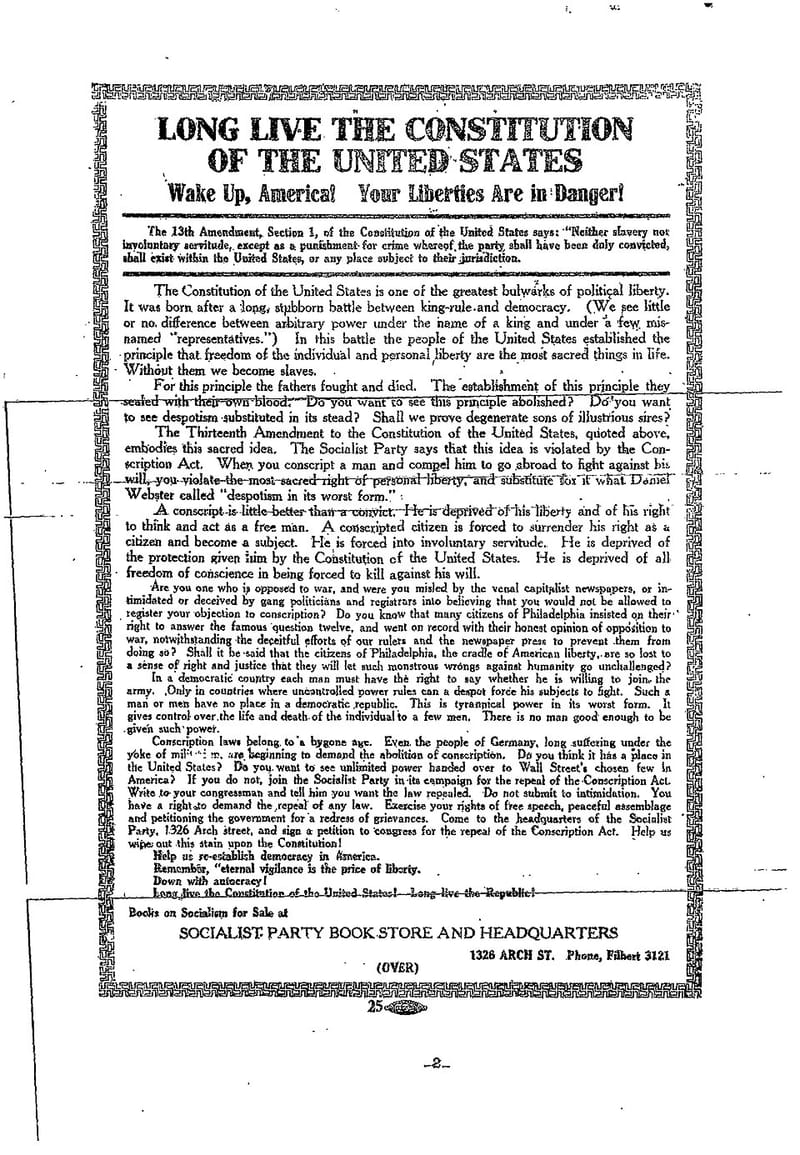
In 1917 the United States entered World War I. American troops helped win the war, but at home the government suppressed dissent — upheld by the Supreme Court in Schenck v. United States — and after the war the Senate rejected Wilson’s League of Nations.
Highlights
Events and wars
People
Documents and court cases
Movements, institutions, and ideas
Places
Sources for this overview
- 1899–1913: Defending U.S. International Interests — U.S. Department of State, Office of the Historian
- 1914–1920: World War One and Wilsonian Diplomacy — U.S. Department of State, Office of the Historian
- The American Yawp, “The Progressive Era” — The American Yawp (eds. Joseph Locke and Ben Wright; Stanford University Press)
Atlas by Alexander. More on Telegram.