EventIndustrialization and the Gilded Age
The Pullman Strike
A national railroad boycott crushed by federal troops, 1894
May 11, 1894 – July 1894Pullman, Illinois (Chicago), and rail lines nationwide
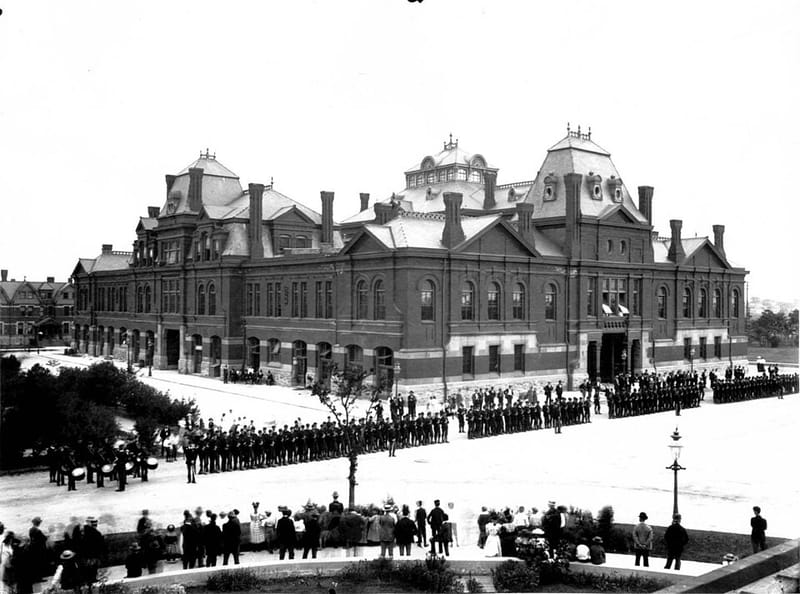
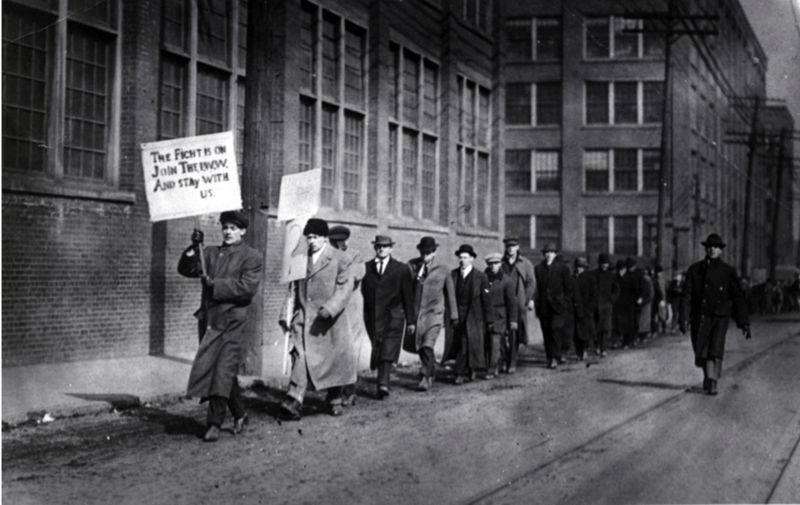
In May 1894, during a severe depression, workers at George Pullman’s sleeping-car factory near Chicago struck after he cut wages by a quarter while keeping rents in his company town unchanged. The American Railway Union, led by Eugene V. Debs, launched a national boycott of trains carrying Pullman cars, halting rail traffic across much of the country. A federal court injunction and thousands of federal troops broke the strike, Debs went to jail, and the union was destroyed.
Key facts
- Date
- May 11, 1894 – July 1894
- Location
- Pullman, Illinois (Chicago), and rail lines nationwide
- Strike began
- May 11, 1894
- Union
- American Railway Union (ARU), open to all white railroad workers; led by Eugene V. Debs
- Federal response
- An injunction under the Sherman Anti-Trust Act; thousands of U.S. Marshals and Army troops
- Outcome
- Boycott collapsed in mid-July; Debs and others indicted for contempt
Why it matters
The Pullman strike was one of the largest labor actions in American history, and its defeat showed the lengths government would go to protect the railroads in the Gilded Age.
Historical background
George Pullman built a planned company town on Chicago’s South Side for workers who manufactured his luxurious railroad sleeping cars. Pullman owned the houses and stores. When the depression of 1893 hit, he cut wages by about a quarter but kept rents and utility charges the same.
Causes and contributing factors
Pullman workers formed a grievance committee but got nowhere. Many had joined the new American Railway Union, formed in June 1893, which accepted railroad workers of every craft. Although ARU leaders advised against it, a strike broke out at the Pullman works on May 11, 1894. When the company refused to negotiate, the ARU voted to boycott Pullman cars: its members would not handle any train carrying them.
What happened
The boycott crippled rail traffic nationwide. The General Managers’ Association, representing 24 railroads, hired strikebreakers and worked to turn public opinion against the strikers. Because the boycott disrupted the U.S. mail, the federal government intervened: a court issued an injunction, citing the Sherman Anti-Trust Act of 1890 — a law meant to fight monopolies. Over the objection of Illinois Governor John Peter Altgeld, President Grover Cleveland sent thousands of U.S. Marshals and Army troops. Mob violence increased in Chicago, and clashes between soldiers and crowds at rail yards left dozens dead.
Immediate consequences
The boycott collapsed in mid-July, and the ARU was defeated. Debs and other leaders were indicted for contempt for defying the injunction. In late July, President Cleveland appointed a commission to investigate, and George Pullman was widely criticized for refusing to arbitrate with his workers; destitution was widespread in his town.
Long-term significance
The strike demonstrated how injunctions and federal power could be turned against organized labor. Pullman’s former company town became Pullman National Historical Park in 2015 — the first National Park Service unit in Chicago — which also includes a museum named for A. Philip Randolph that explores African American labor history.
Study this entry
Check your understanding
Try answering in your own words, then open the answer.
1.What led to the Pullman Strike?Show answerHide
Pullman workers formed a grievance committee but got nowhere. Many had joined the new American Railway Union, formed in June 1893, which accepted railroad workers of every craft.From “Causes and contributing factors” above.
2.What happened?Show answerHide
The boycott crippled rail traffic nationwide. The General Managers’ Association, representing 24 railroads, hired strikebreakers and worked to turn public opinion against the strikers.From “What happened” above.
3.What were the immediate consequences?Show answerHide
The boycott collapsed in mid-July, and the ARU was defeated. Debs and other leaders were indicted for contempt for defying the injunction.From “Immediate consequences” above.
4.Why does it still matter?Show answerHide
The strike demonstrated how injunctions and federal power could be turned against organized labor.From “Long-term significance” above.
Turn this entry into 9 flashcards (key facts, dates, and why it matters) and review them in Learn.
Related History
How this connects to the rest of the atlas.
Events
Movements

Sources
- 1.The Strike of 1894
National Park Service, Pullman National Historical Park · Institutional · cited for ARU, strike, boycott, injunction, troops, aftermath
- 2.Pullman — History & Culture
National Park Service, Pullman National Historical Park · Institutional · cited for company town and park
- 3.The American Yawp, “Capital and Labor”
The American Yawp (eds. Joseph Locke and Ben Wright; Stanford University Press) · Scholarly · cited for Gilded Age, labor organizing, strikes
Image credits
- Pullman strikers outside Arcade Building, Unknown author Unknown author ; 'Pullman Company negative jacket labeled "Fife and Drum Corp"' [1], Taken in 1894. Via Wikimedia Commons · Public domain · Source
Written for American History Atlas from the sources above. See how entries are researched.
Atlas by Alexander. More on Telegram.