EventExpansion and Sectional Conflict
The Compromise of 1850
Congress tries to settle the slavery question after the Mexican War
January 1850 – September 1850Washington, D.C.
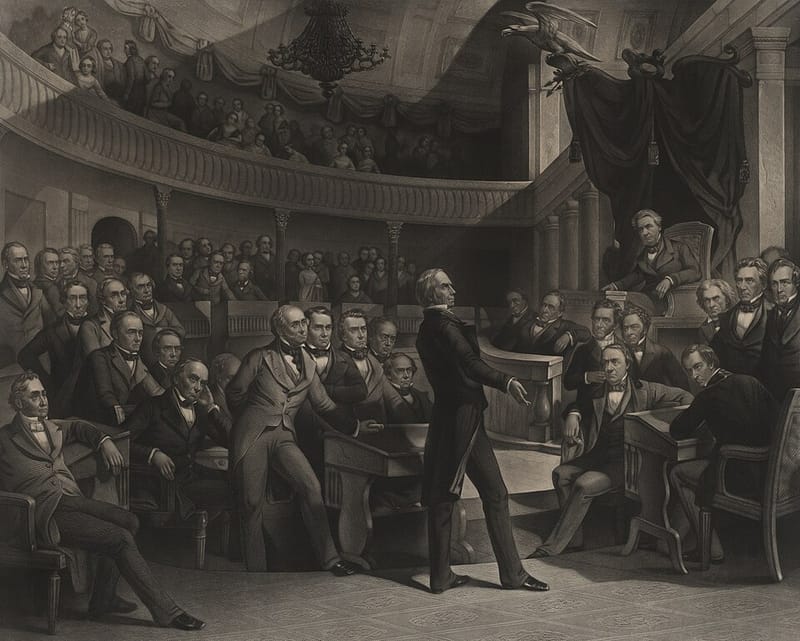
The lands taken from Mexico forced Congress to decide whether slavery could spread west. In 1850, after seven months of debate, Congress passed five laws: California entered as a free state; New Mexico and Utah territories would decide on slavery themselves; the slave trade (but not slavery) was abolished in Washington, D.C.; a Texas boundary dispute was settled; and a harsh new Fugitive Slave Act required people in free states to help capture freedom seekers. The compromise postponed disunion but deepened Northern anger over slavery.
Key facts
- Date
- January 1850 – September 1850
- Location
- Washington, D.C.
- Dating note
- Henry Clay introduced his resolutions in January 1850; the five statutes were enacted in September.
- Architects
- Senator Henry Clay proposed the package; Senator Stephen A. Douglas passed it as separate bills
- California
- Admitted as a free state
- Utah and New Mexico
- Organized as territories under popular sovereignty
- Fugitive Slave Act
- Required officials in all states to arrest suspected fugitives and punished anyone who helped them
Why it matters
The Compromise of 1850 bought a decade of uneasy peace, but by forcing free states to enforce slavery, it made the institution a personal matter for millions of Northerners.
Historical background
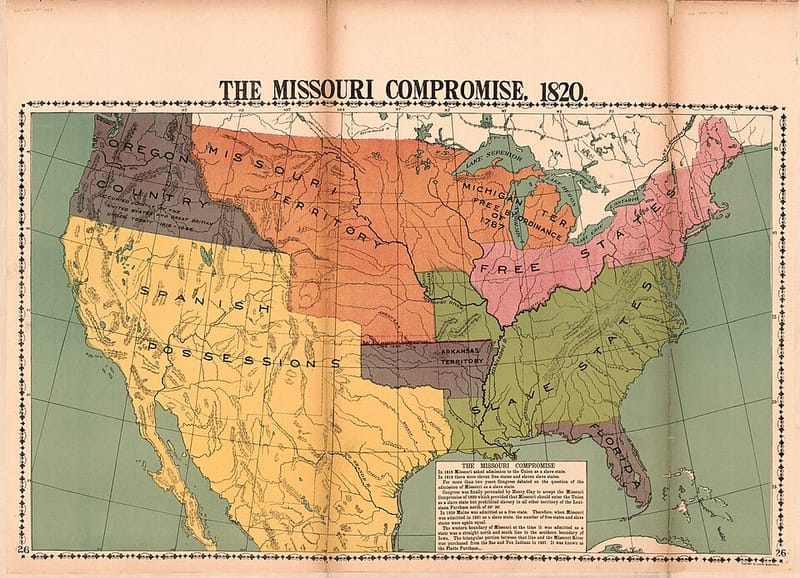
The Mexican-American War added vast western lands. In 1849, swelled by the gold rush, California asked to join the Union as a free state. Its admission would upset the balance of slave and free states in the Senate that had held since the Missouri Compromise, and Southerners threatened secession.
Causes and contributing factors
Northerners wanted slavery kept out of the new territories; many Southerners insisted on their right to take enslaved people anywhere; others proposed extending the Missouri line to the Pacific or letting settlers decide. Southerners also complained that Northern states were not returning people who escaped slavery.
What happened
In January 1850, Senator Henry Clay of Kentucky proposed resolutions to “adjust amicably all existing questions of controversy … arising out of the institution of slavery.” In one of the most famous debates in congressional history, the Senate argued over his package for seven months and then voted it down. Senator Stephen A. Douglas of Illinois broke the package into separate bills, which passed with shifting majorities. Five statutes were enacted in September 1850.
Immediate consequences
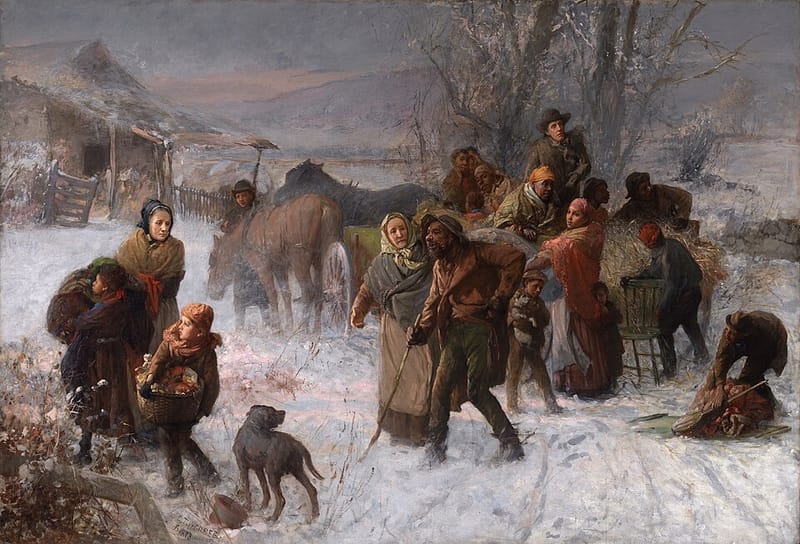
The compromise calmed the immediate crisis. But the new Fugitive Slave Act enraged many Northerners: it required federal and local officials everywhere to help capture suspected fugitives and fined and imprisoned anyone who aided them. Abolitionists resisted enforcement, the Underground Railroad became more organized, and many free Black Northerners fled to Canada.
Long-term significance
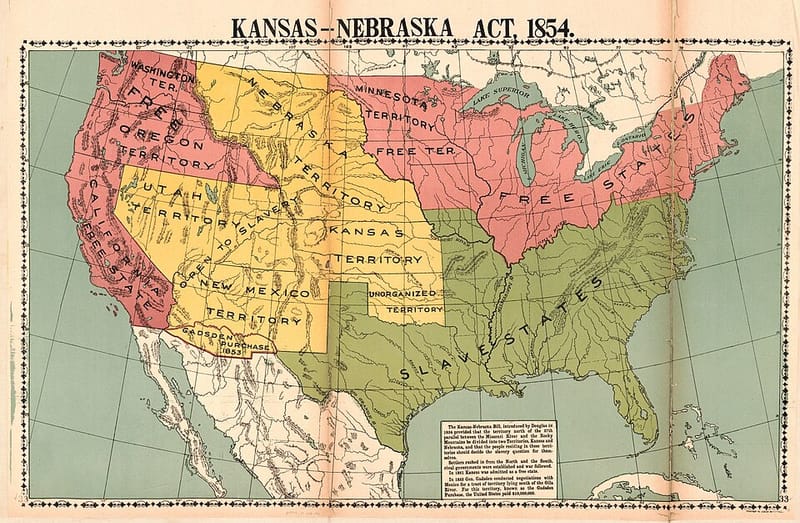
The principle of popular sovereignty adopted for Utah and New Mexico would be extended, disastrously, by the Kansas-Nebraska Act of 1854. The Compromise of 1850 turned out to be the last great sectional bargain before the Civil War.
Study this entry
Check your understanding
Try answering in your own words, then open the answer.
1.What led to the Compromise of 1850?Show answerHide
Northerners wanted slavery kept out of the new territories; many Southerners insisted on their right to take enslaved people anywhere; others proposed extending the Missouri line to the Pacific or letting settlers decide. Southerners also complained that Northern states were not returning people who escaped slavery.From “Causes and contributing factors” above.
2.What happened?Show answerHide
In January 1850, Senator Henry Clay of Kentucky proposed resolutions to “adjust amicably all existing questions of controversy … arising out of the institution of slavery.” In one of the most famous debates in congressional history, the Senate argued over his package for seven months and then voted it down.From “What happened” above.
3.What were the immediate consequences?Show answerHide
The compromise calmed the immediate crisis. But the new Fugitive Slave Act enraged many Northerners: it required federal and local officials everywhere to help capture suspected fugitives and fined and imprisoned anyone who aided them.From “Immediate consequences” above.
4.Why does it still matter?Show answerHide
The principle of popular sovereignty adopted for Utah and New Mexico would be extended, disastrously, by the Kansas-Nebraska Act of 1854. The Compromise of 1850 turned out to be the last great sectional bargain before the Civil War.From “Long-term significance” above.
Turn this entry into 10 flashcards (key facts, dates, and why it matters) and review them in Learn.
Related History
How this connects to the rest of the atlas.
Events
Wars
Movements
.jpg)
Sources
- 1.Compromise of 1850 — Milestone Documents
National Archives · Primary source · cited for provisions, Clay, Douglas, Fugitive Slave Act
- 2.What Is the Underground Railroad?
National Park Service, Network to Freedom · Institutional · cited for freedom seekers, routes, helpers
Image credits
- The United States Senate, A.D. 1850, Drawn by Peter F. Rothermel / engraved by Robert Whitechurch (1814-ca. 1880), circa 1855. Via Wikimedia Commons · Public domain · Source
Written for American History Atlas from the sources above. See how entries are researched.
Atlas by Alexander. More on Telegram.