DocumentExpansion and Sectional Conflict
The Kansas-Nebraska Act
The law that repealed the Missouri Compromise and set Kansas bleeding, 1854
May 30, 1854
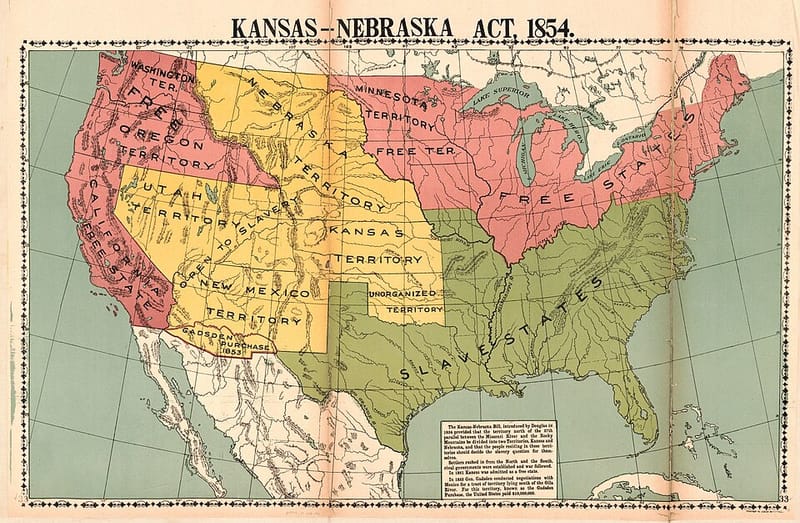
The Kansas-Nebraska Act of 1854 created the territories of Kansas and Nebraska and let their settlers decide whether to allow slavery — repealing the Missouri Compromise, which had banned slavery there. Proslavery and antislavery settlers rushed into Kansas, and the conflict turned so violent it became known as “Bleeding Kansas.” Outrage over the act led to the founding of the Republican Party and pushed the country closer to civil war.
Key facts
- Date
- May 30, 1854
- Authors
- Senator Stephen A. Douglas of Illinois (sponsor); Thirty-third Congress
- Passed
- May 30, 1854
- Sponsor
- Senator Stephen A. Douglas of Illinois
- Principle
- Popular sovereignty — territorial settlers would decide on slavery
- Result
- Repeal of the 36°30′ line; “Bleeding Kansas”; formation of the Republican Party
Read the act at the National Archives
Why it matters
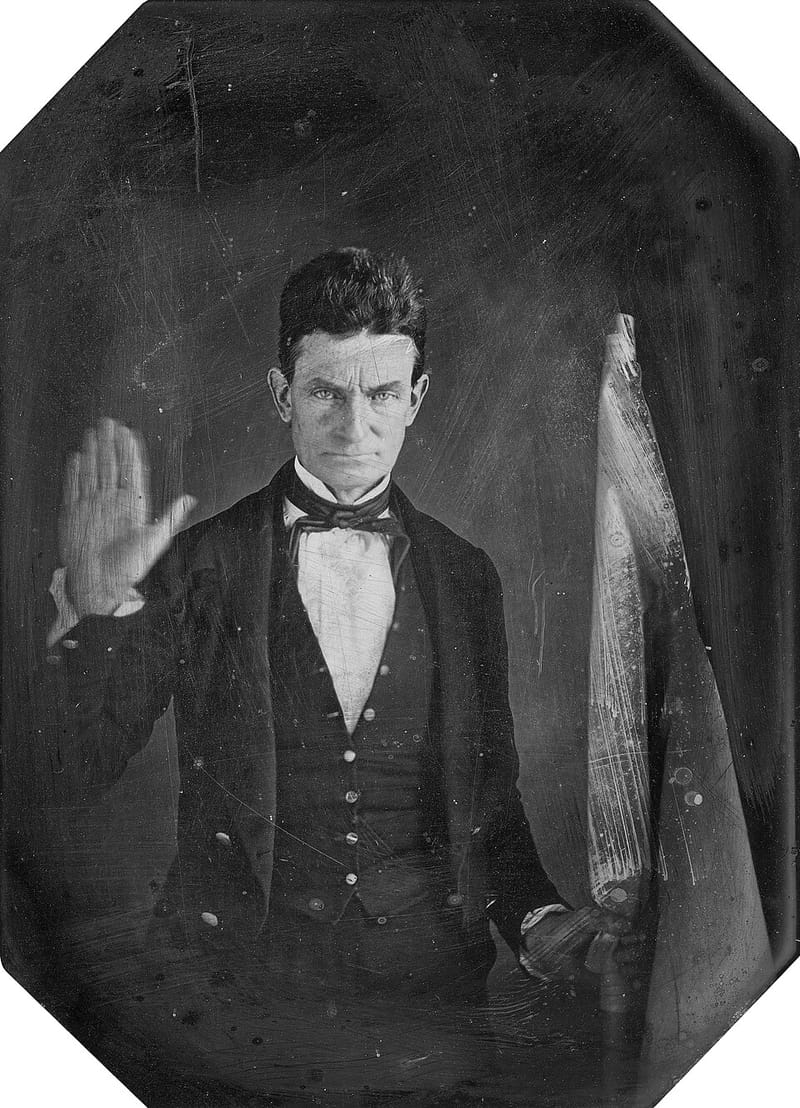
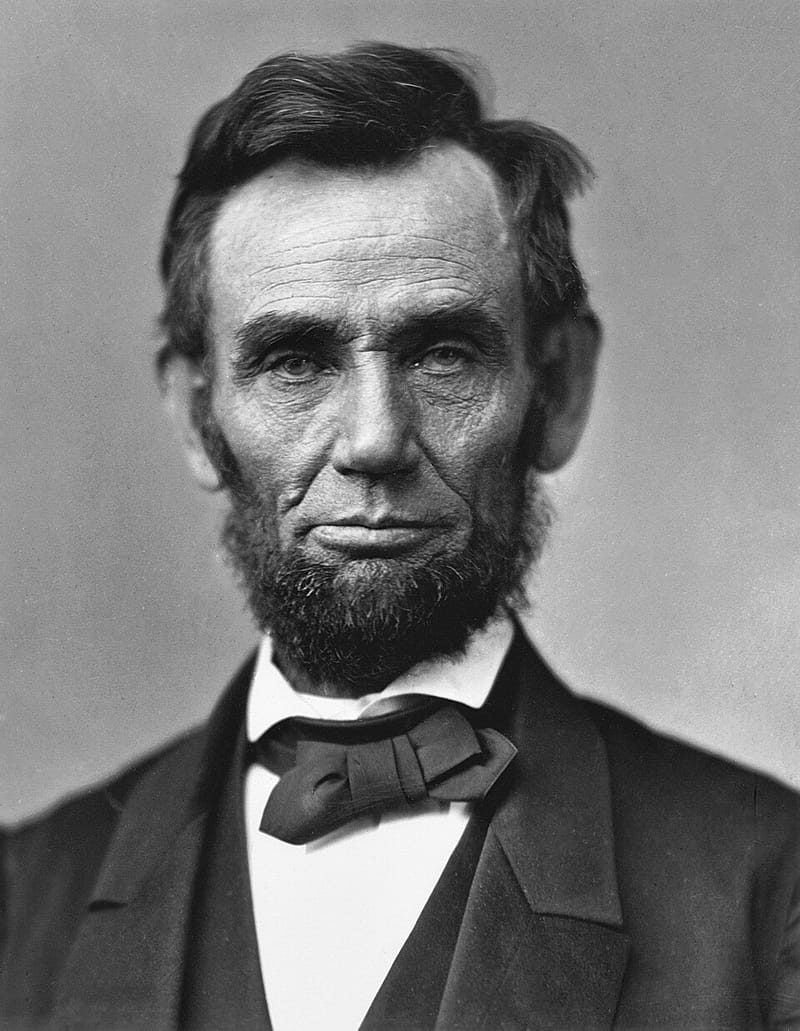
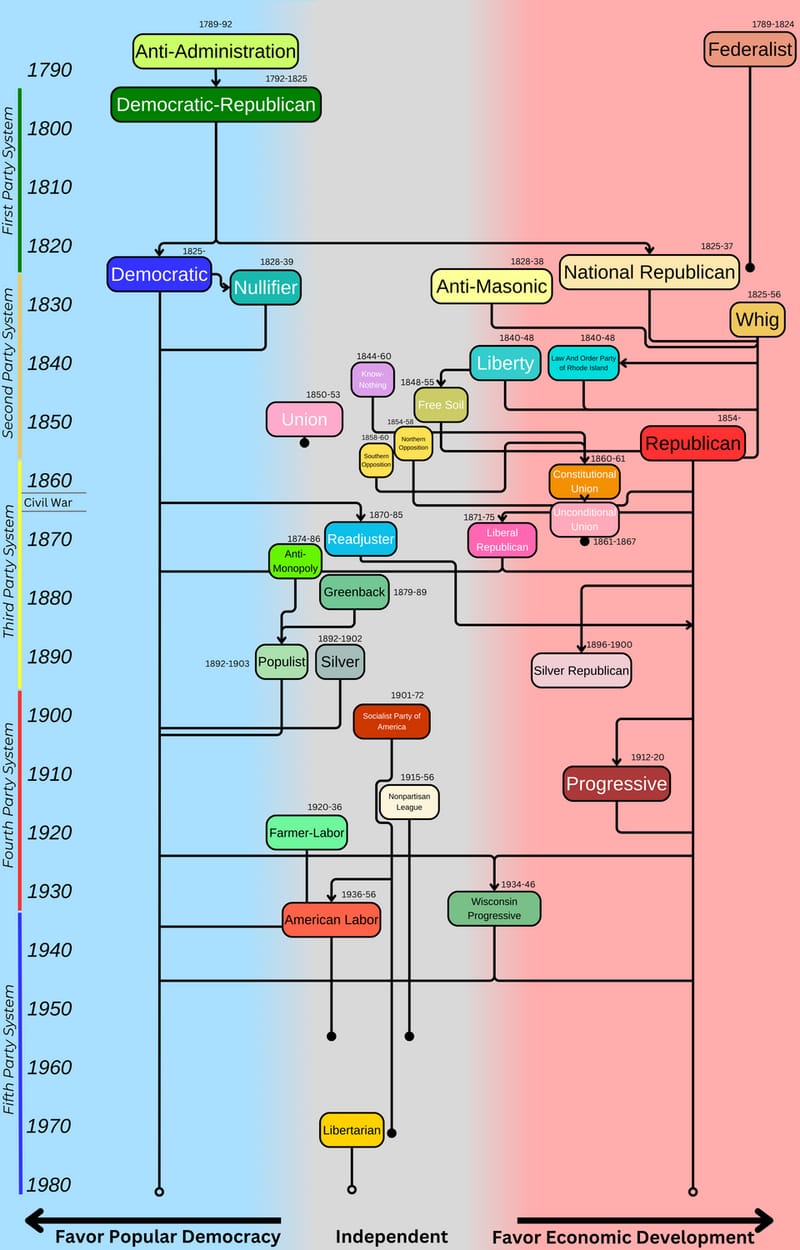
Antislavery Northerners were outraged that a ban on slavery in place for thirty-four years had been swept away. Proslavery and antislavery settlers raced into Kansas to control its first elections, and fraud and violence — including the killings involving John Brown — followed. The act shattered the Whig Party; its opponents formed the Republican Party, dedicated to stopping the spread of slavery into the territories, which elected Abraham Lincoln six years later. The National Archives concludes that the act aggravated the split between North and South until reconciliation seemed virtually impossible.
Historical circumstances
Stephen Douglas wanted to organize the land west of Missouri, partly to promote a transcontinental railroad route through the North. To win Southern votes, his bill applied popular sovereignty to the new territories — even though both lay north of the 36°30′ line where the Missouri Compromise had prohibited slavery. Douglas introduced the bill in January 1854, and after months of debate it passed on May 30.
Principal ideas
- Two territories. Kansas and Nebraska were organized from the land immediately west of Missouri.
- Popular sovereignty. Settlers, through their territorial legislatures, would decide whether to permit slavery.
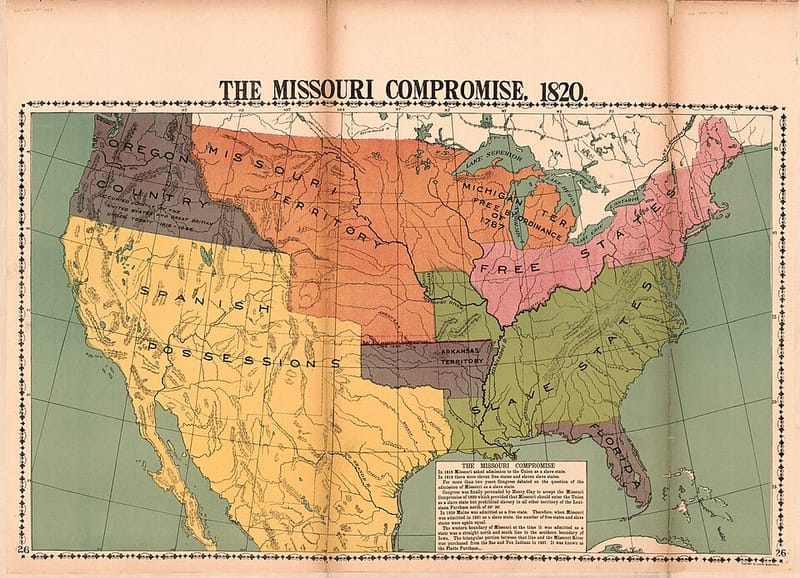
- Repeal of the Missouri line. The act declared the Missouri Compromise’s ban on slavery north of 36°30′ inoperative.
Study this entry
Check your understanding
Try answering in your own words, then open the answer.
1.Why was this document written?Show answerHide
Stephen Douglas wanted to organize the land west of Missouri, partly to promote a transcontinental railroad route through the North. To win Southern votes, his bill applied popular sovereignty to the new territories — even though both lay north of the 36°30′ line where the Missouri Compromise had prohibited slavery.From “Historical circumstances” above.
2.What are its principal ideas?Show answerHide
- Two territories. Kansas and Nebraska were organized from the land immediately west of Missouri. - Popular sovereignty. Settlers, through their territorial legislatures, would decide whether to permit slavery. - Repeal of the Missouri line. The act declared the Missouri Compromise’s ban on slavery north of 36°30′ inoperative.From “Principal ideas” above.
Turn this entry into 8 flashcards (key facts, dates, and why it matters) and review them in Learn.
Related History
How this connects to the rest of the atlas.
Events
Wars
People
Institutions

Sources
- 1.Kansas-Nebraska Act (1854) — Milestone Documents
National Archives · Primary source · cited for Douglas, popular sovereignty, repeal of Missouri line, Bleeding Kansas, Republican Party
- 2.John Brown
National Park Service · Institutional · cited for life, Kansas, Harpers Ferry raid, trial, execution, last words
Image credits
- McConnell's historical map Kansas-Nebraska Act, 1854, McConnell Map Co., 1919. Via Wikimedia Commons · Public domain · Source
Written for American History Atlas from the sources above. See how entries are researched.
Atlas by Alexander. More on Telegram.