EventRevolution and Independence
The Constitutional Convention
Fifty-five delegates meet in secret to redesign the American government
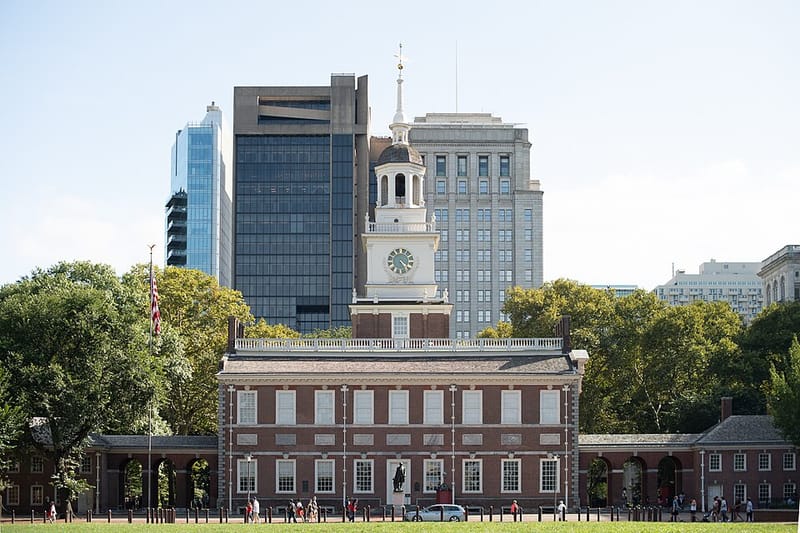
May 14 – September 17, 1787Pennsylvania State House (Independence Hall), Philadelphia
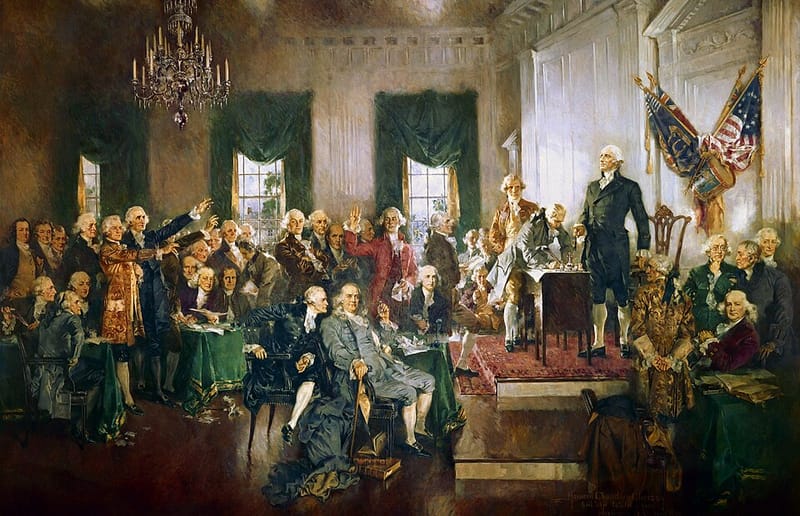
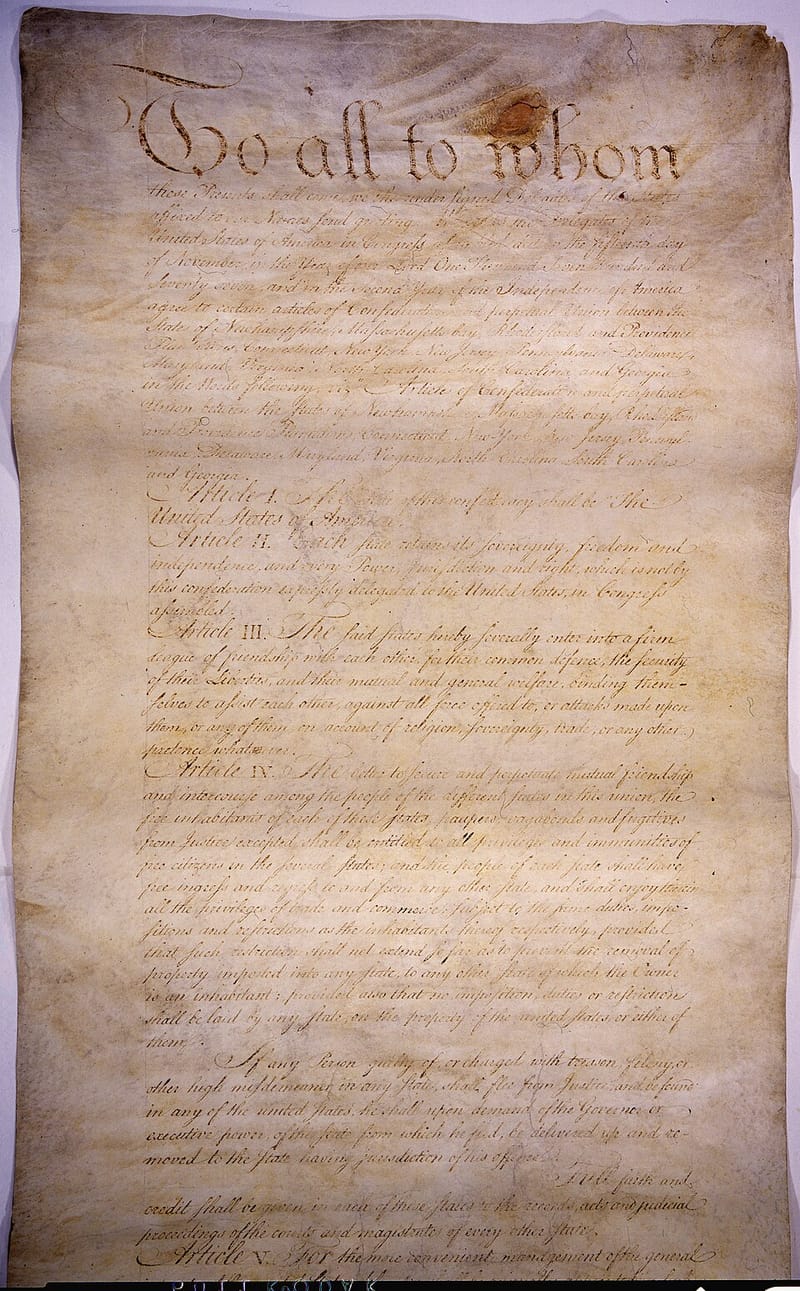
In the summer of 1787, delegates from twelve states met in Philadelphia, officially to revise the Articles of Confederation. Instead, they wrote an entirely new Constitution. Working in secret, they argued over how to represent large and small states, how much power to give a national government, and how to count enslaved people — and settled each dispute through compromise. The document they signed on September 17 still governs the United States.
Key facts
- Date
- May 14 – September 17, 1787
- Location
- Pennsylvania State House (Independence Hall), Philadelphia
- Dating note
- Called for May 14, 1787; a quorum assembled May 25; the Constitution was signed September 17.
- Delegates
- 74 appointed, 55 attended; 39 signed
- Presiding officer
- George Washington
- Absent
- Rhode Island refused to send delegates
- Secrecy
- Delegates agreed to keep debates confidential; James Madison’s notes are the main record
Why it matters
In four months, the convention replaced a failing confederation with a national government — one designed to be strong enough to govern but divided enough to restrain itself.
Historical background
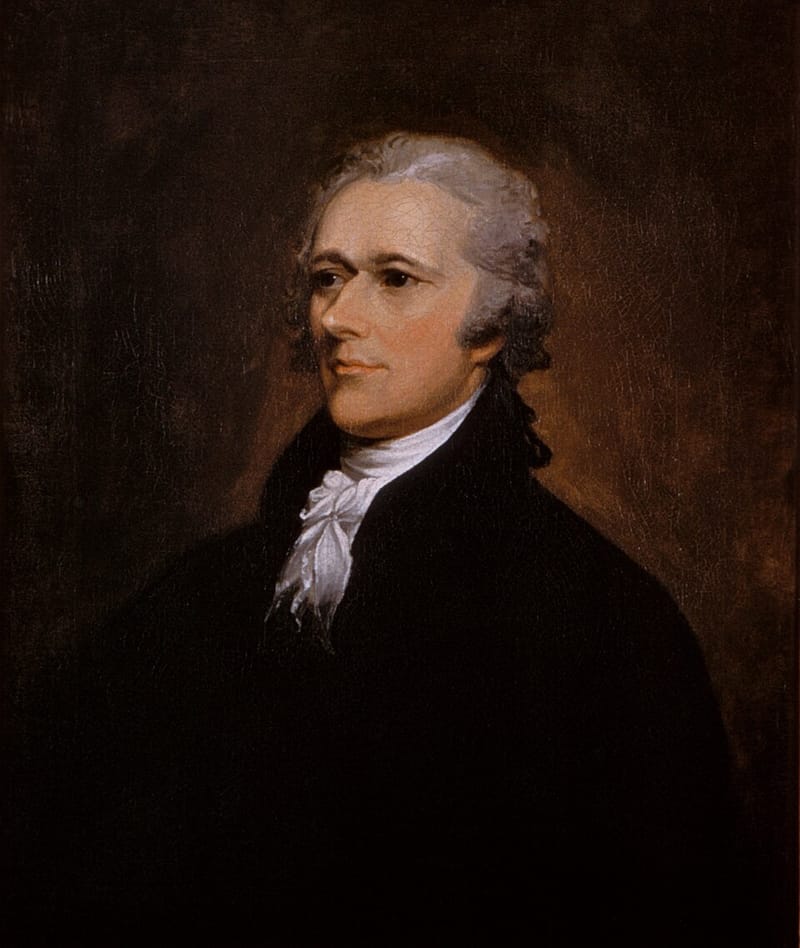
By 1786 many leaders believed the union was failing. Congress under the Articles could not tax, regulate trade, or enforce its laws; states quarreled over commerce and boundaries; and Shays’ Rebellion seemed to show that the government could not keep order. A meeting at Annapolis in September 1786, attended by delegates from only five states, issued a report — drafted by Alexander Hamilton — calling for a broader convention in Philadelphia the following May.
Causes and contributing factors
Nationalists such as James Madison, Hamilton, and George Washington wanted a government that could raise revenue, pay the nation’s debts, regulate commerce, and command respect abroad. Others came to protect their states’ interests. Major figures were absent: Thomas Jefferson and John Adams were abroad, and Patrick Henry, suspicious of the project, stayed home.
What happened
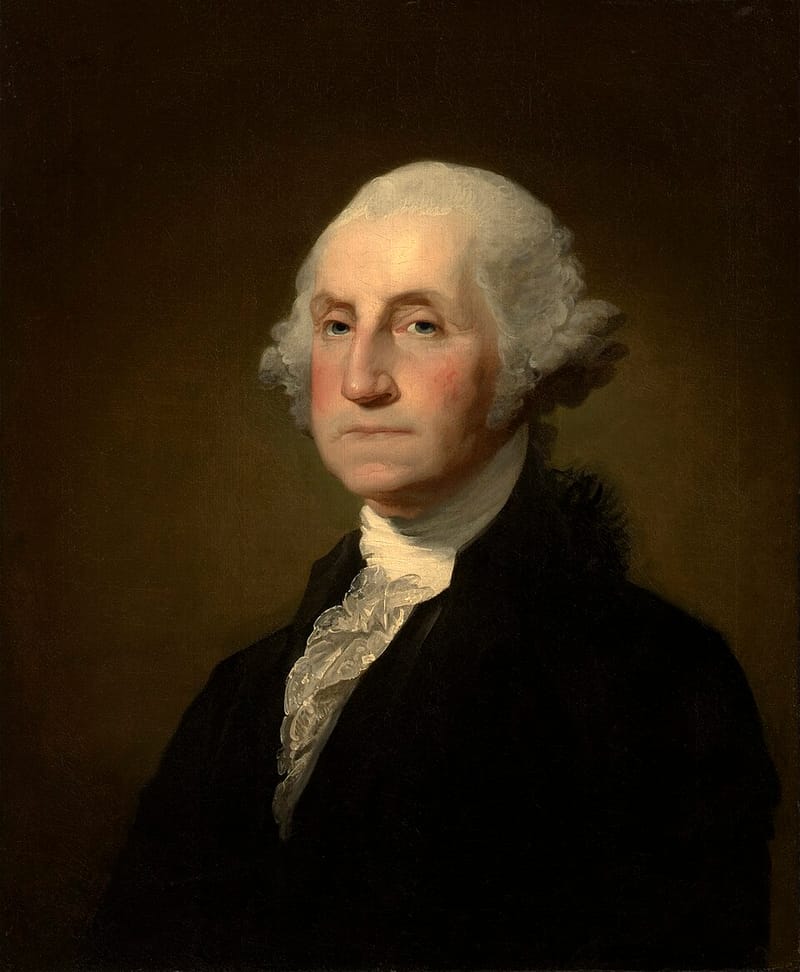
The convention chose Washington to preside and agreed to keep its proceedings secret. On May 29, Edmund Randolph presented the Virginia Plan, drafted largely by Madison, which proposed a national government of three branches with a two-house legislature apportioned by population. Small states answered with the New Jersey Plan, which kept equal state representation.
The deadlock over representation lasted for weeks. It was broken by the Great Compromise, advanced by Connecticut delegates: representation by population in the House, equal representation in the Senate. Entangled with that question was slavery. Delegates agreed that representation and direct taxes would be based on the free population plus three-fifths of “all other persons” — the enslaved. In August, a dispute over commerce merged with slavery, producing further bargains: Congress could not ban the importation of enslaved people before 1808, and states had to return people who escaped from slavery.
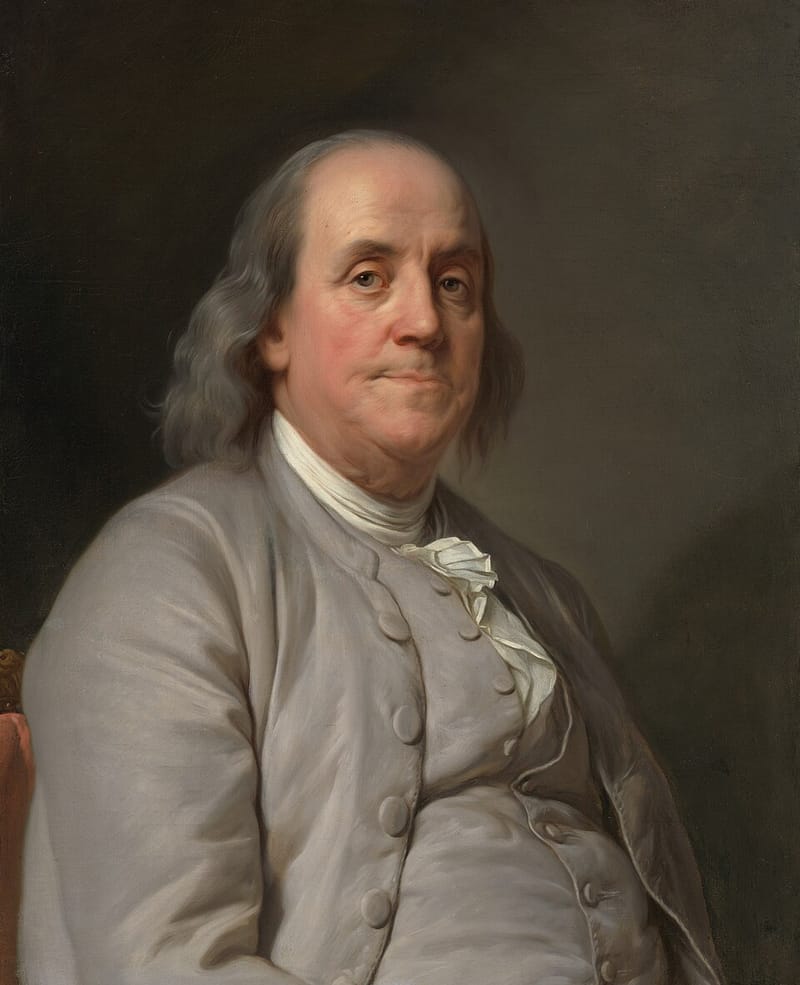
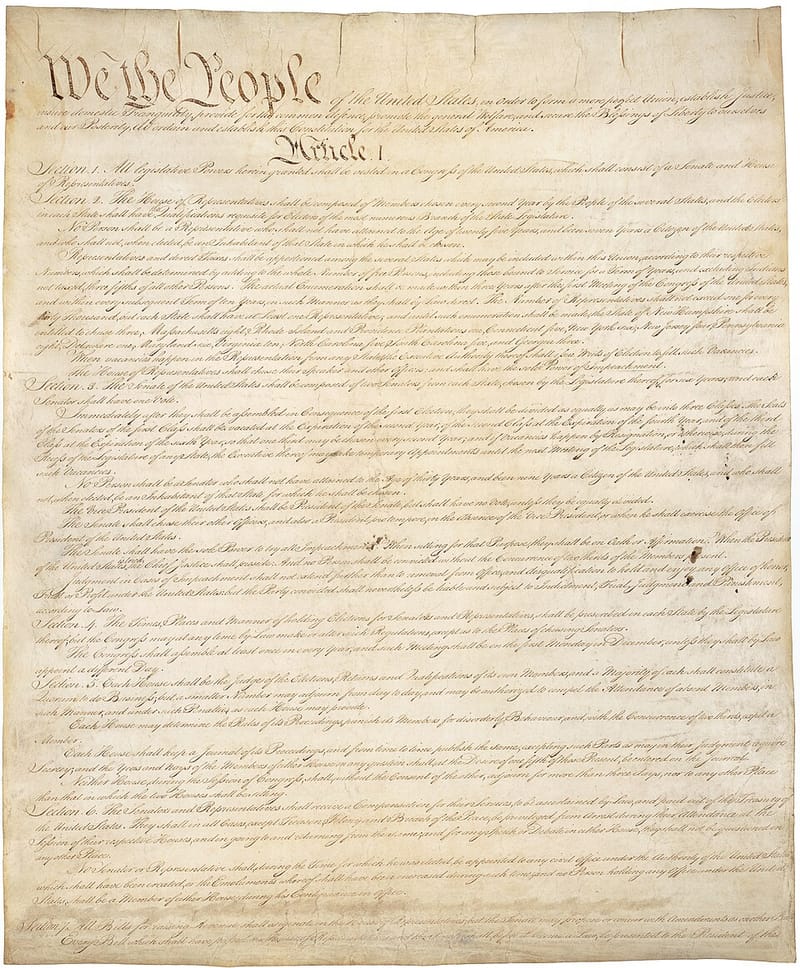
The delegates also invented a single executive, chosen by an Electoral College, with a veto; a federal judiciary; and a process for amendment. A Committee of Style polished the text. On September 17, 1787, thirty-nine delegates signed. Three who remained — George Mason, Edmund Randolph, and Elbridge Gerry — refused, Mason objecting in part that there was no bill of rights. Benjamin Franklin, at eighty-one, urged unanimity despite the document’s imperfections.
Immediate consequences
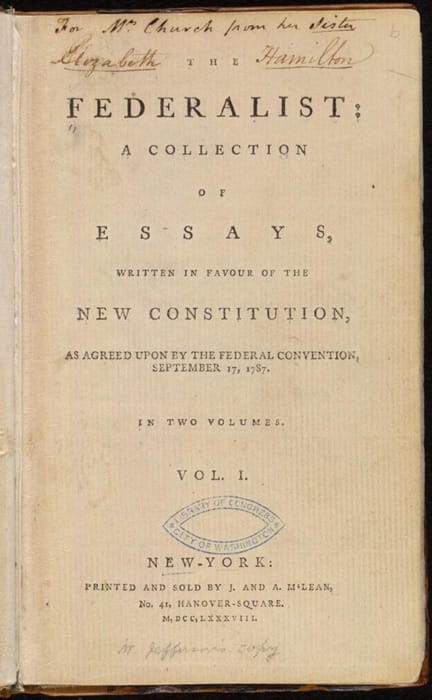
The convention sent the Constitution to the states, to be ratified by special conventions; it would take effect when nine approved. A fierce public debate followed between Federalists and Anti-Federalists, waged in newspapers and pamphlets including the Federalist Papers. New Hampshire became the ninth state to ratify in June 1788.
Long-term significance
The convention created a durable framework of government built on compromise — between large and small states, nation and states, and North and South. Its bargains over slavery bought union at a terrible price, strengthening slaveholders’ political power until the Civil War. Its secret debates, known mainly through Madison’s notes, remain central to arguments about what the Constitution means.
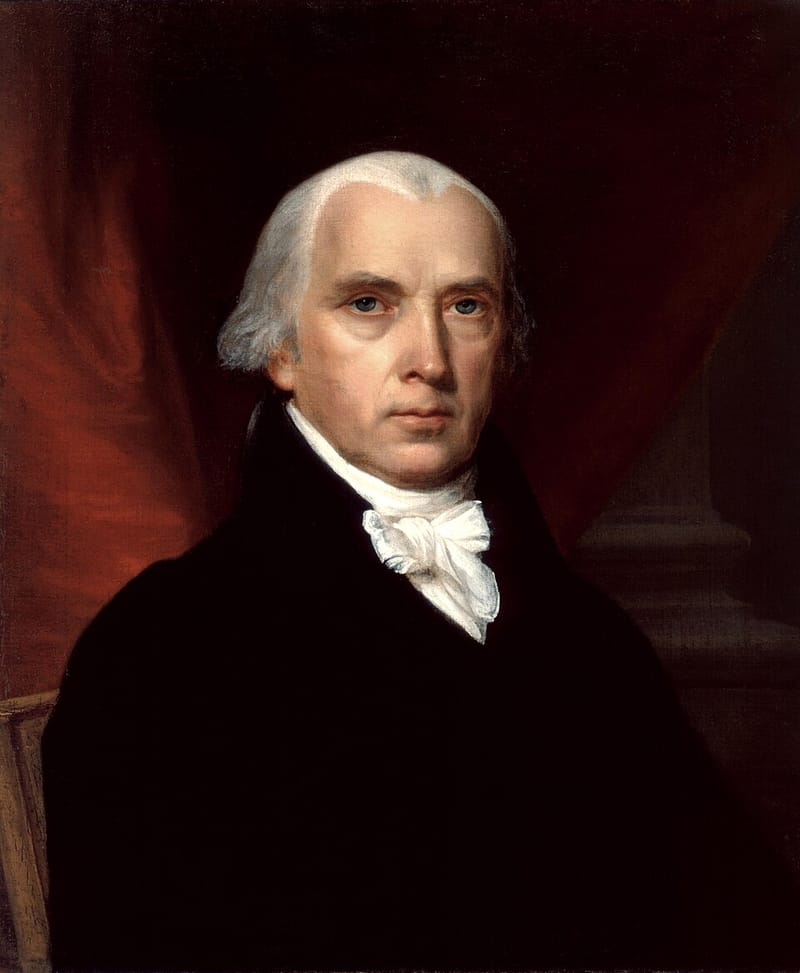
Key peopleGeorge Washington, James Madison, Benjamin Franklin, Alexander Hamilton
Study this entry
Check your understanding
Try answering in your own words, then open the answer.
1.What led to the Constitutional Convention?Show answerHide
Nationalists such as James Madison, Hamilton, and George Washington wanted a government that could raise revenue, pay the nation’s debts, regulate commerce, and command respect abroad. Others came to protect their states’ interests.From “Causes and contributing factors” above.
2.What happened?Show answerHide
The convention chose Washington to preside and agreed to keep its proceedings secret. On May 29, Edmund Randolph presented the Virginia Plan, drafted largely by Madison, which proposed a national government of three branches with a two-house legislature apportioned by population.From “What happened” above.
3.What were the immediate consequences?Show answerHide
The convention sent the Constitution to the states, to be ratified by special conventions; it would take effect when nine approved. A fierce public debate followed between Federalists and Anti-Federalists, waged in newspapers and pamphlets including the Federalist Papers.From “Immediate consequences” above.
4.Why does it still matter?Show answerHide
The convention created a durable framework of government built on compromise — between large and small states, nation and states, and North and South. Its bargains over slavery bought union at a terrible price, strengthening slaveholders’ political power until the Civil War.From “Long-term significance” above.
Turn this entry into 10 flashcards (key facts, dates, and why it matters) and review them in Learn.
Related History
How this connects to the rest of the atlas.
People
Documents
Institutions

Sources
- 1.A More Perfect Union: The Creation of the U.S. Constitution
National Archives · Institutional · cited for convention delegates, plans, compromises, ratification
- 2.Constitution of the United States (1787) — Milestone Documents
National Archives · Institutional · cited for convention dates and signing
- 3.Constitutional Convention and Ratification, 1787–1789
U.S. Department of State, Office of the Historian · Institutional · cited for purpose of the convention
- 4.Alexander Hamilton
Historical Society of the New York Courts · Institutional · cited for Hamilton’s Annapolis report
Image credits
- Scene at the Signing of the Constitution of the United States, Howard Chandler Christy, 1940. Via Wikimedia Commons · Public domain · Source
Written for American History Atlas from the sources above. See how entries are researched.
Atlas by Alexander. More on Telegram.