Period 11 · 1939–1960
World War II and the Early Cold War
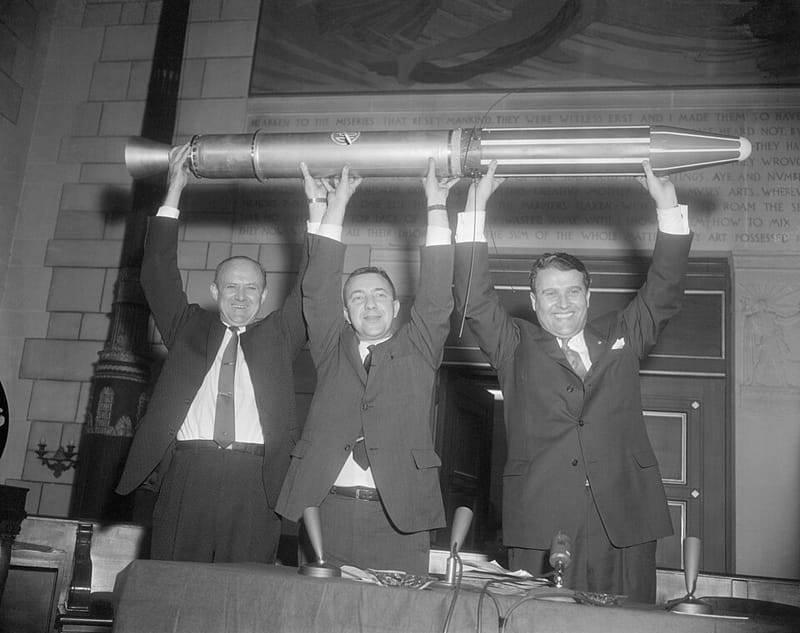
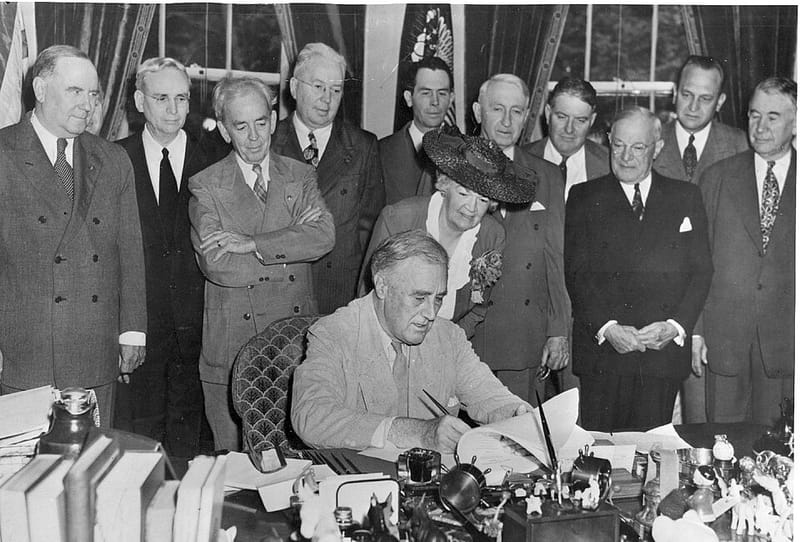
The United States entered World War II after Pearl Harbor and emerged from it as the world’s strongest nation. Victory gave way almost immediately to the Cold War with the Soviet Union: containment, the Marshall Plan, NATO, the Korean War, the nuclear arms race, and a Red Scare at home. The war and its aftermath also transformed the economy, sent veterans to college, and planted the seeds of the civil rights movement.
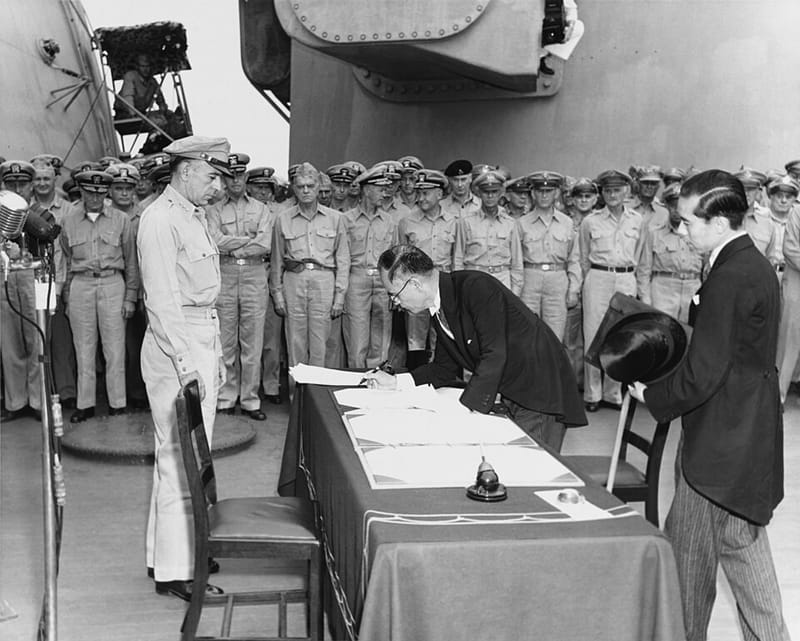
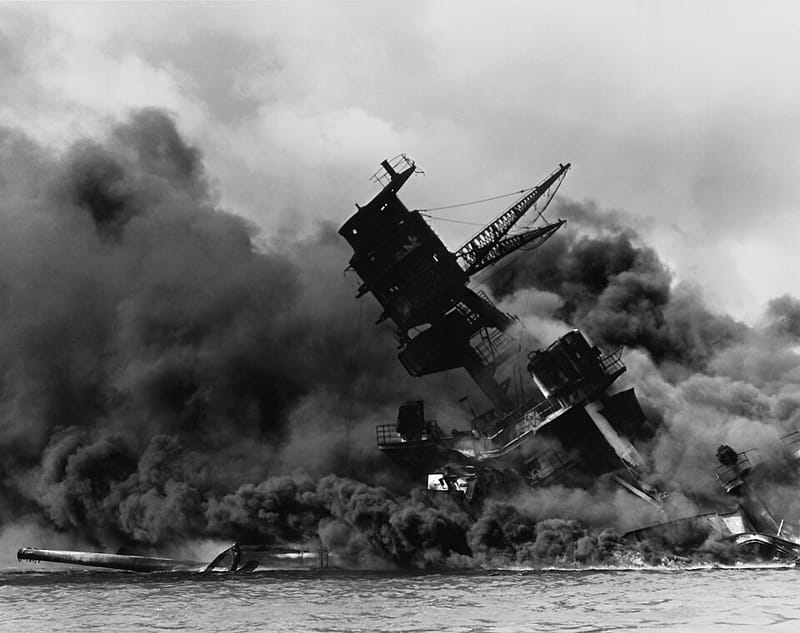
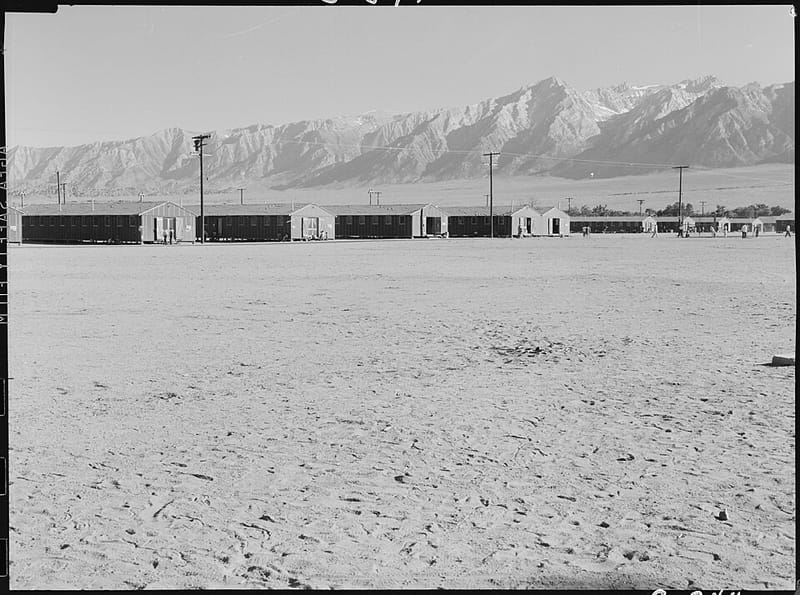
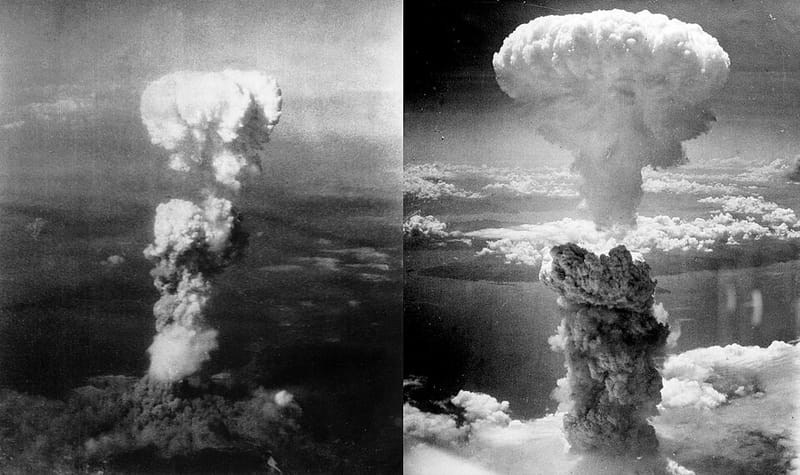
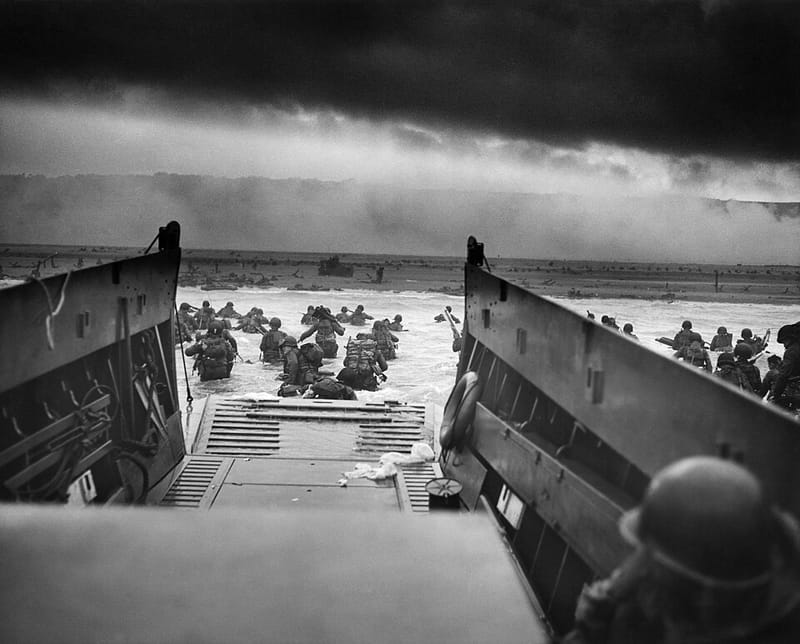
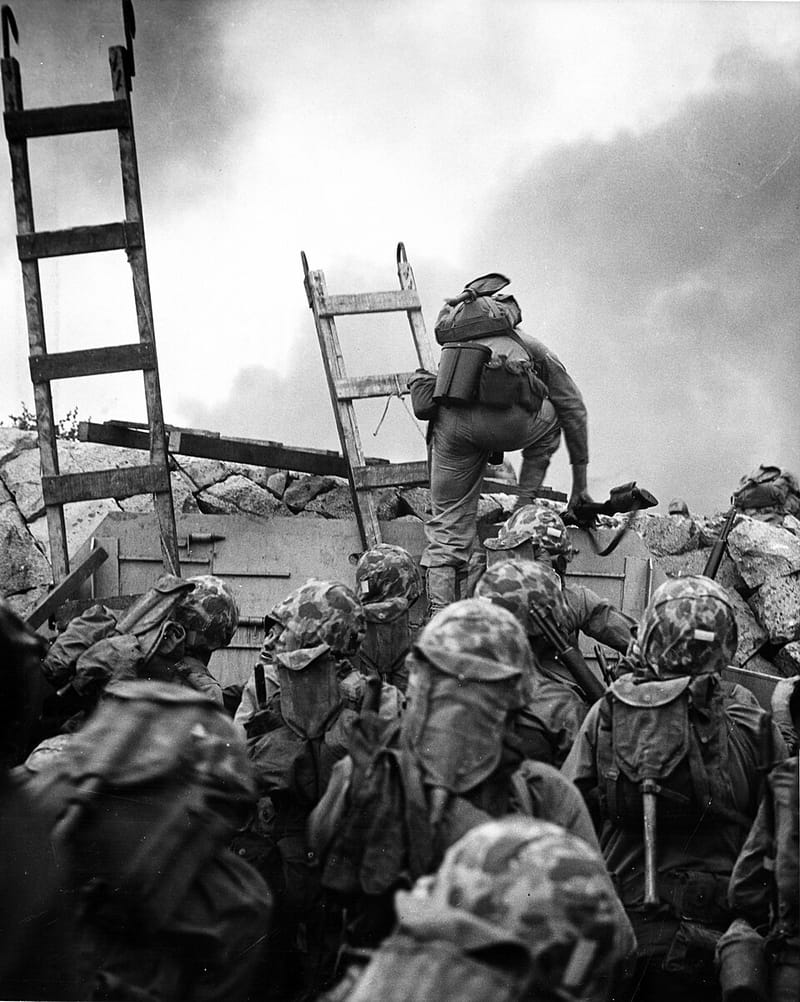
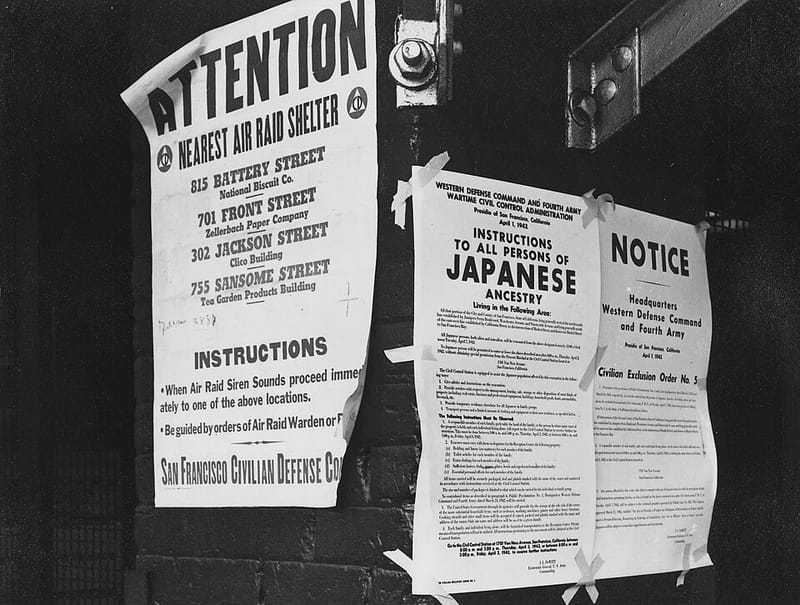
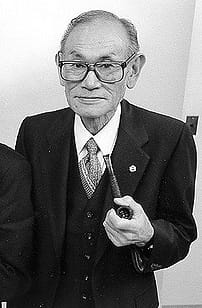
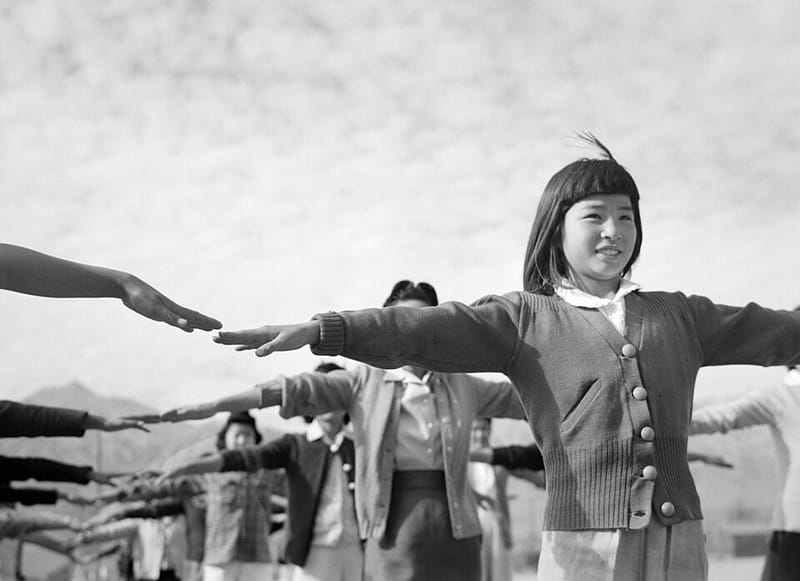
When war broke out in Europe in 1939, most Americans wanted to stay out, but Franklin D. Roosevelt sent aid to Britain through Lend-Lease. Japan’s attack on Pearl Harbor on December 7, 1941, brought the nation into World War II. Americans fought from North Africa and Normandy to Iwo Jima and Okinawa; at home, factories armed the Allies, unemployment vanished, and millions of women went to work. The war also brought the mass incarceration of Japanese Americans under Executive Order 9066, upheld in Korematsu v. United States and carried out at camps such as Manzanar. The war ended in 1945 after the atomic bombings of Hiroshima and Nagasaki.
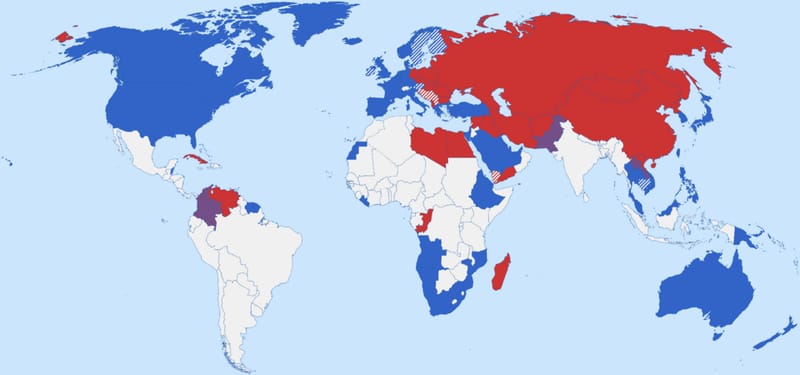
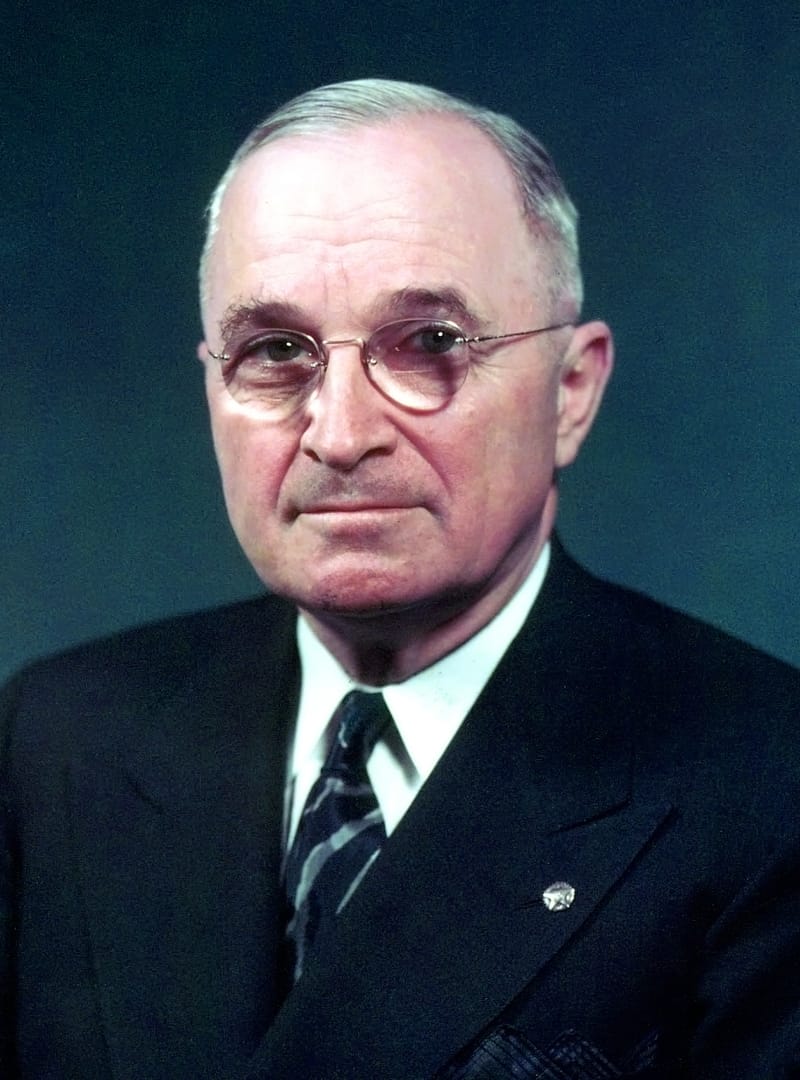
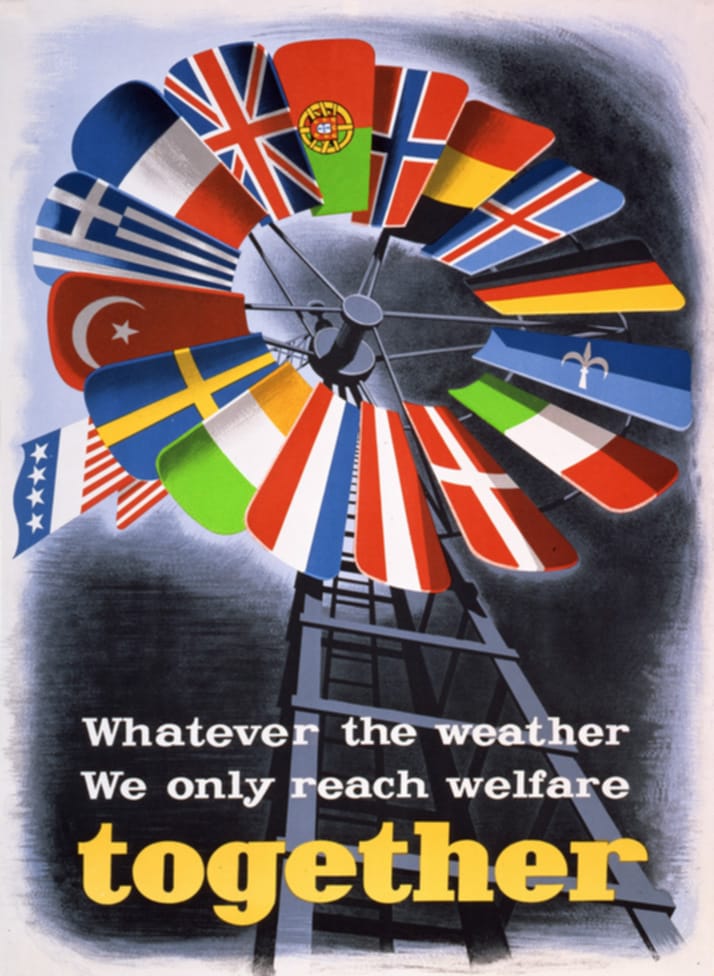
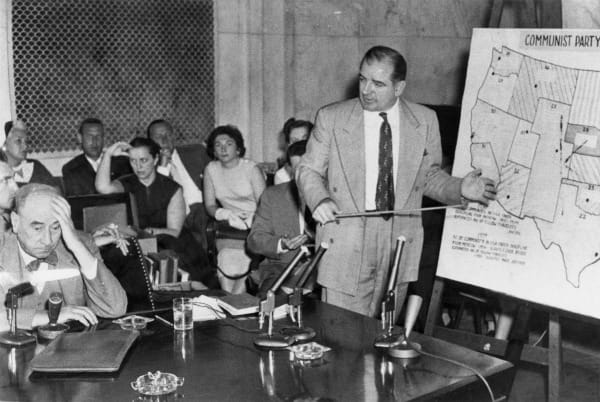
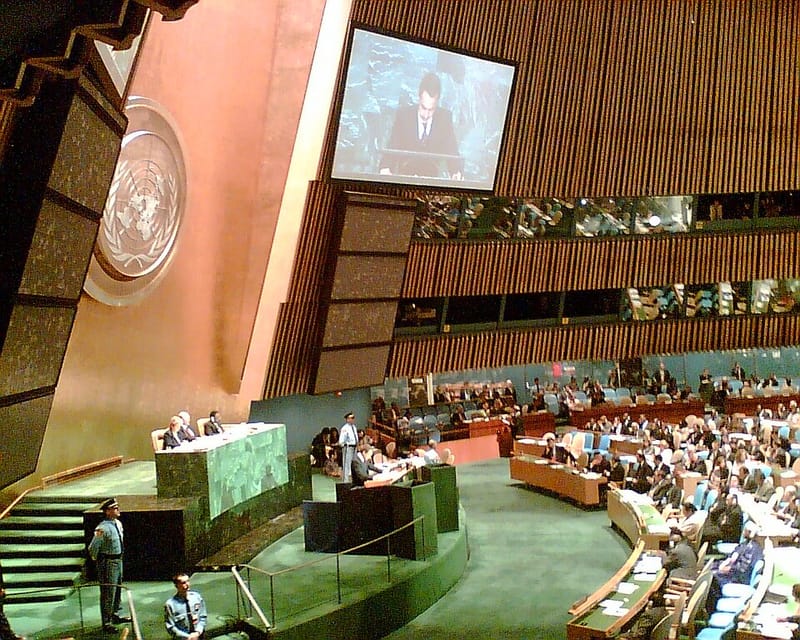
President Harry S. Truman helped found the United Nations, but the wartime alliance with the Soviet Union collapsed into the Cold War. The United States committed itself to containing communism through the Truman Doctrine, the Marshall Plan, the Berlin Airlift, and NATO, and fought the Korean War. Fear of subversion fed the Red Scare and McCarthyism.
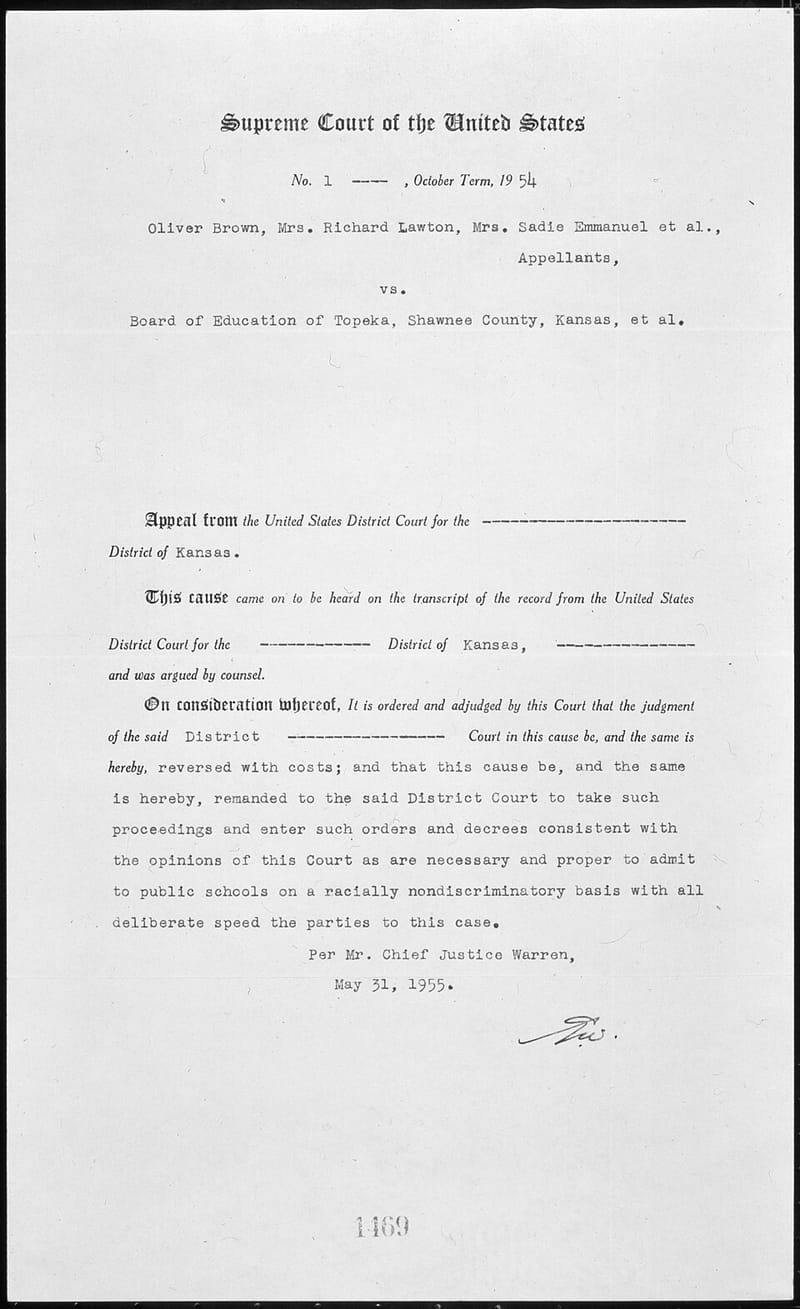
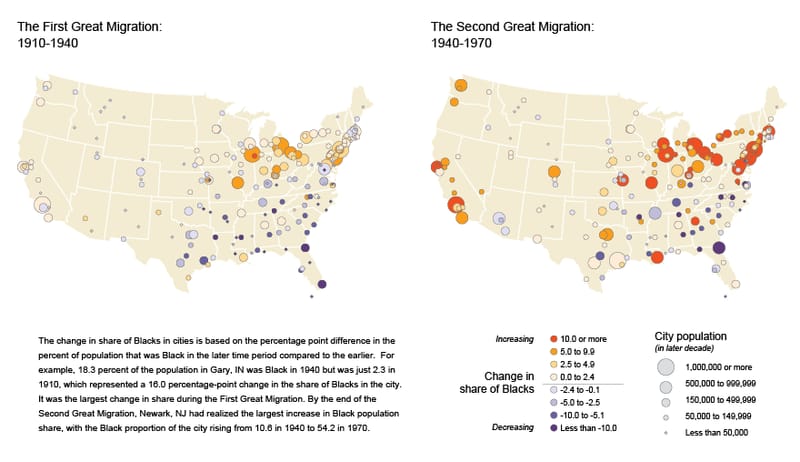
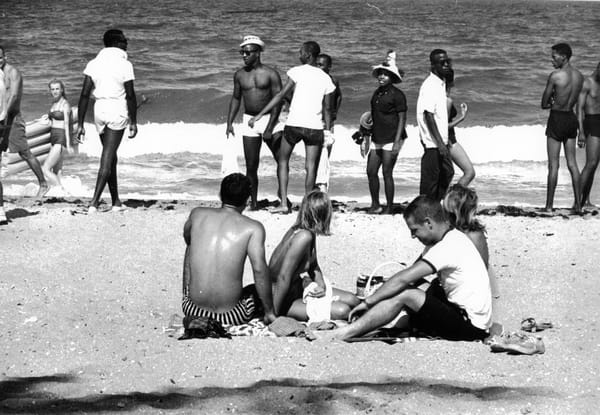
At home, the G.I. Bill sent millions of veterans to college and helped them buy homes, fueling postwar prosperity — though Black veterans were often shut out. Black Americans, who had fought for “Double Victory” over fascism abroad and racism at home, pressed for change; Truman desegregated the armed forces in 1948, and by the mid-1950s a new civil rights movement was rising.
Highlights
Events and wars
People
Documents and court cases
Movements, institutions, and ideas
Places
Sources for this overview
- The American Yawp, “World War II” — The American Yawp (eds. Joseph Locke and Ben Wright; Stanford University Press)
- The American Yawp, “The Cold War” — The American Yawp (eds. Joseph Locke and Ben Wright; Stanford University Press)
- Harry S. Truman: Life in Brief — Miller Center, University of Virginia (Alonzo L. Hamby)
- Executive Order 9981: Desegregation of the Armed Forces (1948) — Milestone Documents — National Archives
- Servicemen’s Readjustment Act (1944) — Milestone Documents — National Archives
- The Formation of the United Nations, 1945 — U.S. Department of State, Office of the Historian
Atlas by Alexander. More on Telegram.