The Presidency
The executive branch and the office of president
1789The White House, Washington, D.C.
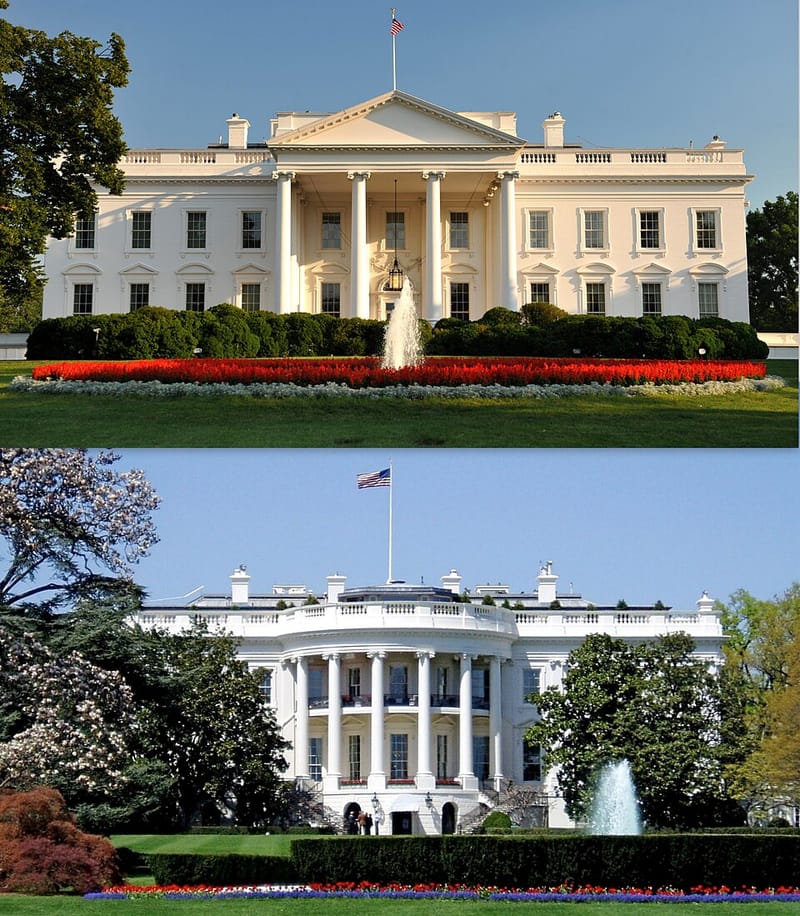
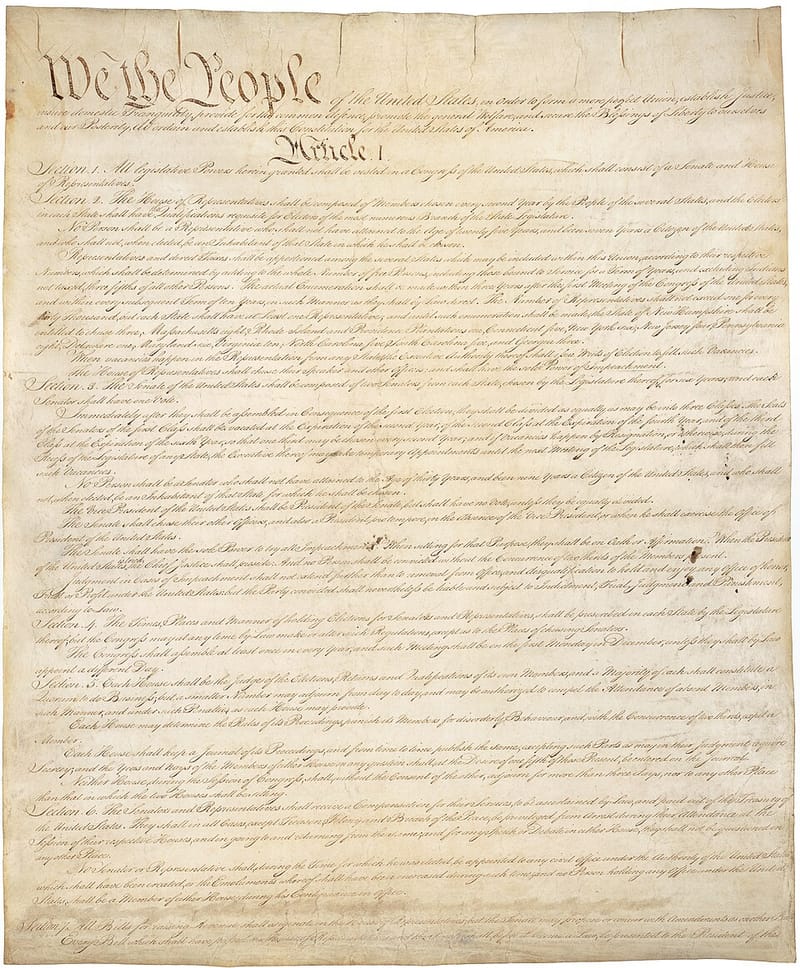
Article II of the Constitution vests “the executive Power” in a president, elected for a four-year term. The president is head of state, leader of the executive branch, and commander in chief of the armed forces, and must “take Care that the Laws be faithfully executed.” From George Washington’s precedents to Franklin D. Roosevelt’s transformation of the office, the presidency has grown into the most powerful position in American government — checked by Congress, the courts, and the voters.
Key facts
- Date
- 1789
- Location
- The White House, Washington, D.C.
- Constitutional basis
- Article II
- Term
- Four years; limited to two elected terms by the Twenty-second Amendment (1951)
- Powers
- Commander in chief; makes treaties with two-thirds Senate approval; appoints judges and officers with Senate consent; may veto legislation
- Removal
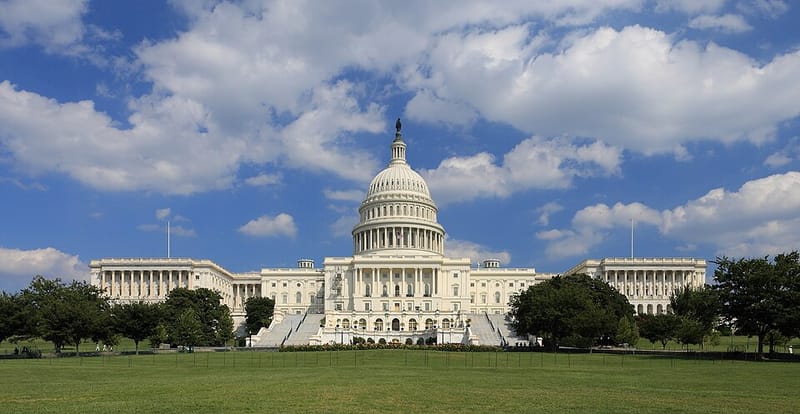
- Impeachment by the House and conviction by the Senate for “Treason, Bribery, or other high Crimes and Misdemeanors”
- Succession
- The vice president becomes president if the president cannot serve
Why it matters
The presidency has become the center of American government and politics, embodying the nation at home and abroad — and the tension between energetic leadership and constitutional limits.
Origins
The Constitutional Convention of 1787 replaced the Articles of Confederation with a Constitution that created a single executive — a president chosen by electors from each state for a four-year term, together with a vice president. George Washington became the first president in 1789.
Powers and limits
Article II makes the president “Commander in Chief of the Army and Navy” and gives the power, “by and with the Advice and Consent of the Senate,” to make treaties, “provided two thirds of the Senators present concur,” and to appoint ambassadors, judges, and other officers. The president may veto bills, which Congress can override by a two-thirds vote of each house. The president is supported by the vice president and the cabinet, whose members require Senate approval. Congress may remove a president through impeachment and conviction.
How it changed over time
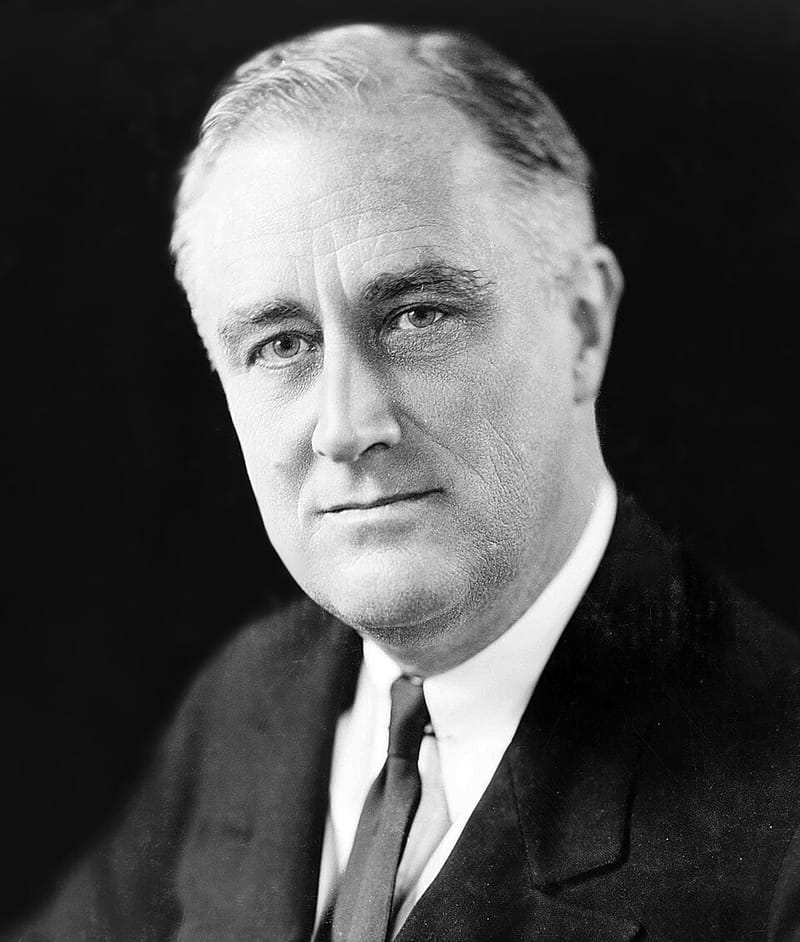
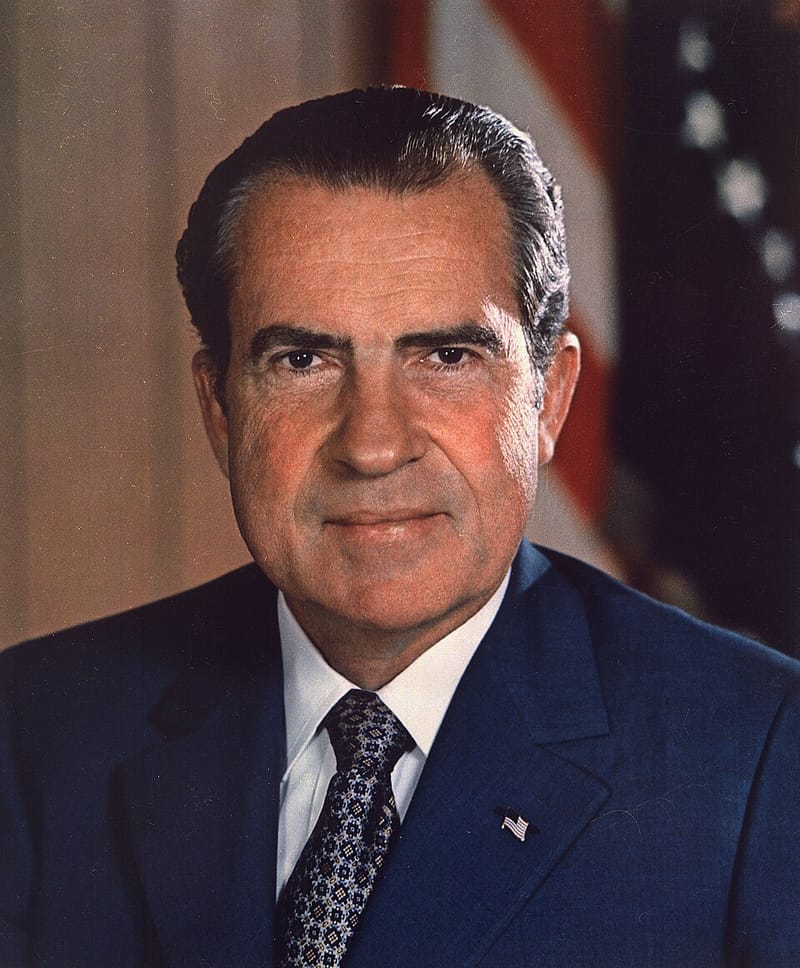
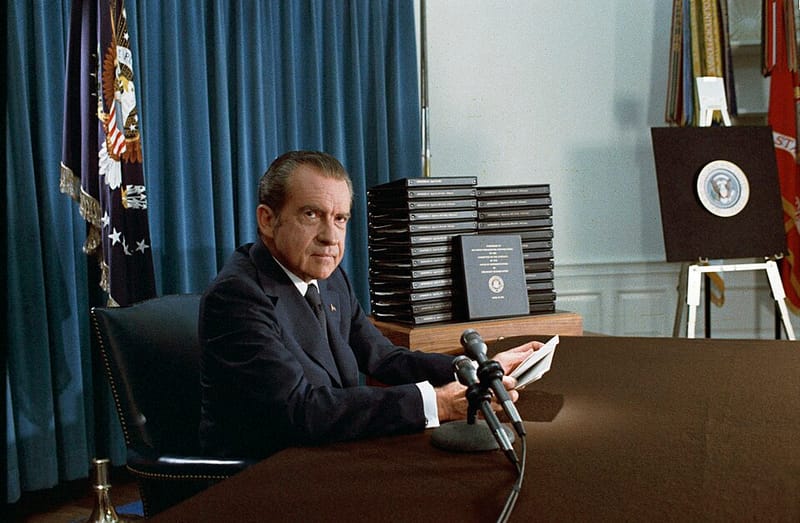
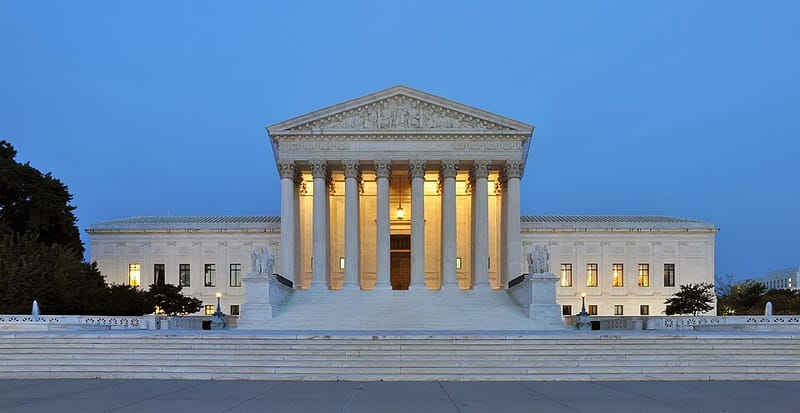
The office expanded in times of crisis. Abraham Lincoln used war powers to preserve the Union and issue the Emancipation Proclamation. Theodore Roosevelt and Woodrow Wilson made the president a leader of reform and of world affairs. Franklin D. Roosevelt, who won four elections, made the president a chief legislator, built the modern White House staff, and used radio fireside chats to speak directly to citizens; the Twenty-second Amendment later limited presidents to two terms. The Vietnam War and Watergate brought a backlash: Congress passed the War Powers Resolution in 1973, and in United States v. Nixon the Supreme Court held that a president must obey a subpoena; Richard Nixon became the only president to resign.
Study this entry
Check your understanding
Try answering in your own words, then open the answer.
1.Where did it come from?Show answerHide
The Constitutional Convention of 1787 replaced the Articles of Confederation with a Constitution that created a single executive — a president chosen by electors from each state for a four-year term, together with a vice president. George Washington became the first president in 1789.From “Origins” above.
2.What can it do, and what limits it?Show answerHide
Article II makes the president “Commander in Chief of the Army and Navy” and gives the power, “by and with the Advice and Consent of the Senate,” to make treaties, “provided two thirds of the Senators present concur,” and to appoint ambassadors, judges, and other officers.From “Powers and limits” above.
3.How has it changed over time?Show answerHide
The office expanded in times of crisis. Abraham Lincoln used war powers to preserve the Union and issue the Emancipation Proclamation. Theodore Roosevelt and Woodrow Wilson made the president a leader of reform and of world affairs. Franklin D. Roosevelt, who won four elections, made the president a chief legislator, built the modern White House staff, and used radio fireside chats to speak directly to citizens; the Twenty-second Amendment later limited presidents to two terms.From “How it changed over time” above.
Turn this entry into 11 flashcards (key facts, dates, and why it matters) and review them in Learn.
Related History
How this connects to the rest of the atlas.



Sources
- 1.The Constitution of the United States: A Transcription
National Archives · Primary source · cited for text of Articles I and II
- 2.Branches of the U.S. government
USA.gov (U.S. General Services Administration) · Institutional · cited for roles of Congress, the president, and checks and balances
- 3.Franklin D. Roosevelt: Impact and Legacy
Miller Center, University of Virginia (William E. Leuchtenburg) · Scholarly · cited for assessment of the New Deal and presidency
- 4.FDR Biography
Franklin D. Roosevelt Presidential Library and Museum (National Archives) · Institutional · cited for dates, career chronology, four terms, death
- 5.The Constitution: Amendments 11–27
National Archives · Primary source · cited for text and dates of the 18th and 21st Amendments
- 6.The American Yawp, “The Unraveling”
The American Yawp (eds. Joseph Locke and Ben Wright; Stanford University Press) · Scholarly · cited for 1970s: Vietnam’s end, Watergate, feminism, environmentalism
- 7.United States v. Nixon
Oyez (Cornell LII, Justia, Chicago-Kent College of Law) · Scholarly · cited for facts, question, holding, vote
Image credits
- White House north and south sides, (top) Cezary p (bottom) MattWade, (top) July 17, 2008 (bottom) May 26, 200. Via Wikimedia Commons · CC BY-SA 4.0 · Source
Written for American History Atlas from the sources above. See how entries are researched.
Atlas by Alexander. More on Telegram.