DocumentWorld War II and the Early Cold War
G.I. Bill
The Servicemen’s Readjustment Act of 1944
June 22, 1944
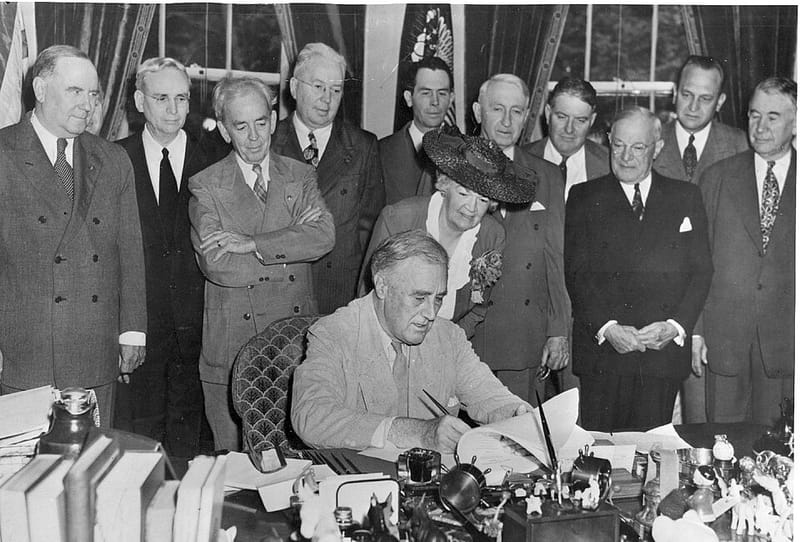
The Servicemen’s Readjustment Act of 1944, known as the G.I. Bill, gave World War II veterans money for college or job training, low-cost home loans, and unemployment pay. About 2.3 million veterans attended college under it, and millions more received vocational or on-the-job training; by 1955 it had backed 4.3 million home loans. The law helped build the postwar middle class — though discrimination kept many Black veterans from sharing fully in its benefits.
Key facts
- Date
- June 22, 1944
- Authors
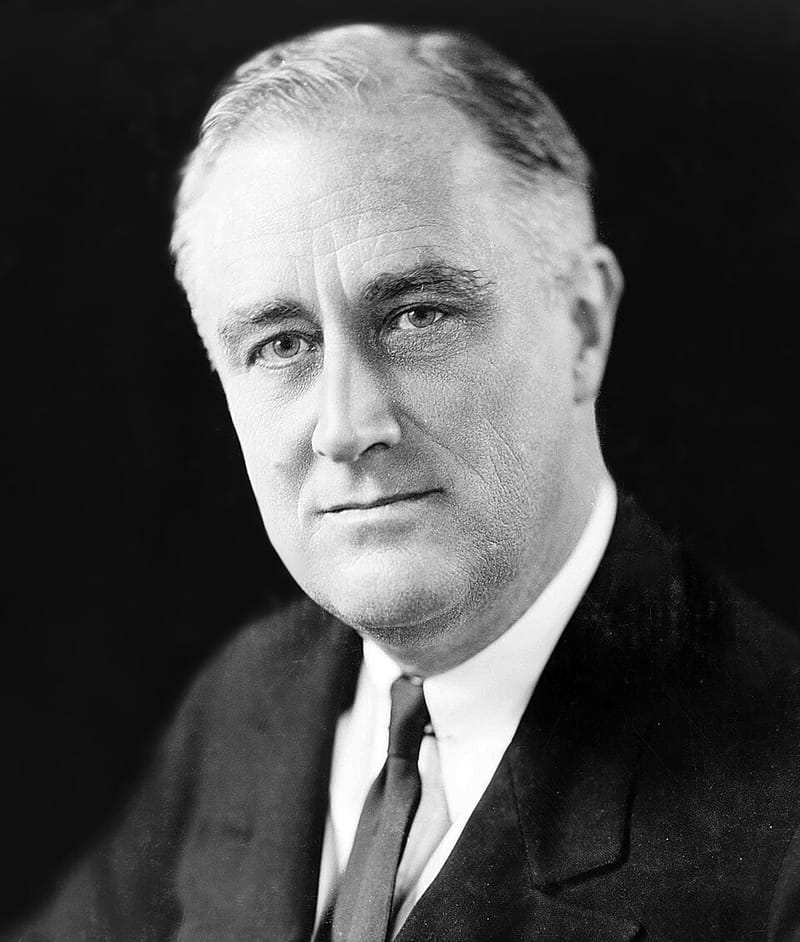
- U.S. Congress; Franklin D. Roosevelt (signed)
- Signed
- June 22, 1944, by President Franklin D. Roosevelt
- Designed by
- The American Legion
- Education
- About 2.3 million veterans attended colleges and universities; about 8 million used education or training benefits
- Home loans
- 4.3 million, worth $33 billion, by 1955
- Later versions
- Extended for Korean War and Vietnam War veterans
Read the act at the National Archives
Why it matters
The number of college degrees awarded more than doubled between 1940 and 1950, and veterans bought a fifth of all new homes built after the war. The G.I. Bill helped create the postwar boom and the suburban middle class — though its unequal application left many Black veterans behind.
Historical circumstances
During the war, the Department of Labor estimated that 15 million service members would be unemployed after demobilization. Fearing a return to depression, a White House planning board studied postwar needs from 1942. The American Legion designed the main features of the bill and pushed it through Congress; it passed both houses unanimously in the spring of 1944, and Roosevelt signed it on June 22, just after the D-Day landings.
Principal ideas
The act offered veterans federal help to readjust to civilian life: tuition, books, and living allowances for school or college; loan guarantees for homes, farms, and businesses; unemployment compensation; and hospital care. An American Legion publicist dubbed it “the GI Bill of Rights.”
Its benefits were not shared equally. Black veterans were often unable to get mortgages in Black neighborhoods and faced discrimination that excluded them from buying homes in white suburbs.
Study this entry
Check your understanding
Try answering in your own words, then open the answer.
1.Why was this document written?Show answerHide
During the war, the Department of Labor estimated that 15 million service members would be unemployed after demobilization. Fearing a return to depression, a White House planning board studied postwar needs from 1942.From “Historical circumstances” above.
2.What are its principal ideas?Show answerHide
The act offered veterans federal help to readjust to civilian life: tuition, books, and living allowances for school or college; loan guarantees for homes, farms, and businesses; unemployment compensation; and hospital care. An American Legion publicist dubbed it “the GI Bill of Rights.”From “Principal ideas” above.
Turn this entry into 12 flashcards (key facts, dates, and why it matters) and review them in Learn.
Related History
How this connects to the rest of the atlas.
Events


Sources
- 1.Servicemen’s Readjustment Act (1944) — Milestone Documents
National Archives · Primary source · cited for G.I. Bill provisions and results
- 2.The American Yawp, “World War II”
The American Yawp (eds. Joseph Locke and Ben Wright; Stanford University Press) · Scholarly · cited for WWII and the home front
Image credits
- GI Bill signing, Not provided, 1944-06-22. Via Wikimedia Commons · Public domain · Source
Written for American History Atlas from the sources above. See how entries are researched.
Atlas by Alexander. More on Telegram.