EventWorld War II and the Early Cold War
Atomic Bombings of Hiroshima and Nagasaki
The first and only use of nuclear weapons in war, August 1945
August 6–9, 1945Hiroshima and Nagasaki, Japan
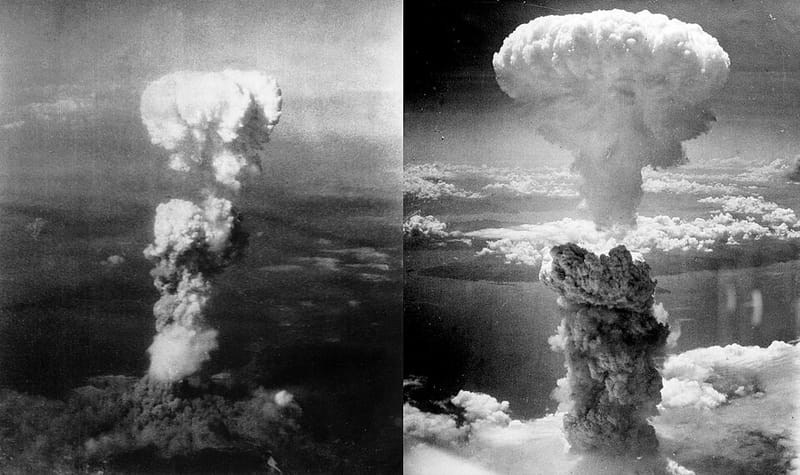
On August 6, 1945, an American B-29 bomber dropped an atomic bomb on Hiroshima, Japan; three days later a second bomb struck Nagasaki. Some 70,000 people probably died immediately at Hiroshima, and more than 100,000 by the end of 1945; the best estimate at Nagasaki is 40,000 initial deaths. Japan announced its surrender on August 15. The bombings ended World War II and opened the nuclear age, and whether they were necessary remains one of the most debated questions in American history.
Key facts
- Date
- August 6–9, 1945
- Location
- Hiroshima and Nagasaki, Japan
- Hiroshima
- August 6, 1945, about 8:15 a.m.; uranium bomb “Little Boy,” about 15 kilotons; dropped from the Enola Gay
- Nagasaki
- August 9, 1945, 11:02 a.m.; plutonium bomb “Fat Man,” about 21 kilotons; dropped from Bock’s Car
- Deaths
- Hiroshima: about 70,000 initially, probably over 100,000 by end of 1945; Nagasaki: about 40,000 initially
- Authorized by
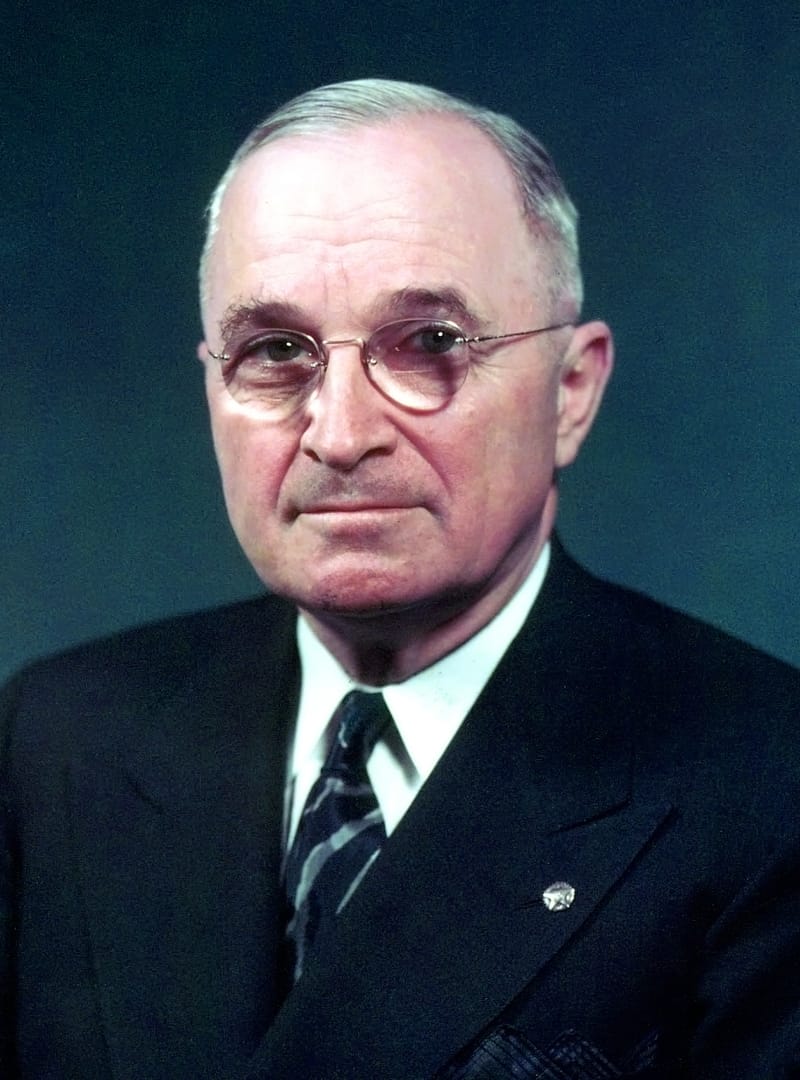
- President Harry S. Truman
- Japan’s surrender
- Announced August 15; signed September 2, 1945
Why it matters
Hiroshima and Nagasaki ended the deadliest war in history and made the prospect of nuclear annihilation a permanent feature of world politics.
Historical background
Early in the war, fearing that Germany might build an atomic bomb, the United States launched the Manhattan Project, a vast secret program to build a weapon from nuclear fission. Scientists at Los Alamos, New Mexico, directed by J. Robert Oppenheimer, designed the bombs, and on July 16, 1945, the first nuclear device was exploded in the Trinity test in New Mexico. By then Germany had surrendered, but the war with Japan continued.
Causes and contributing factors
After the bloody battles of Iwo Jima and Okinawa, U.S. officials expected Japanese forces to fight fiercely for their home islands; some estimated that an invasion could cost half a million American casualties and perhaps millions of Japanese civilians. These estimates were later cited to justify the bombings. President Truman approved its use; his order of July 25 authorized additional bombs as soon as they were ready. Historians continue to debate the many motives behind the decision, and many American officials criticized it.
What happened
Hiroshima. Hiroshima, a city of almost 300,000 civilians and an important military center, was the primary target. At about 8:15 a.m. on August 6, the B-29 Enola Gay, piloted by Colonel Paul Tibbets, released “Little Boy,” which exploded 1,900 feet above the city. Within minutes nine of ten people within half a mile of ground zero were dead. Nearly every structure within a mile was destroyed, and roughly half the city’s population was killed or injured.
Nagasaki. On August 9, the B-29 Bock’s Car, commanded by Major Charles Sweeney, found its primary target, Kokura, obscured by smoke and haze and turned to its secondary target, Nagasaki, where “Fat Man” exploded at 11:02 a.m. Though more powerful than the Hiroshima bomb, it caused less damage because of the city’s hilly terrain.
Survivors began to show symptoms of radiation sickness within days; deaths from it peaked three to four weeks after the attacks.
Immediate consequences
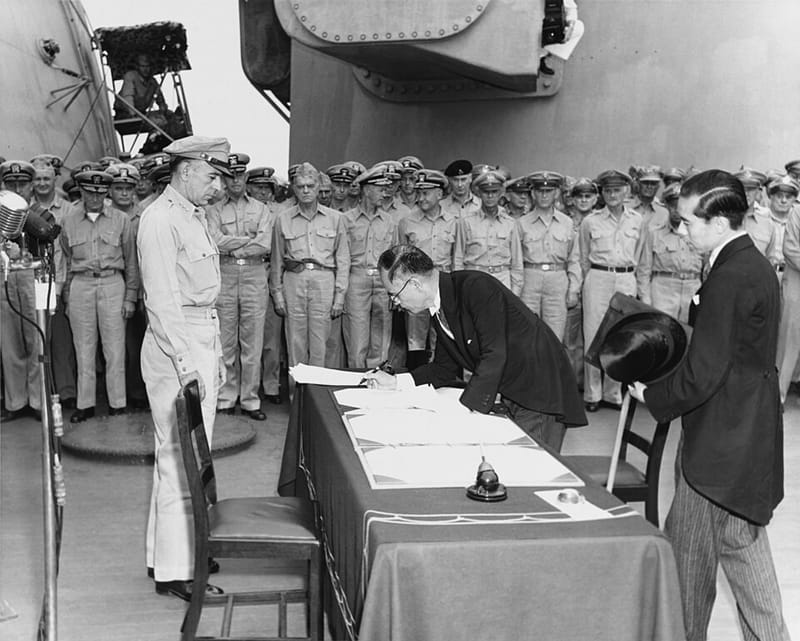
Emperor Hirohito announced Japan’s surrender on August 15, and Japanese delegates formally signed the surrender aboard the battleship USS Missouri on September 2, 1945. Survivors faced long-term health dangers, including increased cancer risk, for the rest of their lives.
Long-term significance
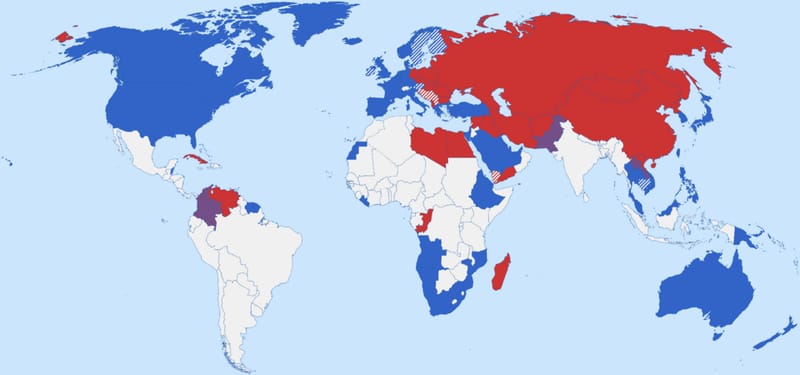
The bombings began the nuclear age. The Soviet Union tested its own atomic bomb in 1949, and the two superpowers raced to build ever more powerful weapons during the Cold War.
Study this entry
Check your understanding
Try answering in your own words, then open the answer.
1.What led to Atomic Bombings of Hiroshima and Nagasaki?Show answerHide
After the bloody battles of Iwo Jima and Okinawa, U.S. officials expected Japanese forces to fight fiercely for their home islands; some estimated that an invasion could cost half a million American casualties and perhaps millions of Japanese civilians. These estimates were later cited to justify the bombings.From “Causes and contributing factors” above.
2.What happened?Show answerHide
Hiroshima. Hiroshima, a city of almost 300,000 civilians and an important military center, was the primary target. At about 8:15 a.m. on August 6, the B-29 Enola Gay, piloted by Colonel Paul Tibbets, released “Little Boy,” which exploded 1,900 feet above the city.From “What happened” above.
3.What were the immediate consequences?Show answerHide
Emperor Hirohito announced Japan’s surrender on August 15, and Japanese delegates formally signed the surrender aboard the battleship USS Missouri on September 2, 1945. Survivors faced long-term health dangers, including increased cancer risk, for the rest of their lives.From “Immediate consequences” above.
4.Why does it still matter?Show answerHide
The bombings began the nuclear age. The Soviet Union tested its own atomic bomb in 1949, and the two superpowers raced to build ever more powerful weapons during the Cold War.From “Long-term significance” above.
Turn this entry into 11 flashcards (key facts, dates, and why it matters) and review them in Learn.
Related History
How this connects to the rest of the atlas.
Events
Wars

Sources
- 1.The Atomic Bombing of Hiroshima, August 6, 1945
U.S. Department of Energy, Office of History and Heritage Resources (OSTI) · Institutional · cited for Hiroshima: bomb, effects, deaths
- 2.The Atomic Bombing of Nagasaki, August 9, 1945
U.S. Department of Energy, Office of History and Heritage Resources (OSTI) · Institutional · cited for Nagasaki: mission, effects, deaths
- 3.The American Yawp, “World War II”
The American Yawp (eds. Joseph Locke and Ben Wright; Stanford University Press) · Scholarly · cited for WWII and the home front
- 4.Harry S. Truman: Life in Brief
Miller Center, University of Virginia (Alonzo L. Hamby) · Scholarly · cited for life and presidency
- 5.The American Yawp, “The Cold War”
The American Yawp (eds. Joseph Locke and Ben Wright; Stanford University Press) · Scholarly · cited for containment, Marshall Plan, Berlin, NATO, NSC-68, Korea, McCarthyism, arms race
Image credits
- Atomic bombing of Japan, George R. Caron / Charles Levy, 1945-08-06/09. Via Wikimedia Commons · Public domain · Source
Written for American History Atlas from the sources above. See how entries are researched.
Atlas by Alexander. More on Telegram.