MovementThe Progressive Era and World War I
The Great Migration
Millions of Black Southerners move North and West, 1910s–1970
c. 1910s – c. 1970s
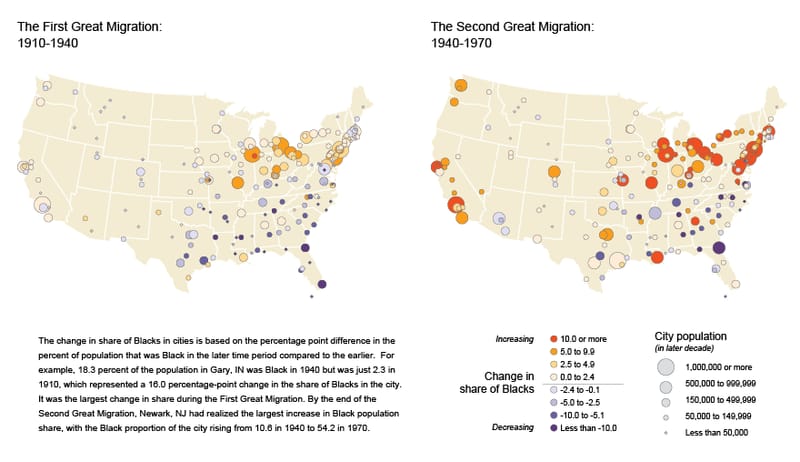
Beginning around 1910 and continuing for half a century, millions of Black Southerners left the rural South for cities in the North, Midwest, and West, escaping Jim Crow, lynching, and poverty and seeking industrial jobs. Nearly half a million moved between 1910 and 1920 alone, spurred by wartime labor shortages, and about 1.5 million in the 1940s. The migration transformed American cities, politics, and culture — from Chicago and Detroit to Harlem — and laid foundations for the civil rights movement.
Key facts
- Date
- c. 1910s – c. 1970s
- First wave
- Nearly half a million Black Southerners moved north between 1910 and 1920
- 1940s
- About 1.5 million — the largest decade of the migration
- Destinations
- Chicago, Detroit, New York, Philadelphia, Cleveland, and later Los Angeles and Oakland
- Pushes
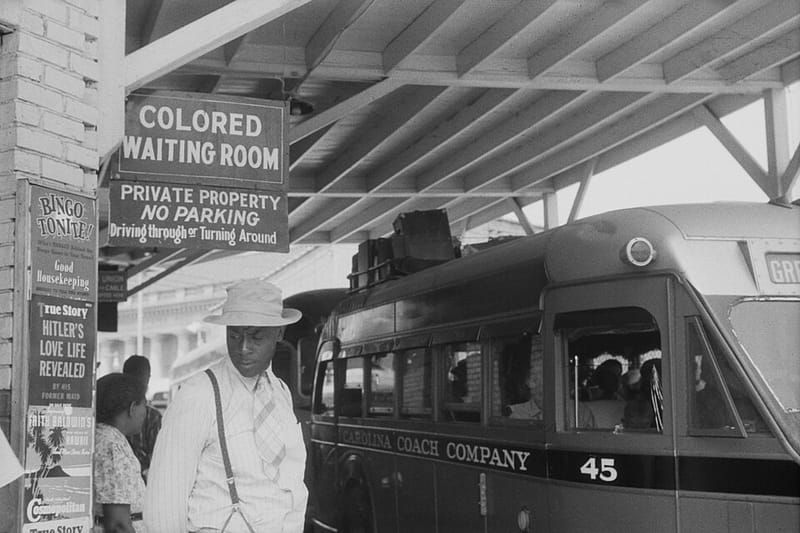
- Jim Crow, disenfranchisement, lynching, sharecropping poverty
Why it matters
The Great Migration was one of the largest internal movements of people in American history, and it reshaped the racial geography, politics, and culture of the entire nation.
Goals
Migrants sought better wages, education for their children, the right to vote, and freedom from the daily humiliations and violence of Jim Crow. Many described the move as a second emancipation.
Strategies
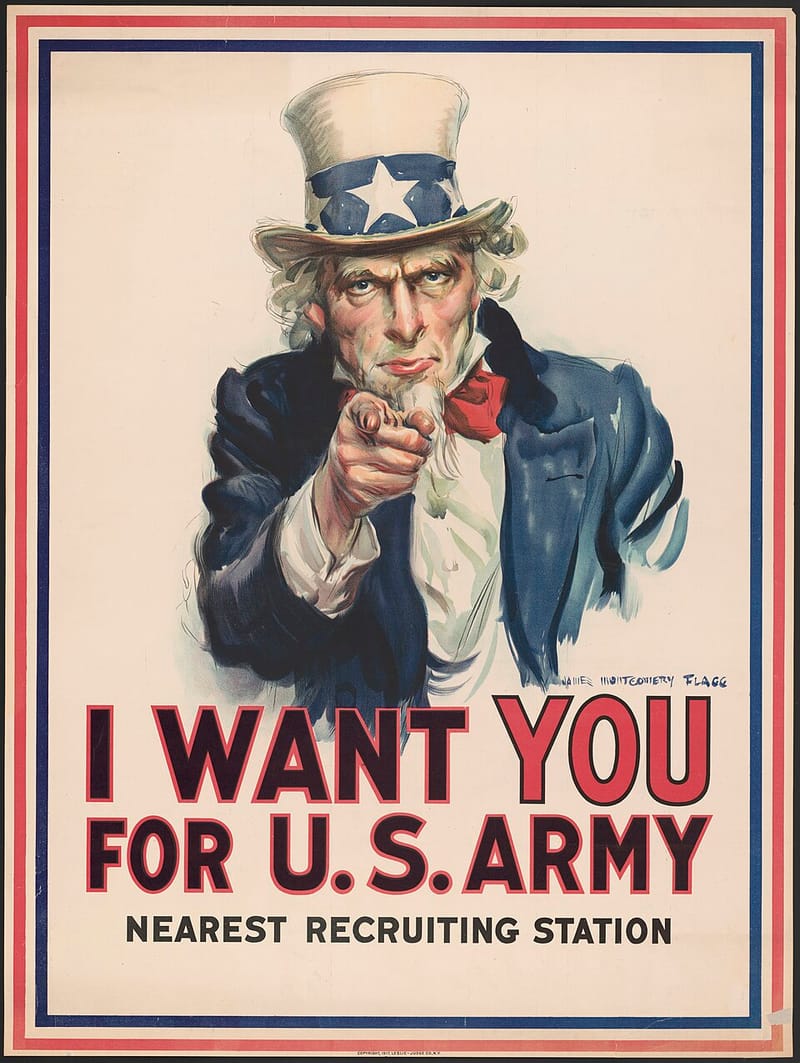
Migration was a collective act built on networks of family, churches, and Black newspapers that spread word of jobs and conditions in the North. Wartime industry during World War I, when immigration from Europe was cut off, created vast labor shortages that drew workers north; World War II defense jobs drew a second, larger wave.
Opposition
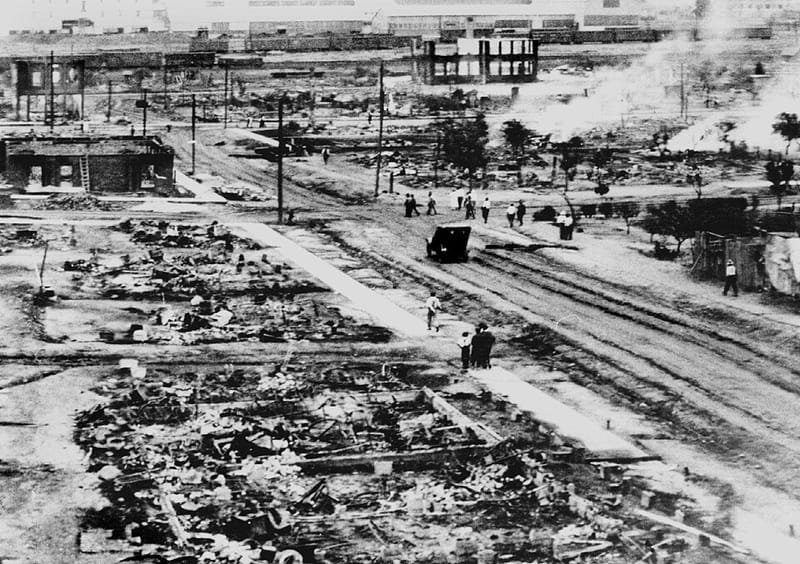
In the North, migrants met discrimination in housing and jobs. White northerners and returning veterans fought to reclaim jobs and neighborhoods, and race riots erupted in 1919 in many cities, including Chicago and Washington, D.C.
Achievements
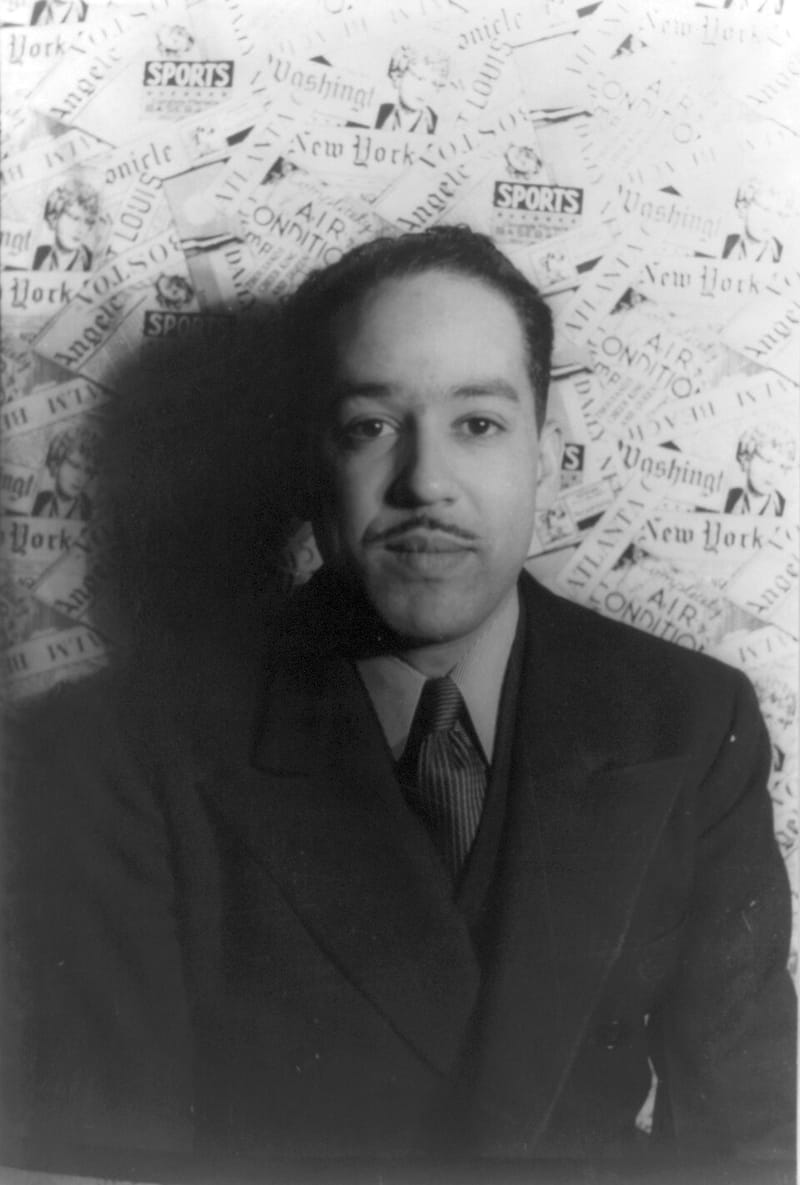
Black urban communities grew into centers of enterprise, politics, and culture. Harlem — which James Weldon Johnson called “the Culture Capital” — produced the Harlem Renaissance of the 1920s, and the institutions built in these communities supported the civil rights movement.
Unresolved questions
Migrants escaped legal segregation in the South but encountered discrimination in housing, employment, and schools in the North, shaping patterns of urban inequality that persisted long after.
Study this entry
Check your understanding
Try answering in your own words, then open the answer.
1.What did the movement want?Show answerHide
Migrants sought better wages, education for their children, the right to vote, and freedom from the daily humiliations and violence of Jim Crow. Many described the move as a second emancipation.From “Goals” above.
2.How did it pursue its goals?Show answerHide
Migration was a collective act built on networks of family, churches, and Black newspapers that spread word of jobs and conditions in the North.From “Strategies” above.
3.Who opposed it, and how?Show answerHide
In the North, migrants met discrimination in housing and jobs. White northerners and returning veterans fought to reclaim jobs and neighborhoods, and race riots erupted in 1919 in many cities, including Chicago and Washington, D.C.From “Opposition” above.
4.What did it achieve?Show answerHide
Black urban communities grew into centers of enterprise, politics, and culture. Harlem — which James Weldon Johnson called “the Culture Capital” — produced the Harlem Renaissance of the 1920s, and the institutions built in these communities supported the civil rights movement.From “Achievements” above.
Turn this entry into 10 flashcards (key facts, dates, and why it matters) and review them in Learn.
Related History
How this connects to the rest of the atlas.
Events
People
Movements

Sources
- 1.The American Yawp, “World War I and Its Aftermath”
The American Yawp (eds. Joseph Locke and Ben Wright; Stanford University Press) · Scholarly · cited for U.S. in WWI, deaths, influenza, Great Migration, race riots
- 2.The American Yawp, “The New Era”
The American Yawp (eds. Joseph Locke and Ben Wright; Stanford University Press) · Scholarly · cited for 1920s: Prohibition, immigration restriction, Klan, Great Migration
- 3.The American Yawp, “World War II”
The American Yawp (eds. Joseph Locke and Ben Wright; Stanford University Press) · Scholarly · cited for WWII and the home front
Image credits
- GreatMigration1910to1970-UrbanPopulation, US Census Bureau, 2012-09-13. Via Wikimedia Commons · Public domain · Source
Written for American History Atlas from the sources above. See how entries are researched.
Atlas by Alexander. More on Telegram.