PersonWorld War II and the Early Cold War
Harry S. Truman
Thirty-third president: ended World War II and launched the Cold War containment policy
1884–1972
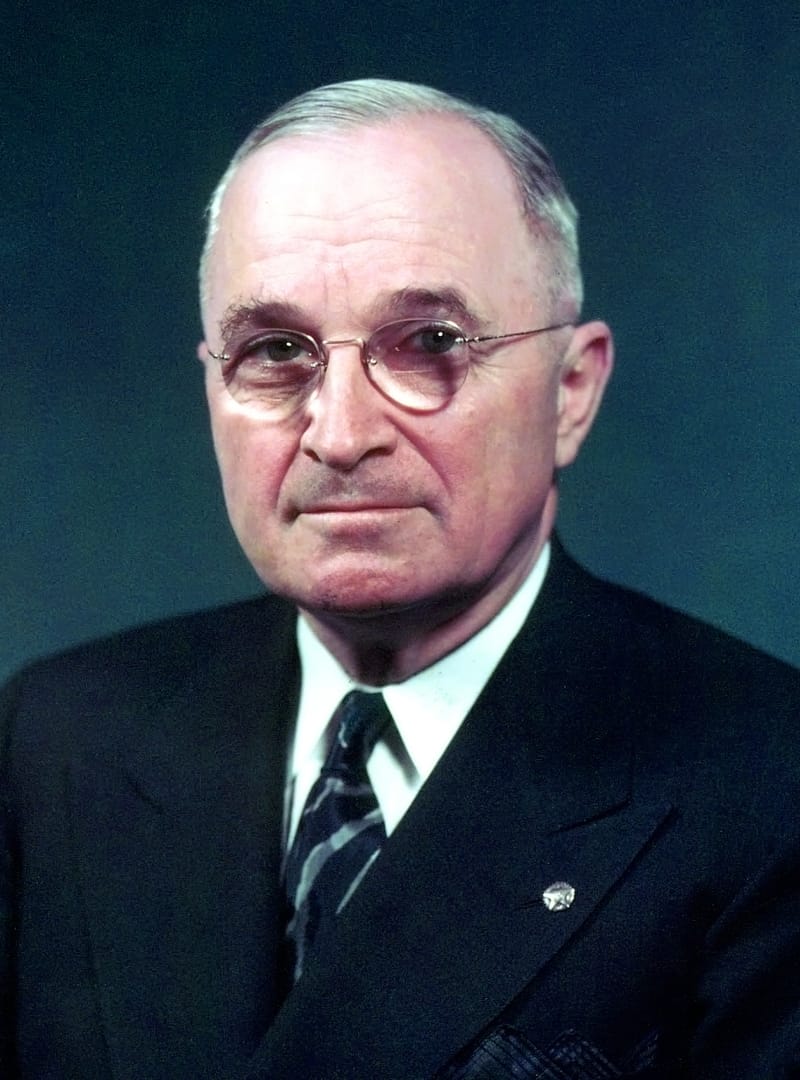
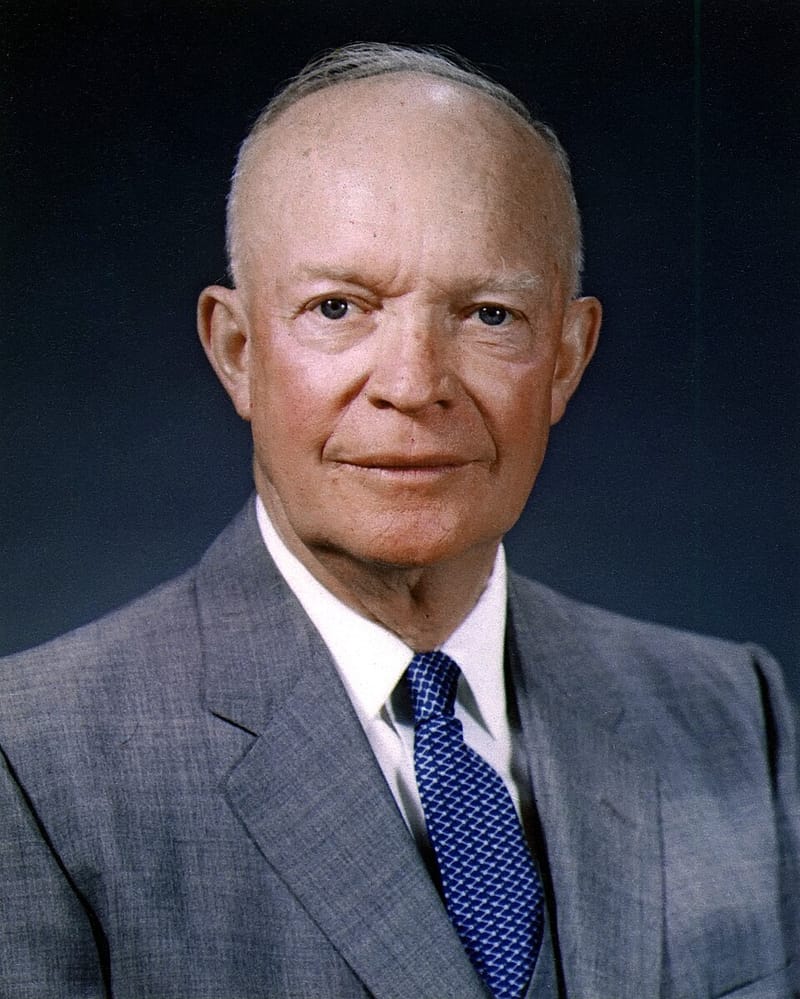
Harry S. Truman, the thirty-third president of the United States (1945–1953), was a Missouri farmer, artillery captain, and failed shopkeeper who became president when Franklin Roosevelt died in April 1945, after just eighty-two days as vice president. Within months he approved the atomic bombing of Japan; over the next seven years he shaped America’s response to the Soviet Union — the Truman Doctrine, the Marshall Plan, NATO — desegregated the armed forces, and led the country into the Korean War. He left office deeply unpopular, but historians now rank him among the best presidents.
Key facts
- Born
- May 8, 1884, Lamar, Missouri
- Died
- December 26, 1972
- Roles
- Presiding judge, Jackson County, Missouri; U.S. Senator from Missouri (elected 1934); Vice President (1945); Thirty-third president (1945–1953)
- Presidency
- April 12, 1945 – January 1953; Democrat
- Foreign policy
- Truman Doctrine (1947), Marshall Plan, Berlin Airlift, NATO (1949), Korean War
- Civil rights
- Executive Order 9981 (1948) desegregated the armed forces
- 1948 election
- Upset victory over Thomas Dewey
- Died
- December 26, 1972
Why it matters
Truman made the decisions that ended World War II and set the course of American foreign policy for the next four decades.
Early life and context
Truman was born on May 8, 1884, in Lamar, Missouri, and grew up in Independence, a small town with Southern ways on the old trails to the West. Born with poor eyesight and kept by his mother from rough games, he became a passionate reader of history and a fine pianist who briefly considered a concert career. His eyesight ruled out West Point, and family money troubles ruled out college; after high school he worked in a newspaper mailroom, for a construction company, and as a bank clerk. From 1906 he spent most of a decade on the family farm near Grandview, which he did not enjoy. In 1910 he began courting Bess Wallace, a high school classmate; she turned down his proposal in 1911, but the romance continued.
In World War I, Captain Truman took over an artillery battery notorious for unruliness and turned it into a top-notch unit, leading it in the Vosges and the Meuse-Argonne. He married Bess in June 1919 and opened a men’s clothing store in Kansas City with his army friend Eddie Jacobson; it closed in 1922 during the postwar slump, leaving him nearly bankrupt, and he spent years paying off his share of the debts.
Major actions and achievements
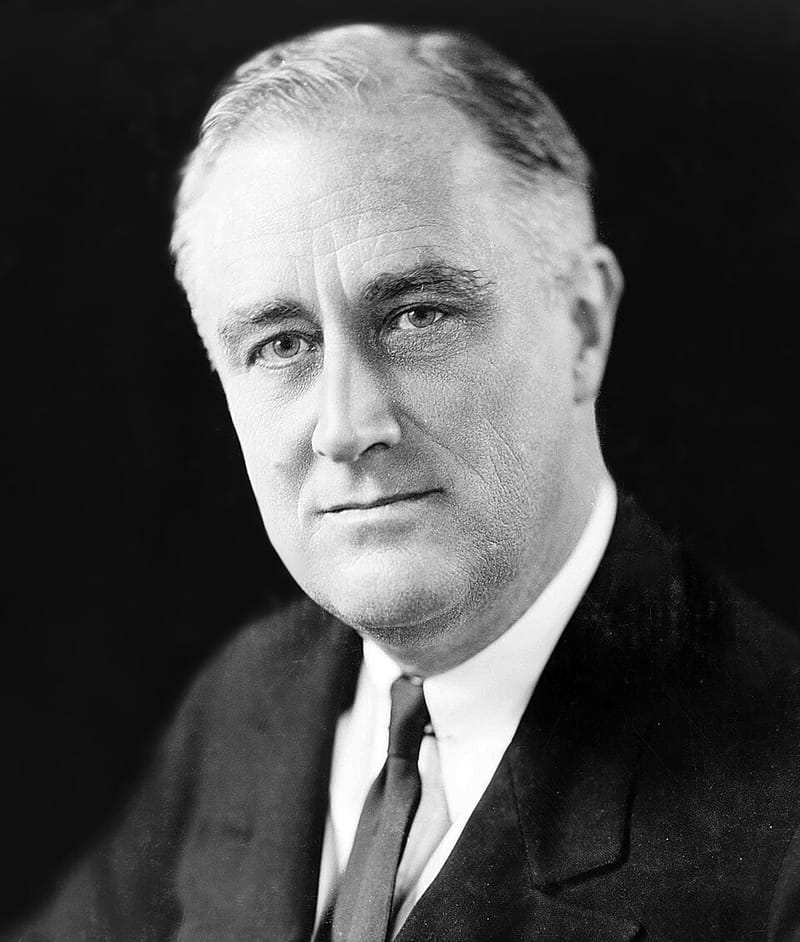
In 1922 Tom Pendergast, Kansas City’s Democratic boss, backed Truman for county judge, an administrative post. As presiding judge from 1926 he rebuilt Jackson County’s roads and managed its finances in the early Depression, earning a reputation for honesty inside a corrupt machine. Elected to the U.S. Senate in 1934, he was a loyal New Dealer, and from 1941 his “Truman Committee” on wasteful defense spending made him a national figure. Roosevelt chose him as his running mate in 1944.
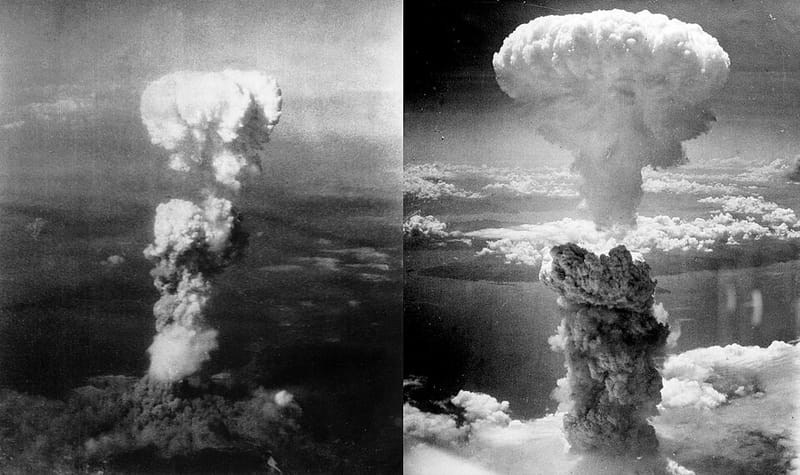
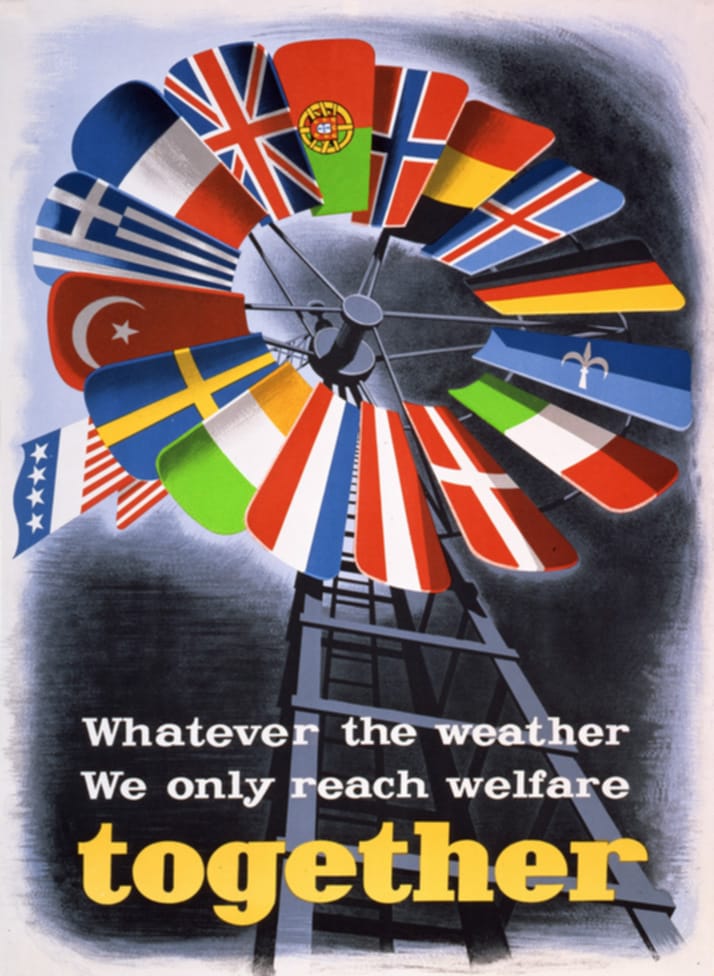
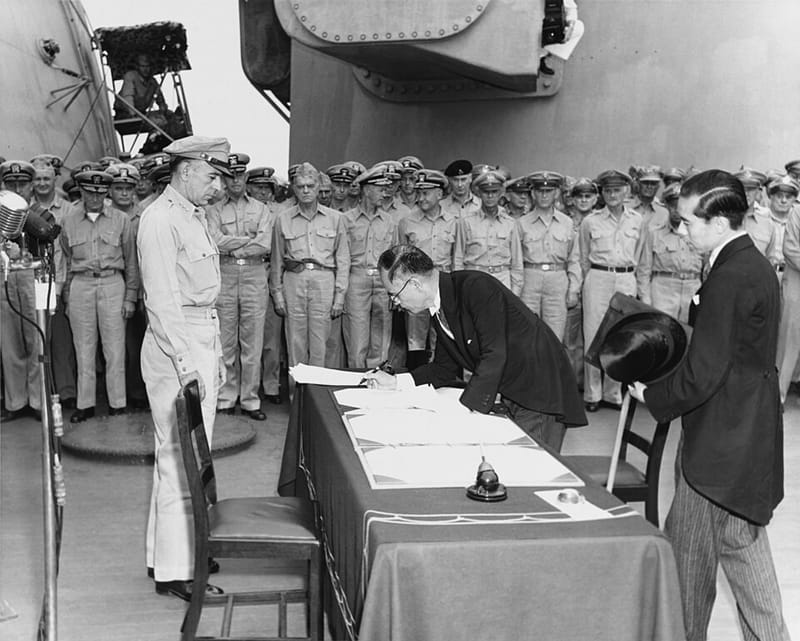
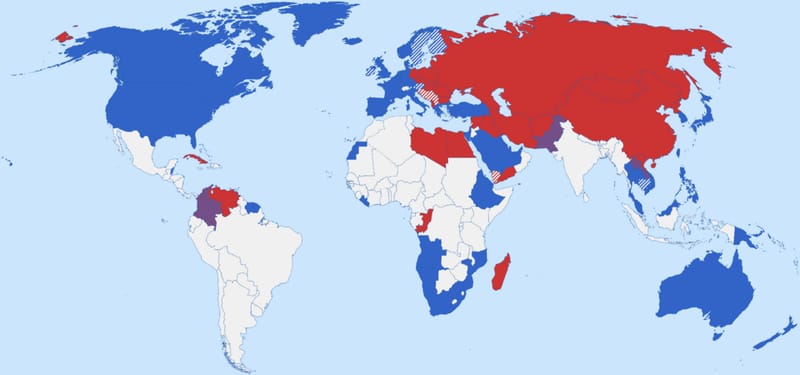
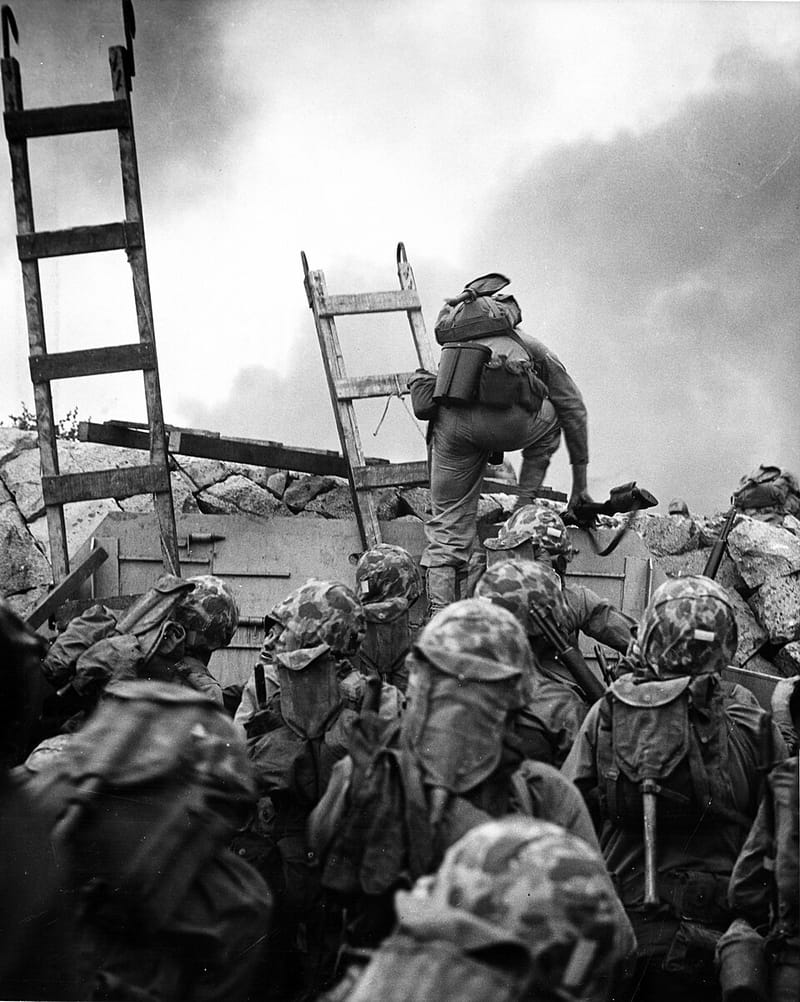
Sworn in on April 12, 1945, Truman later called his first year a “year of decisions.” He saw the war in Europe end, met Allied leaders at Potsdam, and approved dropping atomic bombs on Hiroshima and Nagasaki on August 6 and 9; Japan surrendered on August 14. As relations with the Soviet Union broke down, he built the policy of containment: the Truman Doctrine of 1947 pledged aid to Greece and Turkey against communism, the Marshall Plan revived Western Europe’s economies, and the North Atlantic Treaty Organization created a military barrier. He recognized the new state of Israel in May 1948, and when North Korea invaded South Korea in June 1950 he responded by waging an undeclared war.
At home he steered the economy from war to peace and defended the New Deal, raising the minimum wage and expanding Social Security. In 1948, after Southern senators threatened to filibuster his civil rights proposals, he used executive power instead: Executive Order 9981 ordered equal treatment in the armed forces, and he appointed the first African American federal judge. That November, campaigning relentlessly against the Republican Congress, he beat Thomas Dewey when almost no knowledgeable observer gave him a chance.
Beliefs and ideas
Truman was a plain-spoken partisan Democrat who described his wartime committee as protecting the “little man” from big business and big labor alike. He believed government should build on the New Deal, and that the United States had to lead the free world against Soviet expansion. Even before Pearl Harbor he had concluded, as he wrote to a Missouri voter, that “the only theory a thug understands is a gun and a bayonet.”
Controversies, limits, and criticism
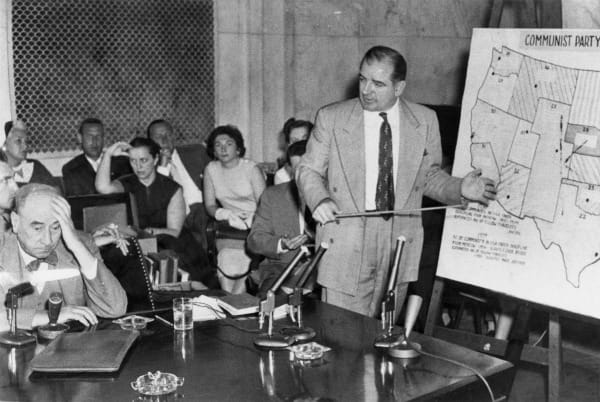
Truman rose through the Pendergast machine, and his 1934 Senate primary featured widespread ballot-box stuffing by supporters on both sides. His decision to use atomic bombs — which immediately killed upwards of 100,000 people, with perhaps twice that number dying later from radiation — remains intensely debated. Historians also fault him for accepting General Douglas MacArthur’s misjudgment of Chinese intentions in Korea, for responding too slowly and weakly to Senator Joseph McCarthy’s anticommunist crusade, and for a civil rights record that some call underwhelming. The Korean War and charges of corruption in his administration made him one of the most unpopular politicians in the country by the time he left office in January 1953.
Legacy
Truman’s reputation began to recover soon after he returned home, as Americans came to see him as a feisty everyman from Middle America rather than a Washington partisan. Scholars credit his foreign policy above all: his approach to the Soviet Union guided American policy until the end of the Cold War, and his commitments to NATO, South Korea, and Israel remain pillars of U.S. policy. His order desegregating the military met considerable resistance, but by the end of the Korean War almost all of the military was integrated.
Study this entry
Check your understanding
Try answering in your own words, then open the answer.
1.What shaped Harry S. Truman early in life?Show answerHide
Truman was born on May 8, 1884, in Lamar, Missouri, and grew up in Independence, a small town with Southern ways on the old trails to the West. Born with poor eyesight and kept by his mother from rough games, he became a passionate reader of history and a fine pianist who briefly considered a concert career.From “Early life and context” above.
2.What were Harry S. Truman’s major achievements?Show answerHide
In 1922 Tom Pendergast, Kansas City’s Democratic boss, backed Truman for county judge, an administrative post. As presiding judge from 1926 he rebuilt Jackson County’s roads and managed its finances in the early Depression, earning a reputation for honesty inside a corrupt machine.From “Major actions and achievements” above.
3.What criticism or controversy surrounds Harry S. Truman?Show answerHide
Truman rose through the Pendergast machine, and his 1934 Senate primary featured widespread ballot-box stuffing by supporters on both sides. His decision to use atomic bombs — which immediately killed upwards of 100,000 people, with perhaps twice that number dying later from radiation — remains intensely debated.From “Controversies, limits, and criticism” above.
4.How is Harry S. Truman remembered?Show answerHide
Truman’s reputation began to recover soon after he returned home, as Americans came to see him as a feisty everyman from Middle America rather than a Washington partisan.From “Legacy” above.
Turn this entry into 10 flashcards (key facts, dates, and why it matters) and review them in Learn.
Related History
How this connects to the rest of the atlas.
Events
Wars
People
.jpg)
Sources
- 1.Harry S. Truman: Life in Brief
Miller Center, University of Virginia (Alonzo L. Hamby) · Scholarly · cited for life and presidency
- 2.Harry S. Truman: Impact and Legacy
Miller Center, University of Virginia · Scholarly · cited for legacy and criticism
- 3.Biographical Sketch: Harry S. Truman
Harry S. Truman Presidential Library and Museum (National Archives) · Institutional · cited for birth, death, burial, 1948 campaign
- 4.Executive Order 9981: Desegregation of the Armed Forces (1948) — Milestone Documents
National Archives · Primary source · cited for desegregation of the military
- 5.The Truman Doctrine, 1947
U.S. Department of State, Office of the Historian · Institutional · cited for Truman Doctrine
- 6.The American Yawp, “The Cold War”
The American Yawp (eds. Joseph Locke and Ben Wright; Stanford University Press) · Scholarly · cited for containment, Marshall Plan, Berlin, NATO, NSC-68, Korea, McCarthyism, arms race
- 7.Harry S. Truman: Life Before the Presidency
Miller Center, University of Virginia · Scholarly · cited for childhood, farm years, World War I, haberdashery, Pendergast machine, Senate
Image credits
- TRUMAN 58-766-06 (cropped), National Archives and Records Administration. Office of Presidential Libraries. Harry S. Truman Library., circa 1947. Via Wikimedia Commons · Public domain · Source
Written for American History Atlas from the sources above. See how entries are researched.
Atlas by Alexander. More on Telegram.