MovementThe Progressive Era and World War I
Progressivism
Reformers confront the problems of industrial America, c. 1890s–1920
c. 1890s – c. 1920
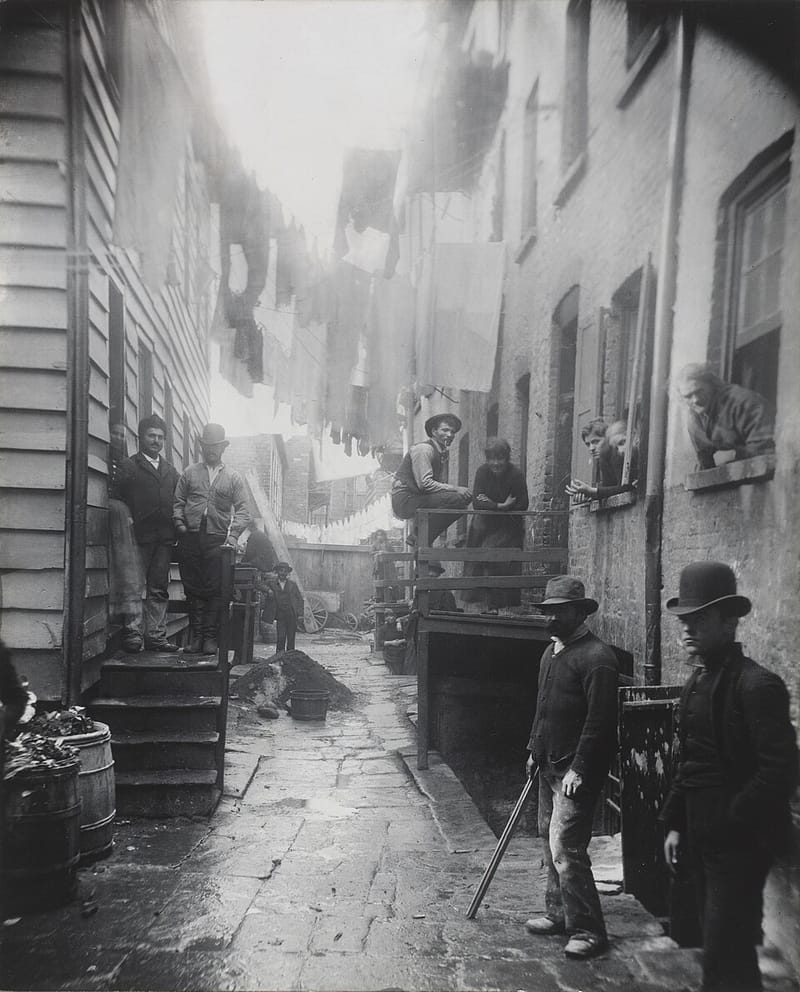
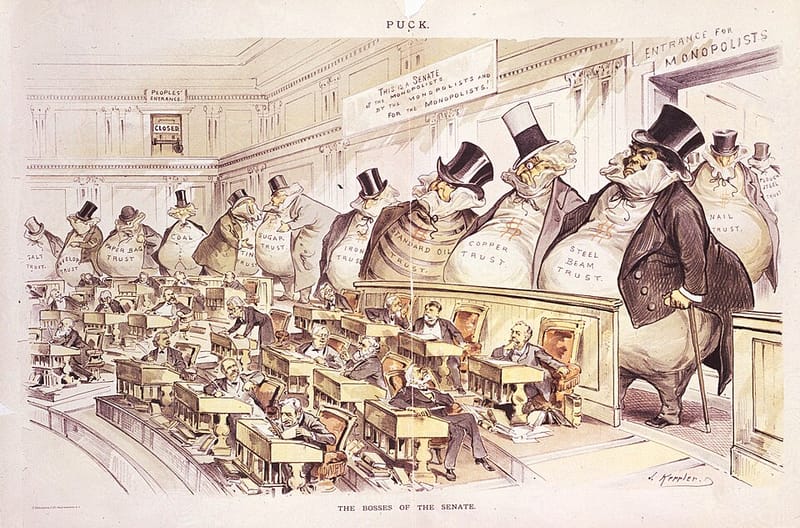
Progressivism was a broad, diverse movement of reformers who believed that the problems created by industrialization — corporate monopolies, political corruption, unsafe workplaces, child labor, and urban poverty — could be solved through organized action, expert knowledge, and a more active government. From settlement houses and investigative journalism to new laws and constitutional amendments, progressives reshaped American politics in the decades around 1900. Their reforms also had limits: many excluded or targeted Black Americans and immigrants.
Key facts
- Date
- c. 1890s – c. 1920
- Key figures
- Jane Addams, Theodore Roosevelt, Woodrow Wilson, Florence Kelley, Ida B. Wells, W. E. B. Du Bois
- Muckrakers
- Journalists, so named by Theodore Roosevelt, who exposed corruption and abuses
- Constitutional reforms
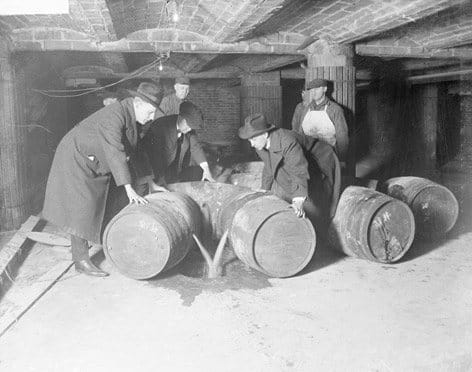
- 16th (income tax, 1913), 17th (direct election of senators, 1913), and 19th (woman suffrage, 1920) Amendments; Prohibition followed in 1919–20
- Landmark laws
- Federal Reserve Act (1913), Keating-Owen Child Labor Act (1916)
Why it matters
Progressivism remade American government for the industrial age and established the idea that the state should act to correct the excesses of the market.
Goals
Progressives wanted to tame the power of big business, clean up machine politics, protect workers and consumers, improve conditions in crowded cities, and expand democracy. Some sought moral reform as well — including the prohibition of alcohol. They shared a confidence that problems could be studied and solved.
Strategies
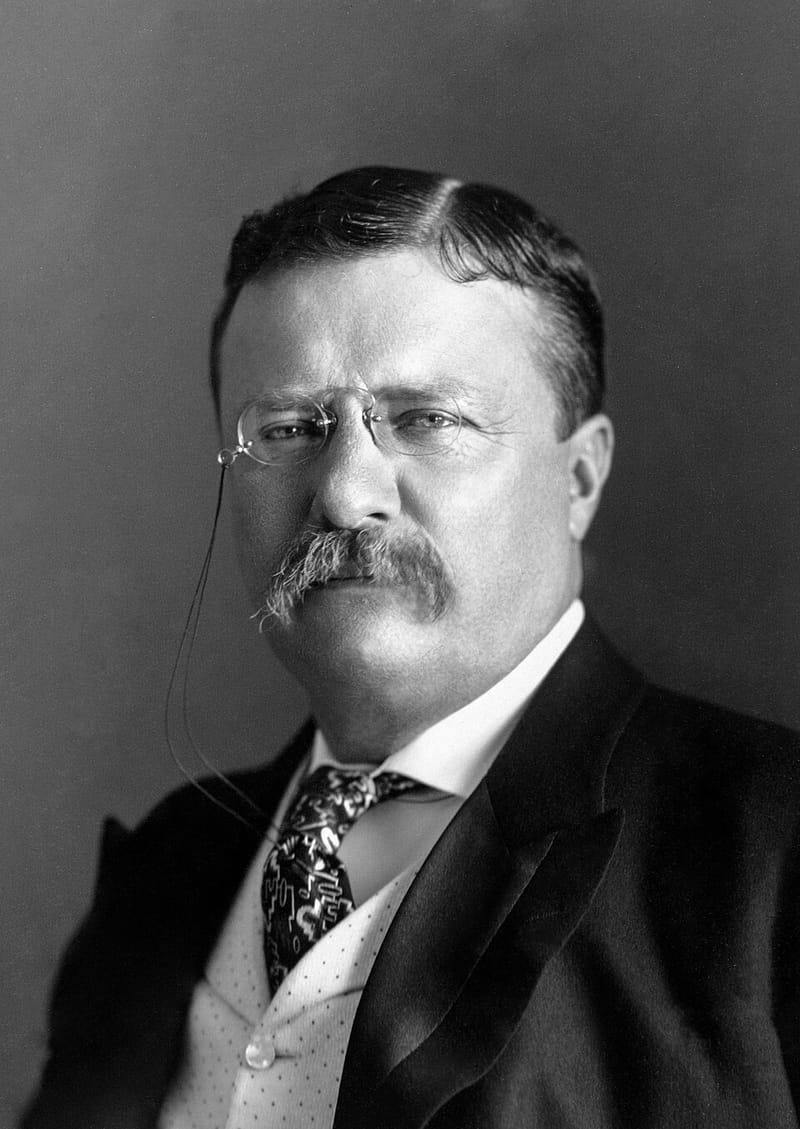
- Exposure. Journalists Roosevelt called “muckrakers” exposed business practices, poverty, and corruption, arousing public demand for reform.
- Settlement houses and social science. Jane Addams founded Hull House in Chicago in 1889, offering a nursery, kindergarten, classes, and clubs for immigrant neighbors and training a generation of women reformers.
- Organizing. Women’s clubs, unions, and suffrage organizations pressed for change; Black activists founded the Niagara Movement and the NAACP.
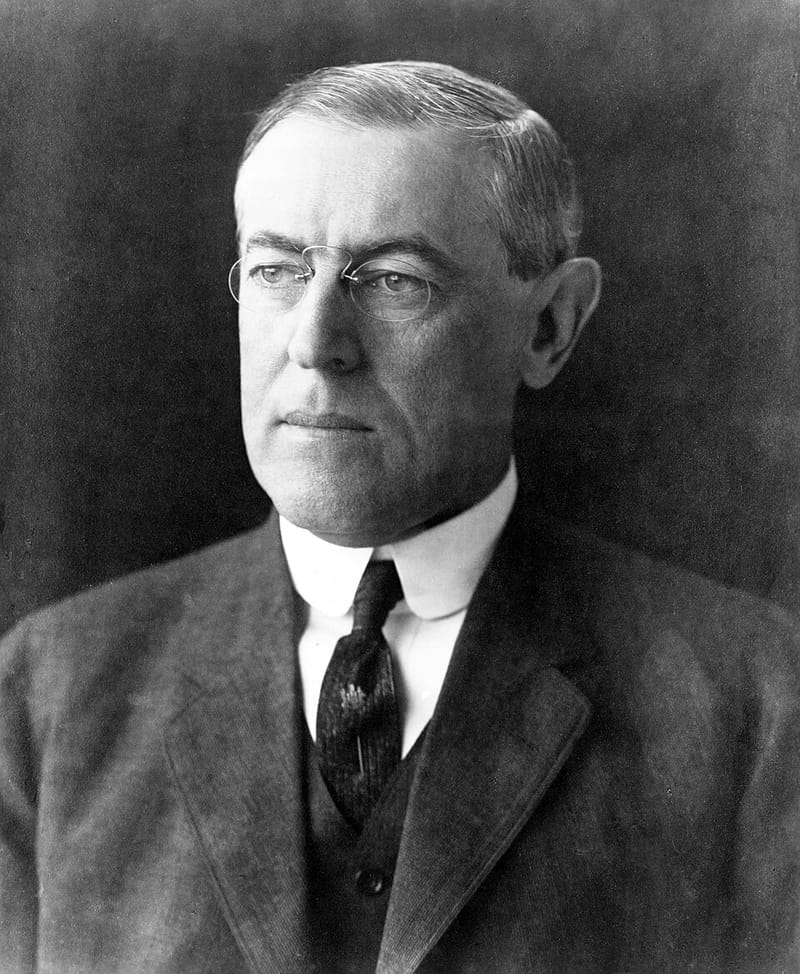
- Government action. Reformers won state laws on working hours and safety, and federal laws regulating business. Theodore Roosevelt’s “Square Deal” and Woodrow Wilson’s “New Freedom” brought progressive ideas to the White House, including the Federal Reserve Act of 1913.
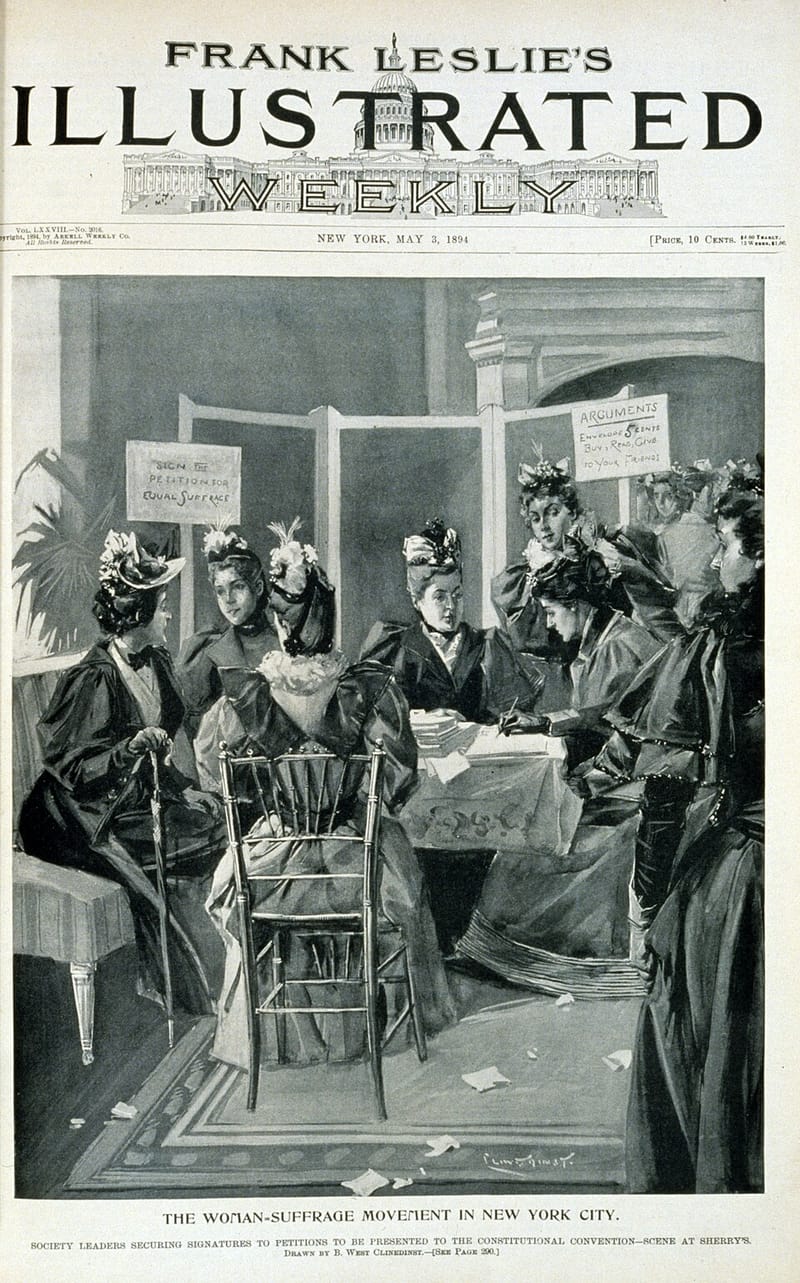
- Changing the Constitution. New amendments created the federal income tax and the direct election of senators (both 1913) and, in 1920, woman suffrage.
Opposition
Business leaders, political machines, and conservatives resisted regulation. Courts struck down some reforms; the Supreme Court ruled the Keating-Owen Child Labor Act unconstitutional. Many Americans opposed progressive moral crusades such as Prohibition.
Achievements
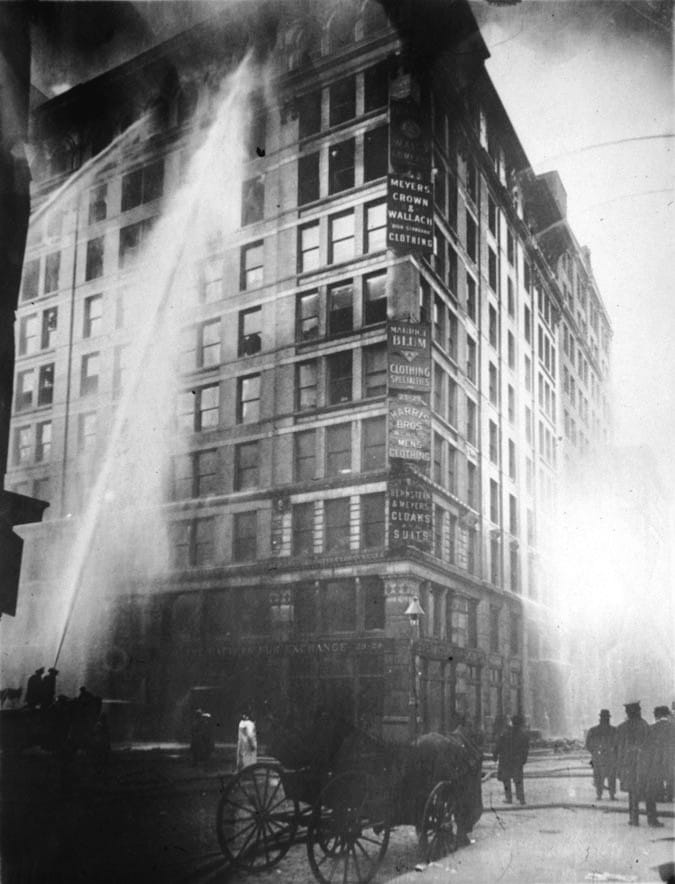
Progressives made government responsible for regulating the economy and protecting public welfare to an unprecedented degree. Disasters such as the 1911 Triangle Shirtwaist fire spurred workplace safety laws. Woman suffrage and the direct election of senators expanded democracy.
Unresolved questions
Progressivism coexisted with — and sometimes promoted — racial segregation, immigration restriction, and eugenics. Woodrow Wilson’s administration expanded segregation in the federal civil service even as it pursued progressive economic reform. The question of how far government should regulate business and protect citizens remained central to the New Deal and beyond.
Study this entry
Check your understanding
Try answering in your own words, then open the answer.
1.What did the movement want?Show answerHide
Progressives wanted to tame the power of big business, clean up machine politics, protect workers and consumers, improve conditions in crowded cities, and expand democracy. Some sought moral reform as well — including the prohibition of alcohol.From “Goals” above.
2.How did it pursue its goals?Show answerHide
- Exposure. Journalists Roosevelt called “muckrakers” exposed business practices, poverty, and corruption, arousing public demand for reform. - Settlement houses and social science. Jane Addams founded Hull House in Chicago in 1889, offering a nursery, kindergarten, classes, and clubs for immigrant neighbors and training a generation of women reformers. - Organizing. Women’s clubs, unions, and suffrage organizations pressed for change; Black activists founded the Niagara Movement and the NAACP. - Government action. Reformers won state laws on working hours and safety, and federal laws regulating business. Theodore Roosevelt’s “Square Deal” and Woodrow Wilson’s “New Freedom” brought progressive ideas to the White House, including the Federal Reserve Act of 1913. - Changing the Constitution. New amendments created the federal income tax and the direct election of senators (both 1913) and, in 1920, woman suffrage.From “Strategies” above.
3.Who opposed it, and how?Show answerHide
Business leaders, political machines, and conservatives resisted regulation. Courts struck down some reforms; the Supreme Court ruled the Keating-Owen Child Labor Act unconstitutional.From “Opposition” above.
4.What did it achieve?Show answerHide
Progressives made government responsible for regulating the economy and protecting public welfare to an unprecedented degree. Disasters such as the 1911 Triangle Shirtwaist fire spurred workplace safety laws.From “Achievements” above.
Turn this entry into 10 flashcards (key facts, dates, and why it matters) and review them in Learn.
Related History
How this connects to the rest of the atlas.
Events
People
Movements


Sources
- 1.The American Yawp, “The Progressive Era”
The American Yawp (eds. Joseph Locke and Ben Wright; Stanford University Press) · Scholarly · cited for Progressivism, muckrakers, Addams, Triangle fire, suffrage
- 2.Theodore Roosevelt: Life in Brief
Miller Center, University of Virginia · Scholarly · cited for life, presidency, Square Deal, conservation, foreign policy
- 3.Woodrow Wilson: Life in Brief
Miller Center, University of Virginia · Scholarly · cited for life, New Freedom, segregation, WWI, Fourteen Points, treaty fight
- 4.Keating-Owen Child Labor Act (1916) — Milestone Documents
National Archives · Primary source · cited for child labor law
- 5.16th Amendment — Milestone Documents
National Archives · Primary source · cited for income tax
- 6.17th Amendment — Milestone Documents
National Archives · Primary source · cited for direct election of senators
Image credits
- Bandits' Roost, 59 1-2 Mulberry Street by Jacob August Riis, 1888, Jacob August Riis, 1888. Via Wikimedia Commons · Public domain · Source
Written for American History Atlas from the sources above. See how entries are researched.
Atlas by Alexander. More on Telegram.