Period 3 · 1607–1763
Colonial America
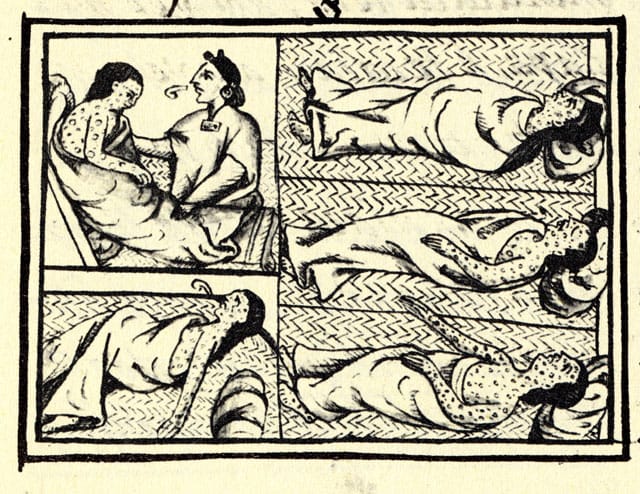
From Jamestown in 1607 to the end of the French and Indian War in 1763, English colonies spread along the Atlantic coast alongside Spanish, French, and Dutch settlements and the Native nations whose land they took. It was an era of self-government for some, slavery for many, and constant conflict and exchange.
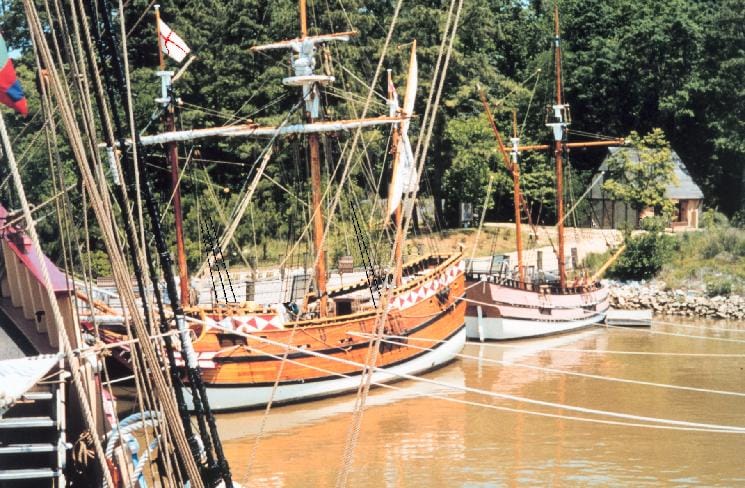
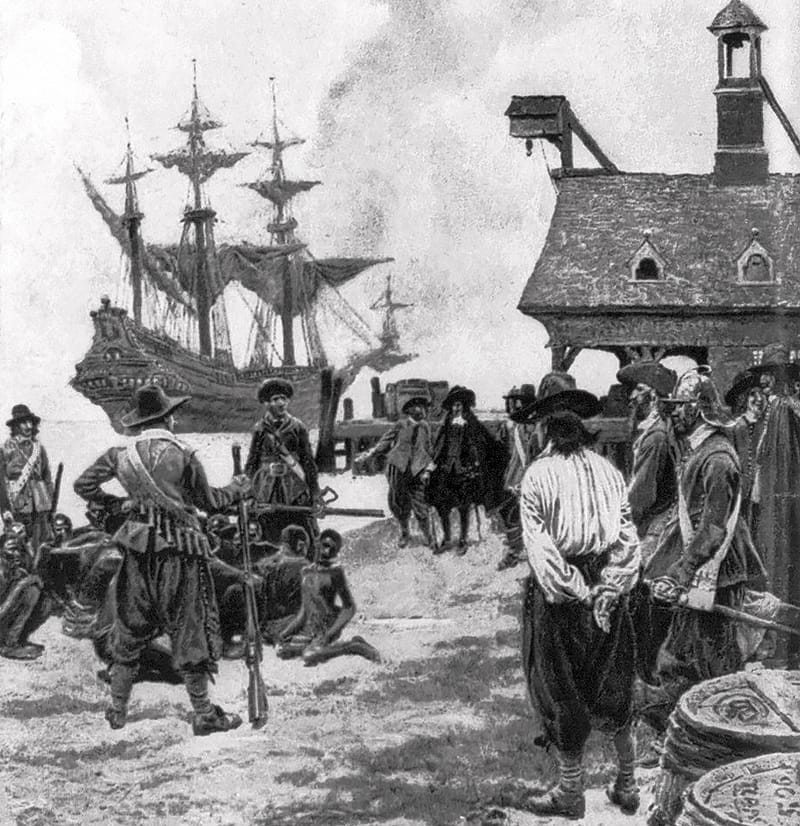
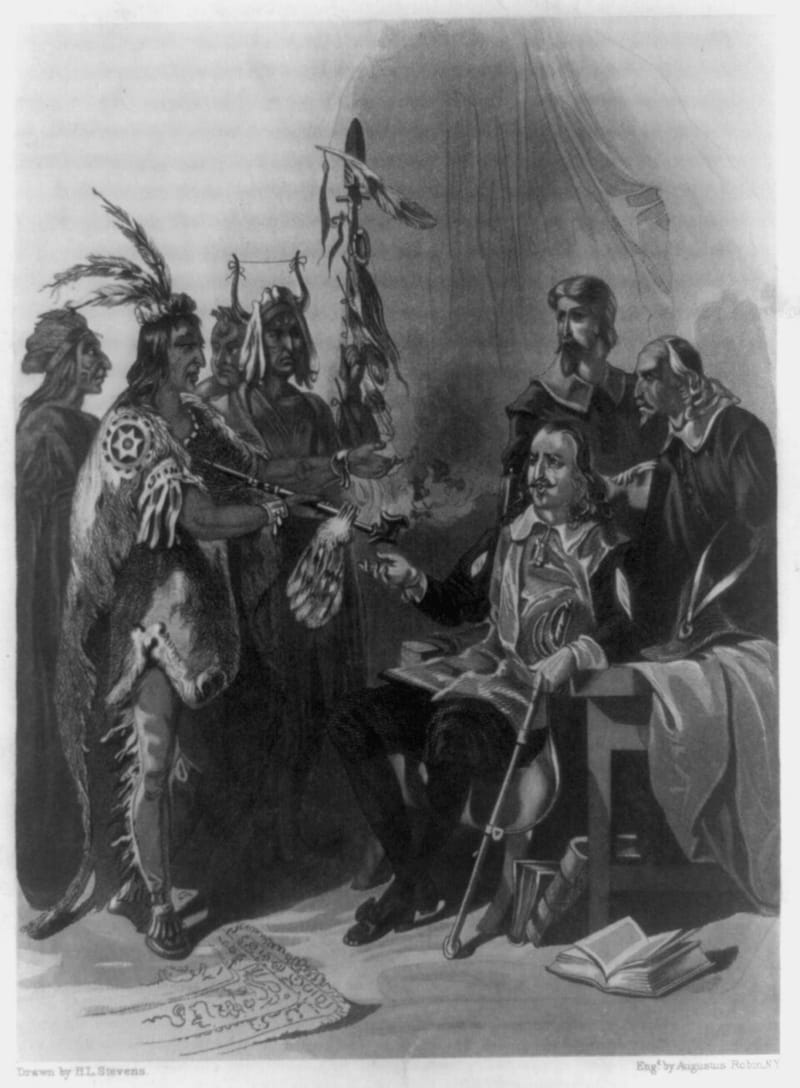
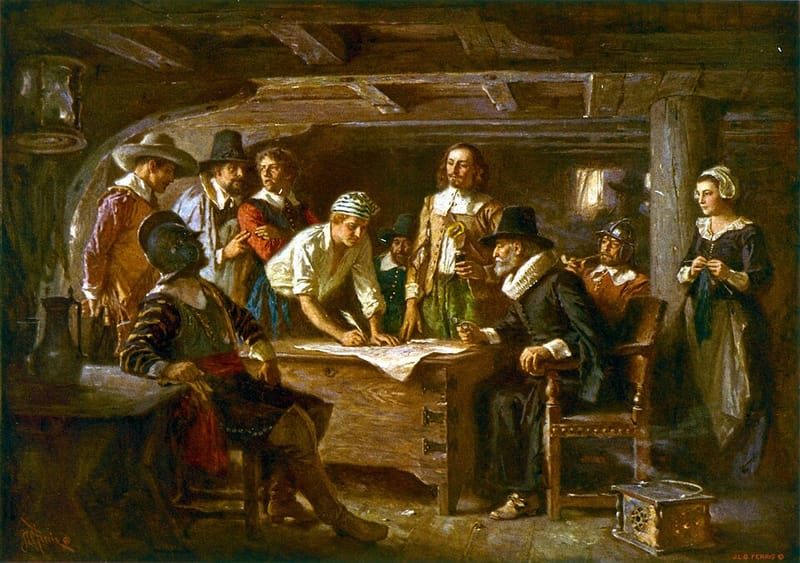
England’s first permanent settlement, Jamestown, survived disease, famine, and war with the Powhatan to become the core of a tobacco colony. In 1619 Virginia held the first representative assembly in English America — and the first documented Africans arrived there. In 1620 the passengers of the Mayflower signed the Mayflower Compact and settled at Plymouth, surviving through an alliance with the Wampanoag.
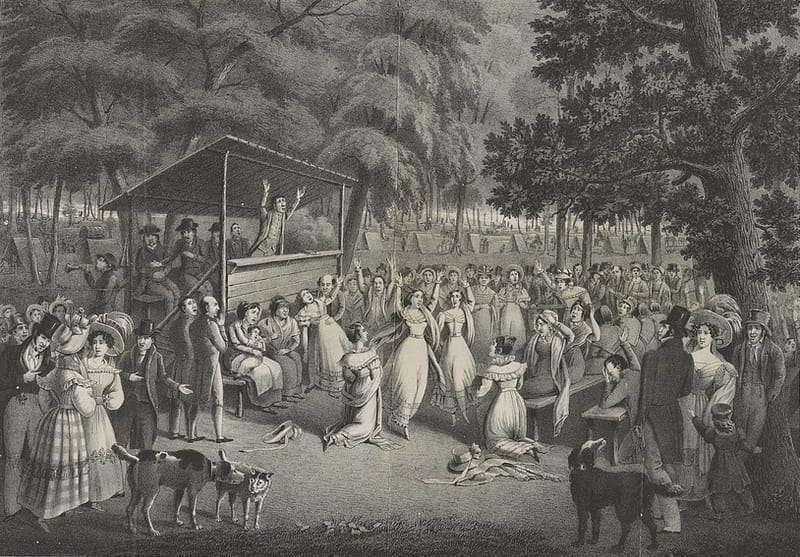
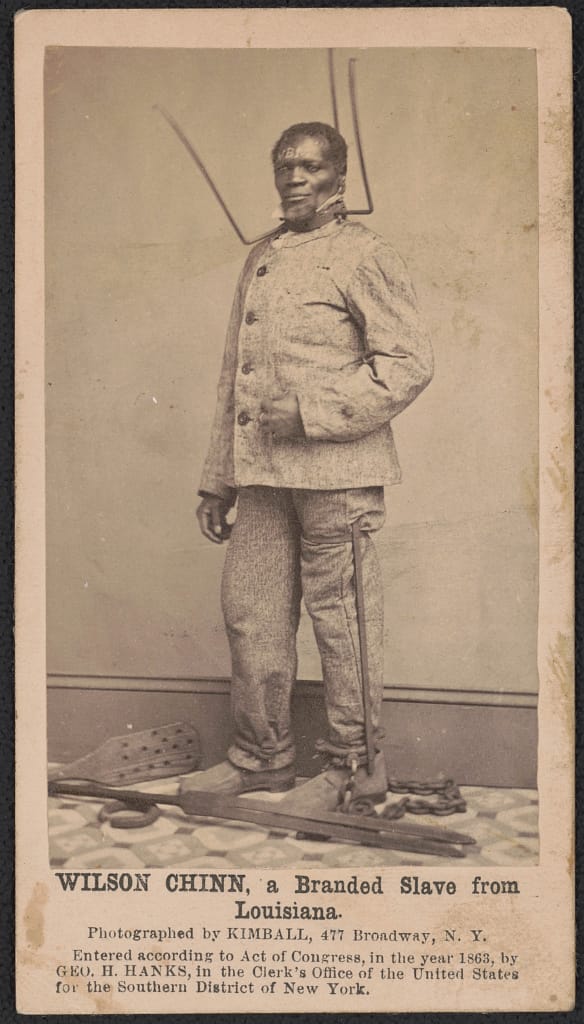
Over the next century and a half, thirteen English colonies took shape, from Puritan New England to the diverse Middle Colonies and the plantation South. Enslaved Africans became the backbone of Southern agriculture, and slavery was legal in every colony. Colonial assemblies grew used to governing themselves. Religious revival in the Great Awakening swept through the colonies in the 1730s and 1740s.
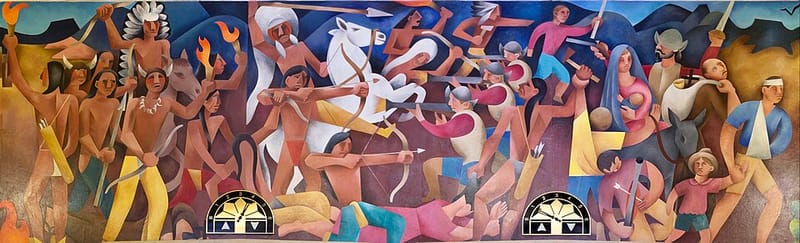
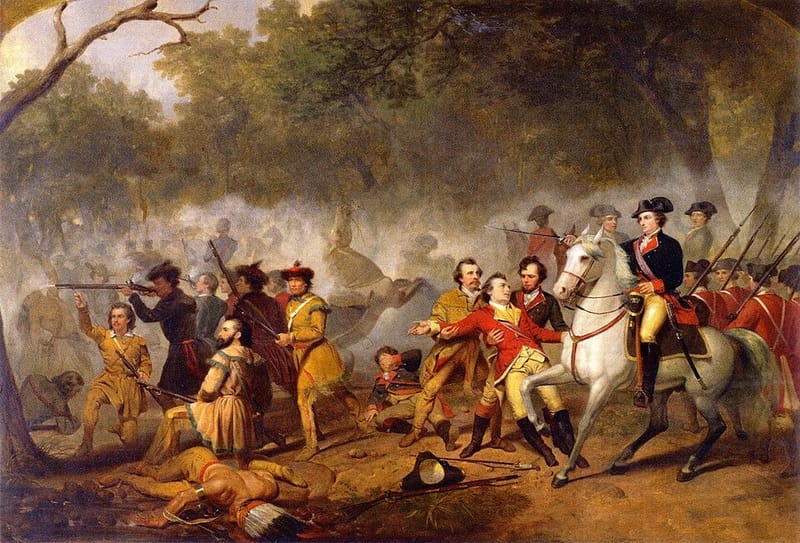
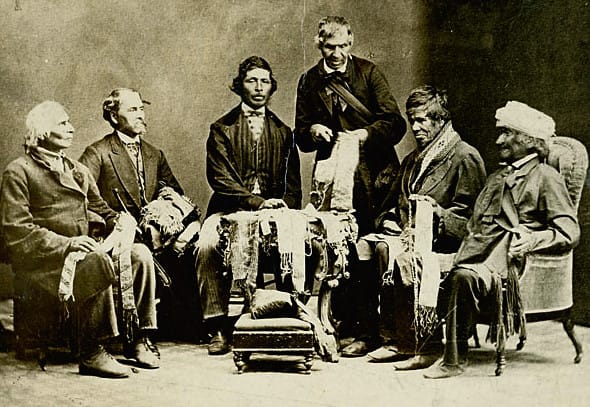
Native nations resisted, negotiated, and adapted. In New Mexico, the Pueblo Revolt of 1680 expelled the Spanish for twelve years. In the Northeast, the Haudenosaunee balanced between the French and British empires until the French and Indian War (1754–1763) left Britain dominant — and set the stage for revolution.
Highlights
Events and wars
People
Documents and court cases
Movements, institutions, and ideas
Places
Sources for this overview
- A Short History of Jamestown — National Park Service, Historic Jamestowne
- 1750–1775: Diplomatic Struggles in the Colonial Period — U.S. Department of State, Office of the Historian
Atlas by Alexander. More on Telegram.