PersonRevolution and Independence
George Washington
Commander of the Continental Army and first president
1732–1799
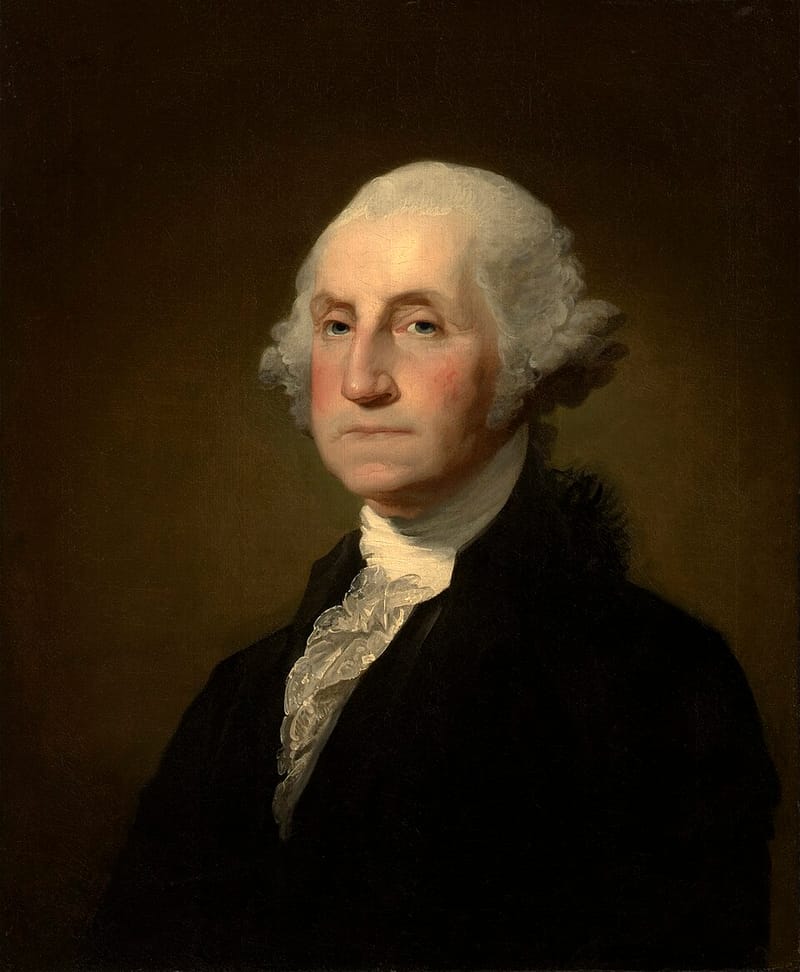
George Washington commanded the Continental Army through the American Revolution and became the first president of the United States (1789–1797). A Virginia surveyor and planter who first came under fire on the frontier at twenty-two, he held a ragged army together for eight years, presided over the convention that wrote the Constitution, and built the presidency from nothing. Twice he gave up power when he could have kept it. He was also an enslaver, whose will freed the people he held only after his wife’s death.
Key facts
- Born
- February 22, 1732, Westmoreland County, Virginia
- Died
- December 14, 1799, Mount Vernon, Virginia
- Roles
- Virginia militia officer in the French and Indian War; Commander in chief of the Continental Army (1775–1783); President of the Constitutional Convention (1787); First president of the United States (1789–1797)
- Elected president
- Unanimously by the Electoral College, in 1789 and again in 1792
- Resigned his command
- December 23, 1783, before Congress at Annapolis, Maryland
- Precedents
- Created the cabinet; retired after two terms, a limit later written into the 22nd Amendment
- Enslaved people
- His will freed the people he held in his own right, after his wife’s death
Why it matters
Washington held the Revolution’s army together, lent his authority to the Constitution, and turned the presidency from an untested idea into a working institution. His choice to give up power when he could have kept it may be his most important legacy.
Early life and context
Washington was born on February 22, 1732, at Popes Creek farm in Westmoreland County, Virginia, the son of the tobacco planter Augustine Washington and his second wife, Mary Ball. His father died when George was eleven, ending any hope of the English schooling his older half-brothers had received; Washington later confessed his “consciousness of a defective education.” Instead he learned surveying. Through his half-brother Lawrence he gained the patronage of the powerful Fairfax family, joined a month-long surveying trek through the Shenandoah Valley at sixteen, and at seventeen became the official surveyor of Culpeper County. In 1751, on his only journey outside North America, he caught smallpox in Barbados — and survived with an immunity that would matter when the disease swept the Continental Army.
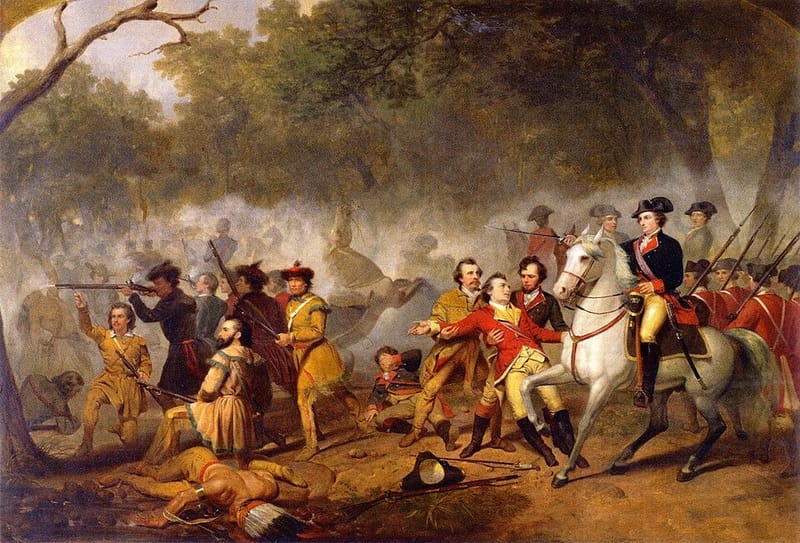
At twenty-one he carried Virginia’s ultimatum to the French in the Ohio country. In 1754 he returned with about 140 men; a skirmish in which his force killed the French commander Joseph Jumonville helped ignite the French and Indian War. “I heard Bulletts whistle,” he wrote to his brother, “and believe me there is something charming in the sound.” Soon afterward he was forced to surrender at Fort Necessity. At General Edward Braddock’s disastrous defeat in 1755 he had two horses shot from under him and four bullets through his coat, and he went on to command Virginia’s forces until the end of 1758. In January 1759 he married Martha Dandridge Custis, a rich young widow, and settled at Mount Vernon as a planter and member of the House of Burgesses.
Major actions and achievements
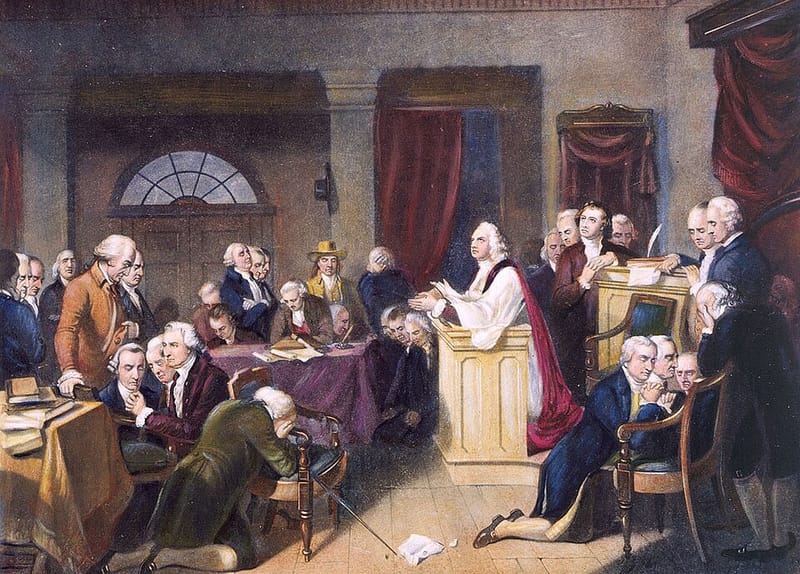
Washington’s growing frustration with London merchants and British trade rules turned him against imperial policy; he backed boycotts of British goods and went to the First Continental Congress in 1774. At the Second Congress he appeared in military uniform, and on June 15, 1775, the delegates chose him commander in chief of the new Continental Army. He drove the British out of Boston in March 1776 by placing artillery on Dorchester Heights, then lost New York in a series of defeats and barely escaped into New Jersey. With enlistments about to expire, he crossed the ice-choked Delaware River and surprised the Hessian garrison at Trenton on December 26, 1776, following up at Princeton days later.
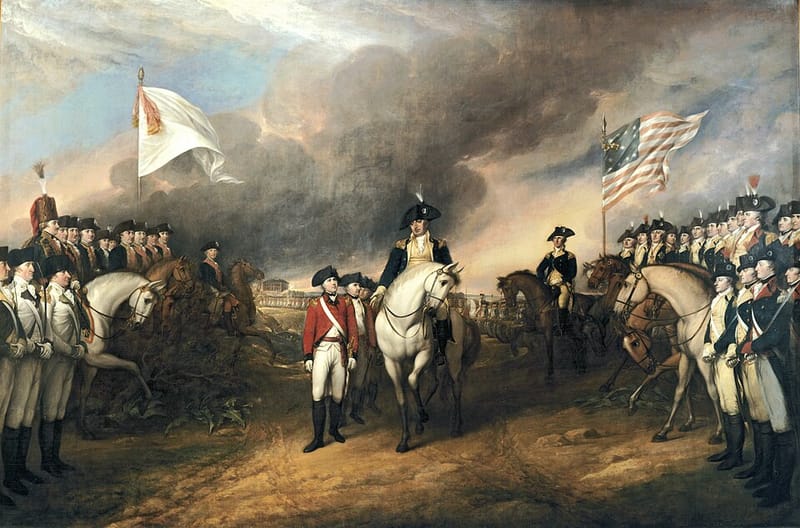
His strategy, he said, was to “protract the war” rather than risk the army in a single battle. After defeats at Brandywine and Germantown he wintered at Valley Forge in 1777–78, where some 2,000 of his 10,000 soldiers died of disease, starvation, and exposure; the army emerged retrained by the Prussian drillmaster Baron von Steuben and strengthened by the new alliance with France. In 1781 a fast march south, coordinated with a French fleet, trapped Lord Cornwallis at Yorktown, Virginia, where he surrendered on October 19. On December 23, 1783, Washington handed his commission back to Congress at Annapolis.
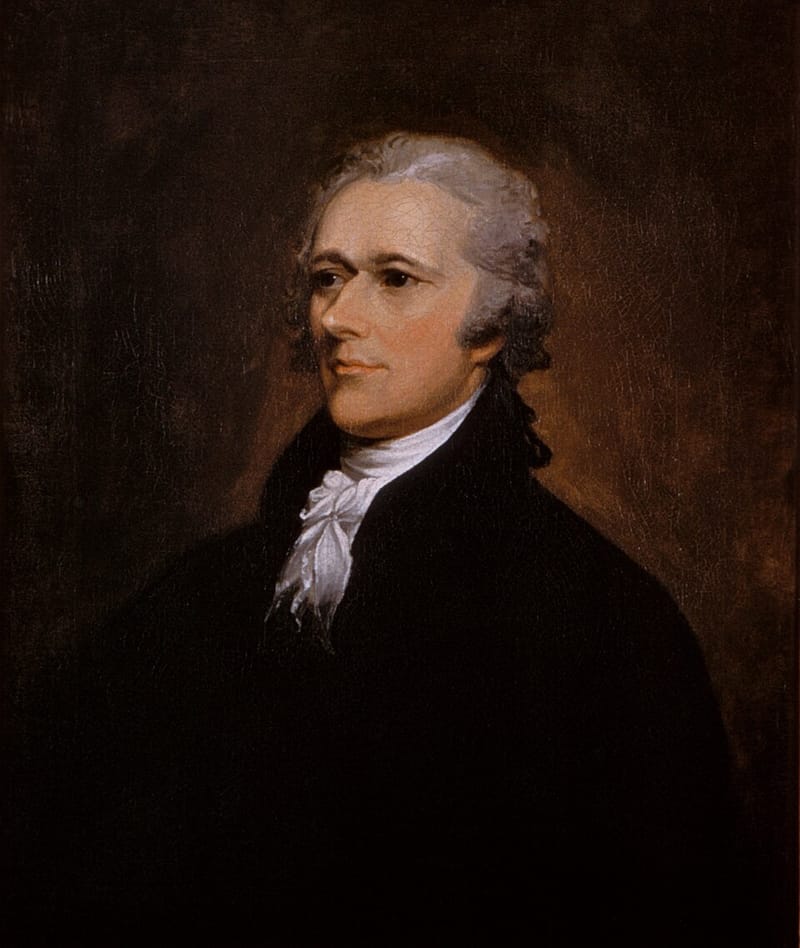
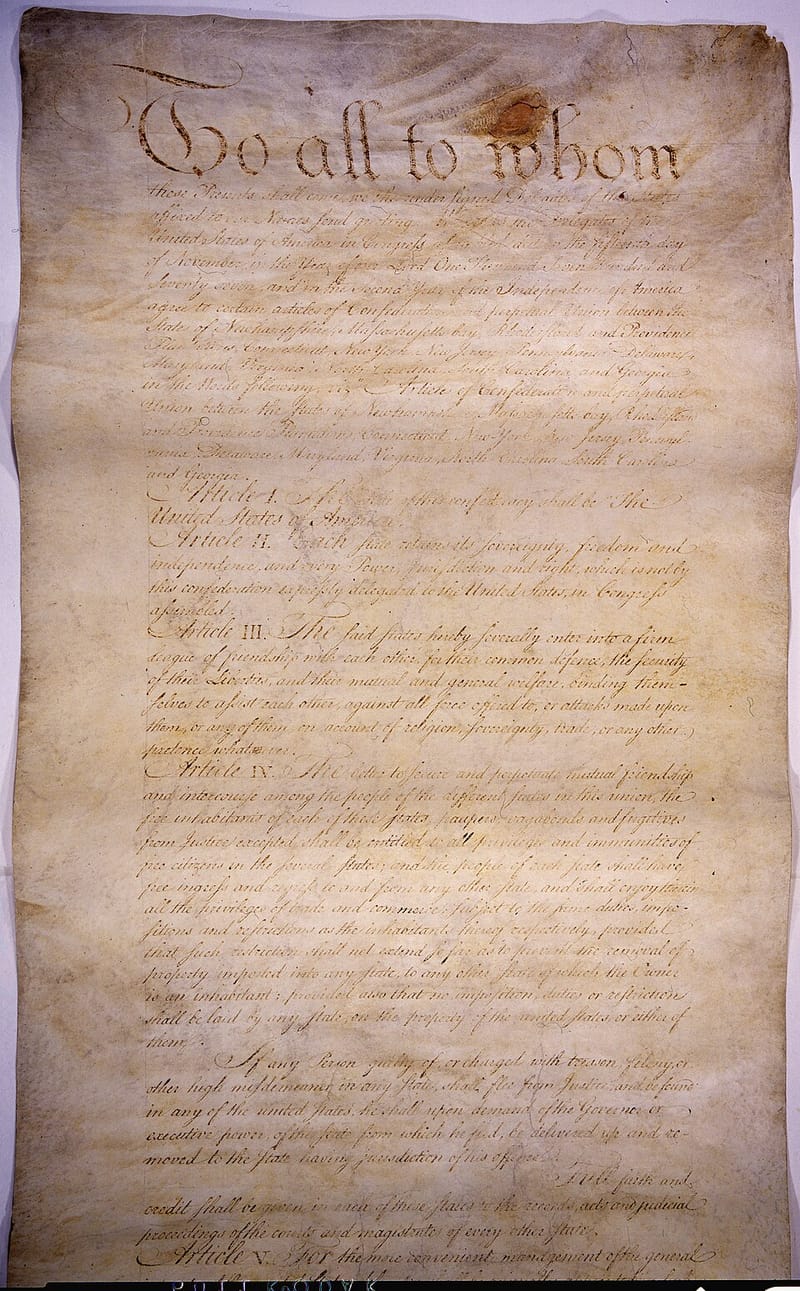
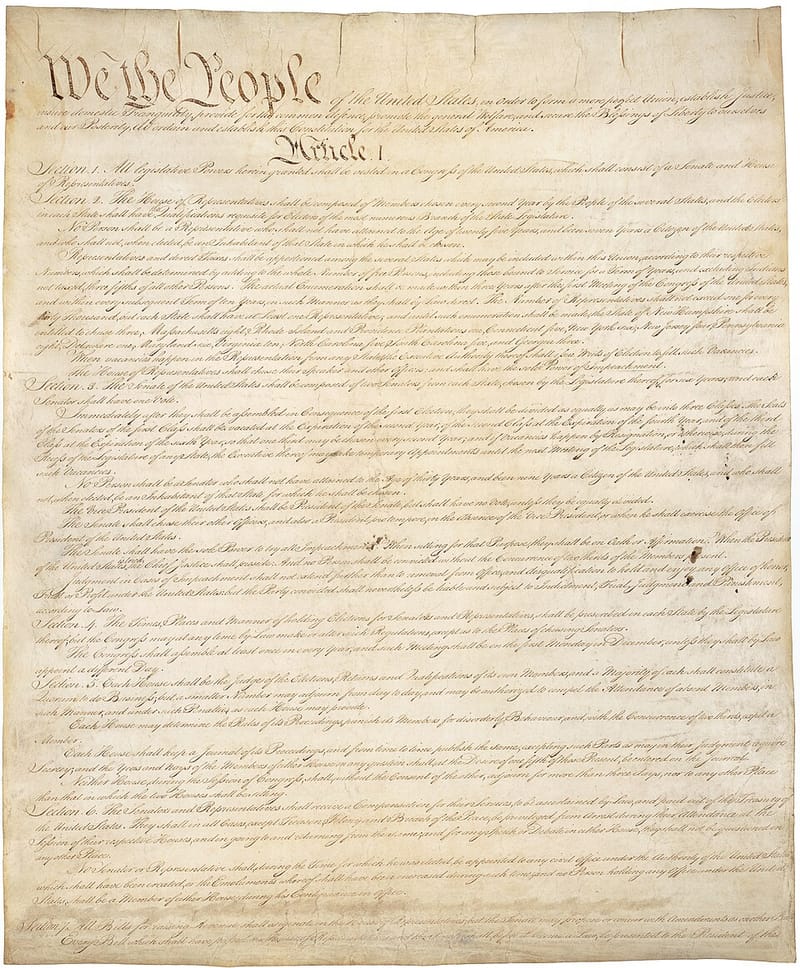
Alarmed by the weakness of the Articles of Confederation and by Shays’ Rebellion, he presided over the Constitutional Convention in 1787. Delegates, a South Carolinian recalled, shaped the powers of the presidency “by their opinions of his virtue.” Unanimously elected in 1789 and 1792, he knew that “there is scarcely any part of my conduct which may not hereafter be drawn into precedent.” He formed the first cabinet, with Thomas Jefferson at State and Alexander Hamilton at the Treasury; backed Hamilton’s plan to restore the nation’s credit; kept the country out of the war between Britain and revolutionary France; and, against the Whiskey Rebellion in western Pennsylvania, called out a military force as large as the army he had led against Britain. His Farewell Address of September 19, 1796, warned Americans against partisan and foreign attempts to divide them.
Beliefs and ideas
Washington was no political theorist, but his convictions were firm: the union of the states was indispensable, the national government had to be strong enough to act and to pay its debts, and military power must stay under civilian control. In the 1780s he feared the Revolution might fail: “What a triumph for the advocates of despotism,” he wrote, “to find that we are incapable of governing ourselves.” He distrusted political parties and urged the young nation to avoid permanent entanglement in Europe’s wars.
Controversies, limits, and criticism
Washington’s generalship remains debated: he lost more battles than he won, and one biographer said he fought at Brandywine “as if he had been in a daze.” As president he was attacked for siding with Hamilton and the Federalists, and for championing Jay’s Treaty with Britain, which was immensely unpopular and passed the Senate by just 20 to 10 in 1795. In retirement, when called back to command a provisional army in 1798, he insisted on choosing his own officers — a demand the Miller Center calls a lapse in his usual respect for civilian authority.
The hardest part of his legacy is slavery. Enslaved labor kept Mount Vernon running throughout his life, and he fed and housed the people he held poorly. He pursued enslaved people who escaped, and although his views moved against slavery, he freed no one while he lived and never spoke out publicly. On his deathbed he chose a will that freed the people he owned — but only after Martha’s death.
Legacy
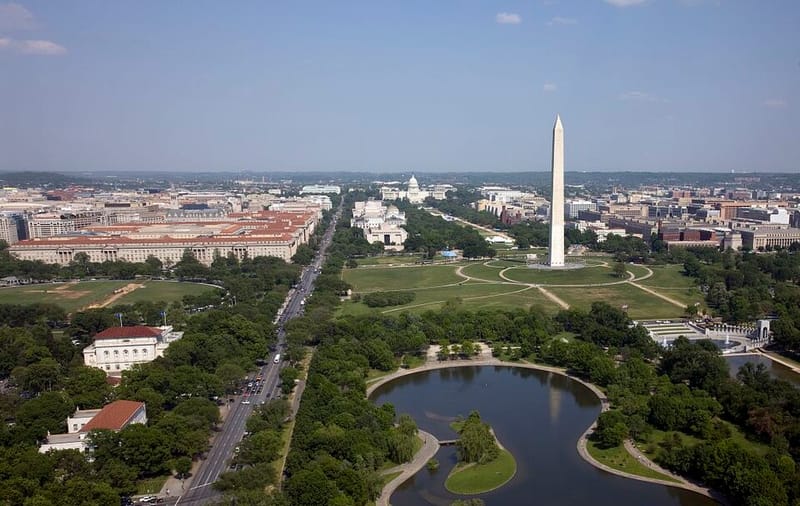
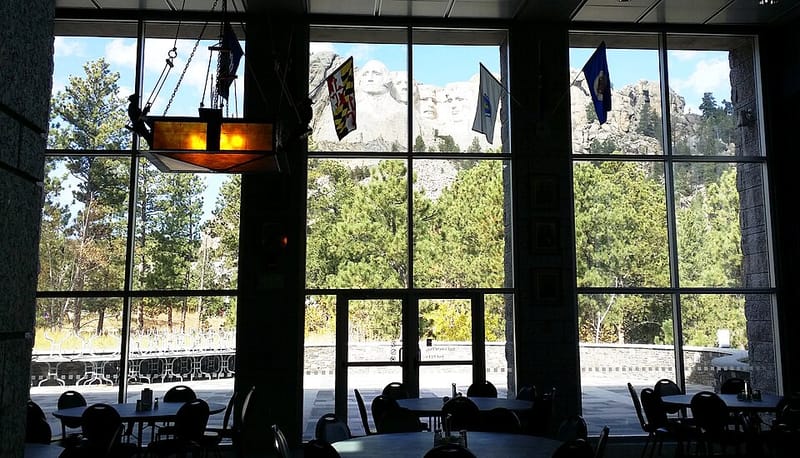
Washington died at Mount Vernon on December 14, 1799, of an acute throat infection. “I die hard,” he said, “but I am not afraid to go.” A eulogy hailed him as “first in war, first in peace, and first in the hearts of his countrymen.” By giving up power in 1783 and again in 1797, he established that American leaders serve and then step aside: every president since has worked with a cabinet, and all followed his two-term example until Franklin Roosevelt, after which the 22nd Amendment made the limit law. His name marks the national capital and the Washington Monument, and his face is carved on Mount Rushmore.
Study this entry
Check your understanding
Try answering in your own words, then open the answer.
1.What shaped George Washington early in life?Show answerHide
Washington was born on February 22, 1732, at Popes Creek farm in Westmoreland County, Virginia, the son of the tobacco planter Augustine Washington and his second wife, Mary Ball.From “Early life and context” above.
2.What were George Washington’s major achievements?Show answerHide
Washington’s growing frustration with London merchants and British trade rules turned him against imperial policy; he backed boycotts of British goods and went to the First Continental Congress in 1774.From “Major actions and achievements” above.
3.What criticism or controversy surrounds George Washington?Show answerHide
Washington’s generalship remains debated: he lost more battles than he won, and one biographer said he fought at Brandywine “as if he had been in a daze.”From “Controversies, limits, and criticism” above.
4.How is George Washington remembered?Show answerHide
Washington died at Mount Vernon on December 14, 1799, of an acute throat infection. “I die hard,” he said, “but I am not afraid to go.”From “Legacy” above.
Turn this entry into 10 flashcards (key facts, dates, and why it matters) and review them in Learn.
Related History
How this connects to the rest of the atlas.
Events
Wars
People
Documents
Institutions

Sources
- 1.George Washington (1732–1799)
Encyclopedia Virginia, Virginia Humanities · Scholarly · cited for early life, military career, presidency, slavery, will
- 2.George Washington: Life in Brief
Miller Center, University of Virginia · Scholarly · cited for overview of life and presidency
- 3.George Washington: Impact and Legacy
Miller Center, University of Virginia · Scholarly · cited for cabinet and two-term precedent
- 4.French and Indian War/Seven Years’ War, 1754–63
U.S. Department of State, Office of the Historian · Institutional · cited for Washington’s 1754 expedition
- 5.John Jay’s Treaty, 1794–95
U.S. Department of State, Office of the Historian · Institutional · cited for unpopularity of the Jay Treaty
Image credits
- George Washington, Gilbert Stuart, 1803. Via Wikimedia Commons · Public domain · Source
Written for American History Atlas from the sources above. See how entries are researched.
Atlas by Alexander. More on Telegram.