PlaceThe Twenties and the Great Depression
Mount Rushmore
Four presidents carved into the Black Hills — a national symbol on land sacred to the Lakota
1927 – October 31, 1941Black Hills, South Dakota
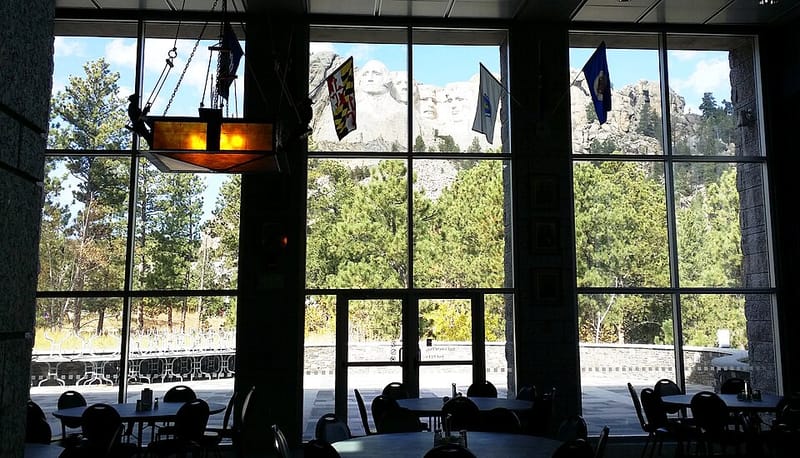
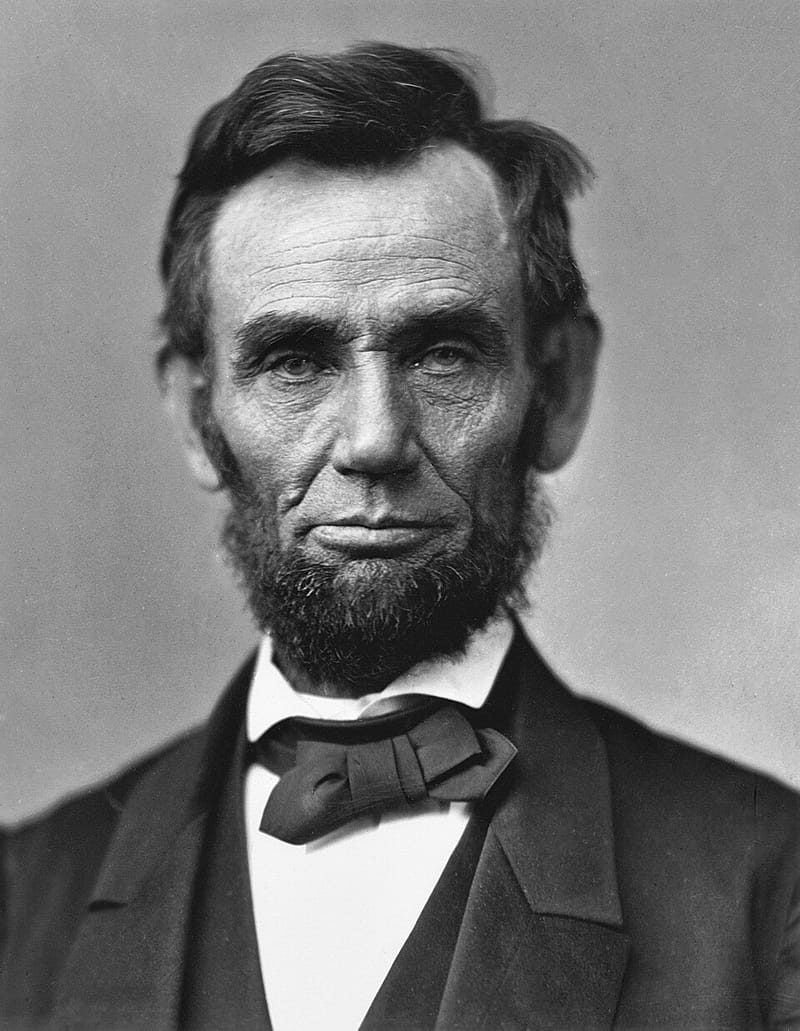
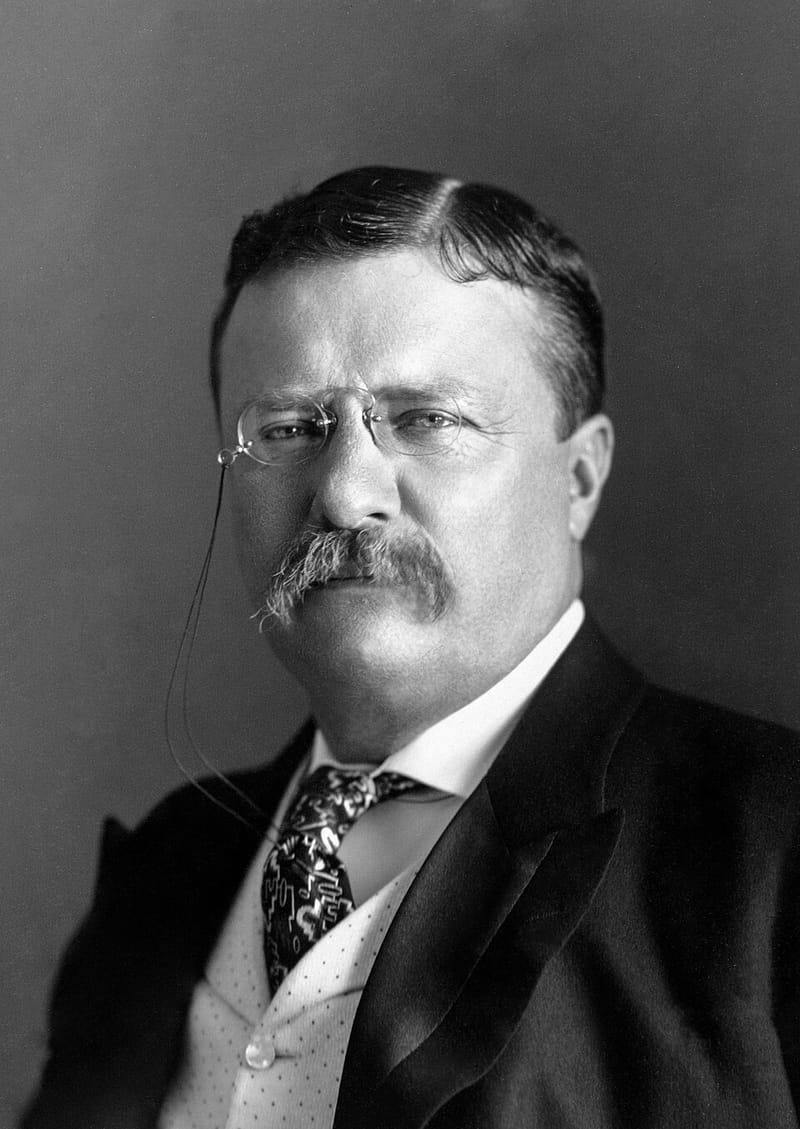
Between 1927 and 1941, sculptor Gutzon Borglum and about 400 workers blasted and carved the faces of George Washington, Thomas Jefferson, Theodore Roosevelt, and Abraham Lincoln into a granite mountain in South Dakota’s Black Hills. Meant to represent the nation’s birth, growth, development, and preservation, it draws more than two million visitors a year. But the Black Hills were recognized by treaty as Lakota land and are sacred to many tribes, and the memorial remains a contested symbol.
Key facts
- Date
- 1927 – October 31, 1941
- Location
- Black Hills, South Dakota
- Carved
- 1927–1941; completed October 31, 1941
- Sculptor
- Gutzon Borglum; finished by his son Lincoln Borglum
- The four presidents
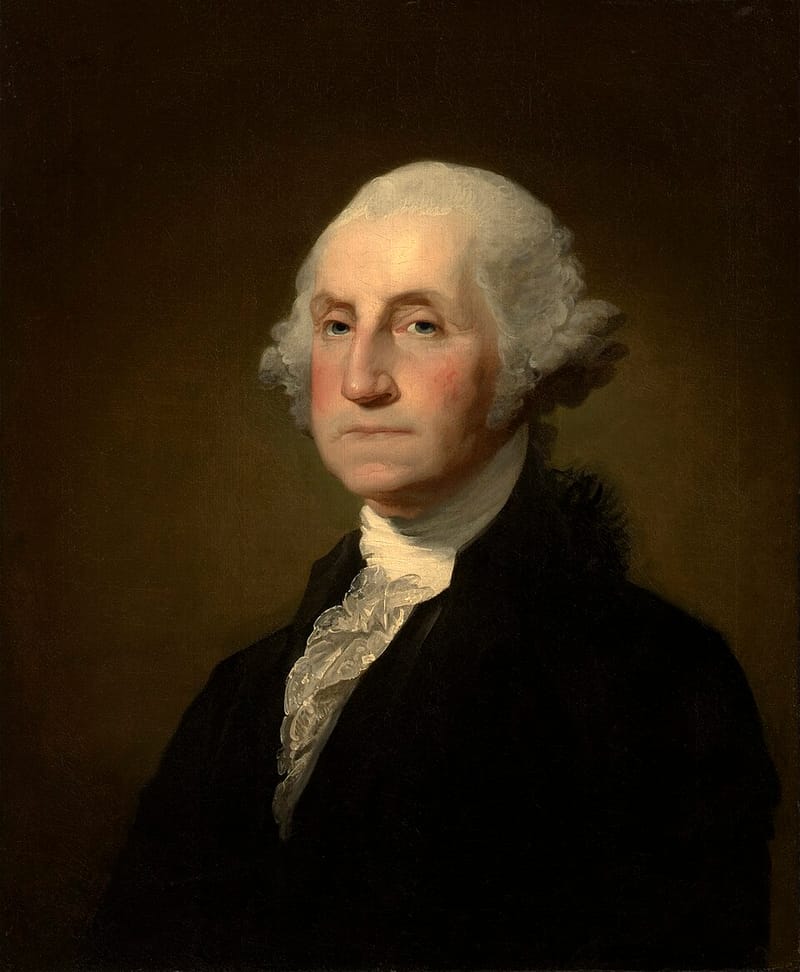
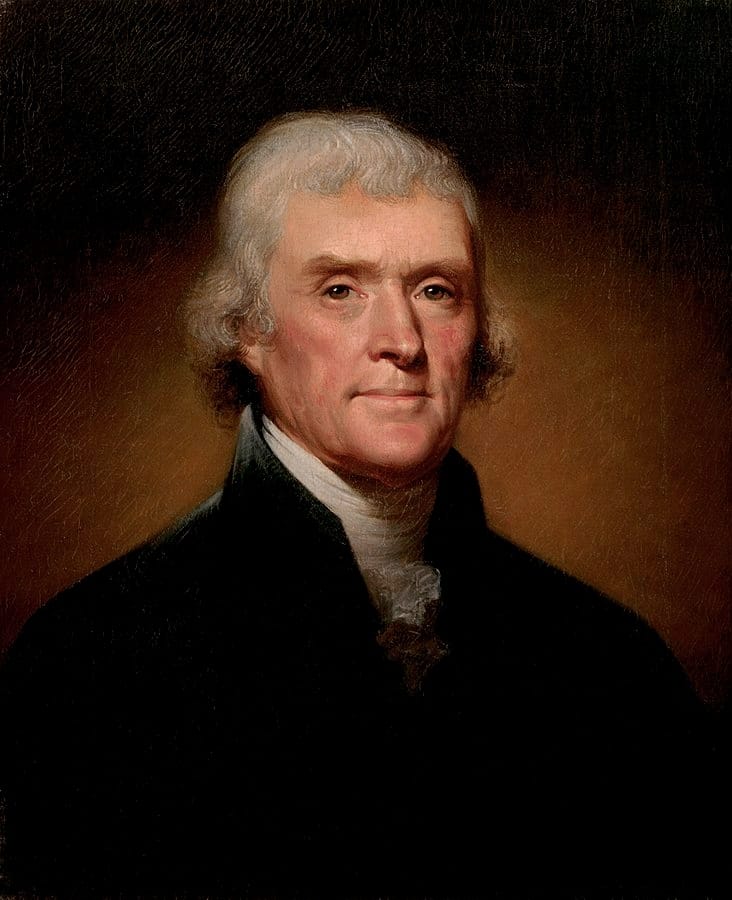
- Washington (birth), Jefferson (growth), Theodore Roosevelt (development), Lincoln (preservation)
- Lakota name for the mountain
- Six Grandfathers
- Workers
- About 400; no one died during the 14 years of construction
Why it matters
Mount Rushmore is both a celebration of American democracy and a reminder of broken treaties — one of the clearest places to see how a single monument can carry opposite meanings.
About the place
The memorial sits on a granite face of the Black Hills, the easternmost extension of the Rocky Mountains, in Pennington County, South Dakota. Borglum chose each president to stand for an idea: Washington the birth of the United States, Jefferson its growth (through the Declaration of Independence and the Louisiana Purchase), Theodore Roosevelt its development, and Lincoln its preservation. The National Park Service calls the memorial a symbol of freedom and hope; others see in it colonialism and racism.
History
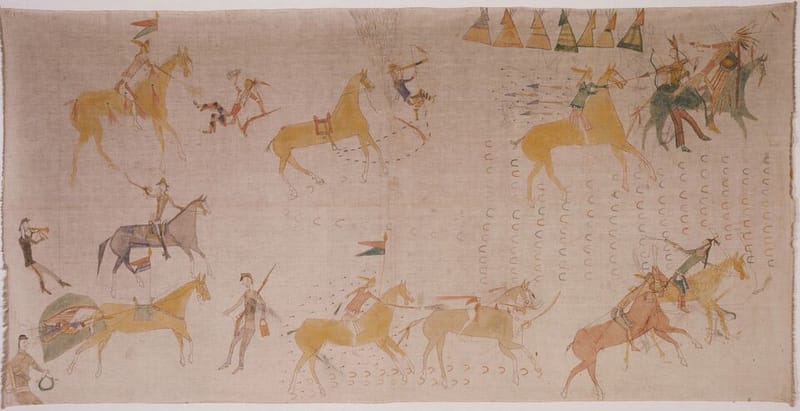
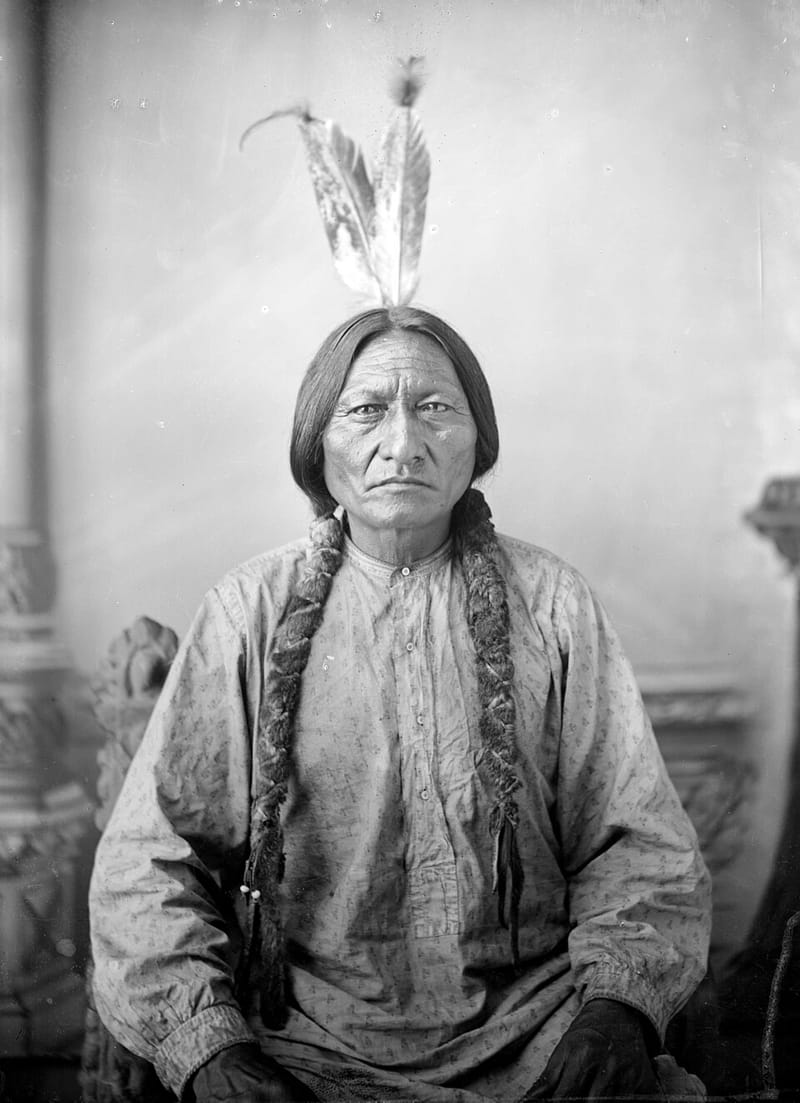
The name Black Hills comes from the Lakota Paha Sapa, “hills of black.” By the late 1700s the Lakota controlled the region after defeating the Cheyenne, and religious ceremonies were held there every year. The 1868 Treaty of Fort Laramie recognized the Black Hills as Lakota territory, but the discovery of gold in 1874 drew prospectors and settlers who violated the treaty. The Lakota and Northern Cheyenne fought back in the Great Sioux War of 1876, which included the Battle of the Little Bighorn, but many Lakota were forced onto reservations by the end of the 1800s.
In the 1920s South Dakota’s state historian, Doane Robinson, proposed a mountain carving to attract tourists; the first idea was to carve Native Americans and pioneers on granite spires called the Needles. Borglum, fresh from a bitter break with the Confederate memorial at Stone Mountain, Georgia, chose instead a cliff the Lakota called the Six Grandfathers — a choice, the Park Service says, that “completely disregarded” the site’s cultural significance — and the subject became four presidents. Carving began in 1927, with President Calvin Coolidge’s support bringing federal funding. Workers used dynamite to remove about 90 percent of the rock. Borglum died in March 1941, and his son Lincoln oversaw the final work, completed on October 31, 1941.
In the 1970s the American Indian Movement held demonstrations at Mount Rushmore, demanding recognition of tribal sovereignty and the restoration of treaty rights.
Study this entry
Check your understanding
Try answering in your own words, then open the answer.
1.What is this place?Show answerHide
The memorial sits on a granite face of the Black Hills, the easternmost extension of the Rocky Mountains, in Pennington County, South Dakota.From “About the place” above.
2.What happened here?Show answerHide
The name Black Hills comes from the Lakota Paha Sapa, “hills of black.” By the late 1700s the Lakota controlled the region after defeating the Cheyenne, and religious ceremonies were held there every year.From “History” above.
Turn this entry into 12 flashcards (key facts, dates, and why it matters) and review them in Learn.
Related History
How this connects to the rest of the atlas.
People

Sources
- 1.Mount Rushmore National Memorial Cultural Landscape
National Park Service · Institutional · cited for Black Hills, Lakota history, treaty, site selection, completion, AIM protests, debate over meaning
- 2.Why These Four Presidents?
National Park Service, Mount Rushmore National Memorial · Institutional · cited for what each president represents
- 3.Carving History
National Park Service, Mount Rushmore National Memorial · Institutional · cited for workers, dynamite, safety, 1927–1941
- 4.Sculptor Gutzon Borglum
National Park Service, Mount Rushmore National Memorial · Institutional · cited for Borglum’s career, Stone Mountain, Doane Robinson, his death
- 5.History & Culture
National Park Service, Mount Rushmore National Memorial · Institutional · cited for purpose of the memorial, visitors
- 6.Mount Rushmore (Q83497)
Wikidata · Reference · cited for map coordinates
Image credits
Written for American History Atlas from the sources above. See how entries are researched.
Atlas by Alexander. More on Telegram.