The Monroe Doctrine
The United States warns Europe away from the Americas, 1823
December 2, 1823
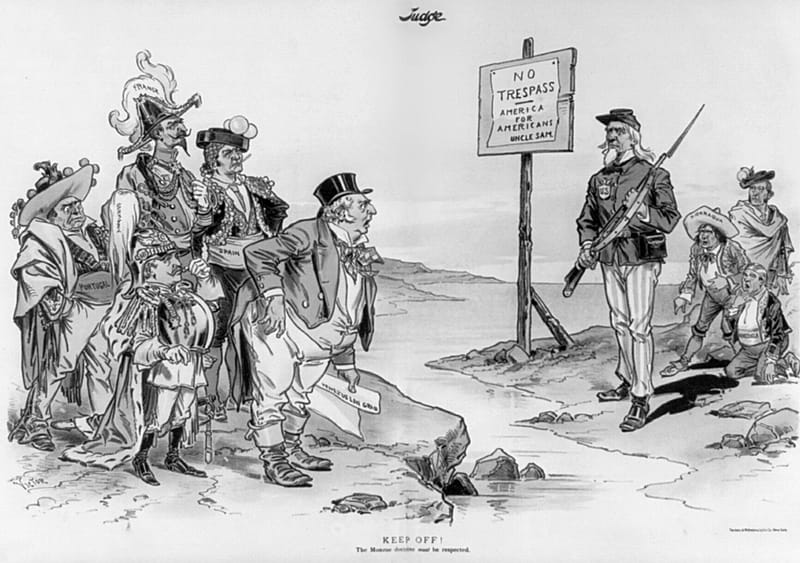
In his annual message to Congress on December 2, 1823, President James Monroe declared that the Americas were “henceforth not to be considered as subjects for future colonization by any European powers,” and that the United States would stay out of European affairs. Largely the work of Secretary of State John Quincy Adams, the policy aimed to protect newly independent Latin American republics. Over time it became the cornerstone of U.S. policy in the hemisphere — and a justification for U.S. intervention there.
Key facts
- Date
- December 2, 1823
- Authors
- President James Monroe; Secretary of State John Quincy Adams (principal architect)
- Announced
- December 2, 1823, in Monroe’s seventh annual message to Congress
- Principles
- No new European colonization in the Americas; no European interference with independent American states; U.S. non-involvement in European affairs
- Proposed alternative
- A joint U.S.–British declaration, suggested by British Foreign Secretary George Canning — rejected by Adams
- Later extension
- The Roosevelt Corollary (1904–05)
Read the text at the National Archives
Why it matters
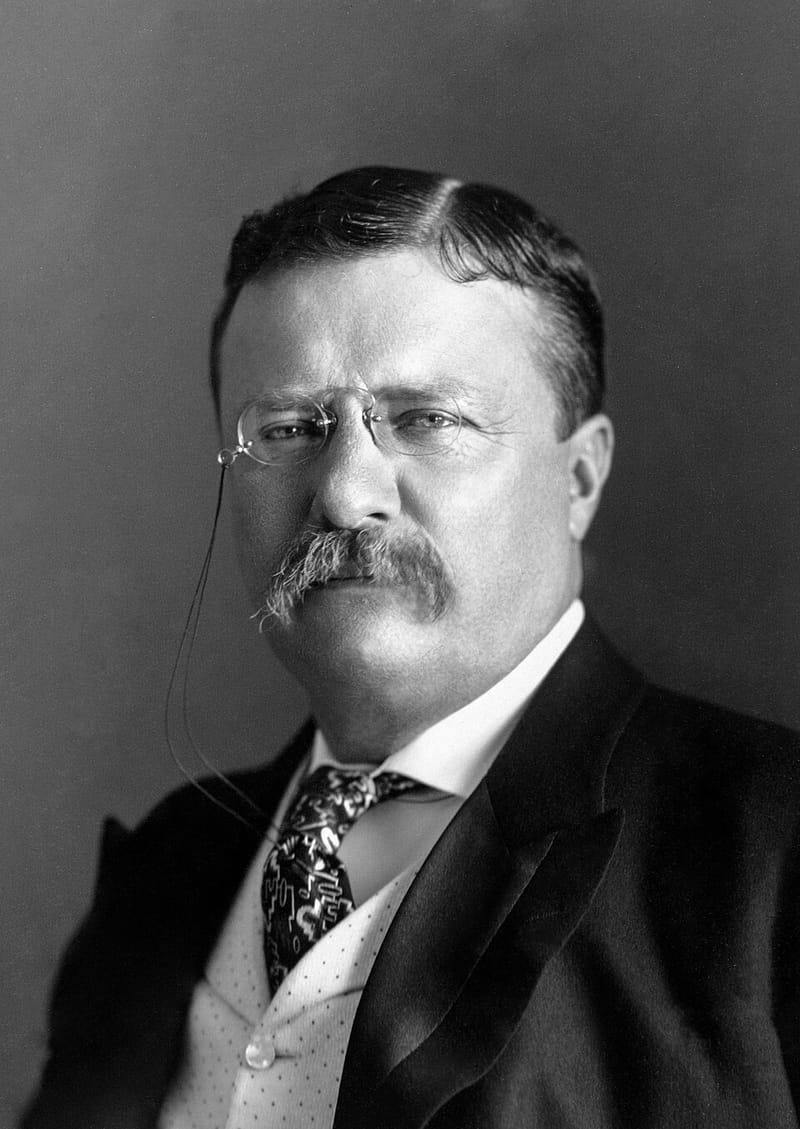
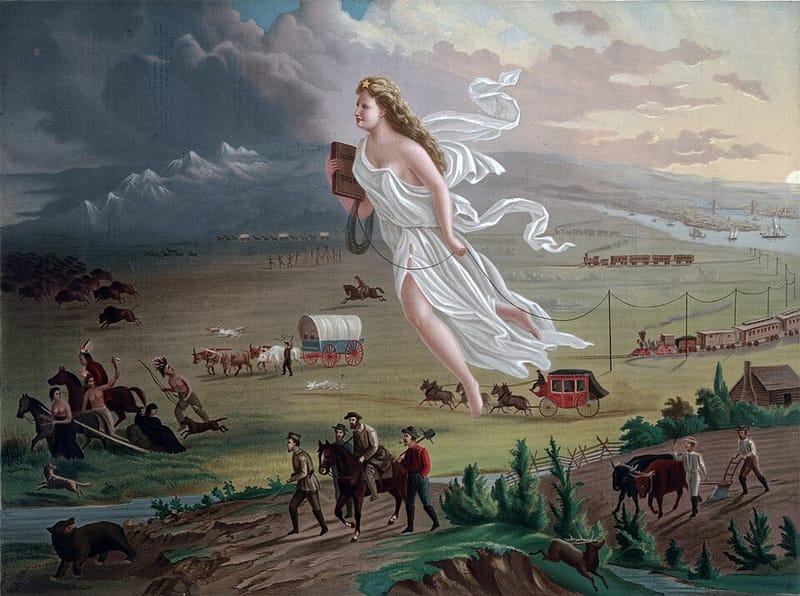
When it was issued, the doctrine was a bold statement from a young country with limited power to enforce it. In the late 1800s, growing U.S. economic and military strength made enforcement possible. Combined with ideas of Manifest Destiny, it supported U.S. expansion on the continent; in 1865 it was invoked to support Mexico’s Benito Juárez against the French-installed Emperor Maximilian; and Theodore Roosevelt’s Corollary turned it into a justification for unilateral U.S. intervention in Latin America — inverting its original meaning. As the National Archives notes, U.S. expressions of concern for its neighbors “have not always been favorably regarded by other American nations.”
Historical circumstances
In the early 1820s most of Spain’s American colonies had won independence. Americans feared that Spain and its allies in Europe’s conservative monarchies might try to reconquer them, and Russia was pressing south from Alaska toward the Oregon country. In 1823 British Foreign Secretary George Canning proposed that Britain and the United States jointly warn other powers against intervening in Latin America. John Quincy Adams argued that a joint statement might limit future U.S. expansion and that Britain had imperial motives of its own; he persuaded Monroe to act alone.
Principal ideas
- No new colonization. The American continents were closed to future European colonization.
- Separate spheres. The political systems of Europe and the Americas were different; European attempts to extend their system to the Western Hemisphere would be considered dangerous to U.S. peace and safety.
- Non-interference both ways. The United States would not interfere with existing European colonies or take part in European wars and politics — such as the Greek war of independence then under way.
Study this entry
Check your understanding
Try answering in your own words, then open the answer.
1.Why was this document written?Show answerHide
In the early 1820s most of Spain’s American colonies had won independence. Americans feared that Spain and its allies in Europe’s conservative monarchies might try to reconquer them, and Russia was pressing south from Alaska toward the Oregon country.From “Historical circumstances” above.
2.What are its principal ideas?Show answerHide
- No new colonization. The American continents were closed to future European colonization. - Separate spheres. The political systems of Europe and the Americas were different; European attempts to extend their system to the Western Hemisphere would be considered dangerous to U.S. peace and safety. - Non-interference both ways. The United States would not interfere with existing European colonies or take part in European wars and politics — such as the Greek war of independence then under way.From “Principal ideas” above.
Turn this entry into 11 flashcards (key facts, dates, and why it matters) and review them in Learn.
Related History
How this connects to the rest of the atlas.
Events
Wars
_restored.png)
Sources
- 1.Monroe Doctrine (1823) — Milestone Documents
National Archives · Primary source · cited for date, purpose, 1865 invocation
- 2.Monroe Doctrine, 1823
U.S. Department of State, Office of the Historian · Institutional · cited for Adams, Canning, principles, Roosevelt Corollary
Image credits
- The Monroe Doctrine must be respected (F. Victor Gillam, 1896) restored, Victor Gillam, 1896-02-15. Via Wikimedia Commons · Public domain · Source
Written for American History Atlas from the sources above. See how entries are researched.
Atlas by Alexander. More on Telegram.