PlaceBefore European Colonization
Mesa Verde
Cliff dwellings of the Ancestral Pueblo people
c. 1180–1300Southwestern Colorado
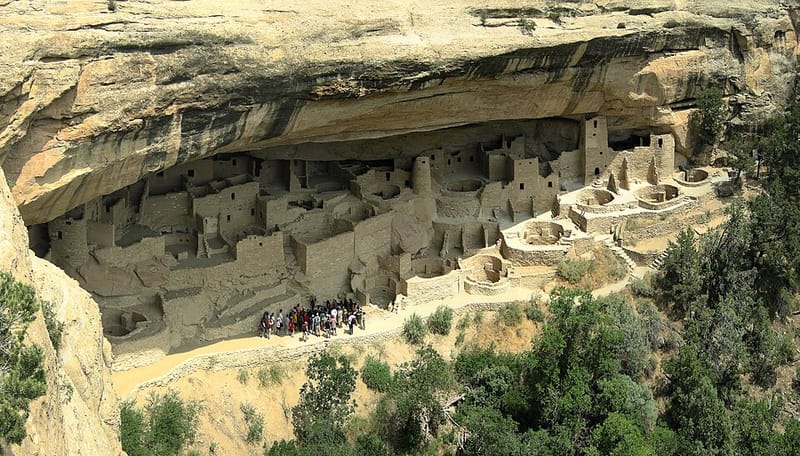
Mesa Verde, in southwestern Colorado, preserves some of the largest and best-preserved cliff dwellings in North America. Ancestral Pueblo people lived on the mesa tops for centuries, then — between about 1180 and 1300 — built stone villages tucked into cliff alcoves. Within about a century they had migrated south to join communities in present-day New Mexico and Arizona, where their descendants live today.
Key facts
- Date
- c. 1180–1300
- Location
- Southwestern Colorado
- Dating note
- Most cliff dwellings were built between about 1180 and 1300 CE, after some 600 years of earlier settlement on the mesa tops.
- Cliff dwellings built
- About 1180–1300 CE
- Typical size
- Most average 8–10 rooms; a few, like Cliff Palace, are much larger
- Why the cliffs
- Many were built near seep springs as droughts made water scarce
- Protected
- Mesa Verde National Park, established June 29, 1906 — the first national park created to preserve cultural heritage
Why it matters
Mesa Verde shows how Ancestral Pueblo communities adapted to a demanding environment, and its protection marked the beginning of federal efforts to preserve the archaeological heritage of Native America.
About the place
The cliff dwellings are built of shaped sandstone set in mud mortar, under overhanging rock. Living rooms can be identified by hearths and grinding bins for corn; narrow rooms served as granaries; circular kivas were used for community and ceremonial life. Most dwellings were small, home to a few families. Balcony House, a mid-sized dwelling, had 38 rooms and two kivas and housed more than thirty people. Cliff Palace is the largest and best known.
History
Ancestral Pueblo people farmed the Mesa Verde region for centuries before the cliff dwellings were built. The move into the alcoves came during a period of extended drought, recorded in tree rings; with mesa-top reservoirs becoming less reliable, families chose homes near cliffside springs. The dwellings were occupied for only about a century. By around 1300 the people had moved south, joining and founding communities in New Mexico and Arizona. The reasons likely combined drought, depleted resources, and social change.
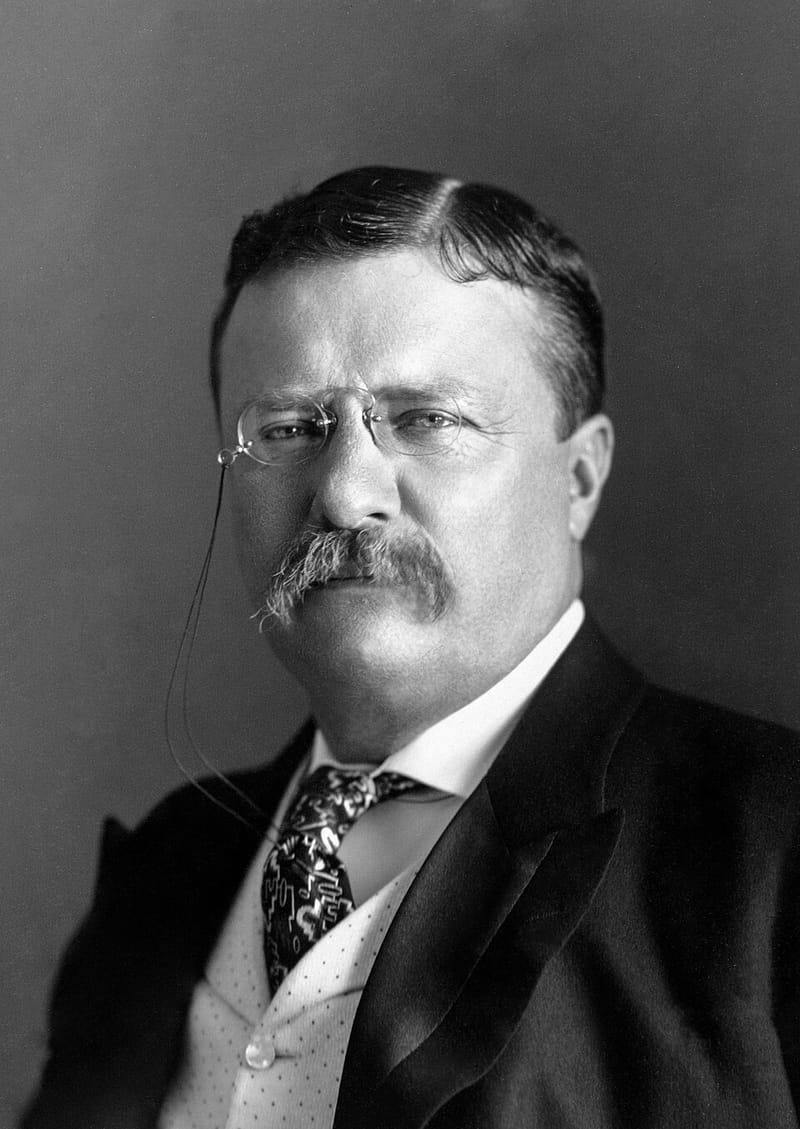
Centuries later, President Theodore Roosevelt established Mesa Verde National Park on June 29, 1906 — the first national park created to preserve cultural heritage.
Study this entry
Check your understanding
Try answering in your own words, then open the answer.
1.What is this place?Show answerHide
The cliff dwellings are built of shaped sandstone set in mud mortar, under overhanging rock. Living rooms can be identified by hearths and grinding bins for corn; narrow rooms served as granaries; circular kivas were used for community and ceremonial life.From “About the place” above.
2.What happened here?Show answerHide
Ancestral Pueblo people farmed the Mesa Verde region for centuries before the cliff dwellings were built. The move into the alcoves came during a period of extended drought, recorded in tree rings; with mesa-top reservoirs becoming less reliable, families chose homes near cliffside springs.From “History” above.
Turn this entry into 11 flashcards (key facts, dates, and why it matters) and review them in Learn.
Related History
How this connects to the rest of the atlas.
Events

Sources
- 1.Cliff Dwellings
National Park Service, Mesa Verde National Park · Institutional · cited for dates, construction, size, drought and springs, migration
- 2.Mesa Verde — History & Culture
National Park Service, Mesa Verde National Park · Institutional · cited for park established June 29, 1906
Image credits
- Cliff Palace-Colorado-Mesa Verde NP, Tobi 87, 08.07.2007. Via Wikimedia Commons · CC BY-SA 4.0 · Source
Written for American History Atlas from the sources above. See how entries are researched.
Atlas by Alexander. More on Telegram.