EventCivil Rights and Social Transformation
The Watergate Scandal
The abuses of power that forced President Nixon to resign, 1972–1974
June 17, 1972 – August 9, 1974Washington, D.C.

On June 17, 1972, five men were arrested breaking into the Democratic National Committee offices at the Watergate complex in Washington. One worked for President Richard Nixon’s reelection committee. The White House launched a cover-up, but journalists, a Senate committee, special prosecutors, and the courts gradually exposed a pattern of abuses of power. When the Supreme Court ordered Nixon to release his secret tapes — including one showing he had tried to use the CIA to block the FBI’s investigation — his support collapsed. Facing impeachment, Nixon became the first and only president to resign, on August 9, 1974.
Key facts
- Date
- June 17, 1972 – August 9, 1974
- Location
- Washington, D.C.
- Dating note
- From the break-in at the Democratic National Committee to Nixon’s resignation, effective at noon on August 9, 1974.
- Break-in
- June 17, 1972, Democratic National Committee offices
- Cover-up
- Hush money; the CIA asked to halt the FBI investigation
- Saturday Night Massacre
- October 1973: Nixon fired special prosecutor Archibald Cox
- Supreme Court
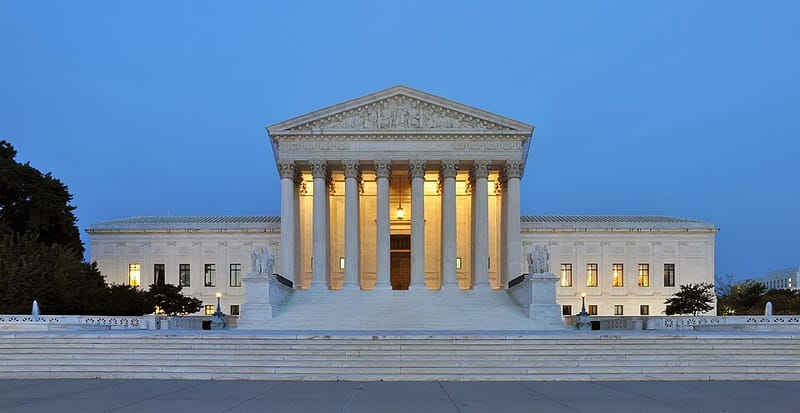
- United States v. Nixon, July 24, 1974, 8–0
- Resignation
- Announced August 8, effective August 9, 1974
Why it matters
Watergate showed both how a president could abuse power and how the press, Congress, and the courts could hold him to account.
Historical background
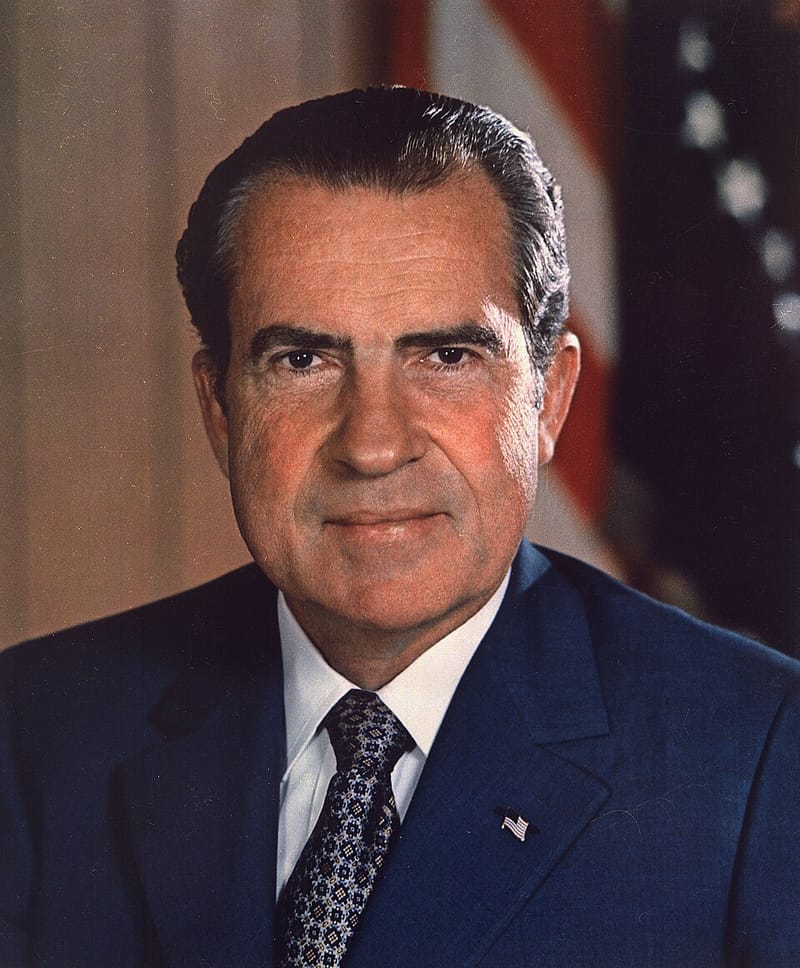
Richard Nixon, elected in 1968, had built a secret White House unit that carried out illegal activities, including a break-in without a warrant. He had been recorded asking that the Democratic chairman be wiretapped and that donors’ names be turned over for investigations, and ordering aides to break into the Brookings Institution for files on Vietnam.
Causes and contributing factors
Five men, one a former CIA employee working as a security aide for the Committee to Re-elect the President, were caught installing bugging equipment at the Democratic headquarters. There is no direct evidence that Nixon ordered the break-in, but within days he and his chief of staff, H. R. Haldeman, decided to have the CIA tell the FBI to “stay the hell out of this.”
What happened
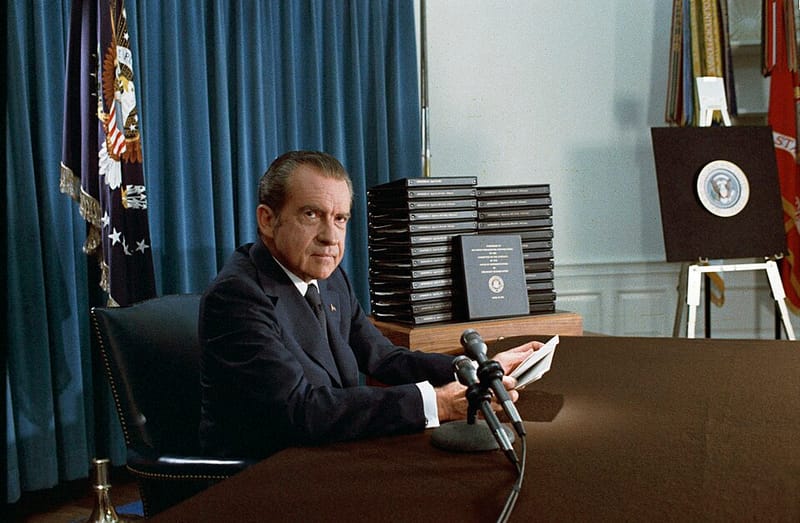
Officials paid hush money to the burglars and White House aides, and Nixon won a landslide reelection in November 1972. Reporting by Bob Woodward and Carl Bernstein of the Washington Post kept linking the burglary to the White House. In 1973 the Senate Watergate committee, chaired by Sam Ervin, held televised hearings; Nixon’s top aides resigned; and a former aide revealed that Nixon secretly taped his conversations. Special prosecutor Archibald Cox subpoenaed the tapes. In October Nixon had Cox fired, prompting the resignations of the attorney general and his deputy — the “Saturday Night Massacre.” Public outrage forced Nixon to turn over tapes, and a new prosecutor, Leon Jaworski, subpoenaed more. On July 24, 1974, in United States v. Nixon, the Supreme Court unanimously ordered him to comply. Days later the House Judiciary Committee approved articles of impeachment.
Immediate consequences
The release of the “smoking gun” tape destroyed Nixon’s remaining support; Senator Barry Goldwater told him too few senators would vote to acquit. Nixon announced his resignation on August 8, 1974, effective at noon the next day. Vice President Gerald Ford became president and a month later pardoned Nixon, who never faced charges.
Long-term significance
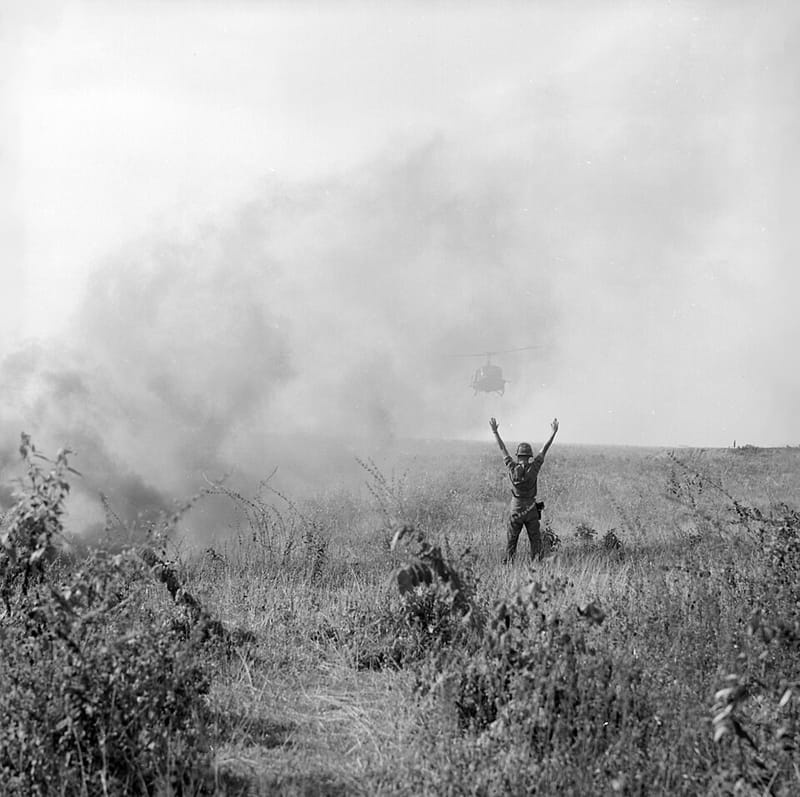
Watergate, coming after the deceptions of the Vietnam War revealed in the Pentagon Papers, deepened Americans’ distrust of government. Congress had already begun asserting new checks on presidential power, such as the War Powers Resolution of 1973.
Study this entry
Check your understanding
Try answering in your own words, then open the answer.
1.What led to the Watergate Scandal?Show answerHide
Five men, one a former CIA employee working as a security aide for the Committee to Re-elect the President, were caught installing bugging equipment at the Democratic headquarters.From “Causes and contributing factors” above.
2.What happened?Show answerHide
Officials paid hush money to the burglars and White House aides, and Nixon won a landslide reelection in November 1972. Reporting by Bob Woodward and Carl Bernstein of the Washington Post kept linking the burglary to the White House.From “What happened” above.
3.What were the immediate consequences?Show answerHide
The release of the “smoking gun” tape destroyed Nixon’s remaining support; Senator Barry Goldwater told him too few senators would vote to acquit. Nixon announced his resignation on August 8, 1974, effective at noon the next day.From “Immediate consequences” above.
4.Why does it still matter?Show answerHide
Watergate, coming after the deceptions of the Vietnam War revealed in the Pentagon Papers, deepened Americans’ distrust of government. Congress had already begun asserting new checks on presidential power, such as the War Powers Resolution of 1973.From “Long-term significance” above.
Turn this entry into 11 flashcards (key facts, dates, and why it matters) and review them in Learn.
Related History
How this connects to the rest of the atlas.

Sources
- 1.The American Yawp, “The Unraveling”
The American Yawp (eds. Joseph Locke and Ben Wright; Stanford University Press) · Scholarly · cited for 1970s: Vietnam’s end, Watergate, feminism, environmentalism
- 2.Richard Nixon: Domestic Affairs
Miller Center, University of Virginia · Scholarly · cited for environmental policy, Watergate, resignation
- 3.Richard Nixon: Life in Brief
Miller Center, University of Virginia · Scholarly · cited for Nixon overview
- 4.United States v. Nixon
Oyez (Cornell LII, Justia, Chicago-Kent College of Law) · Scholarly · cited for facts, question, holding, vote
Image credits
- Richard Nixon boards Army One in 1974, Ollie Atkins, Taken on 9 August 1974. Via Wikimedia Commons · Public domain · Source
Written for American History Atlas from the sources above. See how entries are researched.
Atlas by Alexander. More on Telegram.