John Marshall
Fourth Chief Justice, who made the Supreme Court a co-equal branch
1755–1835
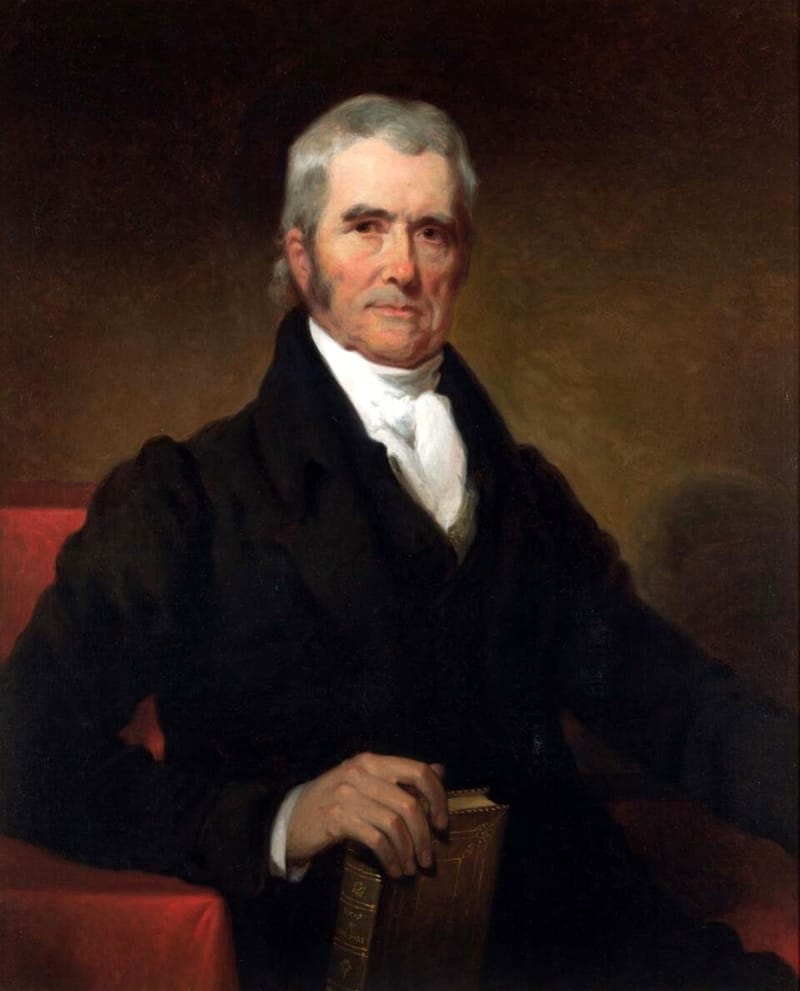
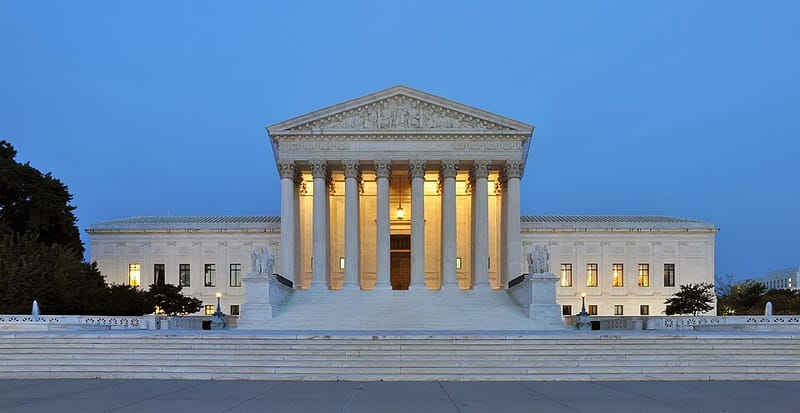
John Marshall was the fourth Chief Justice of the United States and the longest-serving, presiding over the Supreme Court for thirty-four years, from 1801 to 1835. A Revolutionary War officer and Virginia lawyer, he took over a weak, little-respected tribunal and made it a co-equal branch of government. In Marbury v. Madison he established the Court’s power to strike down unconstitutional laws; in McCulloch v. Maryland and Gibbons v. Ogden he gave the federal government broad power. More than any other judge, he defined what the Constitution would mean in practice.
Key facts
- Born
- September 24, 1755, Prince William (later Fauquier) County, Virginia
- Died
- July 6, 1835, Philadelphia, Pennsylvania
- Roles
- Continental Army officer; Virginia lawyer and legislator; U.S. representative (1799–1800); Secretary of state (1800–1801); Chief Justice of the United States (1801–1835)
- Appointed
- By President John Adams; confirmed January 27, 1801
- Served
- 1801–1835, the longest tenure of any Chief Justice
- Landmark opinions
- Marbury v. Madison (1803), McCulloch v. Maryland (1819), Gibbons v. Ogden (1824), Worcester v. Georgia (1832)
- Education
- College of William and Mary, 1780
Why it matters
More than any founder, Marshall defined what the Constitution would mean in practice — and made the Supreme Court the institution that says what the law is.
Early life and context
Marshall was born on September 24, 1755, in Prince William (now Fauquier) County, Virginia, and grew up on his father’s estate, Oak Hill. At a local academy he befriended a future president, James Monroe. When the Revolution came he served as a lieutenant in the Culpeper County Minutemen in 1775–1776 and then as an officer in the Continental Army’s Eleventh Virginia Regiment, rising to captain.
In 1780 he studied law briefly at the College of William and Mary, then practiced in Fauquier County and, from 1783, in Richmond, where he spent most of his adult life. He served several terms in the Virginia House of Delegates.
Major actions and achievements
A Federalist, Marshall was a delegate to Virginia’s 1788 convention that ratified the Constitution. In 1797 President John Adams sent him with two other envoys to France, where agents of Foreign Minister Talleyrand demanded a loan and a bribe before negotiations could begin; the “XYZ Affair” led to a limited, undeclared war with France, and Marshall came home praised for refusing to bend. In 1800 Adams made him secretary of state. Weeks before leaving office, Adams nominated him Chief Justice, and the Senate confirmed him on January 27, 1801.
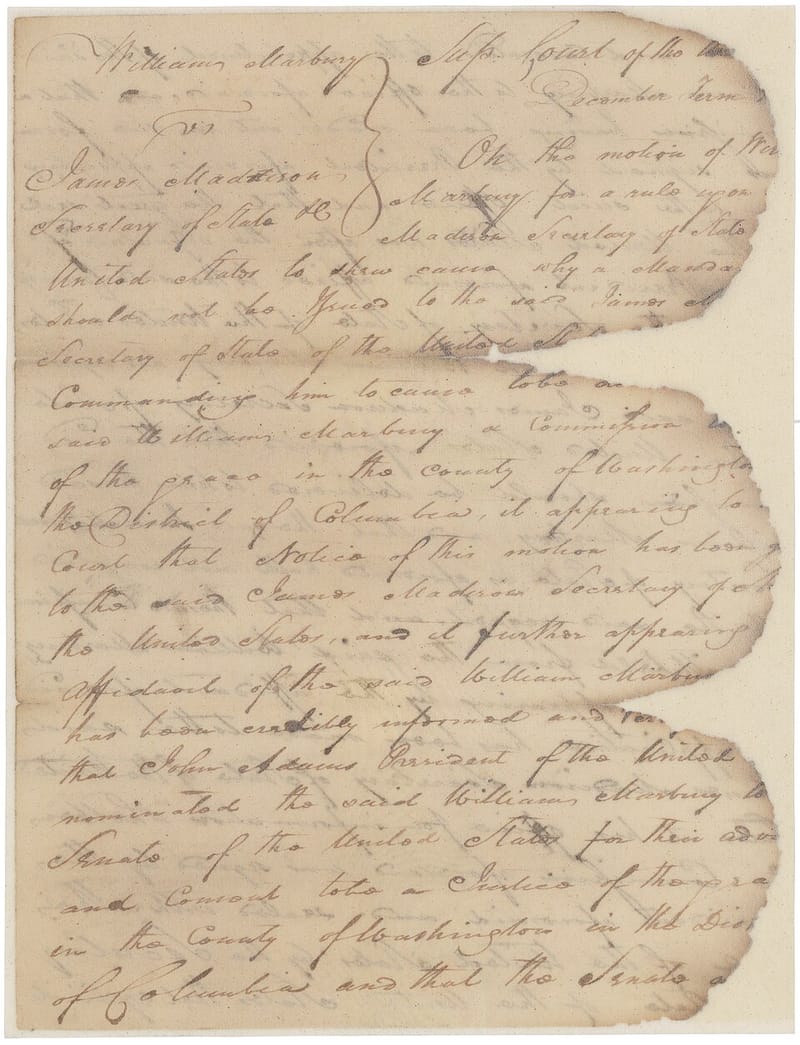
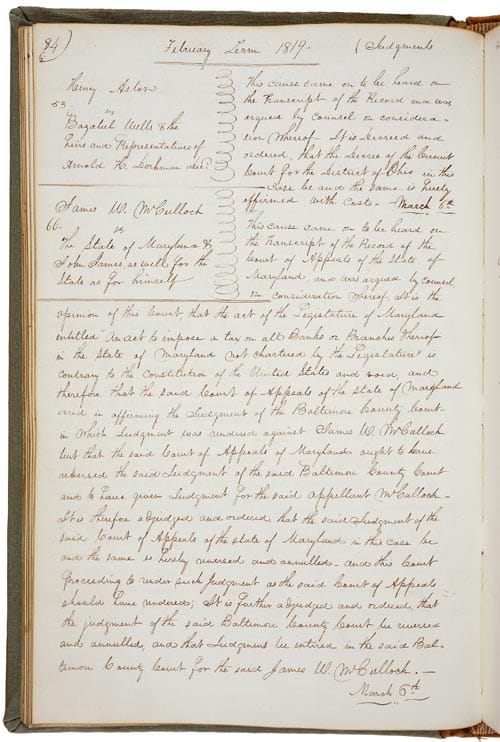
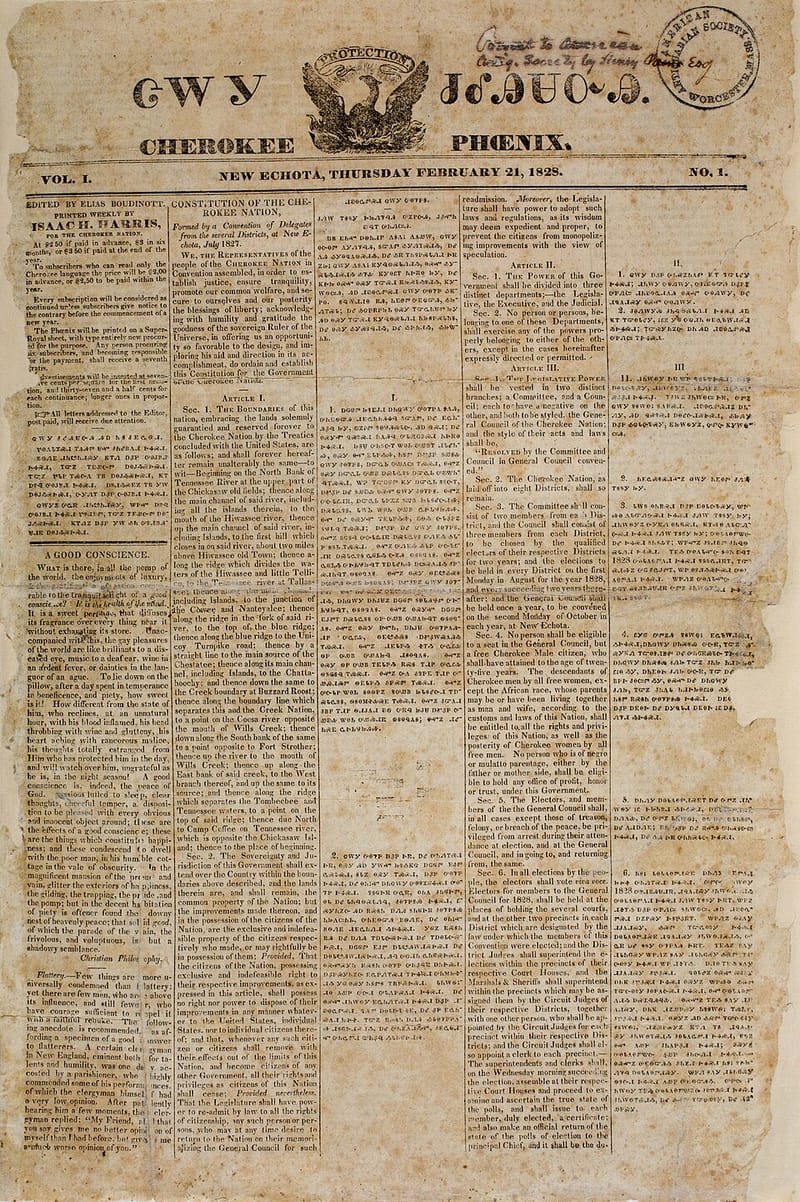
The Court he joined was weak; its first justices had complained of its limited stature and the burden of riding circuit. In Marbury v. Madison (1803) he held that courts could refuse to enforce laws that conflict with the Constitution — the foundation of judicial review. In McCulloch v. Maryland (1819) he upheld Congress’s implied powers to create a national bank and barred states from taxing it, warning that “the power to tax involves the power to destroy.” In Gibbons v. Ogden (1824) he read Congress’s power to regulate commerce broadly, and in Worcester v. Georgia (1832) he held that Georgia had no authority over the Cherokee Nation.
Beliefs and ideas
Marshall was a nationalist who believed the Constitution created a government of the people, not merely a compact among sovereign states, and that it should be read to give the federal government the means to accomplish its ends. He protected property rights and the sanctity of contracts, and he believed an independent judiciary was the safeguard of a written constitution.
Controversies, limits, and criticism
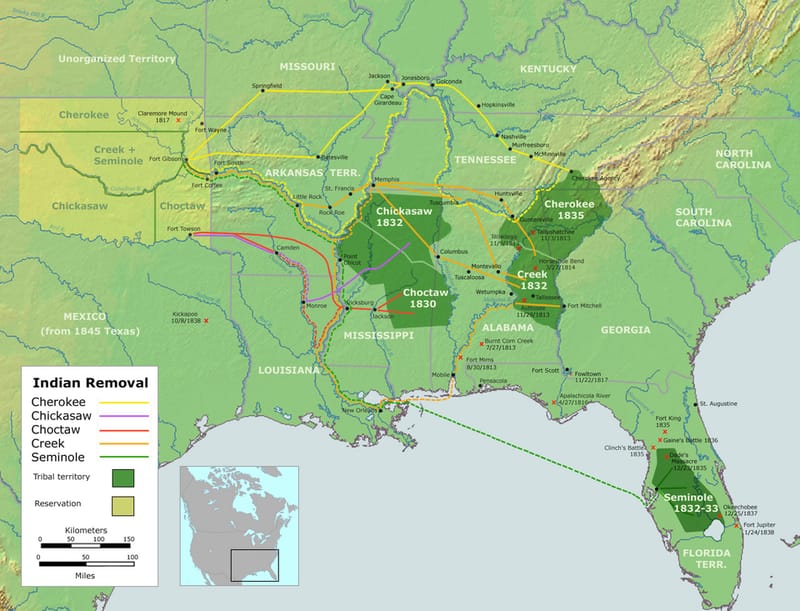
Jeffersonian Republicans saw Marshall as a partisan Federalist using the bench to thwart democratic majorities, and states’-rights advocates attacked his decisions as threats to state sovereignty. His ruling for the Cherokee in Worcester v. Georgia was not enforced by Georgia or by President Andrew Jackson and did not prevent their forced removal, exposing the limits of a court that cannot enforce its own judgments.
Legacy
Marshall died in Philadelphia on July 6, 1835, at seventy-nine, where he had gone for medical treatment, and was buried in Richmond. He served thirty-four years and five months — longer than any other Chief Justice — and the Supreme Court itself credits his “vigorous and able leadership” in its formative years as central to its prominent role in American government. His opinions on judicial review, federal power, and commerce remain foundations of constitutional law.
Study this entry
Check your understanding
Try answering in your own words, then open the answer.
1.What shaped John Marshall early in life?Show answerHide
Marshall was born on September 24, 1755, in Prince William (now Fauquier) County, Virginia, and grew up on his father’s estate, Oak Hill. At a local academy he befriended a future president, James Monroe.From “Early life and context” above.
2.What were John Marshall’s major achievements?Show answerHide
A Federalist, Marshall was a delegate to Virginia’s 1788 convention that ratified the Constitution.From “Major actions and achievements” above.
3.What criticism or controversy surrounds John Marshall?Show answerHide
Jeffersonian Republicans saw Marshall as a partisan Federalist using the bench to thwart democratic majorities, and states’-rights advocates attacked his decisions as threats to state sovereignty.From “Controversies, limits, and criticism” above.
4.How is John Marshall remembered?Show answerHide
Marshall died in Philadelphia on July 6, 1835, at seventy-nine, where he had gone for medical treatment, and was buried in Richmond.From “Legacy” above.
Turn this entry into 10 flashcards (key facts, dates, and why it matters) and review them in Learn.
Related History
How this connects to the rest of the atlas.
Events
Court cases

Sources
- 1.Marshall, John — Biographical Directory of Article III Federal Judges
Federal Judicial Center · Institutional · cited for birth, education, career, confirmation, death
- 2.The Court as an Institution
Supreme Court of the United States · Institutional · cited for early weakness of the Court and Marshall’s leadership
- 3.McCulloch v. Maryland (1819) — Milestone Documents
National Archives · Primary source · cited for background, questions, holding, quotations
- 4.John Marshall
American Battlefield Trust · Institutional · cited for birthplace, schooling, Revolutionary service, death
- 5.XYZ Affair and the Quasi-War with France, 1798–1800
U.S. Department of State, Office of the Historian · Institutional · cited for Marshall’s mission to France
Image credits
- John Marshall ., Henry Inman, 1832. Via Wikimedia Commons · Public domain · Source
Written for American History Atlas from the sources above. See how entries are researched.
Atlas by Alexander. More on Telegram.