Court CaseCivil Rights and Social Transformation
Roe v. Wade
The 1973 decision recognizing a constitutional right to abortion — overruled in 2022
1973Washington, D.C.
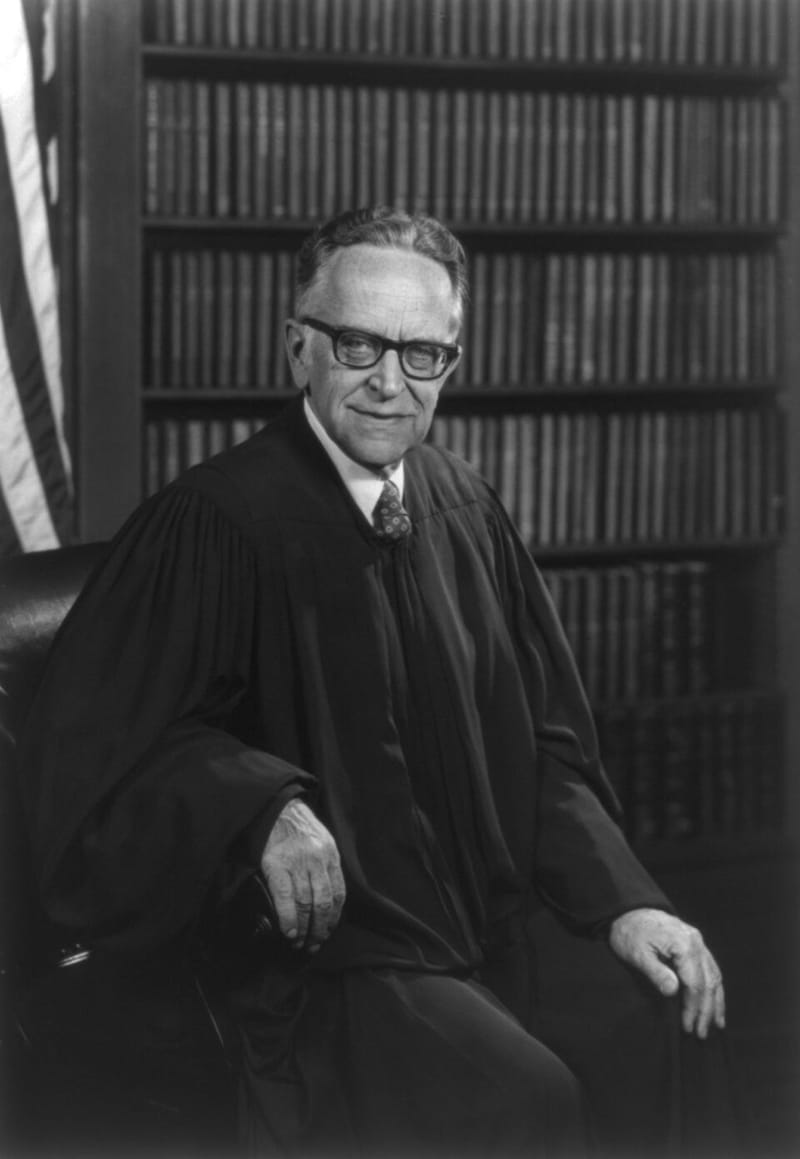
In Roe v. Wade (1973), the Supreme Court held 7–2 that the Fourteenth Amendment’s Due Process Clause protects a “right to privacy” broad enough to include a woman’s decision whether to have an abortion. The Court struck down a Texas law that banned abortion except to save the woman’s life and set out a framework based on the trimesters of pregnancy. Roe became one of the most contested decisions in American history. In 2022, in Dobbs v. Jackson Women’s Health Organization, the Court overruled it, holding that the Constitution does not confer a right to abortion.
Key facts
- Citation
- 410 U.S. 113 (1973)
- Decided
- January 22, 1973
- Vote
- 7–2
- Majority opinion
- Justice Harry Blackmun
- Location
- Washington, D.C.
- Decided
- January 22, 1973
- Vote
- 7–2
- Opinion
- Justice Harry Blackmun
- Framework
- Trimesters: no state regulation of the decision in the first; health-related rules in the second; bans after viability with life and health exceptions
- Overruled
- Dobbs v. Jackson Women’s Health Organization, June 24, 2022
Why it matters
Roe and its reversal in Dobbs framed half a century of debate over privacy, women’s equality, and the role of the courts.
Historical context
In 1970 “Jane Roe,” a pseudonym for a pregnant woman in Dallas County, sued District Attorney Henry Wade to challenge a Texas law making abortion illegal except to save a woman’s life. The case built on a 1965 Supreme Court ruling that had struck down a Connecticut ban on contraception for married couples and recognized a constitutional “right to privacy.”
The legal question
Does the Constitution recognize a woman’s right to terminate her pregnancy by abortion?
The ruling
Yes. The Due Process Clause protects a right to privacy that includes the abortion decision. The Texas law violated that right.
The Court’s reasoning
Justice Blackmun wrote that this right of privacy “is broad enough to encompass a woman’s decision whether or not to terminate her pregnancy,” but must be balanced against the state’s interests in protecting women’s health and “the potentiality of human life.” In the first trimester, the decision belonged to the woman and her physician; in the second, states could regulate to protect maternal health; after viability, states could prohibit abortion except when necessary to protect the woman’s life or health.
Consequences
Roe made abortion legal nationwide and became a central issue in American politics, mobilizing both the women’s movement and a powerful opposition among religious conservatives.
Later interpretation
How later courts, scholars, and the public have judged the case — not part of the ruling itself.
On June 24, 2022, in Dobbs v. Jackson Women’s Health Organization, the Court held that the Constitution does not confer a right to abortion and overruled Roe and Planned Parenthood of Southeastern Pennsylvania v. Casey. Justice Samuel Alito’s majority opinion argued that the right was not deeply rooted in the nation’s history; Justices Breyer, Sotomayor, and Kagan dissented.
Study this entry
Check your understanding
Try answering in your own words, then open the answer.
1.What question did the Court have to answer?Show answerHide
Does the Constitution recognize a woman’s right to terminate her pregnancy by abortion?From “The legal question” above.
2.What did the Court decide?Show answerHide
Yes. The Due Process Clause protects a right to privacy that includes the abortion decision.From “The ruling” above.
3.How did the Court justify its decision?Show answerHide
Justice Blackmun wrote that this right of privacy “is broad enough to encompass a woman’s decision whether or not to terminate her pregnancy,” but must be balanced against the state’s interests in protecting women’s health and “the potentiality of human life.”From “The Court’s reasoning” above.
4.What were the consequences?Show answerHide
Roe made abortion legal nationwide and became a central issue in American politics, mobilizing both the women’s movement and a powerful opposition among religious conservatives.From “Consequences” above.
Turn this entry into 9 flashcards (key facts, dates, and why it matters) and review them in Learn.
Related History
How this connects to the rest of the atlas.

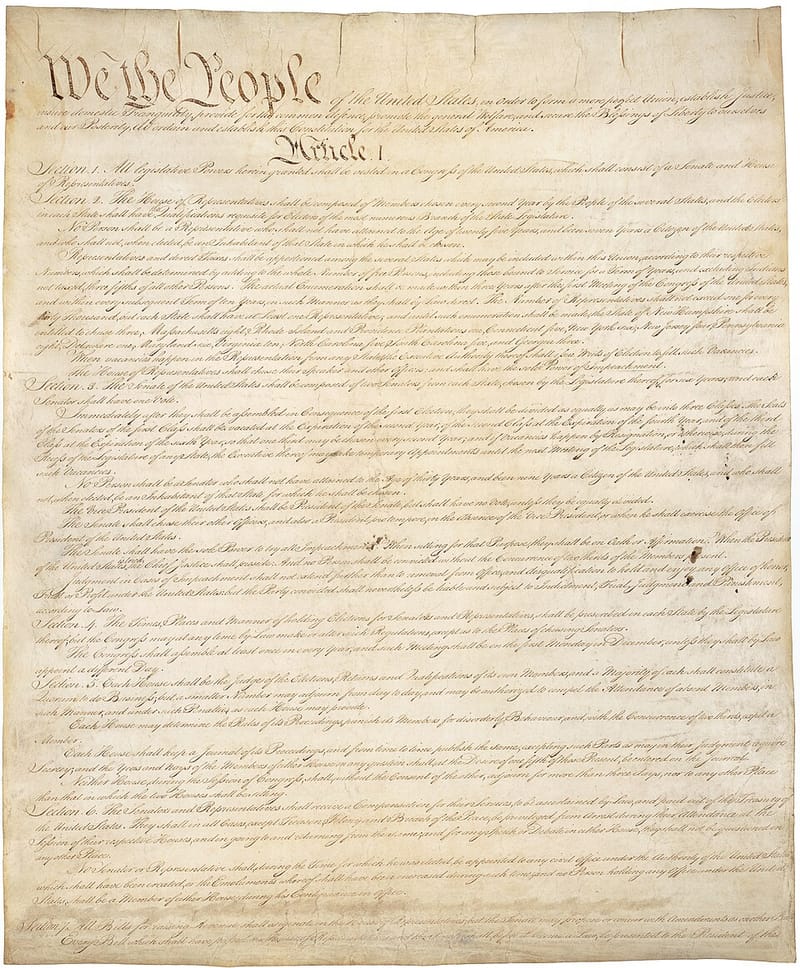
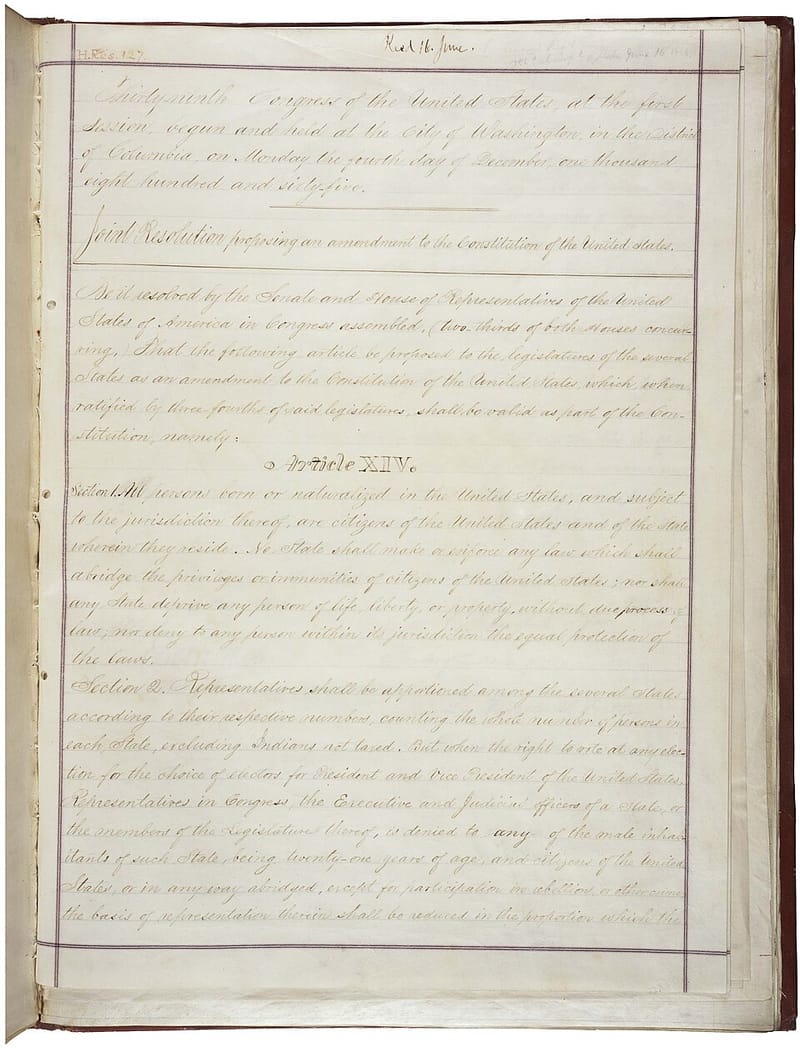
Documents
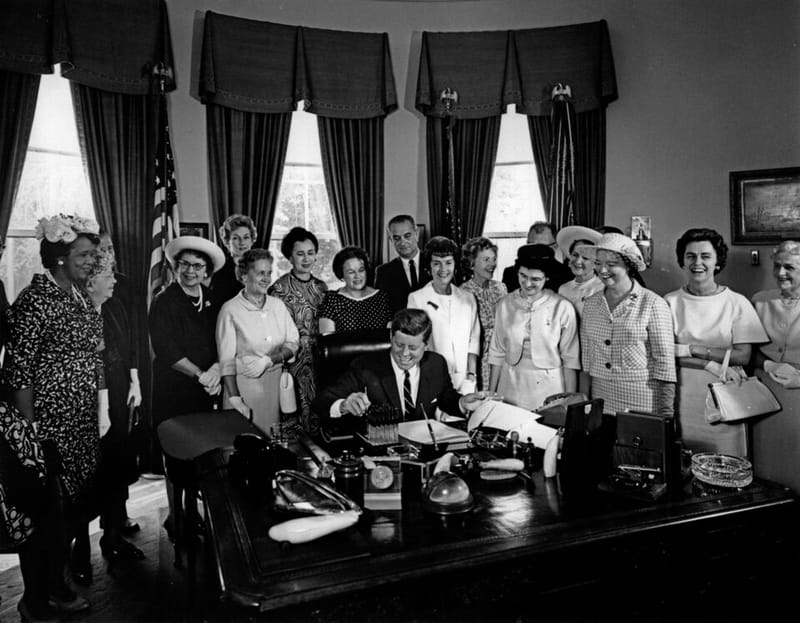
Movements

Sources
- 1.Roe v. Wade
Oyez (Cornell LII, Justia, Chicago-Kent College of Law) · Scholarly · cited for facts, question, holding, vote
- 2.Dobbs v. Jackson Women’s Health Organization
Oyez (Cornell LII, Justia, Chicago-Kent College of Law) · Scholarly · cited for overruling of Roe (2022)
- 3.The American Yawp, “The Unraveling”
The American Yawp (eds. Joseph Locke and Ben Wright; Stanford University Press) · Scholarly · cited for 1970s: Vietnam’s end, Watergate, feminism, environmentalism
Image credits
- Justice Harry A. Blackmun, Robert S. Oakes, 1976-01-26. Via Wikimedia Commons · Public domain · Source
Written for American History Atlas from the sources above. See how entries are researched.
Atlas by Alexander. More on Telegram.