EventExpansion and Sectional Conflict
Indian Removal
The forced expulsion of Native nations from the East, 1830–1850
May 28, 1830 – 1850The Southeast and Old Northwest to Indian Territory (present-day Oklahoma)
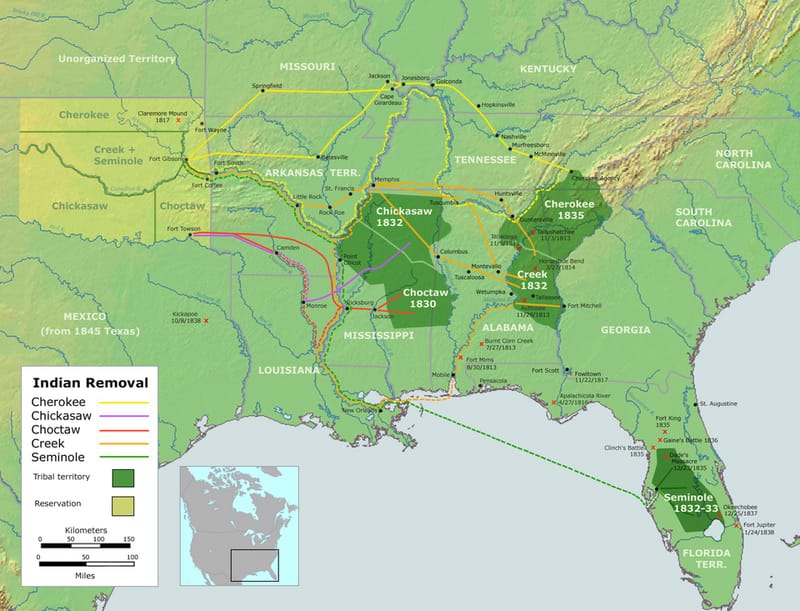
Indian removal was the federal policy, enacted in the Indian Removal Act of 1830, of forcing Native nations living east of the Mississippi River to give up their homelands and move west to “Indian Territory.” Through coerced treaties and military force, the government relocated about 100,000 people between 1830 and 1850 — Cherokee, Chickasaw, Choctaw, Creek, Seminole, and many northern nations. Thousands died. The land taken opened millions of acres to white settlement and the expansion of slavery.
Key facts
- Date
- May 28, 1830 – 1850
- Location
- The Southeast and Old Northwest to Indian Territory (present-day Oklahoma)
- Dating note
- The Indian Removal Act was signed May 28, 1830; most removals took place over the next two decades.
- Law
- Indian Removal Act, signed by President Jackson May 28, 1830
- Treaties
- Almost 70 removal treaties under Jackson
- People removed
- About 100,000 between 1830 and 1850
- Land opened
- 25 million acres in the East, much of it in the South
- Destination
- Indian Territory, later eastern Oklahoma
Why it matters
Indian removal shows how the expansion of the United States — and of slavery — was built on the forced dispossession of Native nations, carried out under the authority of law and against the ruling of the Supreme Court.
Historical background
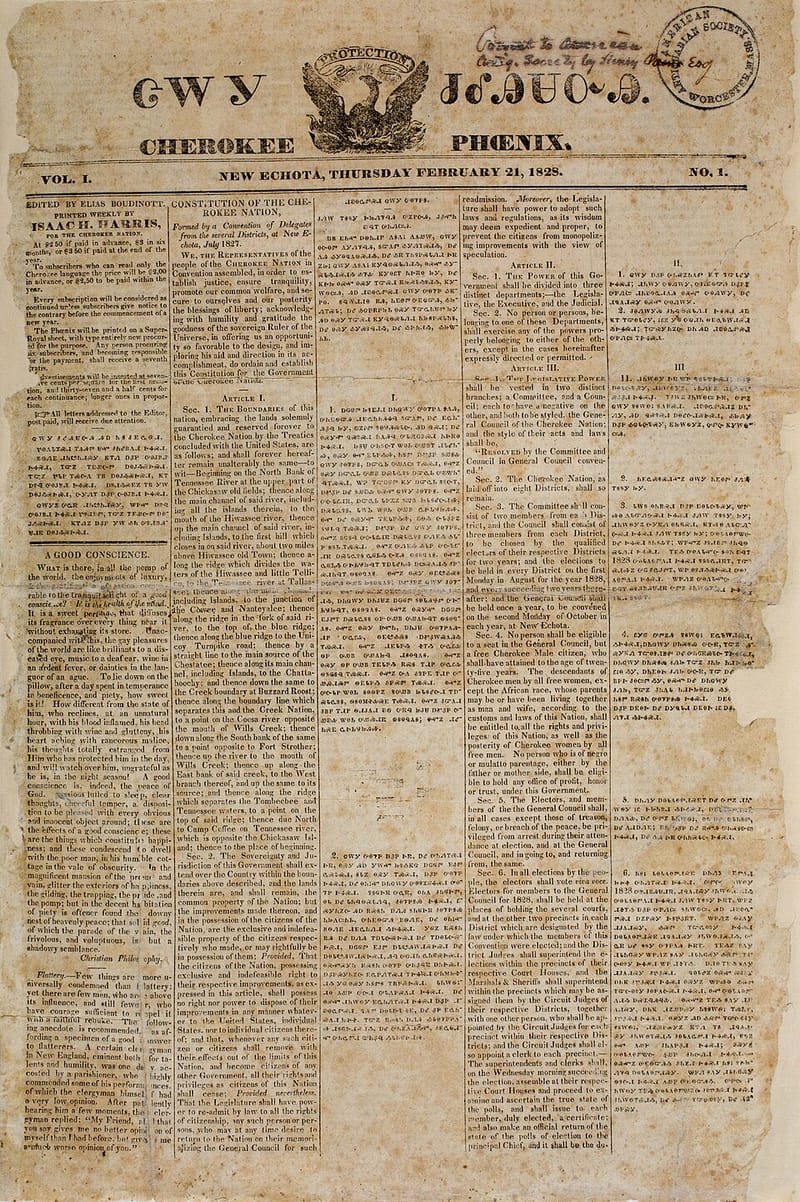
Since Jefferson’s time, American leaders had imagined moving eastern Native nations west of the Mississippi, both to open their land to settlers and to create a buffer zone. Between 1816 and 1840, nations living between the original states and the Mississippi signed more than forty treaties ceding land. Many Southern nations, including the Cherokee, had adopted farming, written laws, and in the Cherokee case a constitution and a written language created by Sequoyah — yet they faced relentless demands for their land, sharpened in Georgia by the discovery of gold on Cherokee land in 1830.
Causes and contributing factors
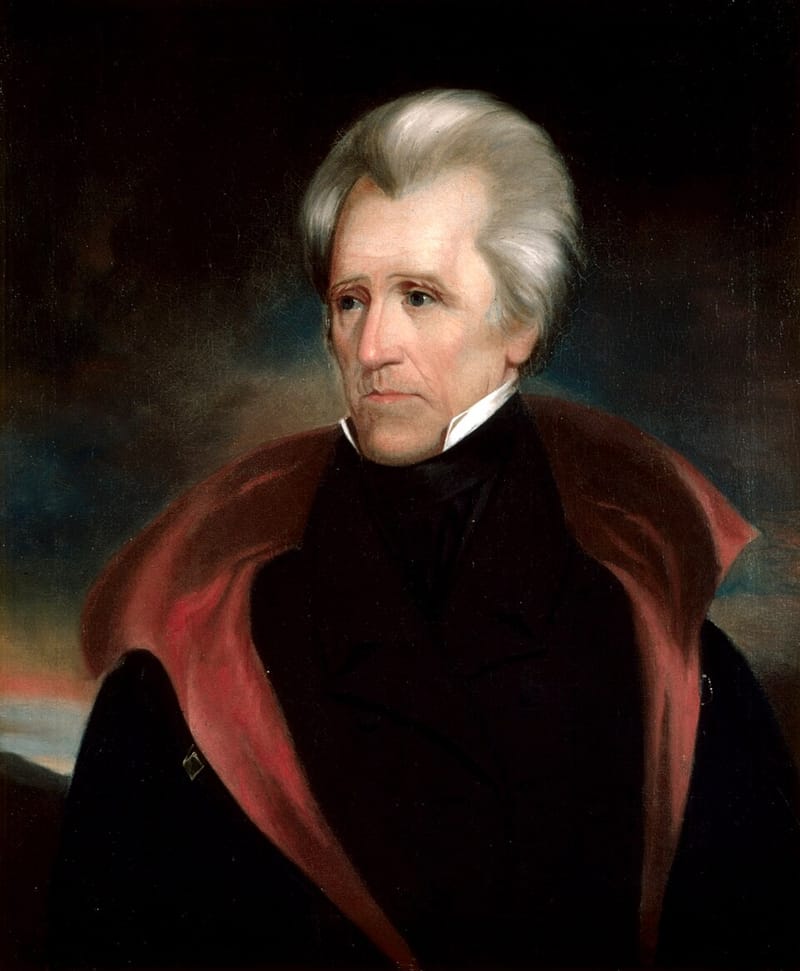
White settlers and Southern state governments wanted Native land for cotton and gold. President Andrew Jackson, a veteran of wars against the Creeks and Seminoles, announced a policy of relocation in his first inaugural address in 1829 and argued that removal would “incalculably strengthen the southwestern frontier” and let Alabama and Mississippi “advance rapidly in population, wealth, and power.” Georgia passed laws extending its authority over Cherokee land, forbidding the Cherokee to conduct their own government or testify in court against whites, and distributing Cherokee land by lottery.
What happened
Congress passed the Indian Removal Act, and Jackson signed it on May 28, 1830. It authorized the president to negotiate treaties exchanging land in the East for land in the West. In practice, the government coerced treaties — sometimes with small factions lacking authority to sign — and used the army against those who resisted. Offered aid on one hand and the threat of subjugation on the other, the Chickasaws and Choctaws submitted, the Creeks under duress; an estimated 3,500 Creeks died in Alabama and on their westward journey, some of them transported in chains; the Seminoles resisted in Florida through the Second Seminole War (1835–1842) and the Third (1855–1858); Black Hawk’s band of Sauk and Fox was crushed in 1832; and the Cherokee, after winning a Supreme Court case in Worcester v. Georgia that the federal government refused to enforce, were rounded up by soldiers in 1838 and marched west on the Trail of Tears.
Immediate consequences
By the end of Jackson’s presidency, his administration had negotiated almost 70 removal treaties, relocating nearly 50,000 eastern Indians to Indian Territory and opening 25 million acres to white settlement — largely in the South, where it fueled the expansion of cotton and slavery. Overall, about 100,000 people were moved between 1830 and 1850. Deaths from disease, exposure, hunger, and violence numbered in the thousands.
Long-term significance
Removal devastated Native societies, severed peoples from ancestral lands and burial grounds, and planted divisions within nations that lasted for generations. In Indian Territory the removed nations rebuilt governments, schools, and communities — only to face new waves of dispossession after the Civil War, the Dawes Act, and Oklahoma statehood. The policy is now widely understood as one of the gravest injustices in American history.
Key peopleAndrew Jackson
Study this entry
Check your understanding
Try answering in your own words, then open the answer.
1.What led to Indian Removal?Show answerHide
White settlers and Southern state governments wanted Native land for cotton and gold.From “Causes and contributing factors” above.
2.What happened?Show answerHide
Congress passed the Indian Removal Act, and Jackson signed it on May 28, 1830. It authorized the president to negotiate treaties exchanging land in the East for land in the West.From “What happened” above.
3.What were the immediate consequences?Show answerHide
By the end of Jackson’s presidency, his administration had negotiated almost 70 removal treaties, relocating nearly 50,000 eastern Indians to Indian Territory and opening 25 million acres to white settlement — largely in the South, where it fueled the expansion of cotton and slavery.From “Immediate consequences” above.
4.Why does it still matter?Show answerHide
Removal devastated Native societies, severed peoples from ancestral lands and burial grounds, and planted divisions within nations that lasted for generations.From “Long-term significance” above.
Turn this entry into 11 flashcards (key facts, dates, and why it matters) and review them in Learn.
Related History
How this connects to the rest of the atlas.
Events
People
Concepts



Sources
- 1.President Andrew Jackson’s Message to Congress “On Indian Removal” (1830) — Milestone Documents
National Archives · Primary source · cited for Removal Act, Jackson’s message, treaties, numbers removed, New Echota, deaths
- 2.What Happened on the Trail of Tears?
National Park Service, Trail of Tears National Historic Trail · Institutional · cited for treaties, Removal Act, Georgia laws, New Echota, roundup, routes, deaths
- 3.Indian Treaties and the Removal Act of 1830
U.S. Department of State, Office of the Historian · Institutional · cited for federal treaty policy and the Removal Act
- 4.Andrew Jackson: Domestic Affairs
Miller Center, University of Virginia · Scholarly · cited for responses of the Chickasaw, Choctaw, Creek, Sauk and Fox, and Seminole
Image credits
- Trails of Tears en, User:Nikater, 2007-09-04. Via Wikimedia Commons · Public domain · Source
Written for American History Atlas from the sources above. See how entries are researched.
Atlas by Alexander. More on Telegram.