Period 1 · Before 1492
Before European Colonization
For more than twenty thousand years before Columbus, the land that became the United States was home to Native peoples who built farming villages, trading networks, ceremonial centers, and cities. Their histories are the first and longest chapter of American history.
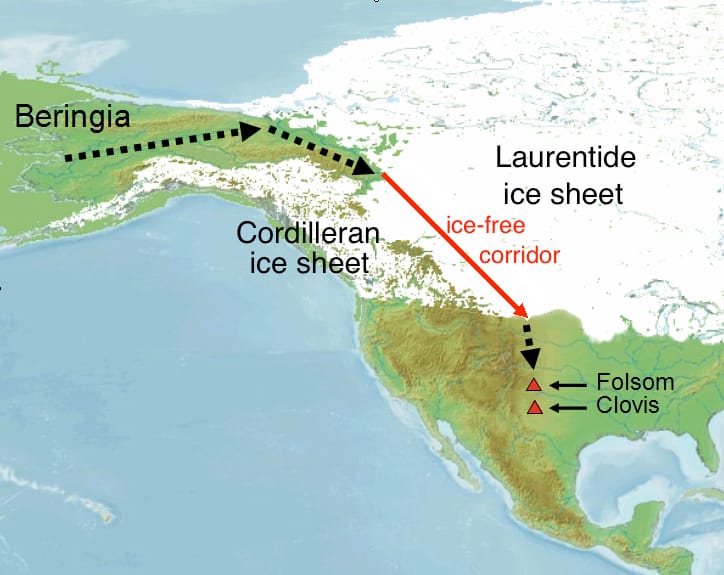
Human footprints at White Sands, New Mexico, show that people were living in North America at least 21,000 years ago — far earlier than once believed. Over millennia their descendants spread across the continent, adapting to every environment from Arctic coasts to southwestern deserts and developing hundreds of languages and cultures. They domesticated maize, beans, and squash, and in many regions built permanent towns.
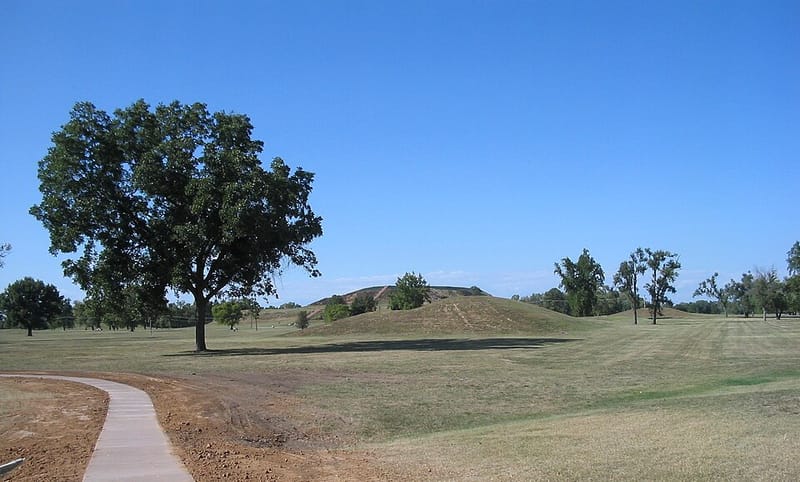
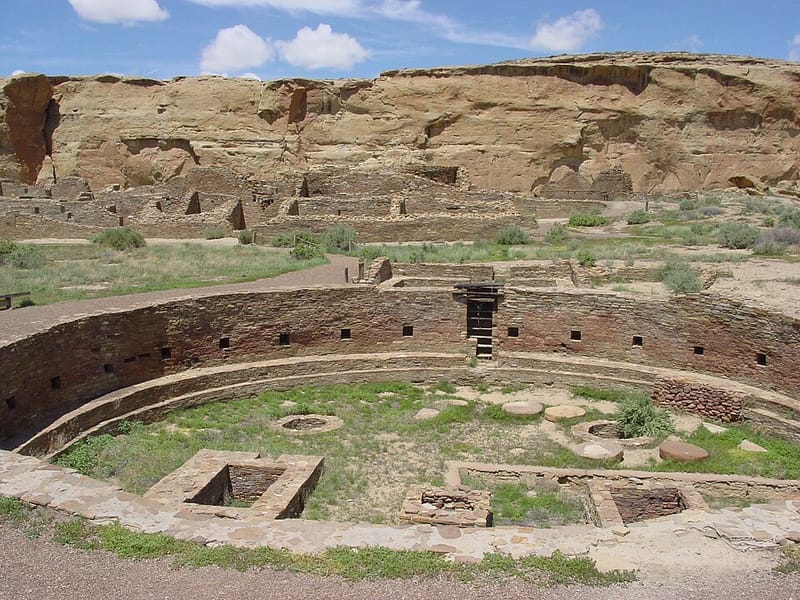
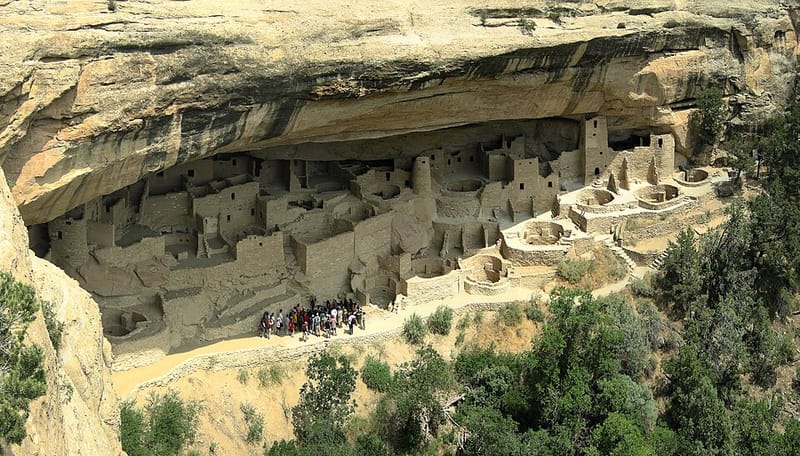
Some of the most remarkable achievements came in the centuries just before European contact. In the Southwest, Ancestral Pueblo people built the great houses of Chaco Canyon and the cliff dwellings of Mesa Verde. Along the Mississippi, the Mississippian culture produced Cahokia, a city of mounds and plazas that may have held tens of thousands of people. In the Northeast, five nations formed the Haudenosaunee Confederacy under the Great Law of Peace.
These societies were not static or isolated. They traded, fought, migrated, and changed. Much of what we know comes from archaeology and from the oral histories that Native nations have kept, and historians increasingly treat both as essential sources.
Highlights
Events and wars
Movements, institutions, and ideas
Places
Sources for this overview
- Fossilized Footprints — National Park Service, White Sands National Park
- Cahokia Mounds State Historic Site: World Heritage Site — National Park Service
Atlas by Alexander. More on Telegram.