DocumentThe Twenties and the Great Depression
Immigration Act of 1924
The Johnson-Reed Act and the national origins quota system
1924
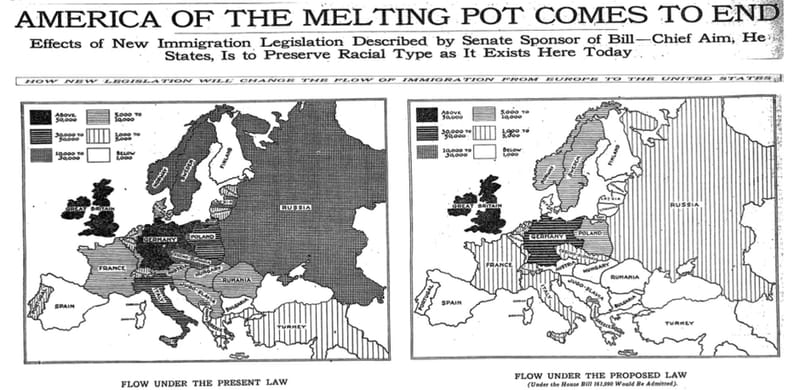
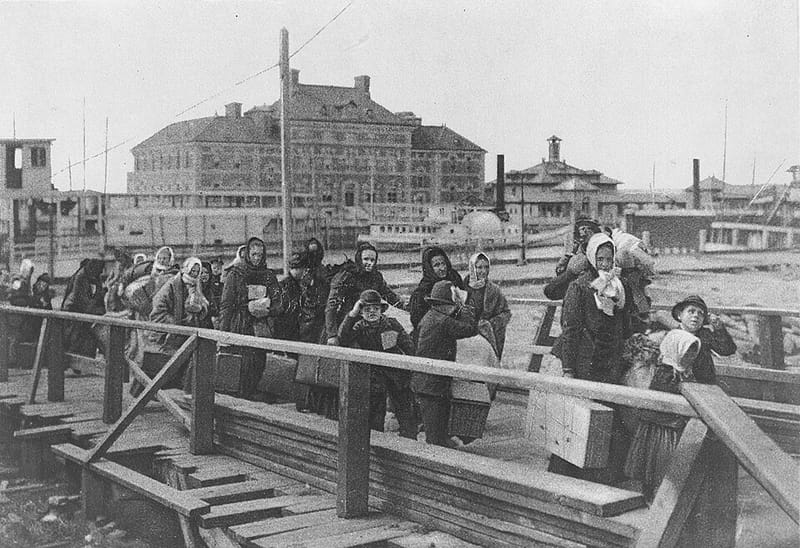
The Immigration Act of 1924, also called the Johnson-Reed Act, sharply limited immigration through a national origins quota. Each nationality was allotted visas equal to 2 percent of the number of people of that nationality in the United States in the 1890 census — a formula designed to favor immigrants from northern and western Europe and to cut immigration from southern and eastern Europe. The law also barred virtually all immigration from Asia. The quota system it created remained the main way the United States selected immigrants until 1965.
Key facts
- Date
- 1924
- Author
- U.S. Congress
- Signed by
- President Calvin Coolidge
- Quota
- 2% of each nationality as counted in the 1890 census
- Asian immigration
- Excluded anyone ineligible for citizenship — which in practice meant Asians
- Western Hemisphere
- No quotas
- Predecessors
- Literacy test and “Asiatic Barred Zone” (1917); 3% quotas based on the 1910 census (1921)
Read the act in the Statutes at Large (PDF, GovInfo)
Why it matters
The 1924 act wrote ideas about racial and national hierarchy into federal law and sharply curtailed immigration from southern and eastern Europe and Asia. The Immigration and Nationality Act of 1952 (the McCarran-Walter Act) kept the national origins quota system, while repealing the last Asian exclusion laws and allowing Asian immigrants to become citizens — though with very small, racially defined quotas for Asian nations. The quota system remained the primary basis for admitting immigrants until 1965.
Historical circumstances
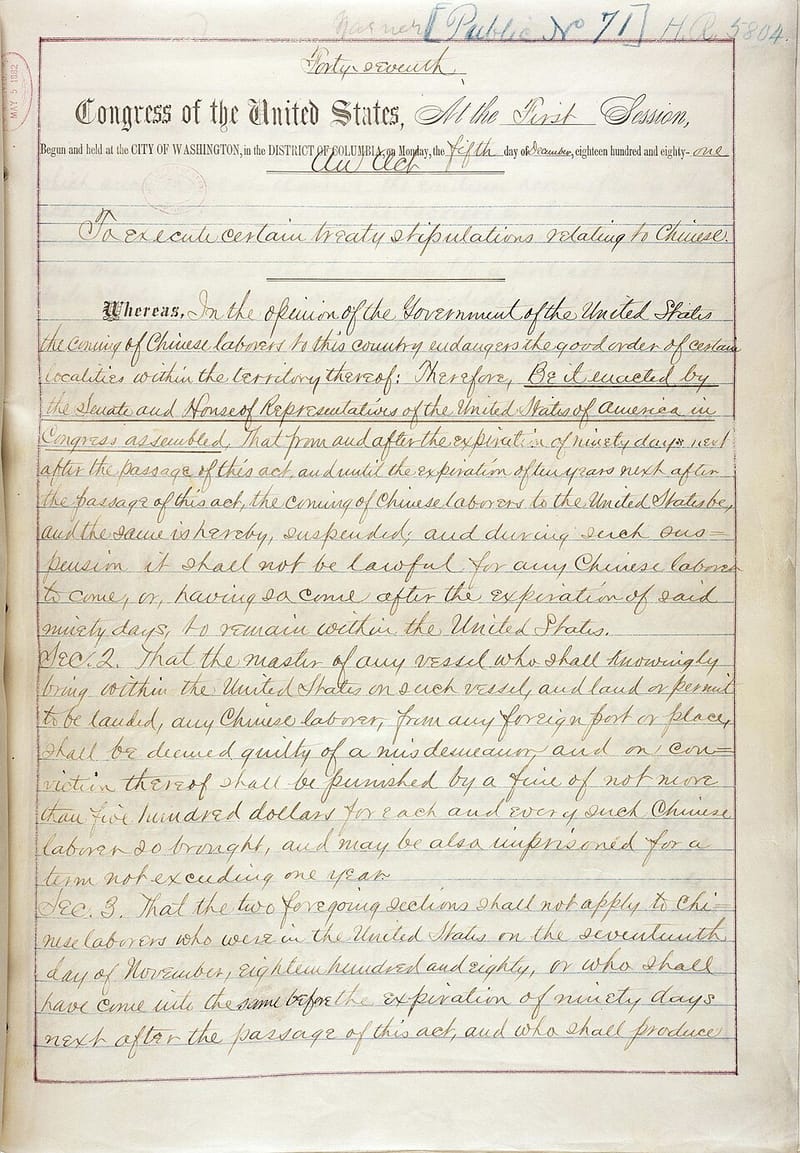
In 1917, amid wartime anxiety about national security, Congress passed the first broadly restrictive immigration law. It required a literacy test for immigrants over 16 and barred people from an “Asiatic Barred Zone.” Chinese immigrants were already excluded under the Chinese Exclusion Act.
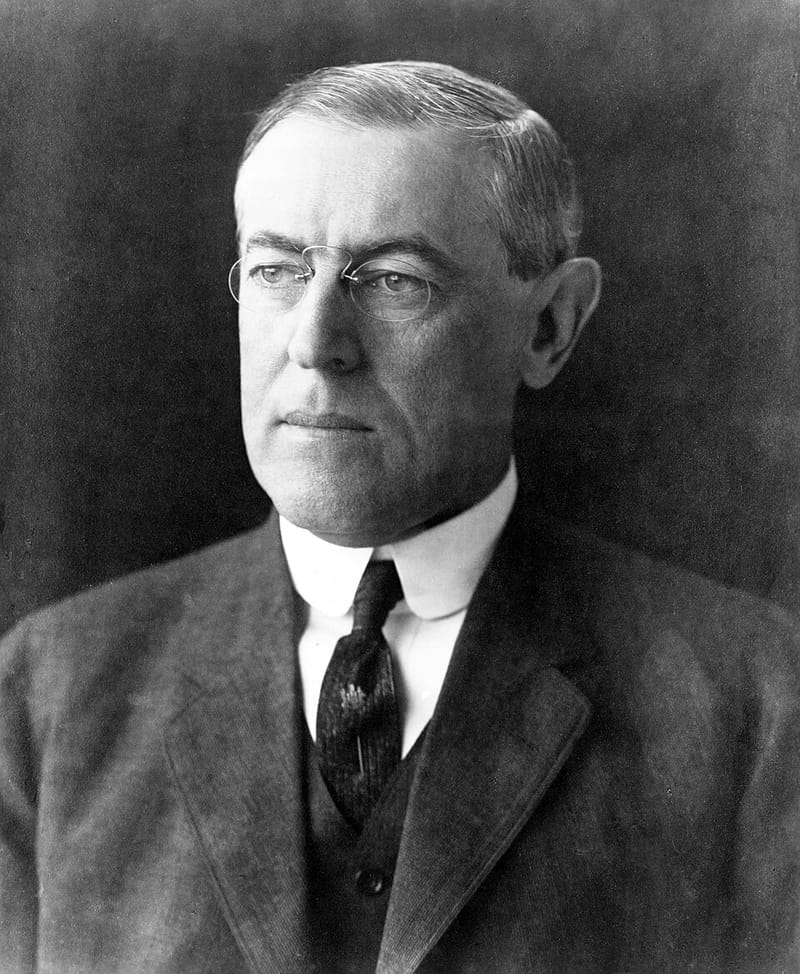
When the literacy test failed to reduce immigration much, Senator William P. Dillingham of Vermont proposed quotas: 3 percent of the foreign-born population of each nationality as recorded in the 1910 census, capping visas at about 350,000 a year. President Wilson pocket-vetoed the bill, but President Harding called Congress into special session and signed it in 1921. By 1924 the quota principle was accepted, and the debate turned on how strict to make it. Restrictionists won.
Principal ideas
The 1924 law lowered the quota from 3 to 2 percent and moved the base year back from 1910 to 1890 — before the largest waves of immigration from Italy, Poland, Russia, and other parts of southern and eastern Europe. It also changed the basis of calculation from the foreign-born population to the national origins of the entire U.S. population, which greatly increased the share of visas for people from the British Isles and western Europe.
The act also excluded any immigrant who, by race or nationality, was ineligible for citizenship. Because naturalization laws dating from 1790 and 1870 barred people of Asian ancestry from becoming citizens, the law shut out the Japanese and other Asians not previously excluded. Japan, which had voluntarily limited emigration under the 1907 Gentlemen’s Agreement, protested bitterly, but the law stood. The State Department’s historians conclude that Congress valued preserving the country’s racial composition above good relations with Japan.
Study this entry
Check your understanding
Try answering in your own words, then open the answer.
1.Why was this document written?Show answerHide
In 1917, amid wartime anxiety about national security, Congress passed the first broadly restrictive immigration law. It required a literacy test for immigrants over 16 and barred people from an “Asiatic Barred Zone.”From “Historical circumstances” above.
2.What are its principal ideas?Show answerHide
The 1924 law lowered the quota from 3 to 2 percent and moved the base year back from 1910 to 1890 — before the largest waves of immigration from Italy, Poland, Russia, and other parts of southern and eastern Europe.From “Principal ideas” above.
Turn this entry into 12 flashcards (key facts, dates, and why it matters) and review them in Learn.
Related History
How this connects to the rest of the atlas.
Events

Places


Sources
- 1.The Immigration Act of 1924 (The Johnson-Reed Act)
U.S. Department of State, Office of the Historian · Institutional · cited for 1917 and 1921 laws, quotas, Asian exclusion, Japan
- 2.The Immigration and Nationality Act of 1952 (The McCarran-Walter Act)
U.S. Department of State, Office of the Historian · Institutional · cited for 1952 revision of the quota system
- 3.Immigration Act of 1924 (Johnson-Reed Act)
Immigration History (Immigration and Ethnic History Society) · Scholarly · cited for quota system in force until 1965
- 4.The American Yawp, “The New Era”
The American Yawp (eds. Joseph Locke and Ben Wright; Stanford University Press) · Scholarly · cited for 1920s: Prohibition, immigration restriction, Klan, Great Migration
Image credits
- America of the melting pot comes to end, New York Times, 1924-04-27. Via Wikimedia Commons · Public domain · Source
Written for American History Atlas from the sources above. See how entries are researched.
Atlas by Alexander. More on Telegram.