MovementCivil Rights and Social Transformation
LGBTQ+ Rights Movement
From homophile organizing to gay liberation and marriage equality
c. 1950s–present
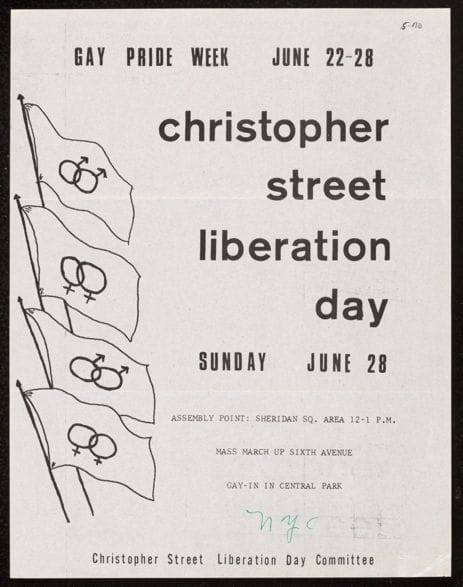
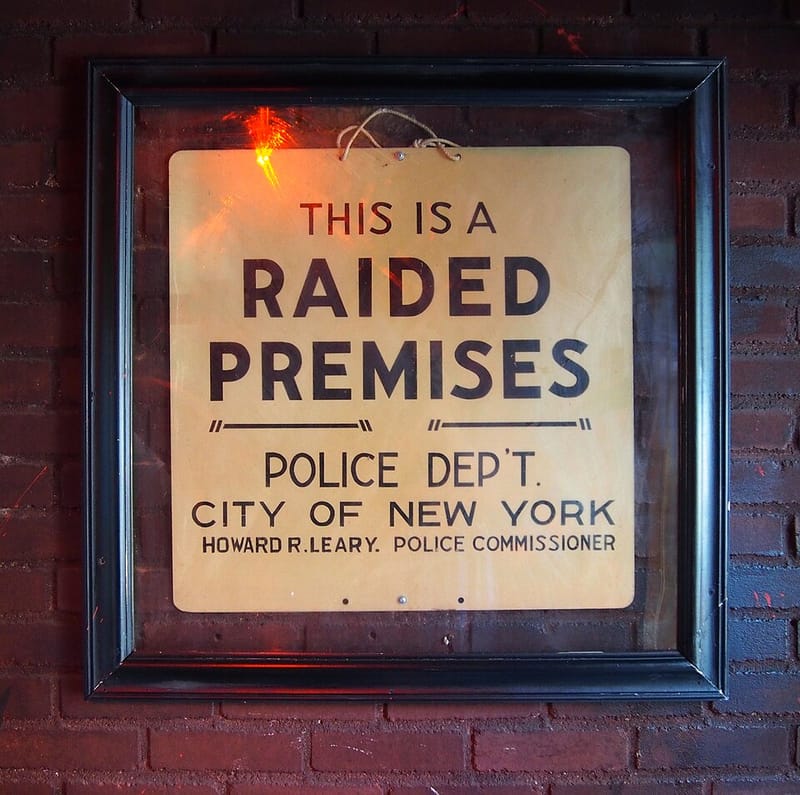
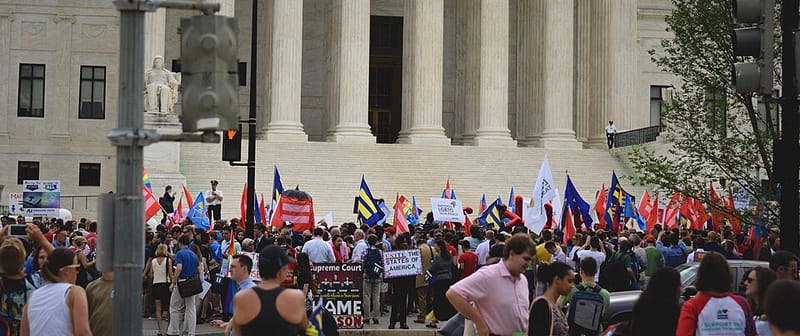
The movement for the rights of lesbian, gay, bisexual, transgender, and queer Americans grew from small postwar “homophile” groups into a mass movement after the Stonewall uprising of 1969. Activists fought laws and stigma that treated homosexuality as a crime and a mental illness, pressed for protection from discrimination, and — in the twenty-first century — won the right to marry nationwide in Obergefell v. Hodges (2015). The movement has faced organized opposition at every stage.
Key facts
- Date
- c. 1950s–present
- Dating note
- Postwar homophile groups; gay liberation after Stonewall (1969); continuing into the 21st century.
- Lavender Scare
- 1950s: gay Americans targeted as supposed security risks
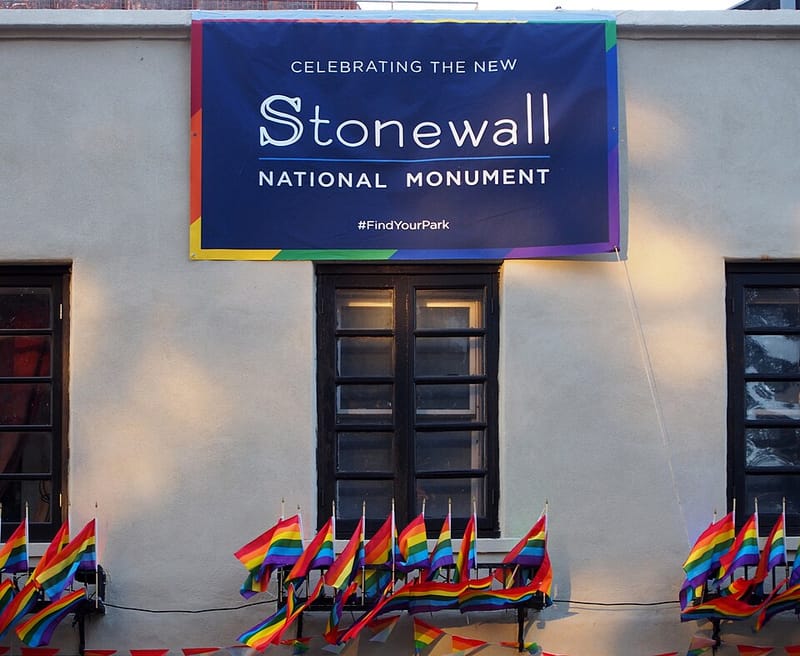
- Stonewall
- June 1969, New York City
- Psychiatry
- 1973: the American Psychiatric Association stopped classifying homosexuality as a mental illness
- First state ban on discrimination
- Wisconsin, 1982
- Marriage
- Obergefell v. Hodges, 2015
Why it matters
The LGBTQ+ rights movement extended the civil rights tradition to sexuality and gender identity and transformed American law and culture within a few decades.
Goals
Activists sought an end to police harassment, criminal laws, and the medical classification of homosexuality as illness; protection from discrimination in jobs and housing; the freedom to live openly; and, later, equal recognition of families and marriages.
Strategies
Postwar homophile organizations sought acceptance through respectability and gradual reform. After Stonewall, a new generation of gay liberation activists — inspired by Black Power, the New Left, and the counterculture — embraced pride, urged people to come out, and organized marches. Transgender activists organized as well; a 1971 newsletter declared “All power to Trans Liberation.”
Opposition
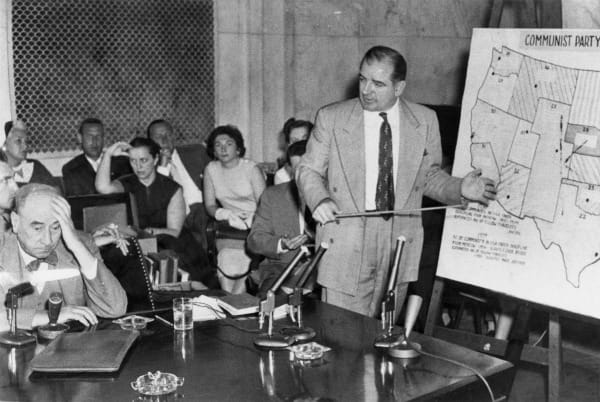
During the Cold War’s Lavender Scare, gay Americans were treated as security risks. In the 1970s evangelical Christians and other conservatives mobilized against gay rights; in 1977 a “Save Our Children” campaign in Dade County, Florida, overturned an ordinance banning discrimination based on sexual orientation.
Achievements
In 1973 the American Psychiatric Association removed homosexuality from its list of mental illnesses. In 1982 Wisconsin became the first state to ban discrimination based on sexual orientation, and more than eighty cities and nine states followed over the next decade.
Unresolved questions
Progress has been uneven. Transgender people often faced exclusion even within gay and lesbian organizations, and legal protections and public acceptance continue to be contested.
Study this entry
Check your understanding
Try answering in your own words, then open the answer.
1.What did the movement want?Show answerHide
Activists sought an end to police harassment, criminal laws, and the medical classification of homosexuality as illness; protection from discrimination in jobs and housing; the freedom to live openly; and, later, equal recognition of families and marriages.From “Goals” above.
2.How did it pursue its goals?Show answerHide
Postwar homophile organizations sought acceptance through respectability and gradual reform. After Stonewall, a new generation of gay liberation activists — inspired by Black Power, the New Left, and the counterculture — embraced pride, urged people to come out, and organized marches.From “Strategies” above.
3.Who opposed it, and how?Show answerHide
During the Cold War’s Lavender Scare, gay Americans were treated as security risks. In the 1970s evangelical Christians and other conservatives mobilized against gay rights; in 1977 a “Save Our Children” campaign in Dade County, Florida, overturned an ordinance banning discrimination based on sexual orientation.From “Opposition” above.
4.What did it achieve?Show answerHide
In 1973 the American Psychiatric Association removed homosexuality from its list of mental illnesses. In 1982 Wisconsin became the first state to ban discrimination based on sexual orientation, and more than eighty cities and nine states followed over the next decade.From “Achievements” above.
Turn this entry into 11 flashcards (key facts, dates, and why it matters) and review them in Learn.
Related History
How this connects to the rest of the atlas.
Events
Court cases
Movements

Sources
- 1.The American Yawp, “The Unraveling”
The American Yawp (eds. Joseph Locke and Ben Wright; Stanford University Press) · Scholarly · cited for 1970s: Vietnam’s end, Watergate, feminism, environmentalism
- 2.The American Yawp, “The Cold War”
The American Yawp (eds. Joseph Locke and Ben Wright; Stanford University Press) · Scholarly · cited for containment, Marshall Plan, Berlin, NATO, NSC-68, Korea, McCarthyism, arms race
- 3.Learn About the Park — Stonewall National Monument
National Park Service · Institutional · cited for June 28, 1969 raid and uprising; monument and Stonewall Inn
- 4.Obergefell v. Hodges
Oyez (Cornell LII, Justia, Chicago-Kent College of Law) · Scholarly · cited for facts, questions, holding, vote
Image credits
- Christopher Street Liberation Day. June 28 1970, Unknown author Unknown author, 1970. Via Wikimedia Commons · Public domain · Source
Written for American History Atlas from the sources above. See how entries are researched.
Atlas by Alexander. More on Telegram.