MovementCivil Rights and Social Transformation
The Farm Workers Movement
The Delano grape strike, the boycott, and the United Farm Workers
1962–1975California’s Central Valley and boycott centers nationwide
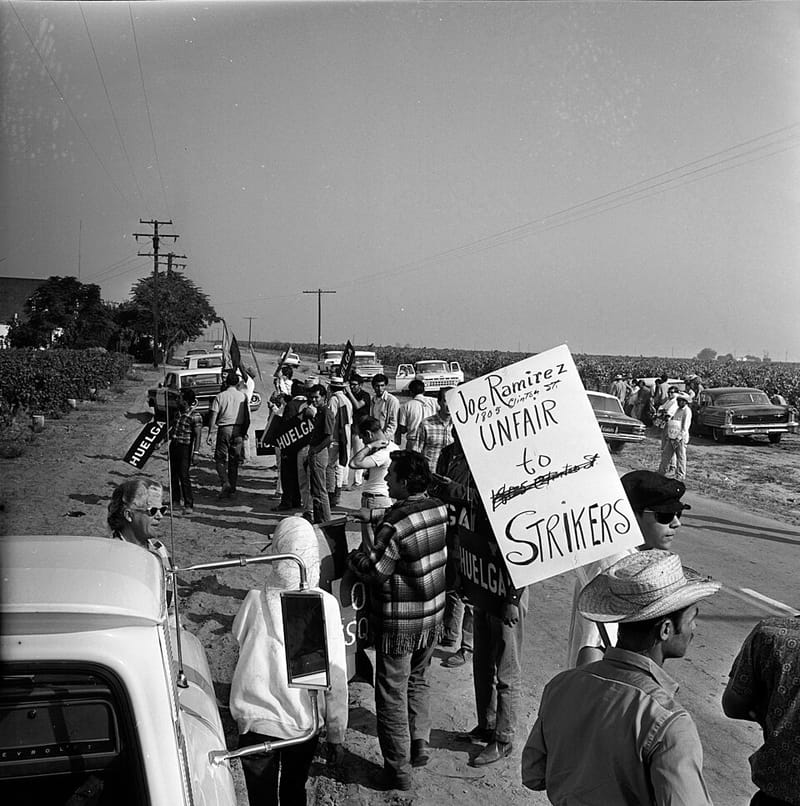
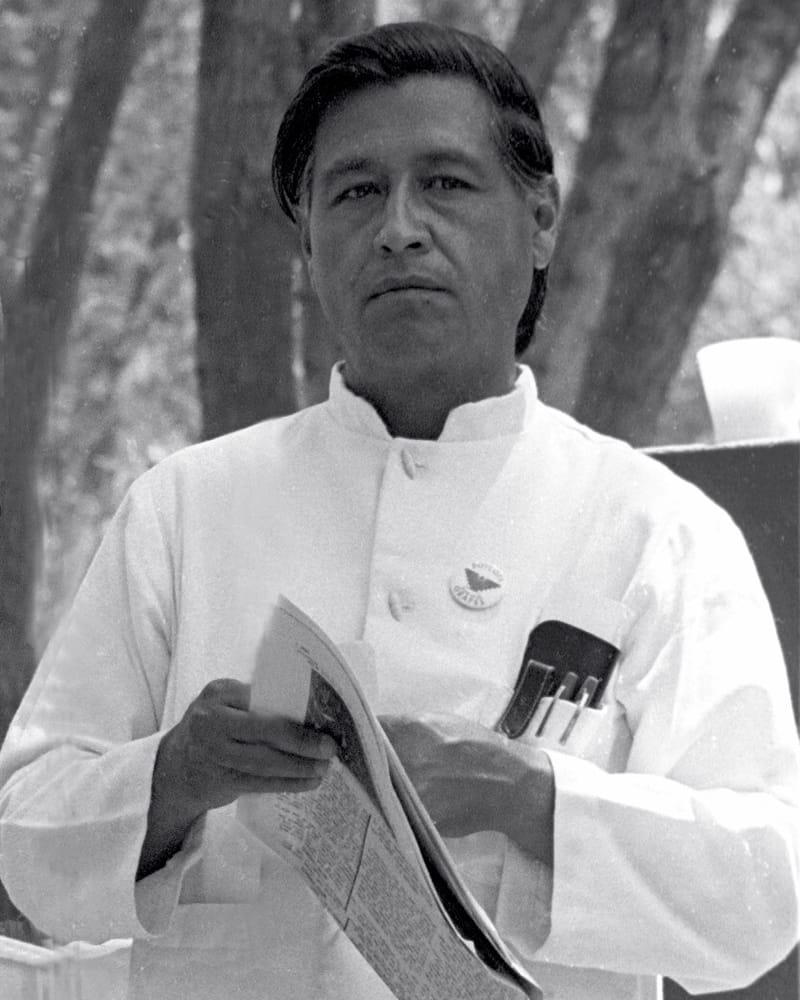
In the 1960s, Mexican American and Filipino farm workers in California organized to win union recognition, decent wages, and safe conditions. Their Delano grape strike, begun in 1965, and a nationwide consumer boycott of table grapes led by Cesar Chavez, Dolores Huerta, and Larry Itliong won the first major union contracts in California agriculture by 1970. The United Farm Workers became both a union and a civil rights movement.
Key facts
- Date
- 1962–1975
- Location
- California’s Central Valley and boycott centers nationwide
- Dating note
- From the founding of the National Farm Workers Association to California’s Agricultural Labor Relations Act.
- Founded
- National Farm Workers Association, 1962 (Chavez and Huerta); Agricultural Workers Organizing Committee (largely Filipino; leaders included Larry Itliong)
- Delano strike
- Began September 8, 1965
- March to Sacramento
- March 17 – Easter 1966, nearly 340 miles
- Merger
- United Farm Workers Organizing Committee, AFL-CIO, August 22, 1966
- Landmark law
- California Agricultural Labor Relations Act, 1975
Why it matters
The farm workers’ struggle joined labor organizing to the civil rights movement and made Chicano and Filipino workers visible in national politics.
Goals
Farm workers sought union recognition, higher wages (grape pickers averaged about 90 cents an hour in 1965), an end to child labor and dangerous conditions, protection from pesticides, and fair treatment. Chavez envisioned the union as both a labor organization and a civil rights movement for Chicano and Filipino workers.
Strategies
On September 8, 1965, Filipino workers of the AWOC, organized by Larry Itliong, struck nine farms near Delano. The NFWA voted to join on September 16. Strikers used roving pickets to persuade strikebreakers to leave the fields. Chavez called for a consumer boycott of non-union grapes, and volunteers organized boycott centers in cities across the country. In 1966 strikers marched nearly 340 miles to Sacramento; on Easter they announced that Schenley had signed a contract. Chavez fasted to draw attention to the cause.
Opposition
Growers used strikebreakers, and police sometimes harassed strikers. The Teamsters union offered growers a more conservative alternative, and the farm workers had to win union elections against them.
Achievements
By 1970 grape growers had signed contracts, and the UFW claimed 50,000 members, with a union hiring hall that ended favoritism by labor contractors, a health clinic and health plan, and higher wages. In 1975 California passed the Agricultural Labor Relations Act, the first U.S. law recognizing farm workers’ right to collective bargaining.
Unresolved questions
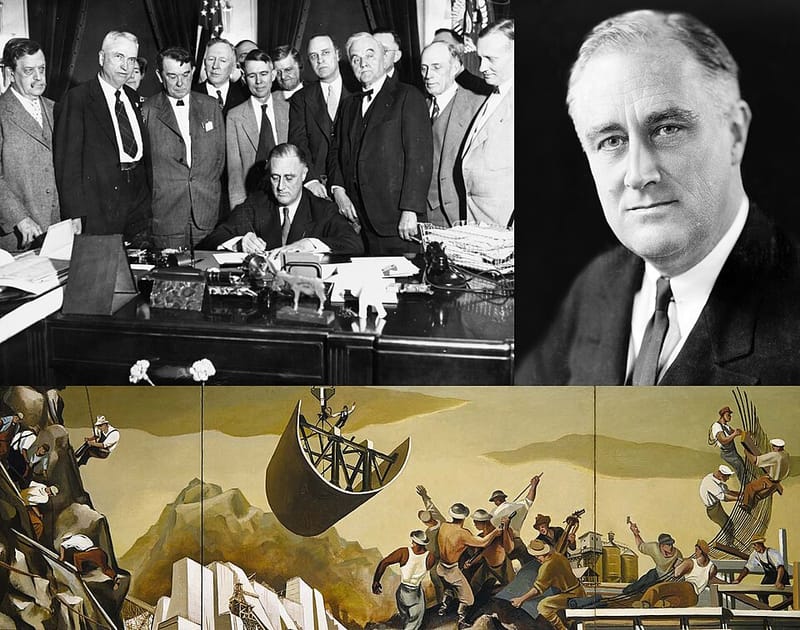
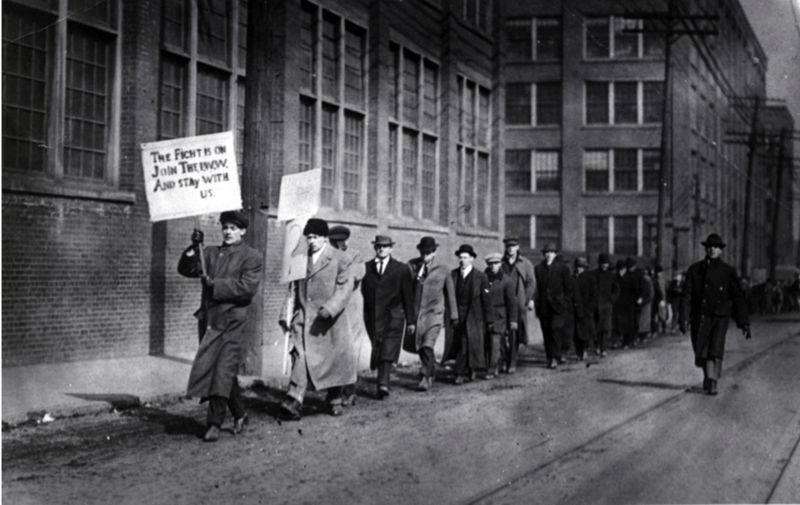
The National Labor Relations Act of 1935 excluded agricultural workers, leaving farm workers without the federal protections most other workers had.
Study this entry
Check your understanding
Try answering in your own words, then open the answer.
1.What did the movement want?Show answerHide
Farm workers sought union recognition, higher wages (grape pickers averaged about 90 cents an hour in 1965), an end to child labor and dangerous conditions, protection from pesticides, and fair treatment. Chavez envisioned the union as both a labor organization and a civil rights movement for Chicano and Filipino workers.From “Goals” above.
2.How did it pursue its goals?Show answerHide
On September 8, 1965, Filipino workers of the AWOC, organized by Larry Itliong, struck nine farms near Delano. The NFWA voted to join on September 16.From “Strategies” above.
3.Who opposed it, and how?Show answerHide
Growers used strikebreakers, and police sometimes harassed strikers. The Teamsters union offered growers a more conservative alternative, and the farm workers had to win union elections against them.From “Opposition” above.
4.What did it achieve?Show answerHide
By 1970 grape growers had signed contracts, and the UFW claimed 50,000 members, with a union hiring hall that ended favoritism by labor contractors, a health clinic and health plan, and higher wages.From “Achievements” above.
Turn this entry into 10 flashcards (key facts, dates, and why it matters) and review them in Learn.
Related History
How this connects to the rest of the atlas.

Sources
- 1.UFW History
United Farm Workers · Institutional · cited for NFWA, AWOC, Delano strike, boycott, march, 1970 contracts
- 2.The Story of Cesar Chavez
United Farm Workers · Institutional · cited for Chavez biography, fasts
- 3.History & Culture — César E. Chávez National Monument
National Park Service · Institutional · cited for farm worker movement achievements, 1975 California law
- 4.The American Yawp, “The Sixties”
The American Yawp (eds. Joseph Locke and Ben Wright; Stanford University Press) · Scholarly · cited for civil rights, Great Society, Vietnam, social movements
- 5.National Labor Relations Act (1935) — Milestone Documents
National Archives · Primary source · cited for Wagner Act
Image credits
Written for American History Atlas from the sources above. See how entries are researched.
Atlas by Alexander. More on Telegram.