EventCivil Rights and Social Transformation
Apollo 11
The first human landing on the Moon, July 1969
July 16–24, 1969Launched from Cape Kennedy, Florida; landed in the Sea of Tranquility on the Moon
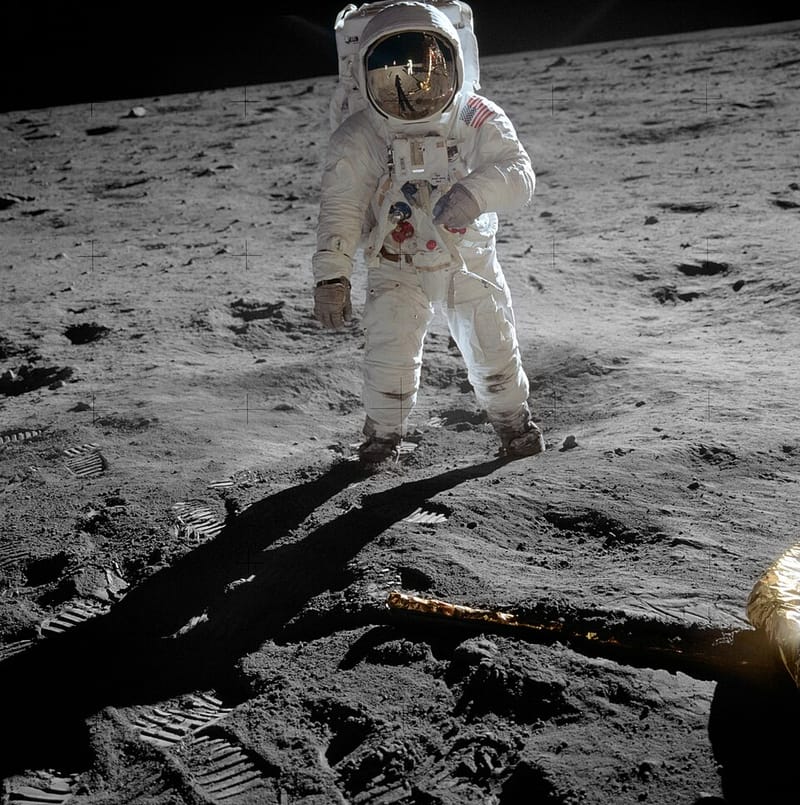
On July 20, 1969, Apollo 11 astronauts Neil Armstrong and Edwin “Buzz” Aldrin landed the lunar module Eagle on the Moon’s Sea of Tranquility while Michael Collins orbited overhead in the command module Columbia. An estimated 650 million people watched as Armstrong stepped onto the surface, describing it as “one small step for a man, one giant leap for mankind.” The mission fulfilled President Kennedy’s 1961 goal of landing a man on the Moon and returning him safely to Earth, and it was a triumph for the United States in the space race with the Soviet Union.
Key facts
- Date
- July 16–24, 1969
- Location
- Launched from Cape Kennedy, Florida; landed in the Sea of Tranquility on the Moon
- Launch
- July 16, 1969, Cape Kennedy
- Crew
- Neil Armstrong (commander), Michael Collins (command module pilot), Edwin “Buzz” Aldrin (lunar module pilot)
- Landing
- July 20, 1969, Sea of Tranquility
- Audience
- An estimated 650 million people
- Splashdown
- July 24, 1969, Pacific Ocean, 13 miles from USS Hornet
Why it matters
Apollo 11 fulfilled a national goal, gave the United States a decisive symbolic victory in the Cold War space race, and gave the world a shared moment of wonder.
Historical background
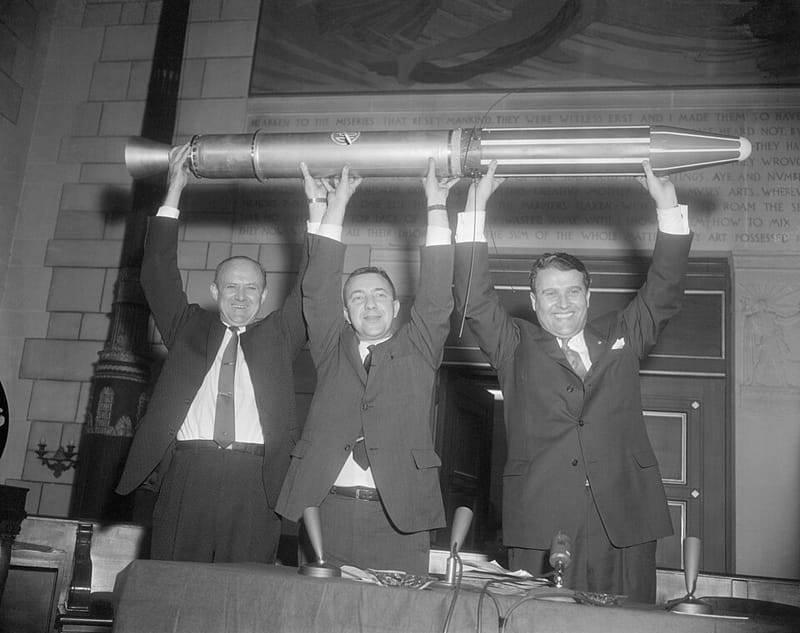
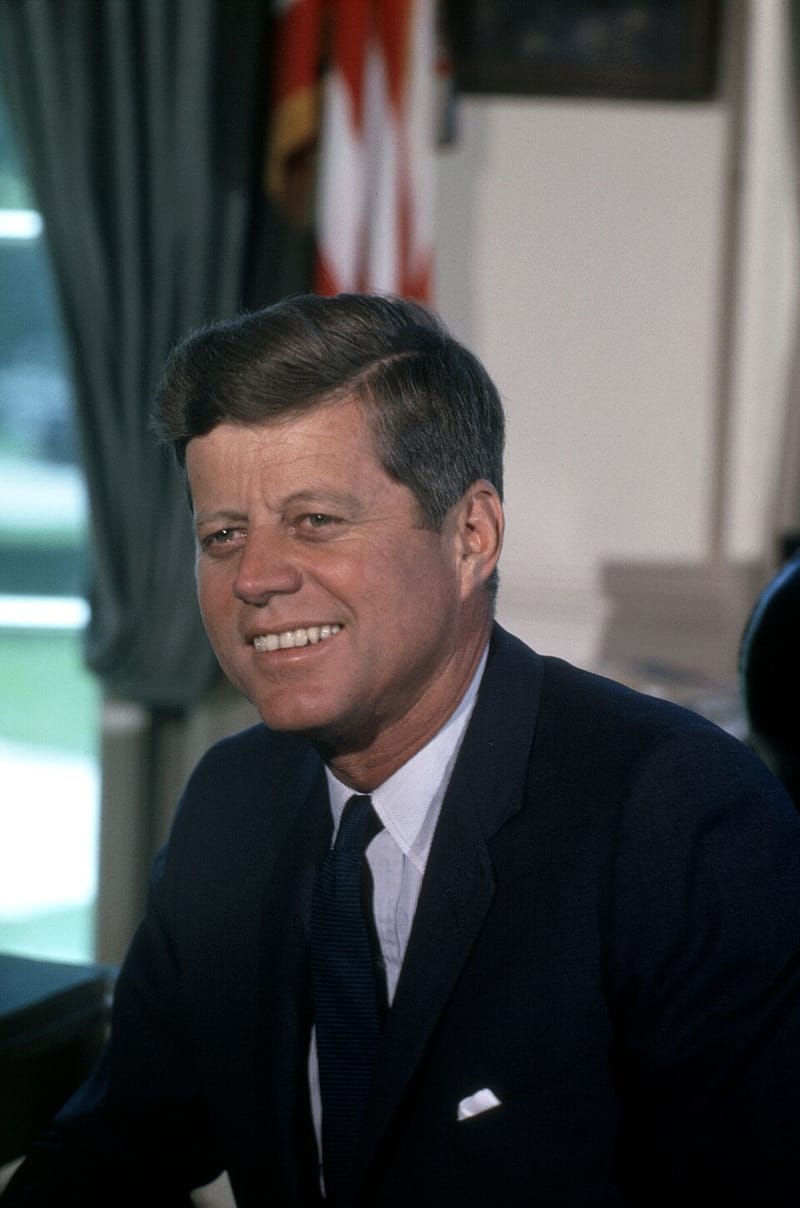
The Soviet Union launched Sputnik, the first artificial satellite, in 1957, and the United States created NASA in 1958 to compete in space. On May 25, 1961, President John F. Kennedy set the national goal of landing astronauts on the Moon and returning them safely before the decade ended.
Causes and contributing factors
The space race was a Cold War contest for prestige and technological leadership.
What happened
Apollo 11 launched on July 16, 1969. On July 20, Eagle separated from Columbia and, partly piloted by hand by Armstrong, landed in the Sea of Tranquility. Hours later Armstrong stepped onto the surface, followed about 20 minutes later by Aldrin. They ranged up to 300 feet from the lander, set up scientific experiments, and gathered samples of lunar rock and soil. After rejoining Collins, the crew returned to Earth and splashed down in the Pacific on July 24, after a flight of about 195 hours.
Immediate consequences
Americans hailed the landing as a victory in the space race.
Long-term significance
The Moon landing was a landmark achievement and a lasting symbol of what the nation could accomplish — even as it came amid the turmoil of the Vietnam War, urban riots, and assassinations.
Study this entry
Check your understanding
Try answering in your own words, then open the answer.
1.What led to Apollo 11?Show answerHide
The space race was a Cold War contest for prestige and technological leadership.From “Causes and contributing factors” above.
2.What happened?Show answerHide
Apollo 11 launched on July 16, 1969. On July 20, Eagle separated from Columbia and, partly piloted by hand by Armstrong, landed in the Sea of Tranquility.From “What happened” above.
3.What were the immediate consequences?Show answerHide
Americans hailed the landing as a victory in the space race.From “Immediate consequences” above.
4.Why does it still matter?Show answerHide
The Moon landing was a landmark achievement and a lasting symbol of what the nation could accomplish — even as it came amid the turmoil of the Vietnam War, urban riots, and assassinations.From “Long-term significance” above.
Turn this entry into 11 flashcards (key facts, dates, and why it matters) and review them in Learn.
Related History
How this connects to the rest of the atlas.
Events

Wars
People
Movements


Sources
- 1.Apollo 11 Mission Overview
NASA · Institutional · cited for mission dates, crew, landing, splashdown
- 2.The American Yawp, “The Cold War”
The American Yawp (eds. Joseph Locke and Ben Wright; Stanford University Press) · Scholarly · cited for containment, Marshall Plan, Berlin, NATO, NSC-68, Korea, McCarthyism, arms race
- 3.The American Yawp, “The Sixties”
The American Yawp (eds. Joseph Locke and Ben Wright; Stanford University Press) · Scholarly · cited for civil rights, Great Society, Vietnam, social movements
Image credits
- Aldrin Apollo 11 original, Neil Armstrong, 1969-07-21. Via Wikimedia Commons · Public domain · Source
Written for American History Atlas from the sources above. See how entries are researched.
Atlas by Alexander. More on Telegram.